Explore by topic, question, or idea. Find articles, reflections, videos, puzzles, and curiosity pathways gathered across the site.
Press Enter or select Search. A newly typed query starts globally; filters are applied only through the visible rail.
91 results for “why beaches carry sand”
- The Perpetually Curious! › Archives › Biology & HealthArticle
🌅 Pandiculation: How the Waking Stretch Restores Body Awareness
Before the eyes fully focus or the mind has assembled the day, the body may begin moving on its own. The arms rise, the chest opens, the back lengthens, and several muscles tighten before easing into release. This familiar sequence has a scientific name: pandiculation.
- The Perpetually Curious! › Archives › Wilderness & Homestead CreaturesArticle
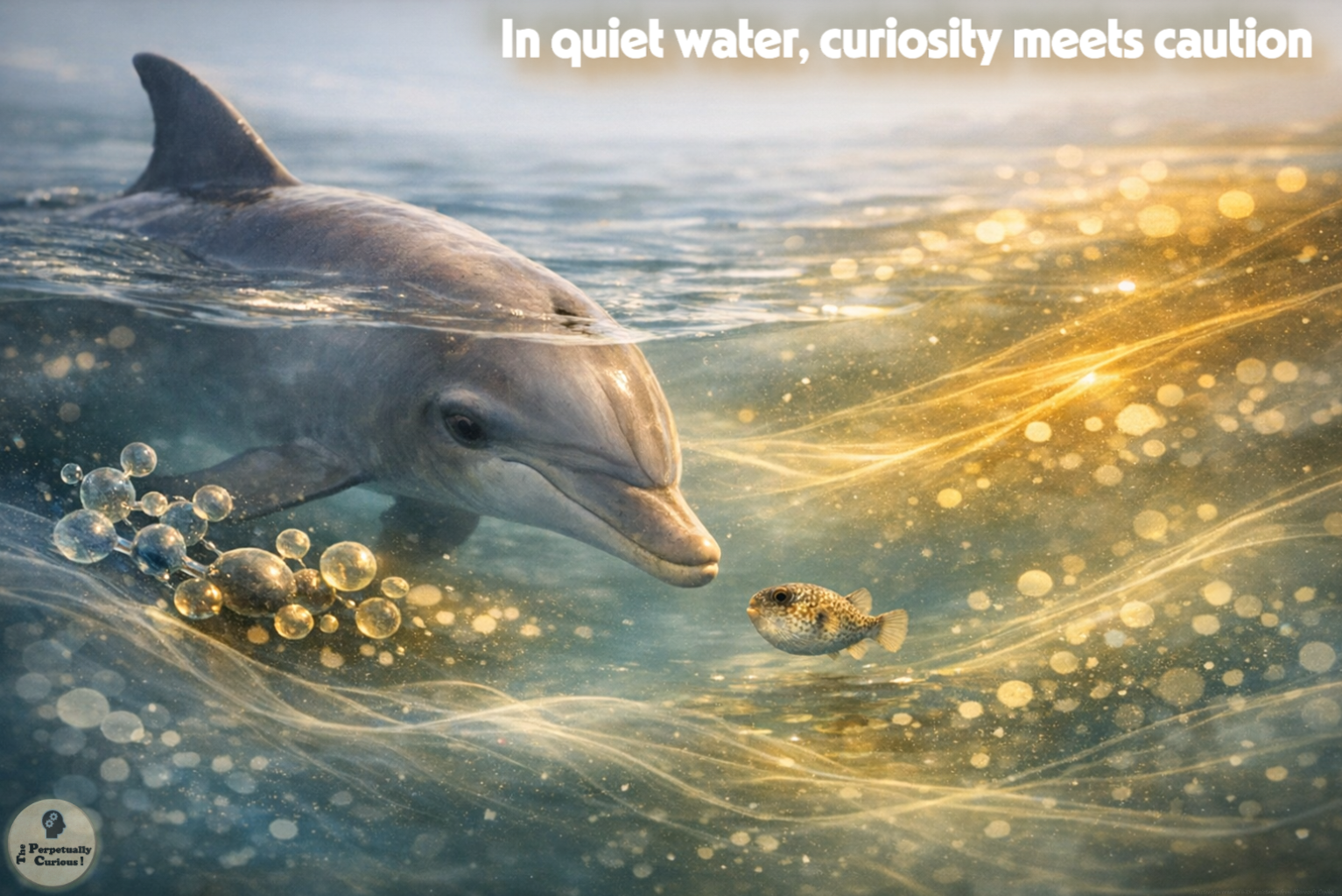
🧪 Animal Chemical Encounters: When Molecules Shape Behavior
In the sea, a chemical encounter can begin before a chase, a bite, or a sound. A molecule released from skin, mucus, food, or water can change what an animal notices, how it moves, and whether it keeps investigating. To human eyes, the moment may look like simple curiosity.
- The Perpetually Curious! › Archives › Planet EarthArticle
🌊 Niagara Falls Facts: How Water Turns Stone Into Time
When Niagara Falls first appears through its mist, it can feel like a single spectacular drop. But the falls are better understood as a place where a much larger water system briefly becomes visible. The water is not arriving from nowhere.
- The Perpetually Curious! › Archives › Engineering & TechnologyArticle
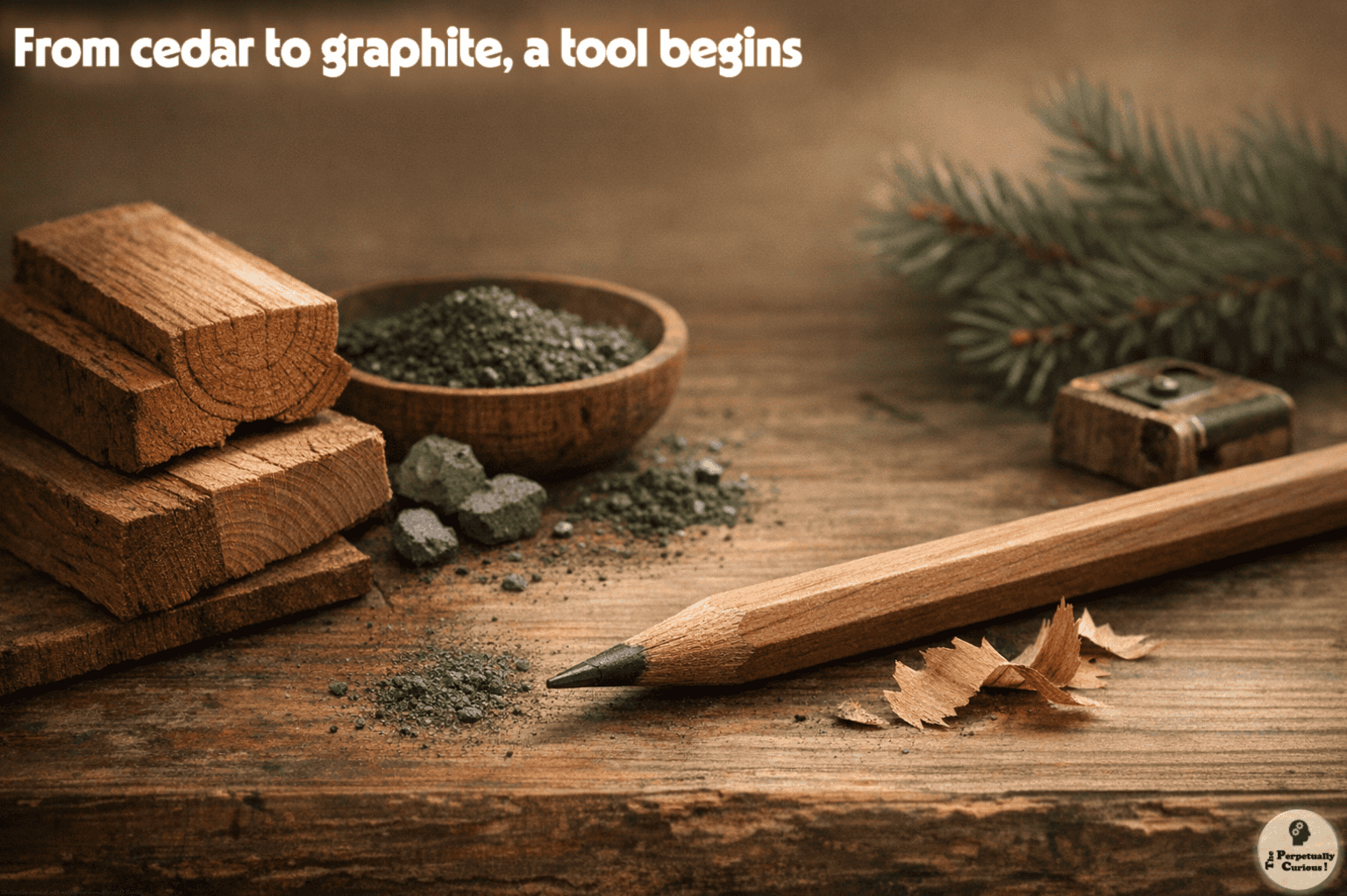
✏️ Pencil Making: How Graphite and Cedar Become a Line
Pencil making begins with a small material puzzle. The finished object looks simple, but its usefulness depends on several materials behaving well together. The dark core must leave a visible line without crumbling too easily. The wooden body must sharpen cleanly without splitting.
- The Perpetually Curious! › Archives › Botanical WondersArticle
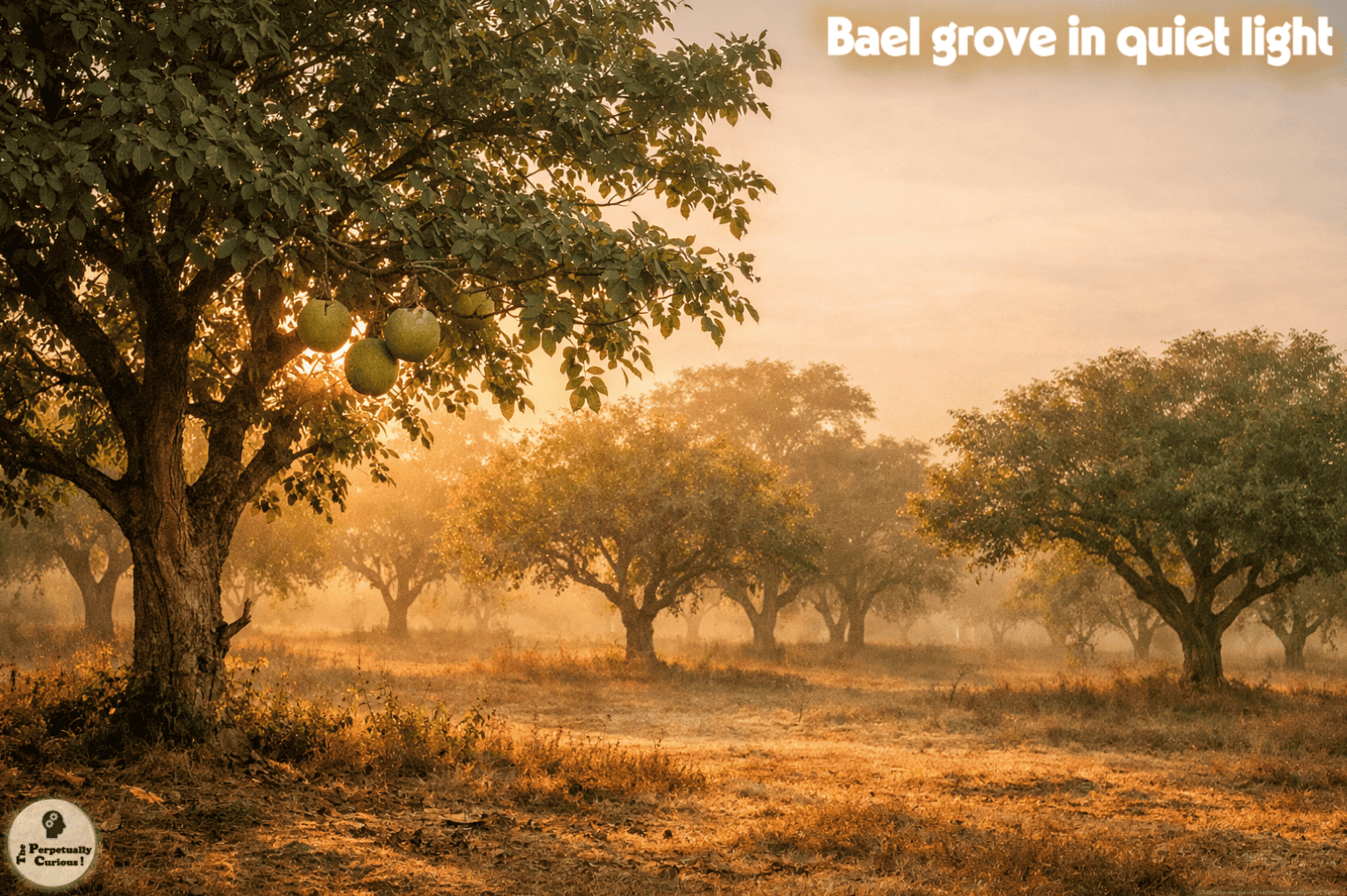
🍃 Bael Tree: Quiet Resilience in Leaf and Fruit
The bael tree, Aegle marmelos, is not a showy tree in the usual sense. Its strength is quieter. It grows across warm South Asian landscapes where dry seasons can be long, soils can be difficult, and survival often depends on patience rather than speed.
- The Perpetually Curious! › CanonicalGateway
🌍 Planet Earth | Articles
From section: 🌊 Oceans & the HydrosphereThe Science of Sand: How Waves and Sediment Shape Coastlines
- The Perpetually Curious! › CanonicalGateway
🌿 Botanical Wonders | Articles
From section: 🌲 Ancient Lineages, Fossil Forests, and Tree TimeWhen Trees Carry Time: Oldest Tree Species, Ancient Forests, and Sacred Trees
- The Perpetually Curious! › CanonicalGateway
🏛️ History, Arts & Culture | Articles
From section: 🏔️ Sacred Landscapes & Cultural GeographyLandscapes, routes, and natural forms that carry cultural memory, sacred meaning, and historical continuity across regions and traditions.
- The Perpetually Curious! › Videos & Podcasts › History, Arts, and CulturePodcast
📅 Days of the Week: Names, Origins & Etymology | | History, Arts & Culture Podcast | TPC8
#DaysOfTheWeek #Etymology #CalendarHistory Why are the days of the week called Sunday, Monday, Tuesday, Wednesday, Thursday, Friday, and Saturday? This History, Arts & Culture podcast explores the names, origins, meanings, and etymology of the seven-day week.
- The Perpetually Curious! › Videos & Podcasts › Cosmic ExplorationPodcast
🌌 Planetary Names Explained: From Ancient Gods to Modern Science | Cosmic Exploration Series Podcast
#PlanetNames #SolarSystem #Astronomy 🪐 Why are the planets named Mercury, Venus, Earth, Mars, Jupiter, Saturn, Uranus, and Neptune? This astronomy podcast explores the origins and meanings of the planet names in our solar system, revealing how ancient observation, mythology…