Explore by topic, question, or idea. Find articles, reflections, videos, puzzles, and curiosity pathways gathered across the site.
Press Enter or select Search. A newly typed query starts globally; filters are applied only through the visible rail.
7 results for “teach darkness”
- The Perpetually Curious! › Archives › PhysicsArticle
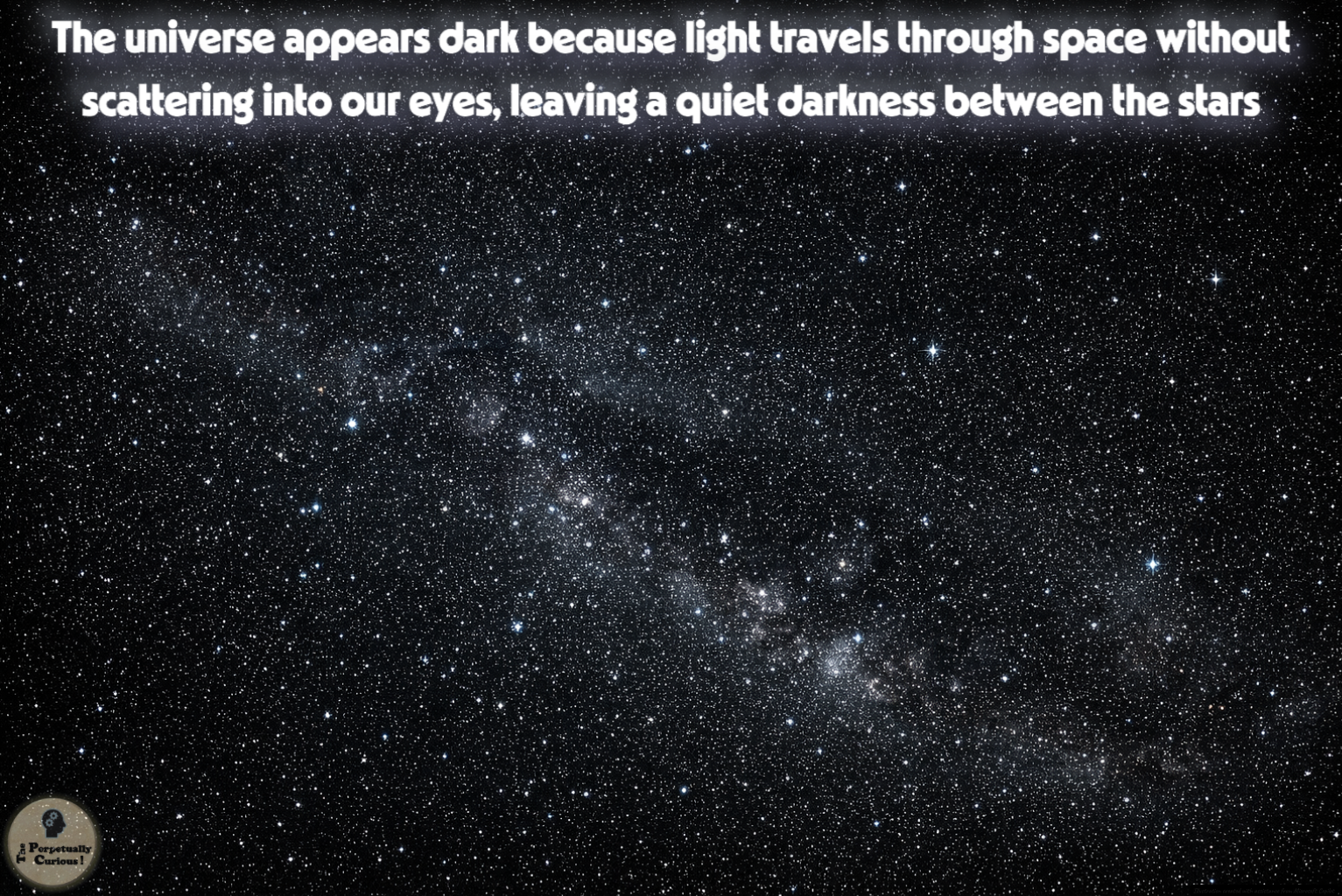
🌌 Why Space Looks Dark: Light, Matter, and the Quiet Cosmos
Space can look surprisingly dark, even in a universe filled with stars. That darkness is not simply the absence of light. It is often the result of how light travels, what it meets, and what it does not meet. On Earth, daylight becomes a bright blue sky because sunlight…
- The Perpetually Curious! › Archives › Cosmic ExplorationArticle
The Unlikely Astronauts: What Earth’s Toughest Survivors Teach Us About the Possibility of Life Elsewhere 🦠
For decades, our search for alien life focused on finding another Earth: a comfortable, temperate world with liquid water and gentle sunshine. But life, as we have discovered, finds a way in the most hostile environments imaginable.
- The Perpetually Curious! › Archives › Wilderness & Homestead CreaturesArticle
✨ The Secret Language of Summer Nights: Decoding Firefly Bioluminescence
From section: 🌙 When Darkness Becomes a Canvas🌙 When Darkness Becomes a Canvas As twilight surrenders to night, tiny alchemists emerge to paint the darkness with living light.
- The Perpetually Curious! › Archives › PhysicsArticle
The Cosmic Recipe: Understanding the Physical Criteria for Star Formation 🌟
Opening the Cosmic Kitchen 🌌 In the vast expanse of our universe, where darkness stretches for light-years and cold reigns supreme, something extraordinary happens. Stars are born. This process, far from being a simple ignition, represents one of nature's most complex and beautiful phenomena.
- The Perpetually Curious! › Archives › Planet EarthArticle
❄️ Antarctica: Southernmost Continent’s Frozen Symphony of Silence and Light
From section: ❓ FAQWhen is the best time to see the aurora australis? The Southern Lights are most visible during the Antarctic winter (March to September) when darkness prevails. Peak viewing occurs during geomagnetic storms when solar particles, guided by Earth's magnetic field, collide with gases high in the atmosphere. …
- The Perpetually Curious! › Archives › Cosmic ExplorationArticle
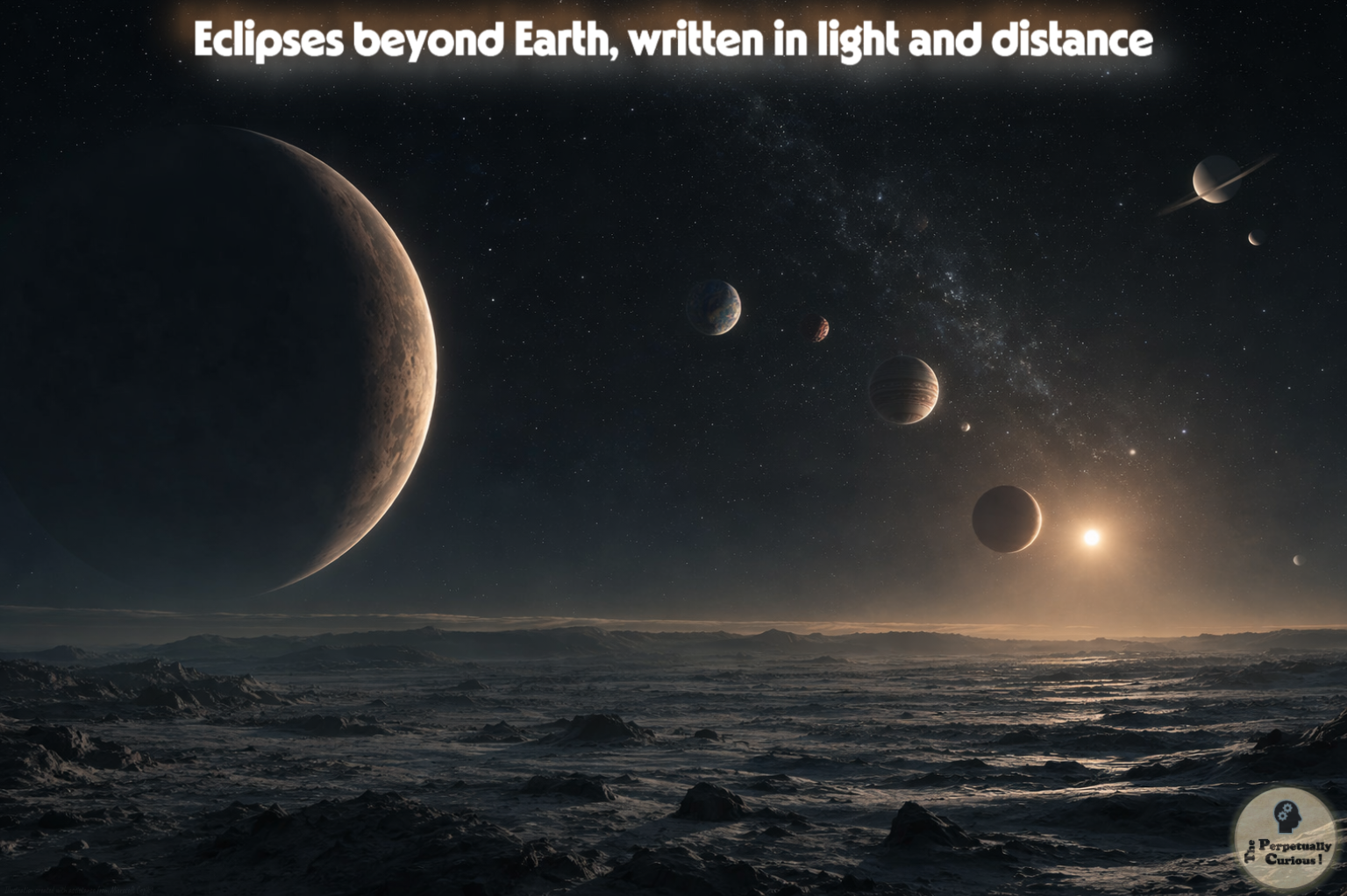
🌘 Eclipses Across the Solar System: When Shadows Travel
From section: Atmosphere, rings, and distanceThe shadow is never only darkness.
- The Perpetually Curious! › Archives › Cosmic ExplorationArticle
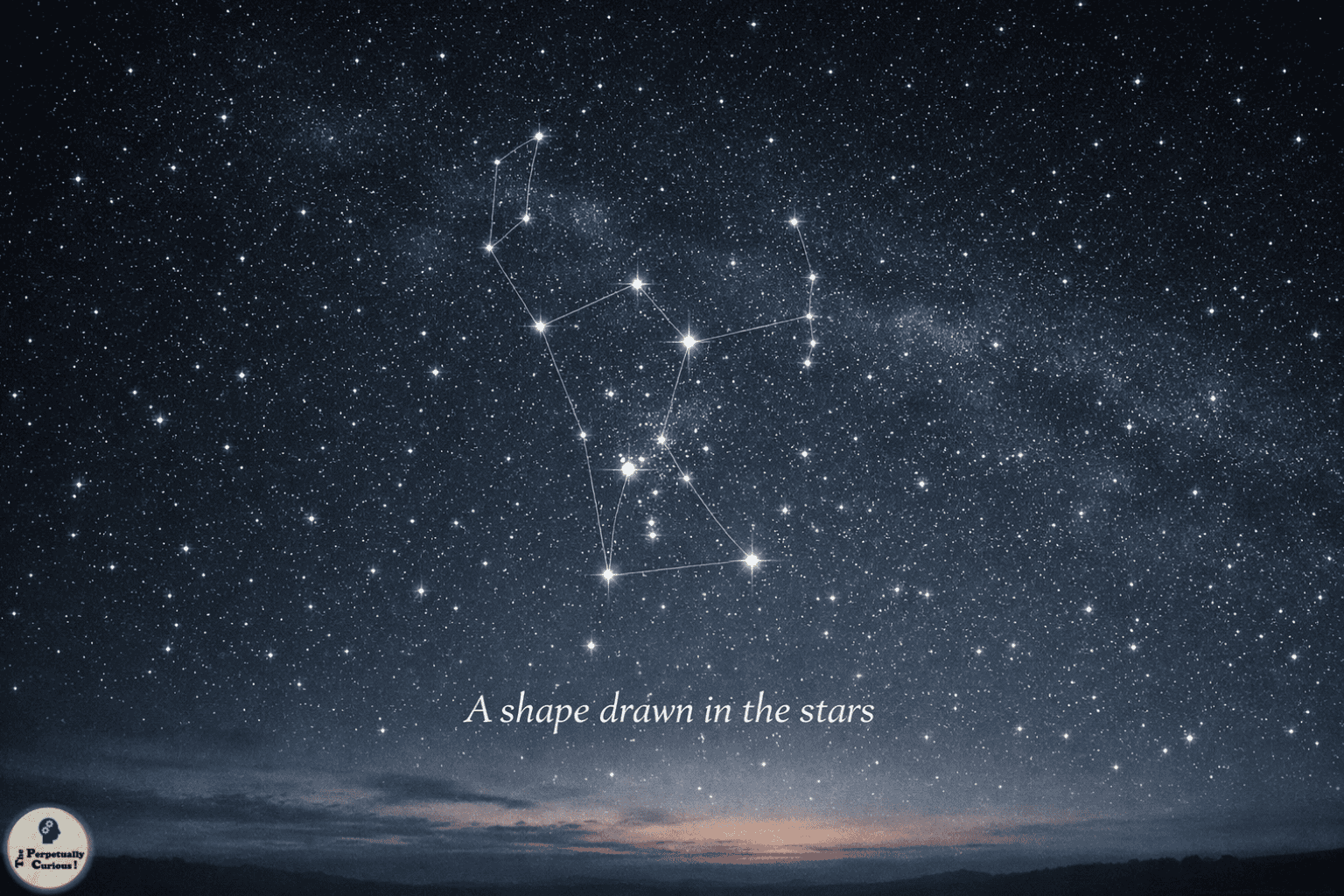
🌌 Constellations: How Star Patterns Help Us Find Our Way
From section: Why orientation needs memoryHere, the focus stays with the first act of recognition: seeing a pattern, remembering it, and using it to find a way through darkness.