Explore by topic, question, or idea. Find articles, reflections, videos, puzzles, and curiosity pathways gathered across the site.
Press Enter or select Search. A newly typed query starts globally; filters are applied only through the visible rail.
122 results for “trees that drink the sky how certain species shape water and land in south india”
- The Perpetually Curious! › Archives › Planet EarthArticle
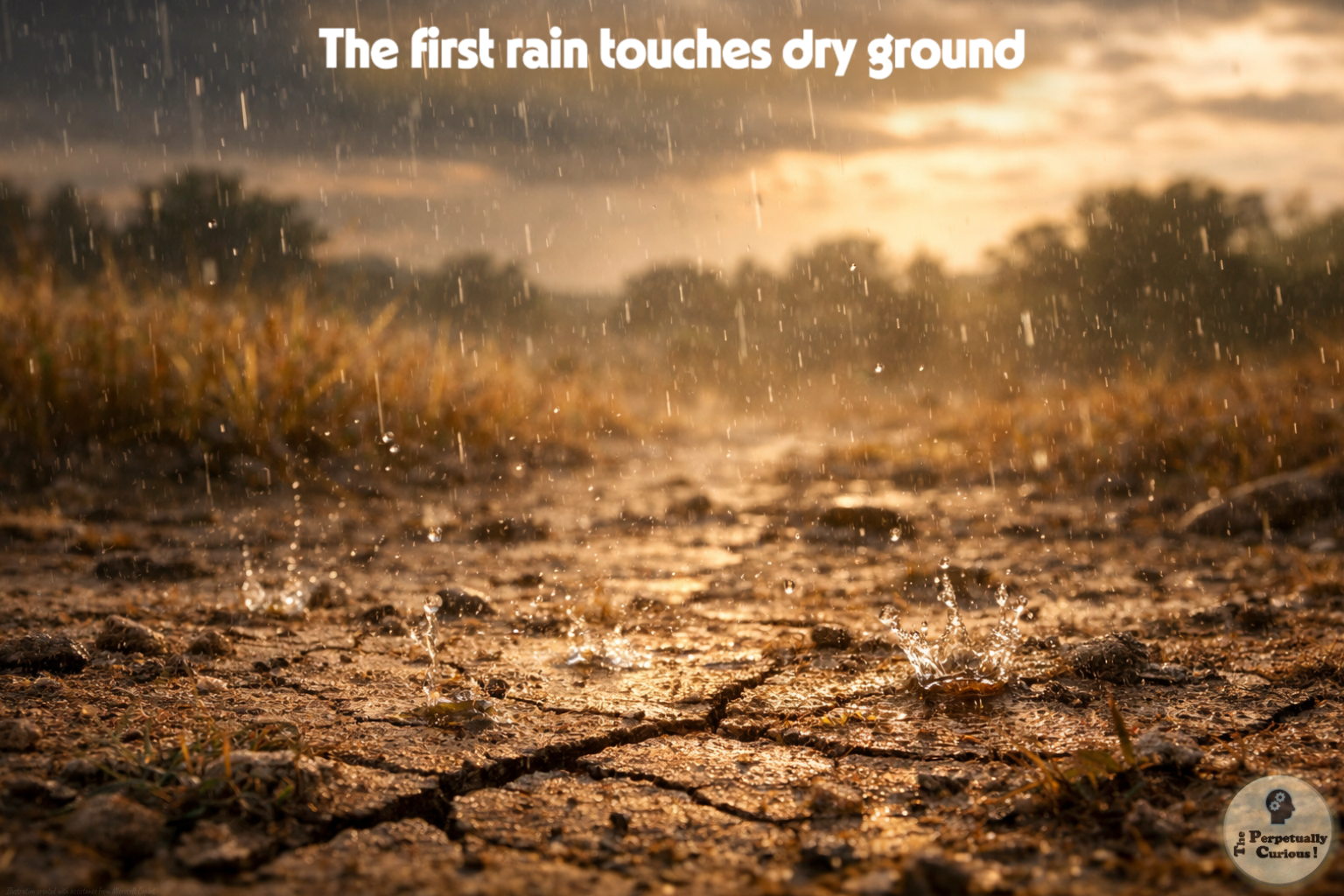
🌧️ Petrichor: How First Rain Lifts Earth’s Hidden Scent
From section: A meeting of water, ground, and memorySmell is closely tied to memory and emotion, so a brief rise of earthy air can recall childhood monsoons, garden paths, summer storms, or the relief of dry land receiving water again.
- The Perpetually Curious! › Archives › Planet EarthArticle
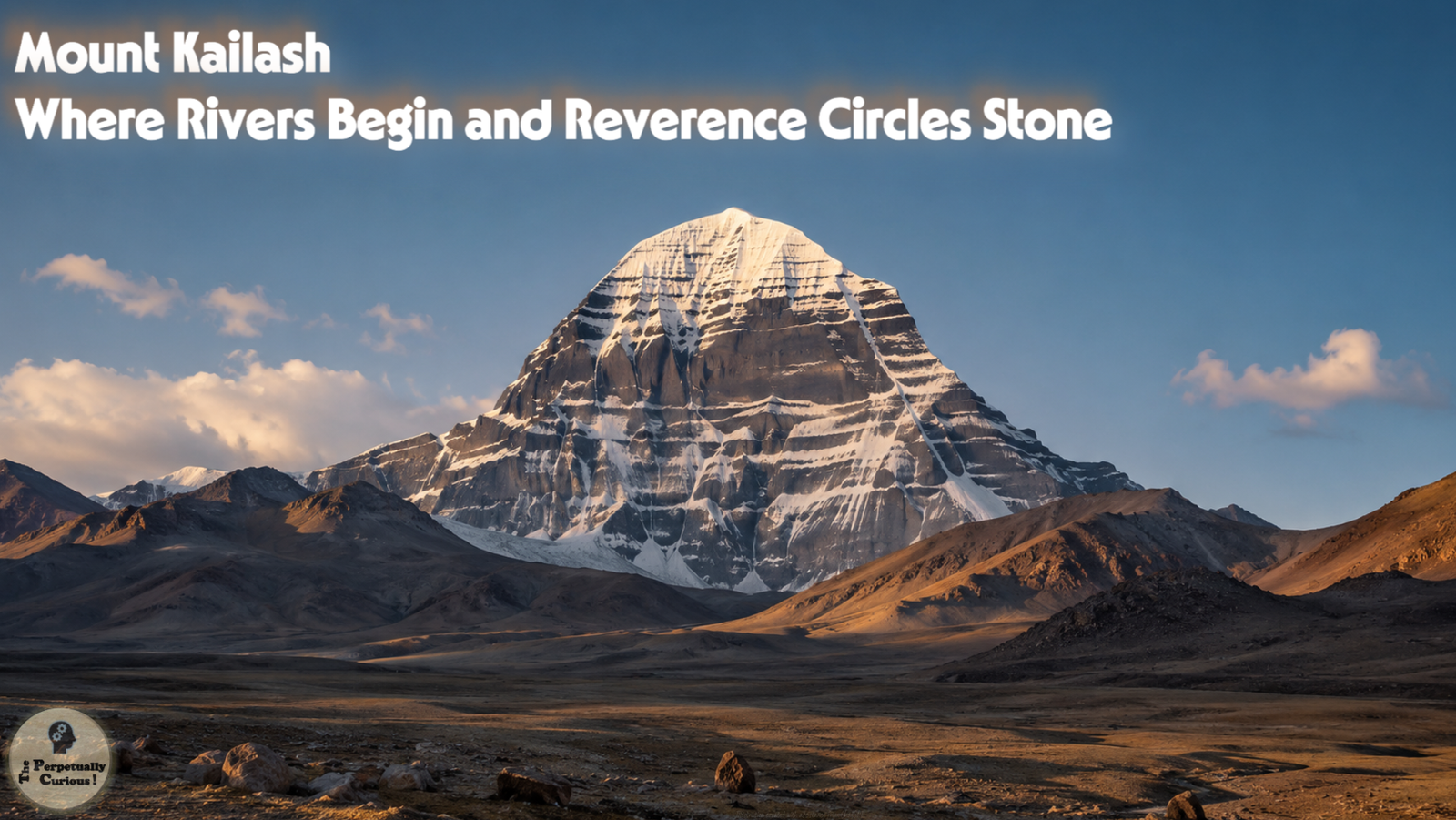
🏔️ Mount Kailash: Why a Sacred Summit Is Circled, Not Climbed
Mount Kailash is often described through reverence, but its power begins with geography. On the western Tibetan Plateau, the mountain rises as a sharply recognizable summit of snow, dark rock, and open sky. It is high, about 21,778 feet (6,638 meters), yet its significance does…
- The Perpetually Curious! › Archives › PhysicsArticle
🌫️ How Radar Listens to the Sky: The Quiet Science Behind the Sweep
A radar dish turning slowly against the horizon often feels like a quiet sentinel, listening for stories carried on invisible waves. Although the technology is rooted in physics and engineering, its practice has a quiet elegance, as radar sends brief pulses of energy into the…
- The Perpetually Curious! › Archives › Planet EarthArticle
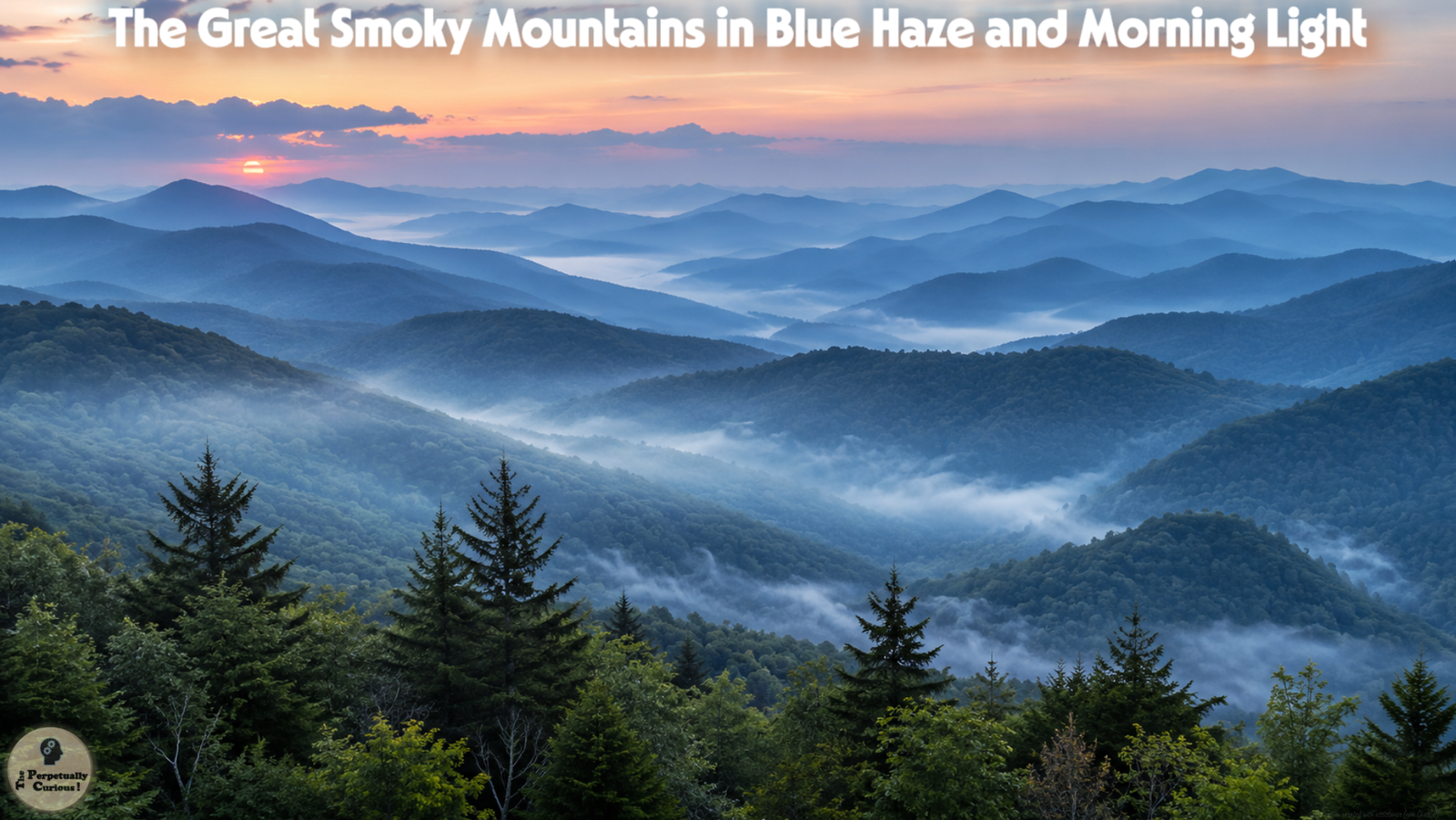
🌫️ Why the Great Smoky Mountains Fade into Blue Haze
The effect is one of the region's defining sights, but the name “Smoky” begins with a quiet interaction among trees, moisture, airborne particles, and sunlight.
- The Perpetually Curious! › Archives › Wilderness & Homestead CreaturesArticle
🌍 African Wildlife and Landscapes: A Heritage of Beauty and Balance
These environments form a living record of natural history, where beauty and dynamic ecological functioning emerge from interactions among climate, landforms, water, and the species that inhabit them.
- The Perpetually Curious! › Archives › Cosmic ExplorationArticle
🔭 The Ten Largest Moons in Our Solar System: A Journey Through Worlds of Ice, Fire, and Hidden Oceans
To explore the ten largest moons is to follow a path through the outer solar system, where ice and rock shape worlds that are both familiar and profoundly alien.
- The Perpetually Curious! › Archives › Engineering & TechnologyArticle
✈️ The Engineering Mastery Behind Airplane Washrooms: Innovation and Sustainability at High Altitudes
From section: ❓ FAQDo airplane toilets dump waste in the sky? No. Airplane toilets store all waste in secure, leak‑proof holding tanks. These tanks are emptied only after landing by trained ground crews following strict hygiene and environmental standards.
- The Perpetually Curious! › Archives › MathematicsArticle
⚡ The Curve That Seemingly Defies Gravity: The Brachistochrone and the Fastest Path Down
Gravity pulls everything straight down. Or so it seems. Drop a stone and it falls vertically. Pour water and it seeks the most direct path downhill. Our intuition tells us that the shortest route is always the fastest.
- The Perpetually Curious! › Archives › Cosmic ExplorationArticle
🌍 Why Earth Has a Living Atmosphere
A Cosmic Story of Gravity, Distance, and the Long Evolution of Air 🔭 Opening the Question Every planet carries a story in the sky above it. Some worlds hold thick blankets of gas, others keep only a faint whisper, and many have none at all.
- The Perpetually Curious! › Archives › Wilderness & Homestead CreaturesArticle
Where Rivers Meet the Sea: The World of Bull Shark Habitats 🦈
In July 1916, a series of shark attacks shocked New Jersey, including fatal encounters in Matawan Creek, 16 miles (26 kilometers) from the ocean. While debate continues about the exact species responsible, these incidents introduced the world to a possibility that defied…