Explore by topic, question, or idea. Find articles, reflections, videos, puzzles, and curiosity pathways gathered across the site.
Press Enter or select Search. A newly typed query starts globally; filters are applied only through the visible rail.
74 results for “when a breath becomes a yawn why we yawn and what this quiet reflex may reveal”
- The Perpetually Curious! › Archives › Food & LifestyleArticle
🌾 From Seed to Shimmering Skillet: The Quiet Science of Cooking Oils
A bottle of cooking oil often appears simple and familiar, yet its journey from seed to liquid light is far more intricate than its calm surface suggests. Inside every seed lies a quiet reservoir of stored energy, a compact promise of future growth.
- The Perpetually Curious! › Archives › Botanical WondersArticle
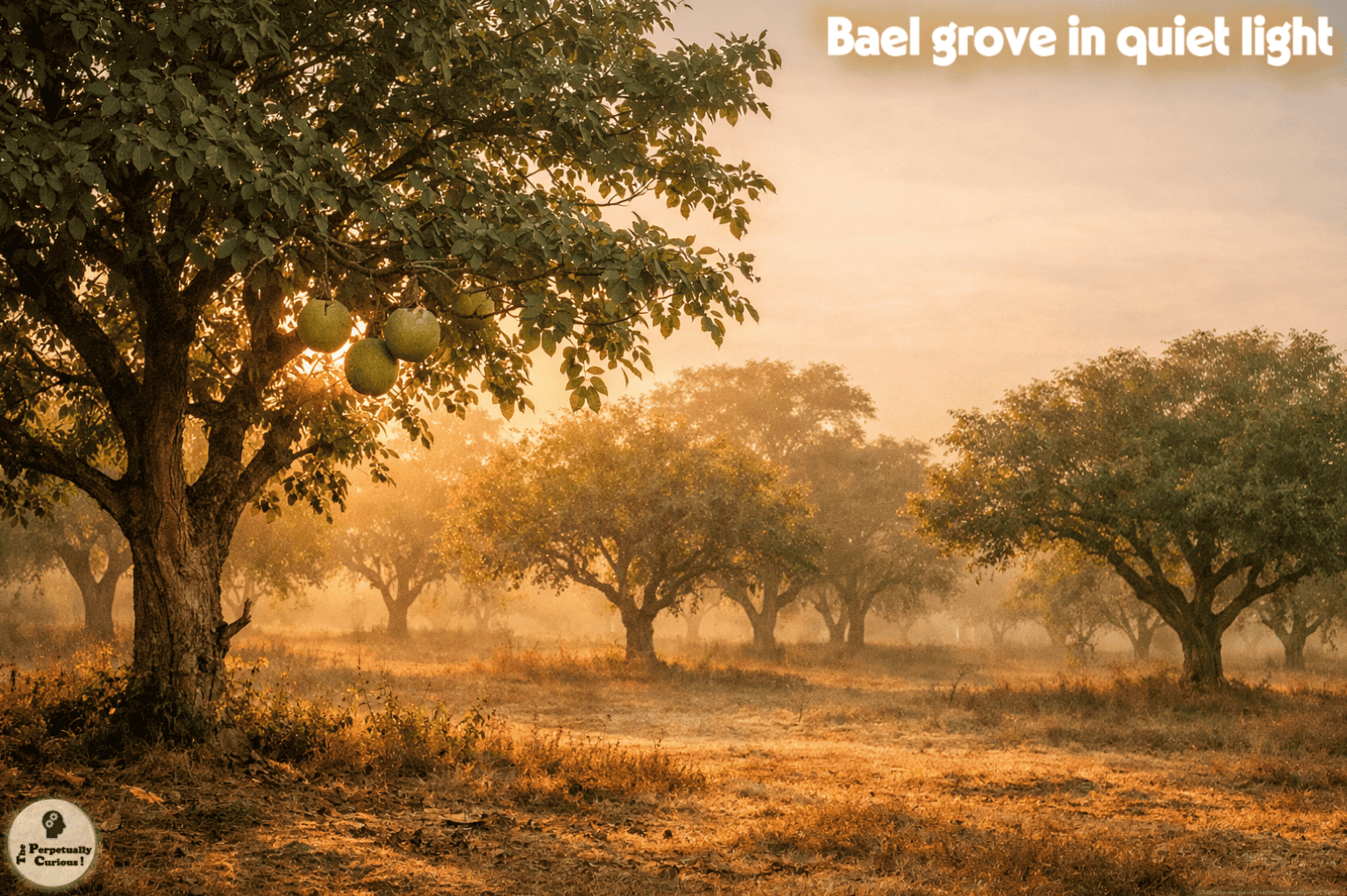
🍃 Bael Tree: Quiet Resilience in Leaf and Fruit
From section: Where ecology becomes heritageWhere ecology becomes heritage Bael also depends on small ecological relationships.
- The Perpetually Curious! › Archives › Biology & HealthArticle
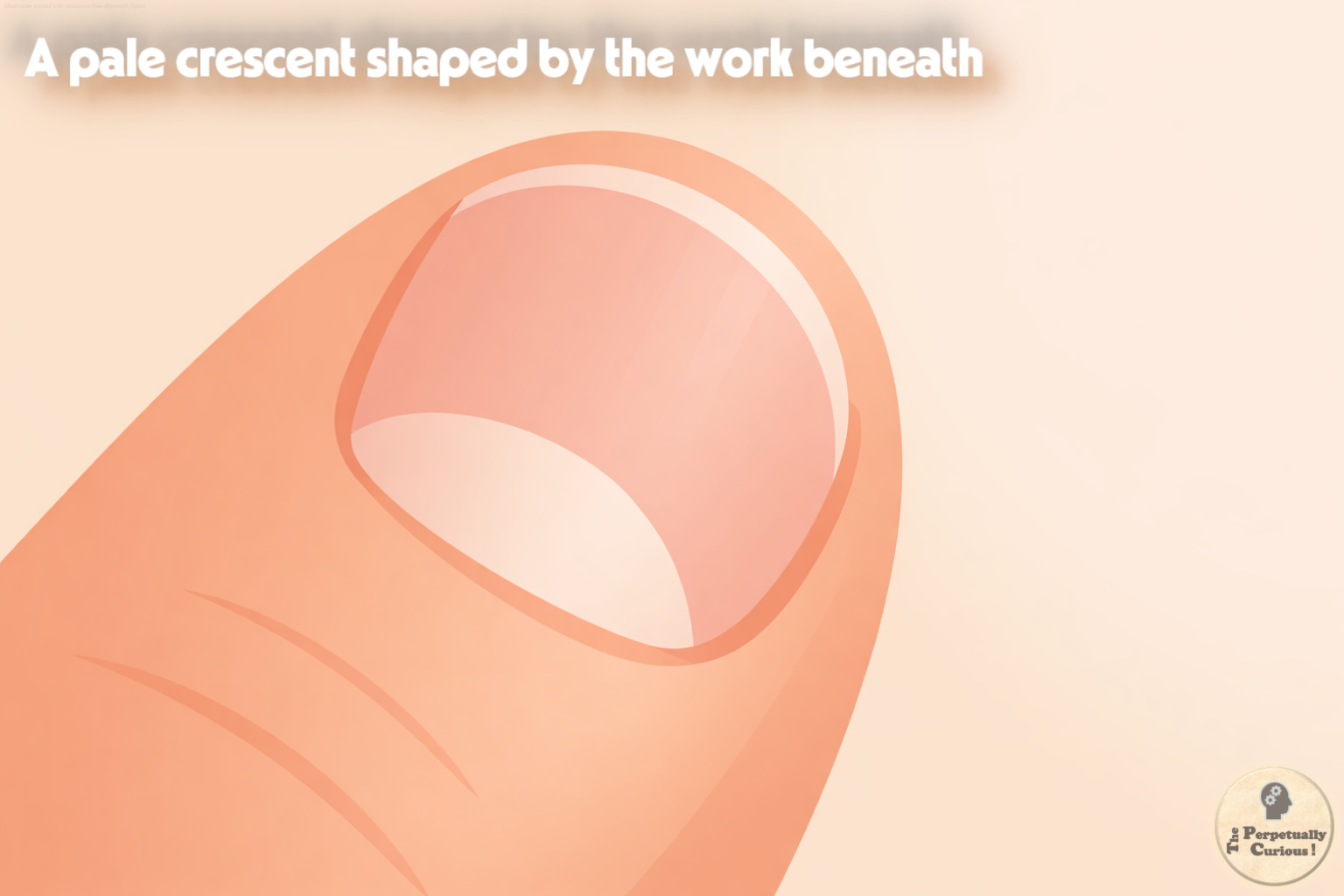
🌙 White Half Moon on Nails: The Quiet Growth Zone Beneath
From section: Why the thumb often shows it bestThe lunula belongs to the broader world of visible body patterns, where small features can reveal how tissues grow, fold, protect, and respond over time.
- The Perpetually Curious! › Archives › PhysicsArticle
🌫️ How Radar Listens to the Sky: The Quiet Science Behind the Sweep
A radar dish turning slowly against the horizon often feels like a quiet sentinel, listening for stories carried on invisible waves. Although the technology is rooted in physics and engineering, its practice has a quiet elegance, as radar sends brief pulses of energy into the…
- The Perpetually Curious! › Archives › PhysicsArticle
❄️⚡ The Peltier Effect: When Electricity Becomes Heat Flow
🌍 Introduction In 1834, French physicist Jean‑Charles‑Athanase Peltier revealed a direct way to control heat flow using electricity. When an electric current passes through the junction of two dissimilar conductors, one side becomes cooler while the other becomes warmer.
- The Perpetually Curious! › Archives › PhysicsArticle
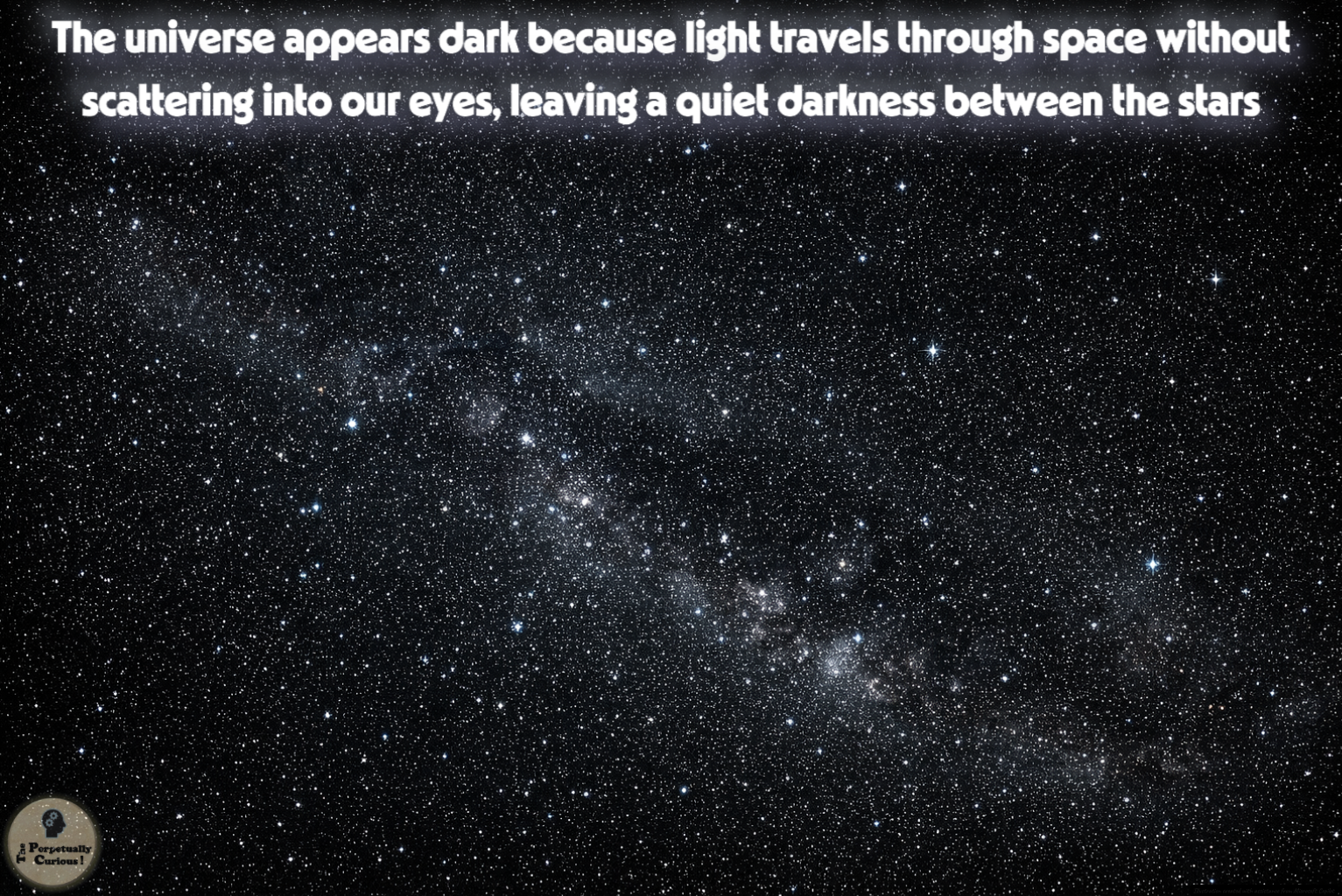
🌌 Why Space Looks Dark: Light, Matter, and the Quiet Cosmos
From section: How light becomes visibleHow light becomes visible Light becomes visible to us when it enters the eye from a source, a reflective surface, or a glowing object.
- The Perpetually Curious! › Archives › Botanical WondersArticle
🌿 How Plants Tell Time: The Quiet Clocks That Shape the Living World
This quiet precision hints at an internal sense of time.Read more »
- The Perpetually Curious! › Archives › Biology & HealthArticle
When Time Becomes the Enemy: Understanding Parkinson's and Alzheimer's Through Temporal Disruption 🕰️
James Parkinson, who in 1817 described the “shaking palsy,” a condition in which the brain’s timing and sequencing of movement becomes increasingly impaired.
- The Perpetually Curious! › Archives › Biology & HealthArticle
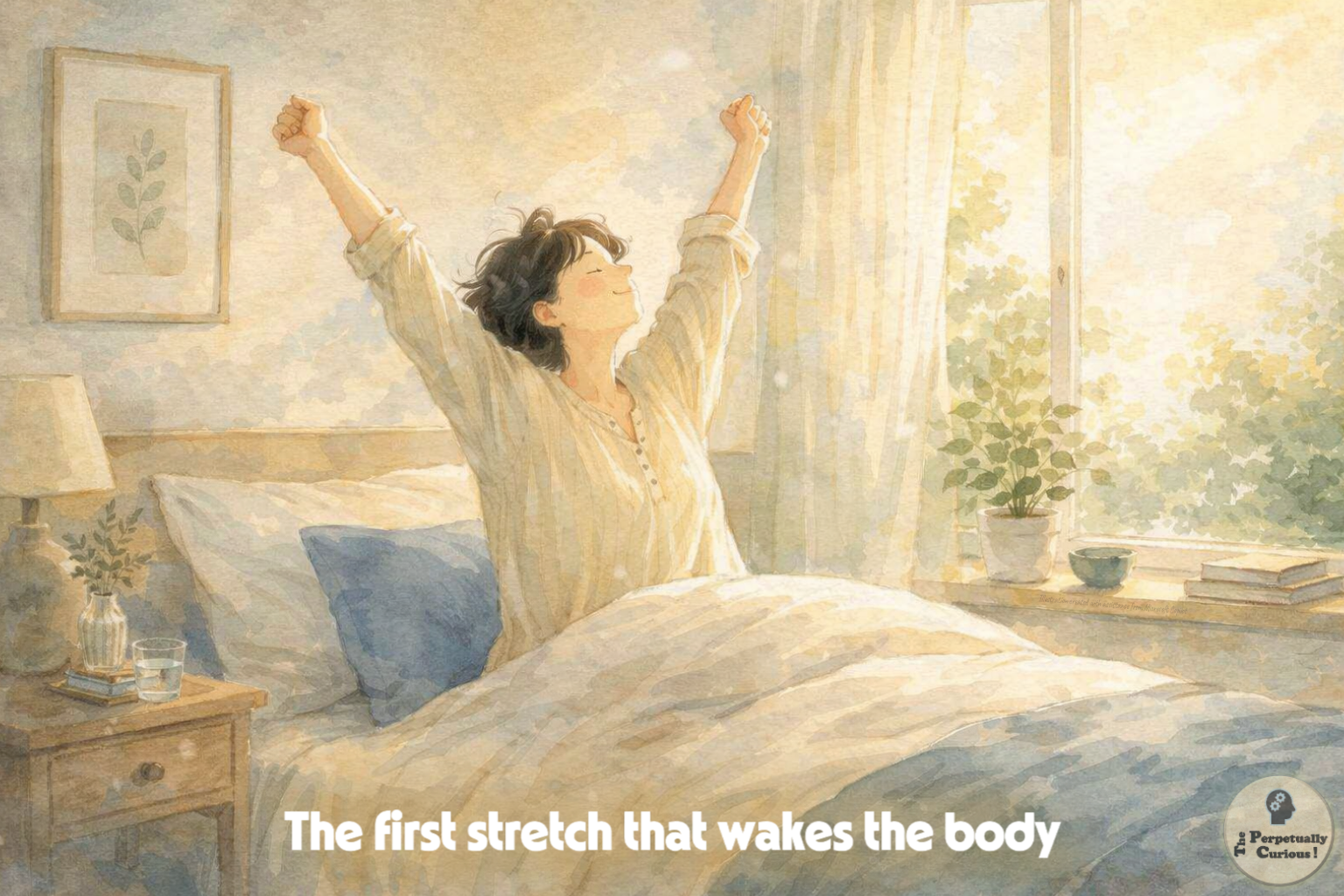
🌅 Pandiculation: How the Waking Stretch Restores Body Awareness
From section: A movement that sends information inwardThe larger main-site treatment carries the reflex into circadian timing, early development, animal behavior, and cultural language; those surrounding layers reveal how widely this small gesture is woven through biology and experience.
- The Perpetually Curious! › Archives › PhysicsArticle
🌍 When Worlds Pull: Gravity Across the Planets and What It Reveals About Them
Gravity is the quiet sculptor of the cosmos. It shapes the paths of planets, guides the drift of moons, and anchors every step taken on the surface of a world. When we compare gravity across the Solar System, we begin to see how each planet carries its own gravitational signature.