Explore by topic, question, or idea. Find articles, reflections, videos, puzzles, and curiosity pathways gathered across the site.
Press Enter or select Search. A newly typed query starts globally; filters are applied only through the visible rail.
74 results for “when a breath becomes a yawn why we yawn and what this quiet reflex may reveal”
- The Perpetually Curious! › Archives › Cosmic ExplorationArticle
Where the Solar System Whispers Its Secrets: A Journey to the Kuiper Belt 🌌
Beyond Neptune's azure gaze lies a realm where sunlight becomes memory and ice sculptures orbit in eternal twilight. The Kuiper Belt, stretching from approximately 2.8 billion to 4.6 billion miles (4.5 to 7.4 billion kilometers) from our Sun, harbors more than distant worlds of…
- The Perpetually Curious! › Archives › Cosmic ExplorationArticle
☀️ Solar Eclipses Explained: The Dance of Shadow and Light
Solar eclipses are among the most captivating events in the sky. They reveal how a rare alignment of Sun, Moon, and Earth can transform the ordinary daylight landscape into something unfamiliar and striking. Daylight softens, shadows sharpen, and the familiar world takes on a new character.
- The Perpetually Curious! › Archives › Planet EarthArticle
🌊 Harbor Wave, Ocean Pulse: The Science of Tsunamis from Seafloor to Shore
Some ocean hazards announce themselves with wind, foam, and a rising sky. A tsunami often does not. Far from shore, it may pass as a long, subtle lift, more like a slow breath than a breaking wave. Even the word “wave” can mislead, because a tsunami is not simply the surface…
- The Perpetually Curious! › Archives › Cosmic ExplorationArticle
🌌 The Cosmic Silence: Unraveling the Fermi Paradox in an Age of Discovery
In 1950, physicist Enrico Fermi posed a question that still feels disarmingly direct: “Where is everybody?” It was not a claim about what must exist, but a moment of clear reasoning in a universe that seems generous with stars and unexpectedly quiet with replies.Read more »
- The Perpetually Curious! › Archives › PhysicsArticle
🔬 The Light That Sees Through You: How X-Rays Illuminate the Hidden World Within
On the evening of November 8, 1895, a quiet laboratory in Würzburg, Germany, became the setting for one of science's most luminous accidents. Wilhelm Conrad Röntgen, a methodical and deeply curious physicist, had been experimenting with cathode ray tubes, which were sealed glass…
- The Perpetually Curious! › Archives › Wilderness & Homestead CreaturesArticle
🦜 More Than a Tongue: The Surprising Science of Why Animals Cannot Talk
Language is so woven into human life that it is easy to forget how unlikely it is. Across millions of animal species, only one lineage learned to shape breath into words, to give sound the weight of meaning, and to speak.
- The Perpetually Curious! › Archives › Wilderness & Homestead CreaturesArticle
🐻 Eight faces of the bear: A journey through the Ursidae family
Eight species, one family, countless stories of survival and symbolism 🌍 Introduction Bears have always loomed large in our imagination. They are the shaggy giants of fairy tales, the fierce guardians of wilderness, and the quiet foragers who slip through forests when no one is watching.
- The Perpetually Curious! › Archives › Wilderness & Homestead CreaturesArticle
🦈 Scars That Speak: Shark Survival Stories Etched in Skin
Introduction 🌊 Every scar on a shark tells a story, each a record as unique as the path that shark has traveled through its environment. These marks are not just wounds. They are survival records that reveal the hidden dramas of the ocean.
- The Perpetually Curious! › Archives › Environment & SustainabilityArticle
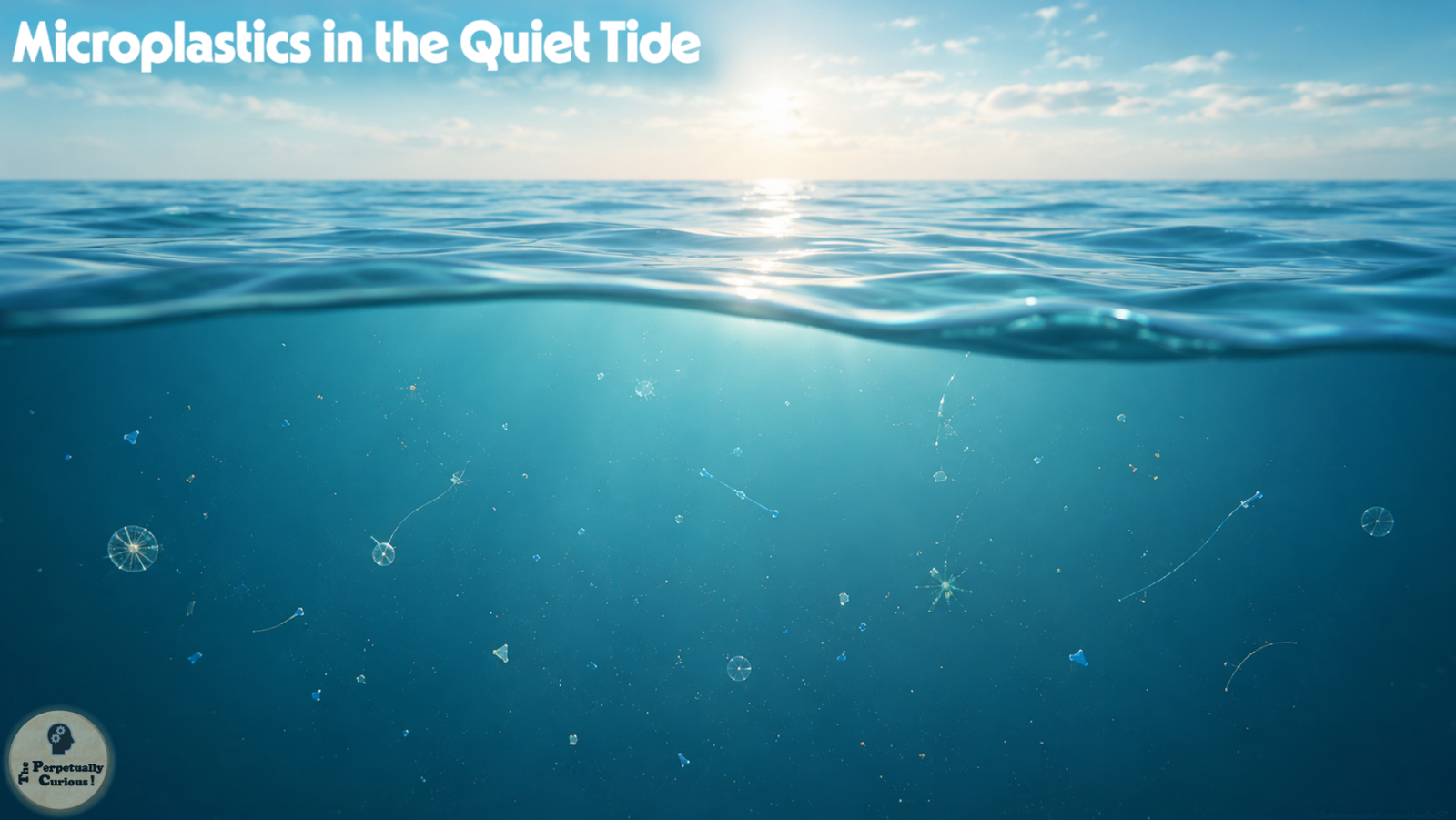
🌊 Microplastics in the Ocean: How Tiny Fragments Travel
From section: A small material with a long routeCoastal litter can weather in sun and surf until it becomes small enough to move like suspended grit.
- The Perpetually Curious! › Archives › Cosmic ExplorationArticle
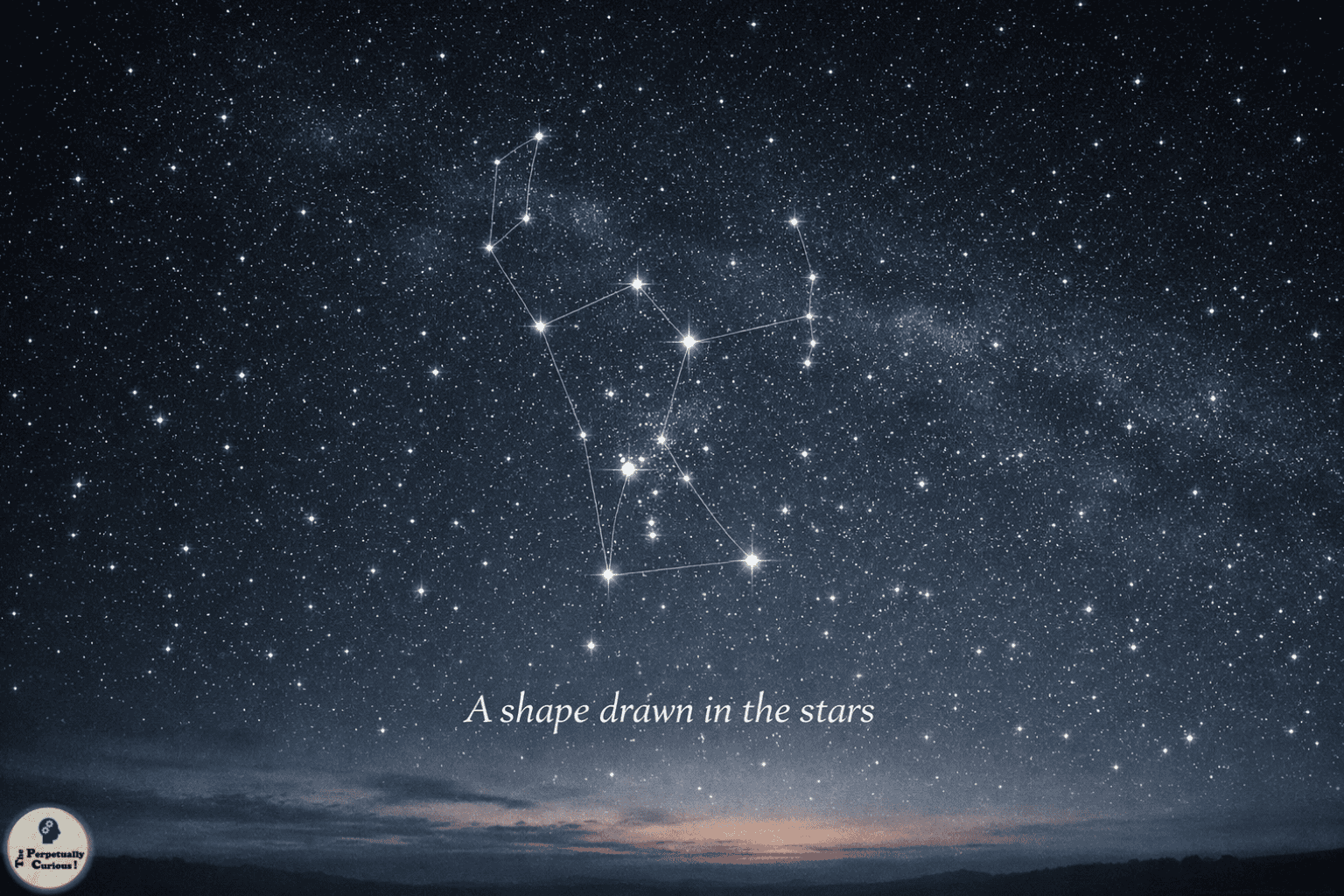
🌌 Constellations: How Star Patterns Help Us Find Our Way
From section: The quiet usefulness of an imperfect patternThey show how people turn perception into knowledge, and how knowledge becomes part of culture.