
Questions, observations, and insights from across The Perpetually Curious!, unfolding into wider patterns of understanding.
Curiosity moves by connection.
The Curiosity Stream brings together source-grounded ideas drawn from fuller explorations across science, nature, history, culture, technology, and everyday life. Each can be encountered on its own while pointing toward the article, reflection, video, or broader exploration from which it emerged.

Henna’s visible color becomes a temporary stain when lawsone binds within keratinized skin and nail tissue. The mark remains with those outer cells until they are naturally shed, which is why the stain gradually fades.

Continue with the full article🌿 When Color Touches Skin: The Story of Henna on the Fingertips
Printing ink is not simply color laid on a page. Colorants, a vehicle-binder system, and additives are formulated to move as a fluid, then settle into a stable mark, turning material behavior into something that can carry memory, instruction, art, or identity.
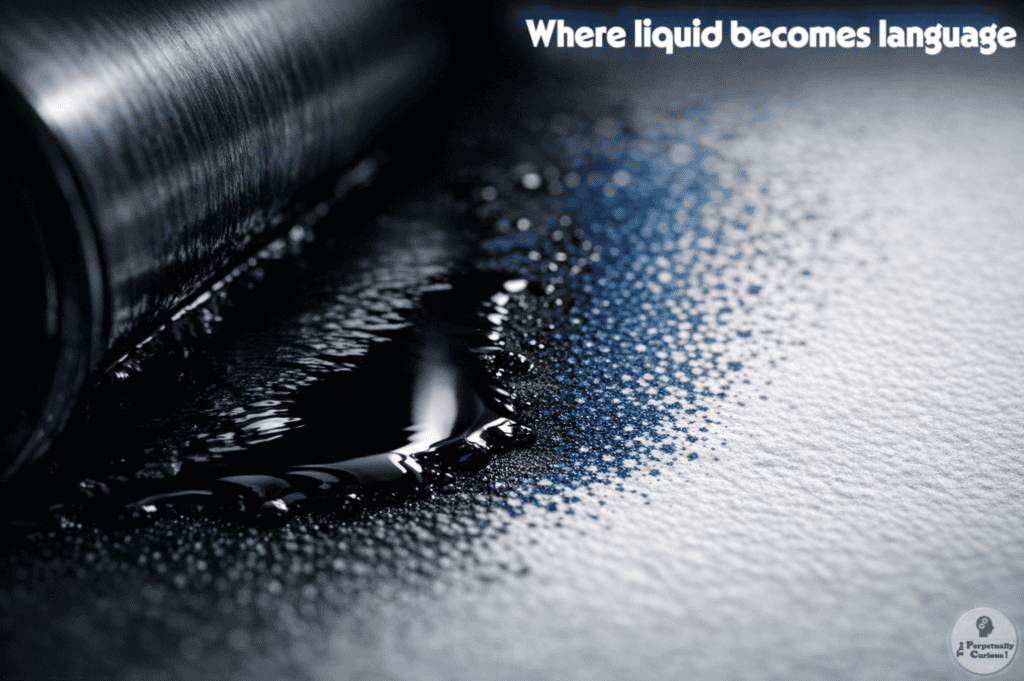
Continue with the full article🖋️ Printing Ink: The Science and Living History Behind the Printed Page
Two people may each drink a cup of coffee without receiving the same caffeine dose. Bean variety, the amount of ground coffee, brewing conditions, and serving size shape what enters the body. The first difference can lie in the drink itself, before their responses diverge.
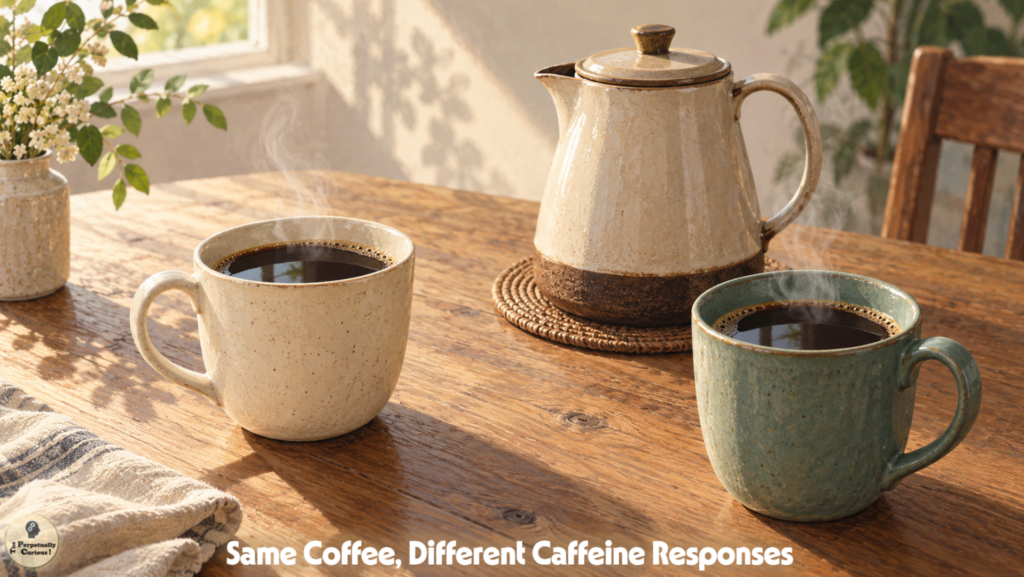
Continue with the full article☕ The Molecular Democracy: Why Coffee Affects People Differently
Two neighboring trees can meet the same autumn weather and still turn different colors. As chlorophyll declines, existing carotenoids can show through as gold, while leaves of some species that turn red make new anthocyanins during senescence.

Continue with the full article🍁 When Leaves Let Go: Why Autumn Colors Turn Red, Gold, and Brown
At the brain’s smallest vessels, circulation follows different rules. Endothelial cells form a selective border that lets blood nourish neural tissue without mingling freely with it. The same protection can limit medicines meant to help.
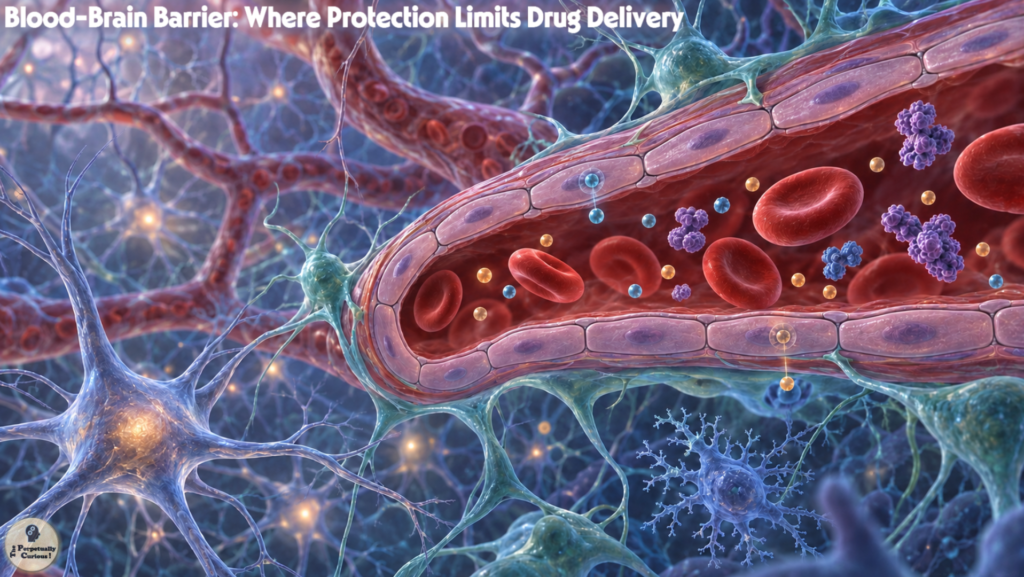
Continue with the full article🧠 The Brain’s Guarded Border: How the Blood-Brain Barrier Protects Us and Complicates Treatment
Inside an incandescent bulb, electrical resistance heats a thin tungsten filament until it emits visible light. The familiar glow depends on a small, controlled environment where metal, gas, glass, and current work together.
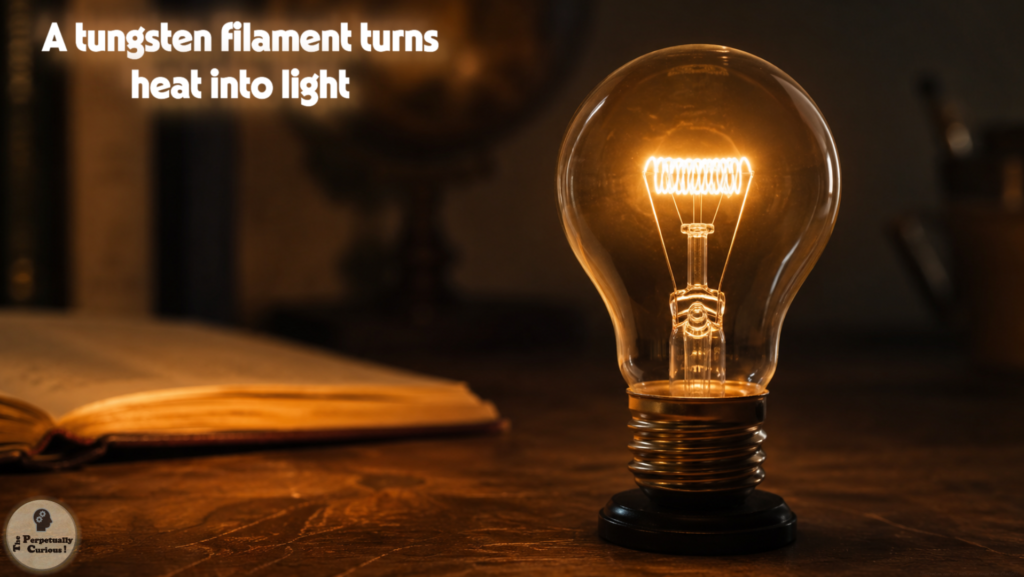
Continue with the full article💡 Listening to Matter When It Learns to Glow: How an Incandescent Light Bulb Works
Rivers are not free of salt. They carry dissolved ions from rock, but flowing water usually moves those ions onward. In the ocean, evaporation removes water while leaving most dissolved ions behind, helping explain why the sea is salty while many rivers and lakes remain fresh.
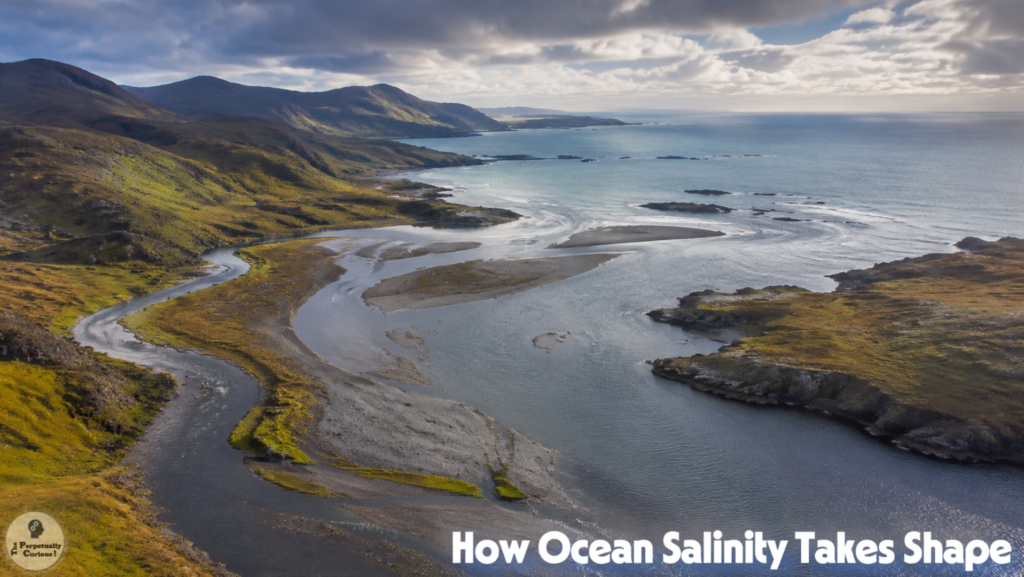
Continue with the full article🌊 Where the Salt Stays: Why the Ocean Is Salty but Rivers and Most Lakes Are Fresh
Radio astronomers first encountered the cosmic microwave background as a persistent hiss arriving from every direction. The signal was relic light released when the universe became transparent, later stretched into microwave wavelengths as space expanded.
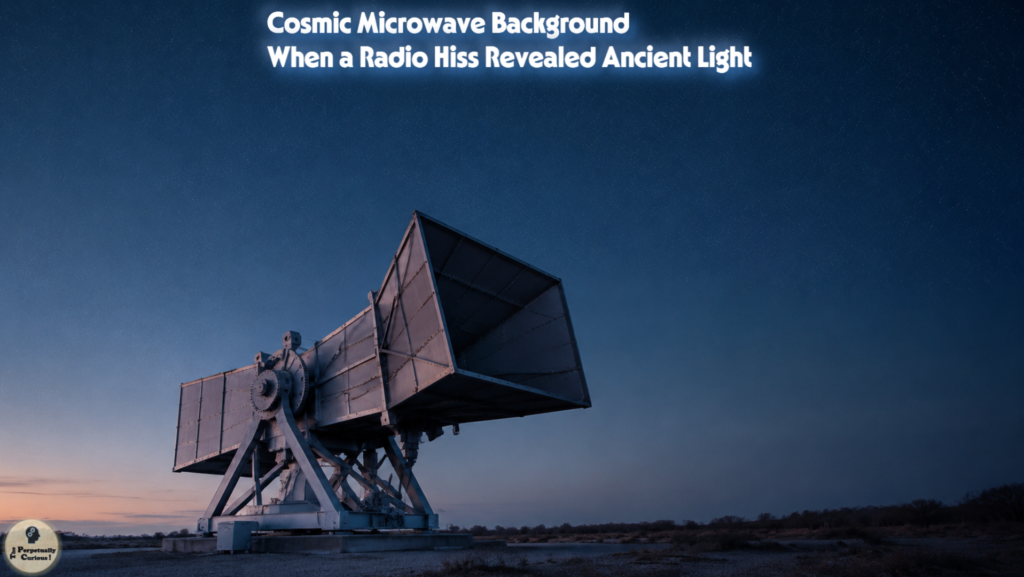
Continue with the full article🌌 The Universe’s Ancient Whisper: Decoding the Cosmic Microwave Background
Clouds do not rain simply because they contain water. Their droplets or ice particles can remain suspended while they are still too small to descend; rain begins only when some grow beyond that suspended state and become large enough to fall.

Continue with the full article🌧️ When Clouds Let Go: Why It Rains and How Raindrops Are Born
Similar climates can host very different leaf shapes because no leaf begins from a blank page. Lineage sets the inherited possibilities, while development and environment shape how those possibilities appear in the living world.
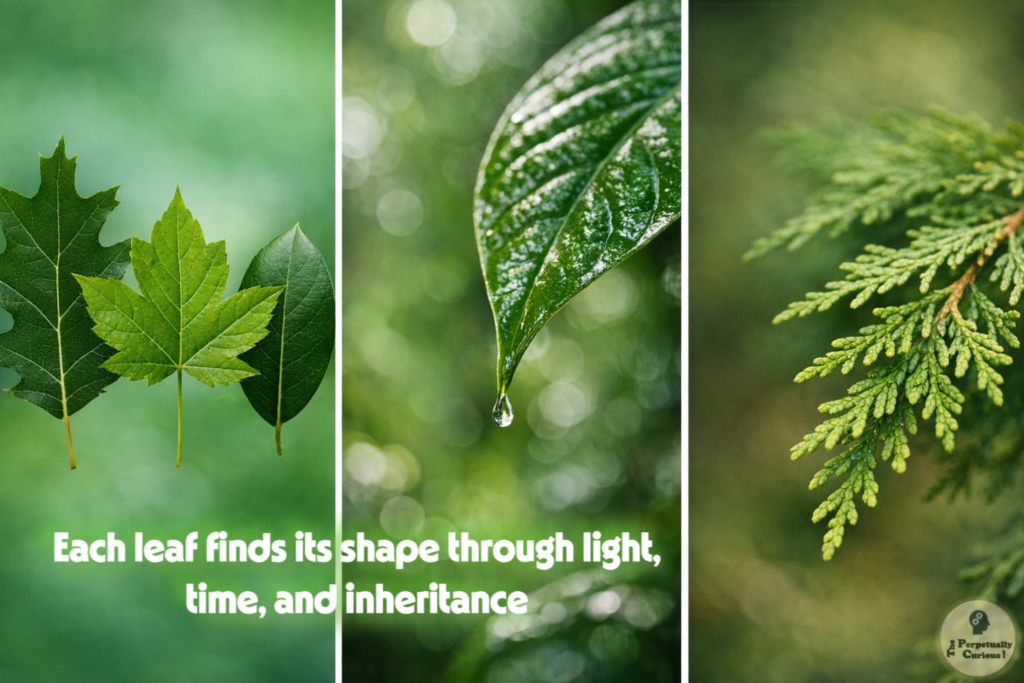
Continue with the full article🌱 Why Leaves Have Different Shapes: The Science Behind Nature’s Geometry