Explore by topic, question, or idea. Find articles, reflections, videos, puzzles, and curiosity pathways gathered across the site.
Press Enter or select Search. A newly typed query starts globally; filters are applied only through the visible rail.
94 results for “animals meet the molecules around them”
- The Perpetually Curious! › Archives › Wilderness & Homestead CreaturesArticle
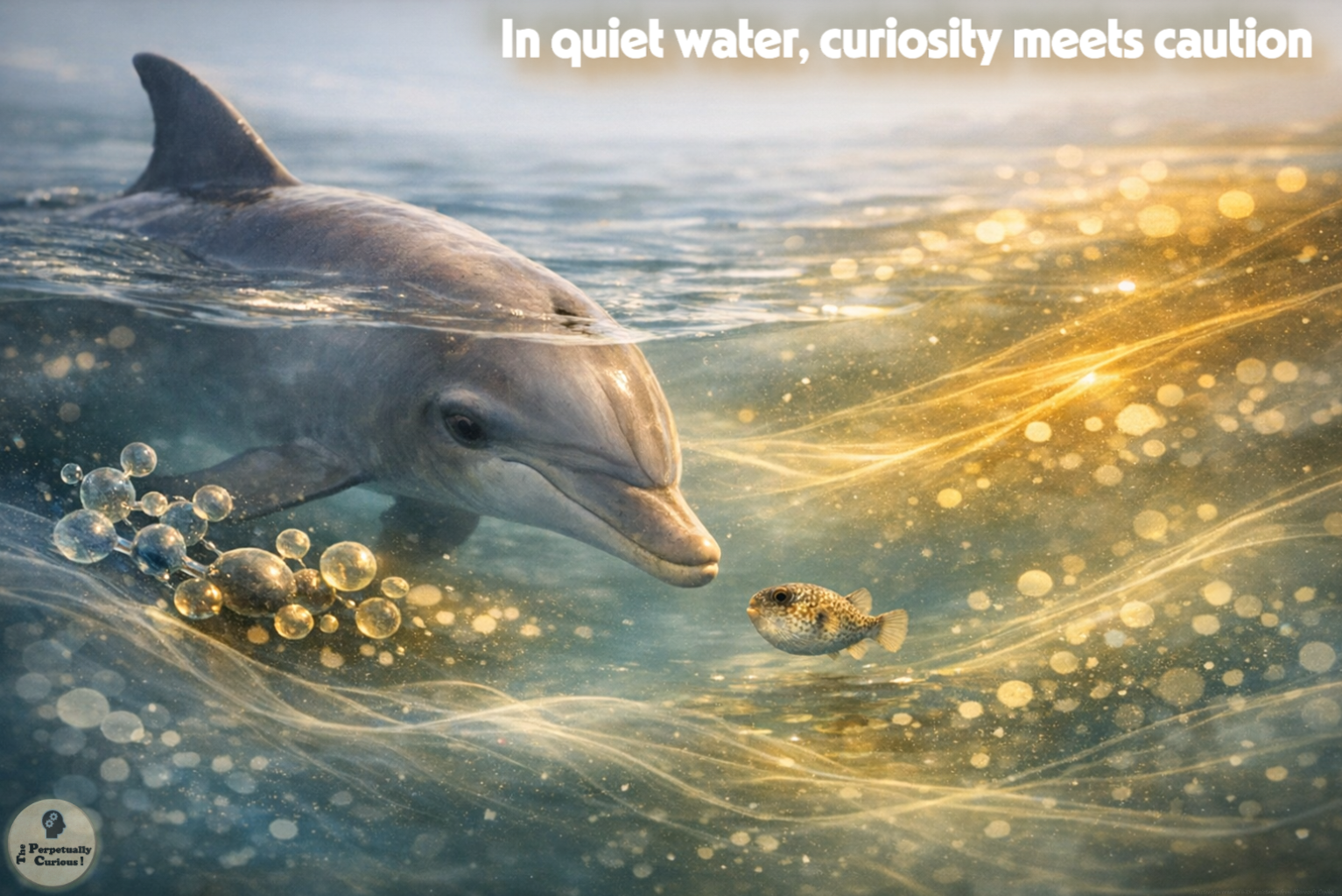
🧪 Animal Chemical Encounters: When Molecules Shape Behavior
From section: When chemistry becomes part of behaviorMany species meet the world through molecules that mark food, danger, territory, readiness to breed, or the presence of another organism.
- The Perpetually Curious! › Archives › Wilderness & Homestead CreaturesArticle
🦜 More Than a Tongue: The Surprising Science of Why Animals Cannot Talk
Language is so woven into human life that it is easy to forget how unlikely it is. Across millions of animal species, only one lineage learned to shape breath into words, to give sound the weight of meaning, and to speak.
- The Perpetually Curious! › Archives › ChemistryArticle
The Secret Science of Scent: How Perfume Transforms Molecules into Memories 🌸
From section: The Dawn of Fragrance 📜The world's first recorded perfumer, Tapputi-Belatekallim, worked as a palace chemist in Babylon around 1200 BCE, her cuneiform tablets detailing techniques for extracting scents from flowers, oils, and resins that modern perfumers still recognize.Read more »
- The Perpetually Curious! › Archives › Wilderness & Homestead CreaturesArticle
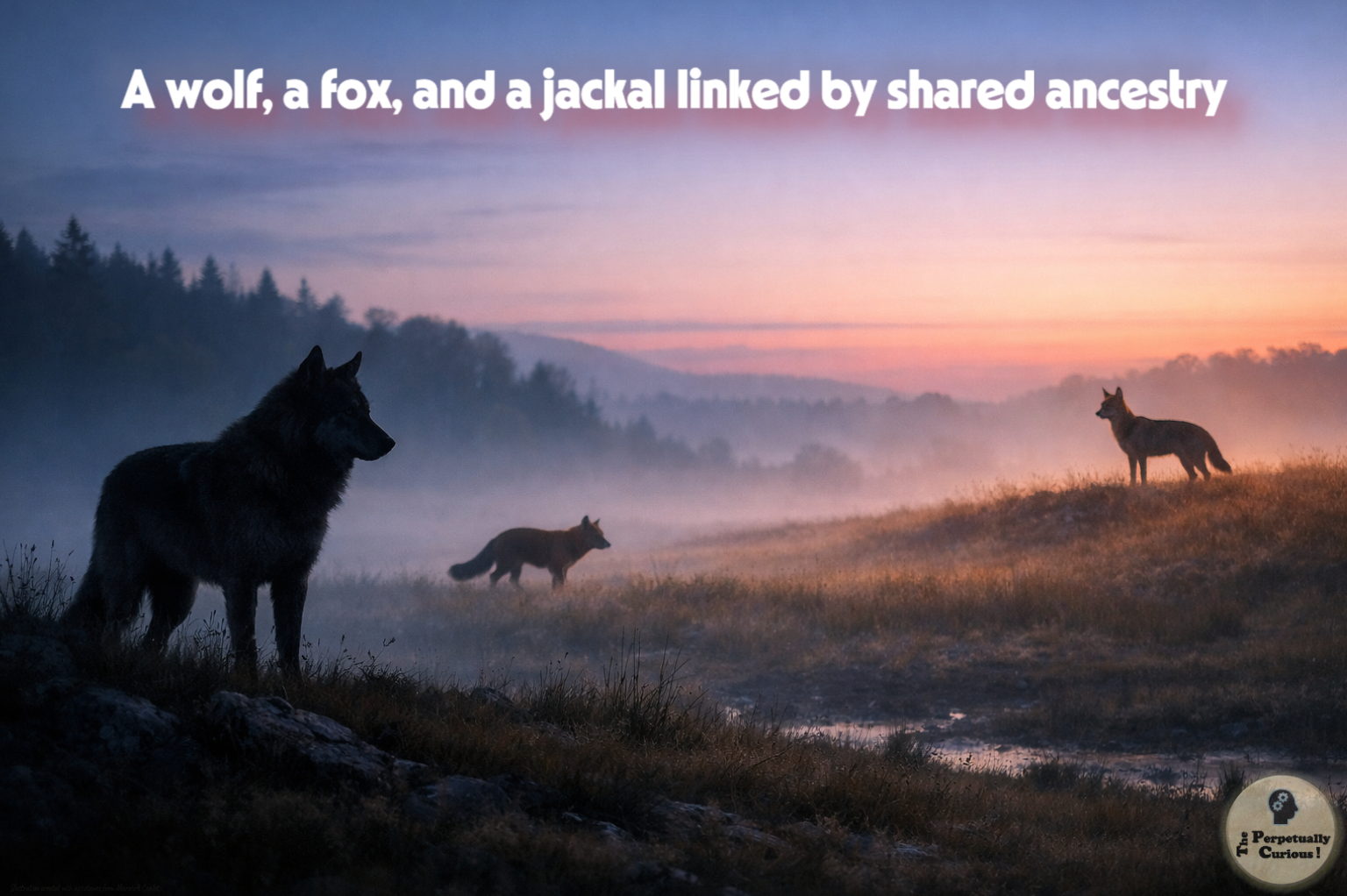
🐾 Wolves, Foxes, and Jackals: One Family, Many Survival Paths
From section: A family blueprint, not a single lifestyleIn another, it favors alert scavenging, pair bonds, and quick decisions around larger predators.
- The Perpetually Curious! › Archives › PhysicsArticle
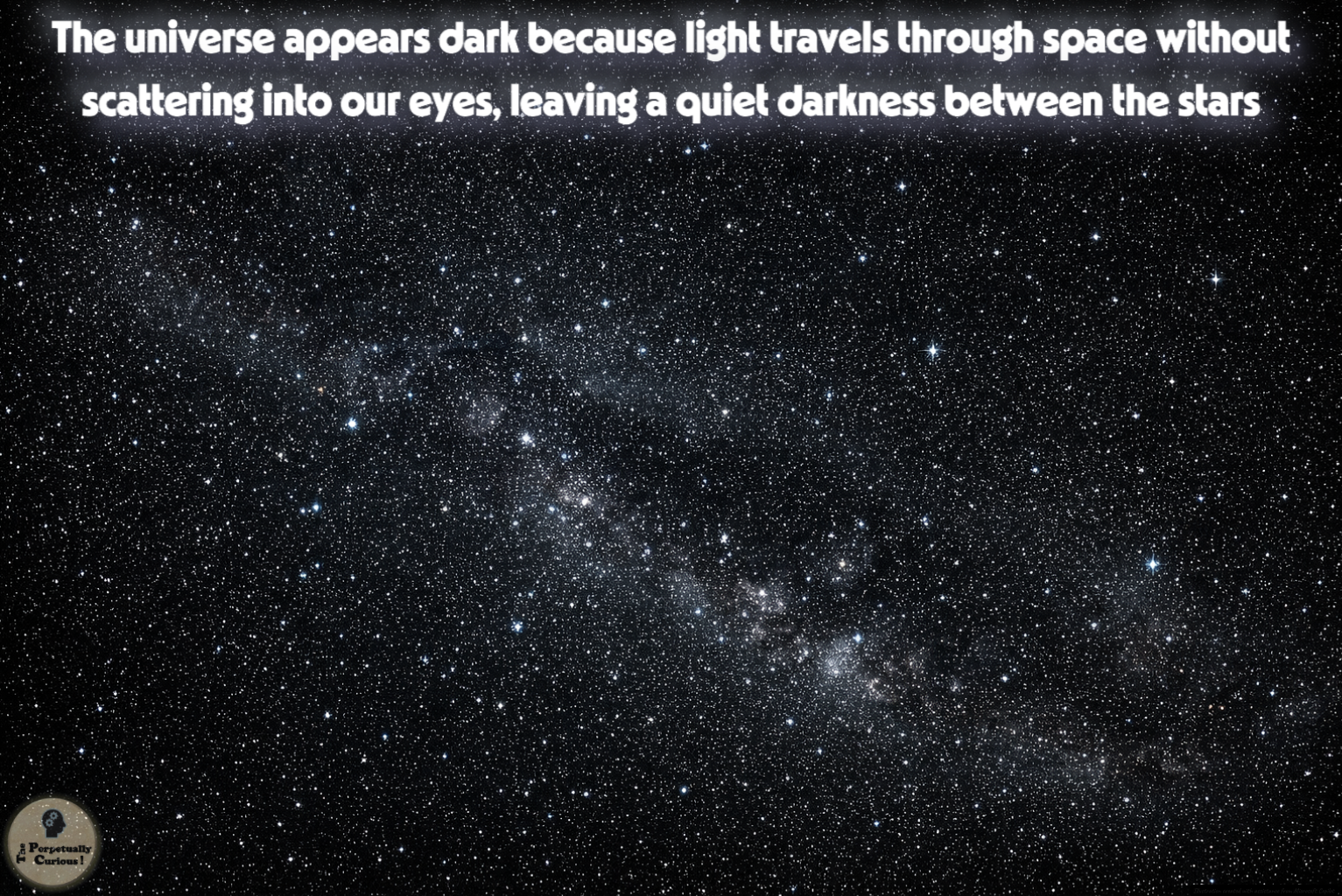
🌌 Why Space Looks Dark: Light, Matter, and the Quiet Cosmos
Space can look surprisingly dark, even in a universe filled with stars. That darkness is not simply the absence of light. It is often the result of how light travels, what it meets, and what it does not meet. On Earth, daylight becomes a bright blue sky because sunlight…
- The Perpetually Curious! › Archives › History, Arts, and CultureArticle
The Living Colors of Tradition: Where Chemistry Meets Cultural Wisdom in Natural Dyes 🎨
The transformation of white cloth into vibrant color represents one of humanity's oldest intersections between science and culture. Long before chemists understood molecular structures and electron orbitals, traditional dyers around the world were conducting sophisticated…
- The Perpetually Curious! › Archives › Wilderness & Homestead CreaturesArticle
Where Rivers Meet the Sea: The World of Bull Shark Habitats 🦈
In July 1916, a series of shark attacks shocked New Jersey, including fatal encounters in Matawan Creek, 16 miles (26 kilometers) from the ocean. While debate continues about the exact species responsible, these incidents introduced the world to a possibility that defied…
- The Perpetually Curious! › Archives › PhysicsArticle
🌍 When Worlds Pull: Gravity Across the Planets and What It Reveals About Them
Gravity is the quiet sculptor of the cosmos. It shapes the paths of planets, guides the drift of moons, and anchors every step taken on the surface of a world. When we compare gravity across the Solar System, we begin to see how each planet carries its own gravitational signature.
- The Perpetually Curious! › Archives › Wilderness & Homestead CreaturesArticle
🌏🦘 Meet the Marsupials
Marsupials are among nature’s most distinctive creatures. Found primarily in Australia and the Americas, they are known for their unusual reproductive strategies, diverse adaptations, and cultural significance.
- The Perpetually Curious! › Archives › PhysicsArticle
✨ Clean Chemistry: The Curious Physics Behind Soap Bubbles
From section: 🧪 Amphiphilic Molecules at WorkBeneath this everyday ritual lies a remarkably elegant story of chemistry and physics, one that transforms simple molecules into bubbles carrying both function and culture. …