Explore by topic, question, or idea. Find articles, reflections, videos, puzzles, and curiosity pathways gathered across the site.
Press Enter or select Search. A newly typed query starts globally; filters are applied only through the visible rail.
94 results for “animals meet the molecules around them”
- The Perpetually Curious! › Archives › Engineering & TechnologyArticle
The Secret Life of Paper: From Forest Time to Human Memory 📜
From section: The Ancient Dance of Molecules 🌳The Ancient Dance of Molecules 🌳 Every sheet of paper begins as a conversation between sunlight and leaves, a decades-long accumulation of carbon drawn from air and woven into wood.
- The Perpetually Curious! › Archives › Wilderness & Homestead CreaturesArticle
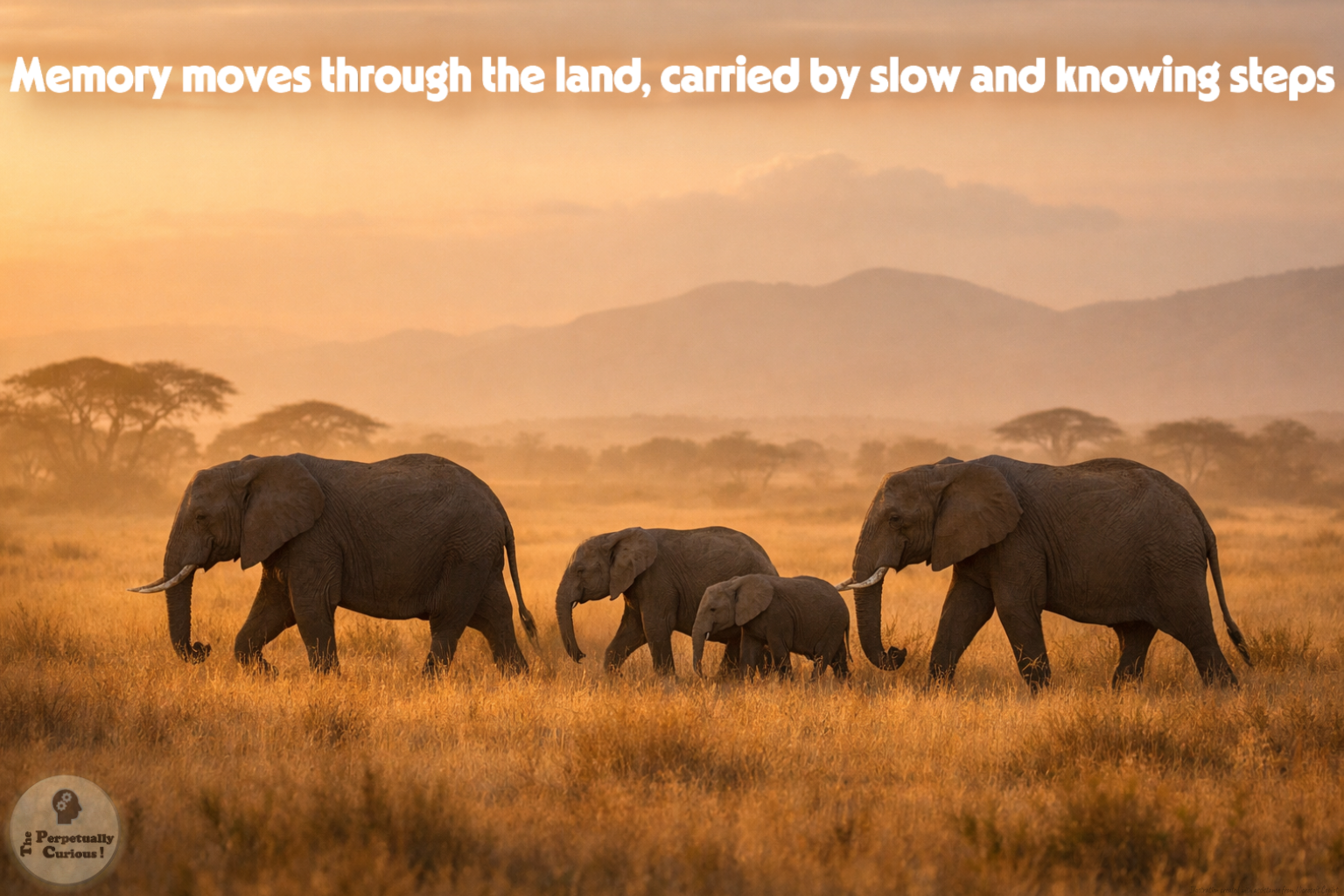
🐘 Elephant Intelligence: How Memory Becomes a Family Inheritance
From section: When Memory Becomes MovementTheir choices are shaped by terrain and present conditions, but also by what years of movement have taught them.
- The Perpetually Curious! › Archives › Engineering & TechnologyArticle
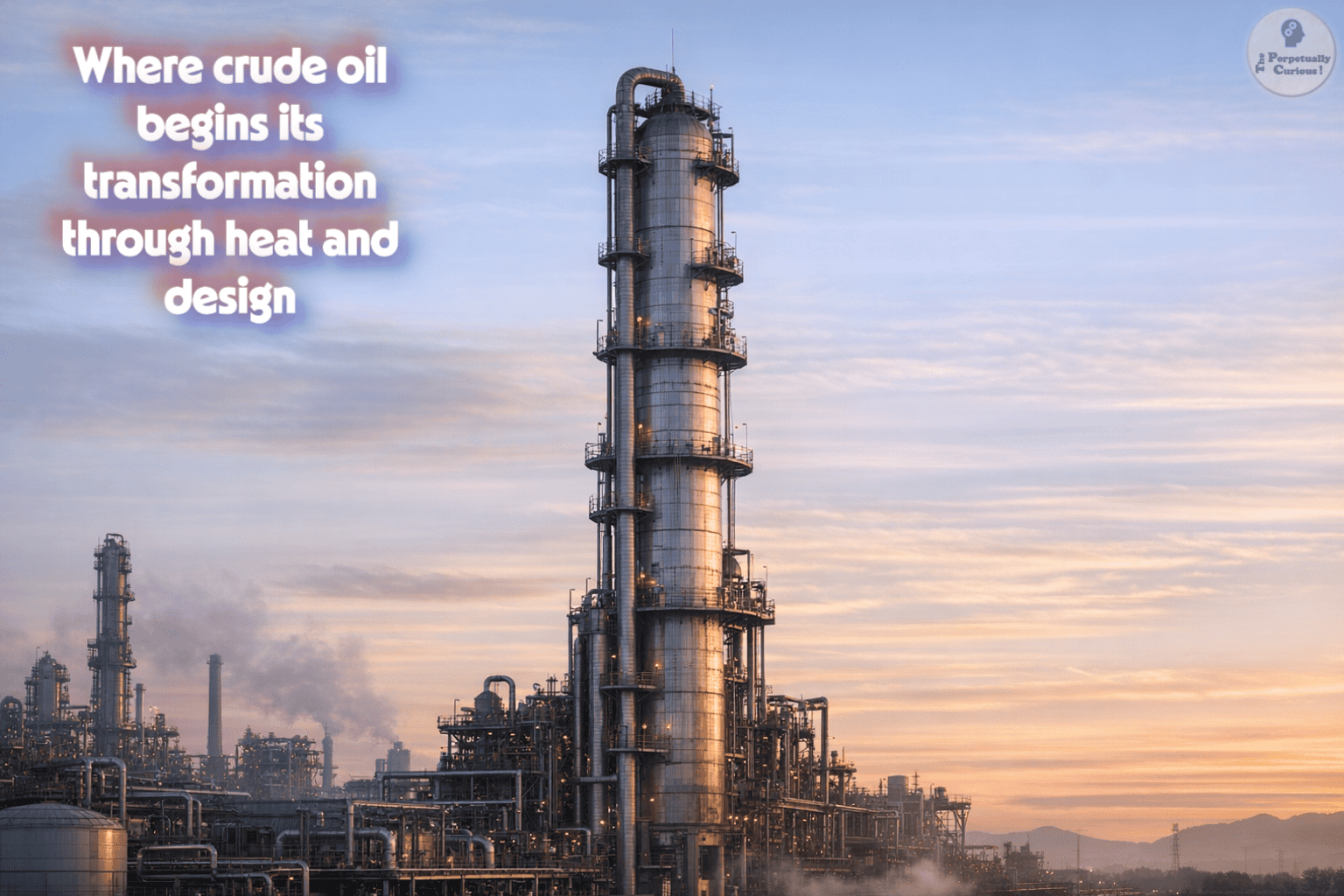
🏭 Petroleum Refining: How Crude Oil Begins to Transform
Before molecules are reshaped or fuels are blended, the crude has to be cleaned, heated, and separated into streams that behave in more predictable ways.
- The Perpetually Curious! › Archives › Wilderness & Homestead CreaturesArticle
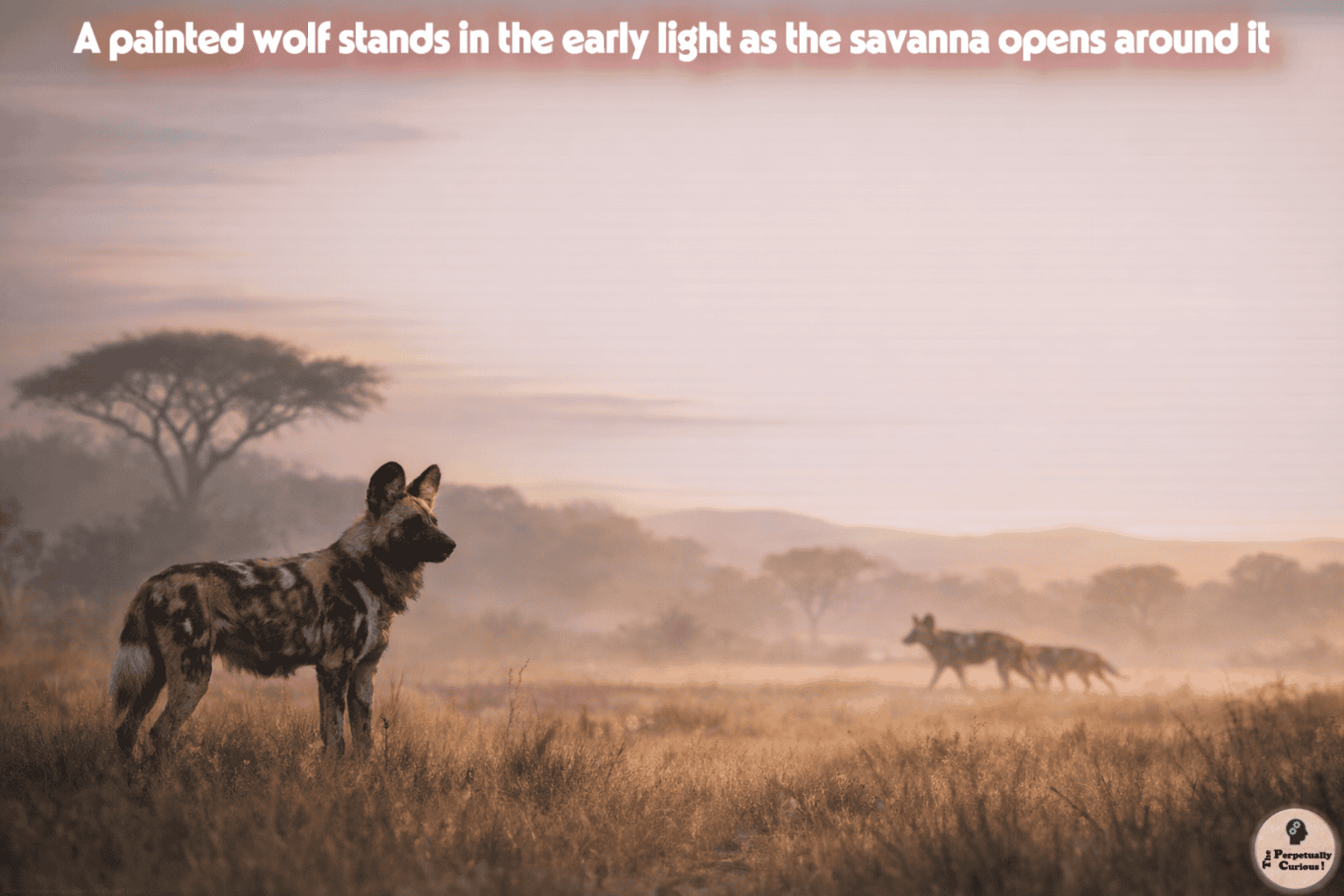
🐾 African Wild Dogs: How Their Pack Life Carries the Hunt
In open savanna, African wild dogs rarely make sense as isolated animals. A single painted wolf is striking, but the deeper pattern appears when several bodies move with the same direction, spacing, and alertness. Pack life is not a decorative detail in their story.
- The Perpetually Curious! › Archives › Botanical WondersArticle
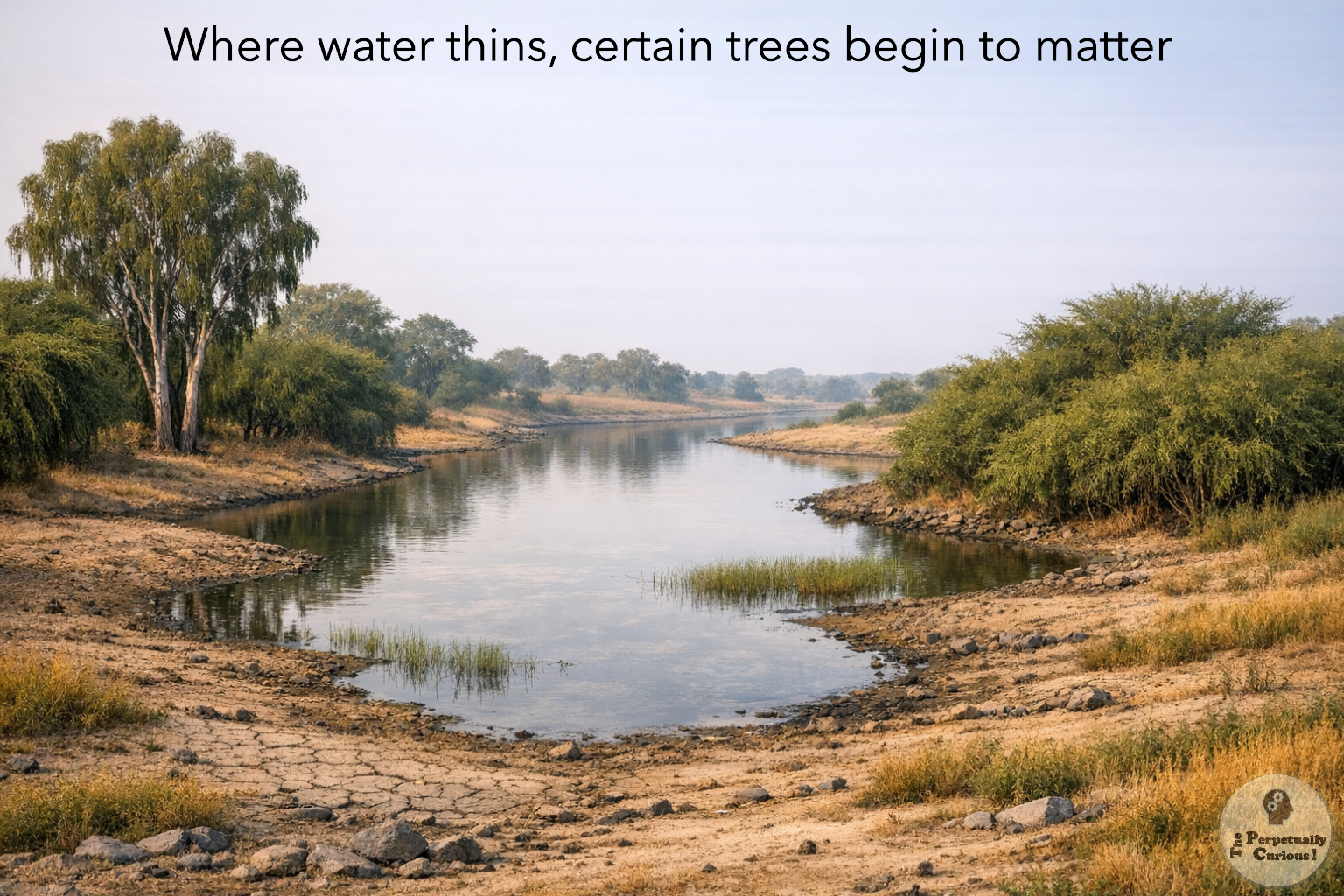
💧 Seasonal Ponds and Root Depth in South India
Seasonal ponds often look still from a distance, yet their edges can hold some of the most active negotiations in a dry landscape. In parts of South India, stored rainwater, shallow aquifers, dry soil, and plant roots meet in a narrow zone where each season leaves its mark.
- The Perpetually Curious! › Archives › Planet EarthArticle
🌊 Why Beaches Have Sand
Beaches often appear simple at first glance. They seem like a narrow place where land and water meet. Yet the presence of sand along so many coastlines is the result of long journeys, slow transformations, and the combined work of rivers, weather, and waves.
- The Perpetually Curious! › Archives › Wilderness & Homestead CreaturesArticle
🌍 African Wildlife and Landscapes: A Heritage of Beauty and Balance
These environments form a living record of natural history, where beauty and dynamic ecological functioning emerge from interactions among climate, landforms, water, and the species that inhabit them.
- The Perpetually Curious! › Archives › Environment & SustainabilityArticle
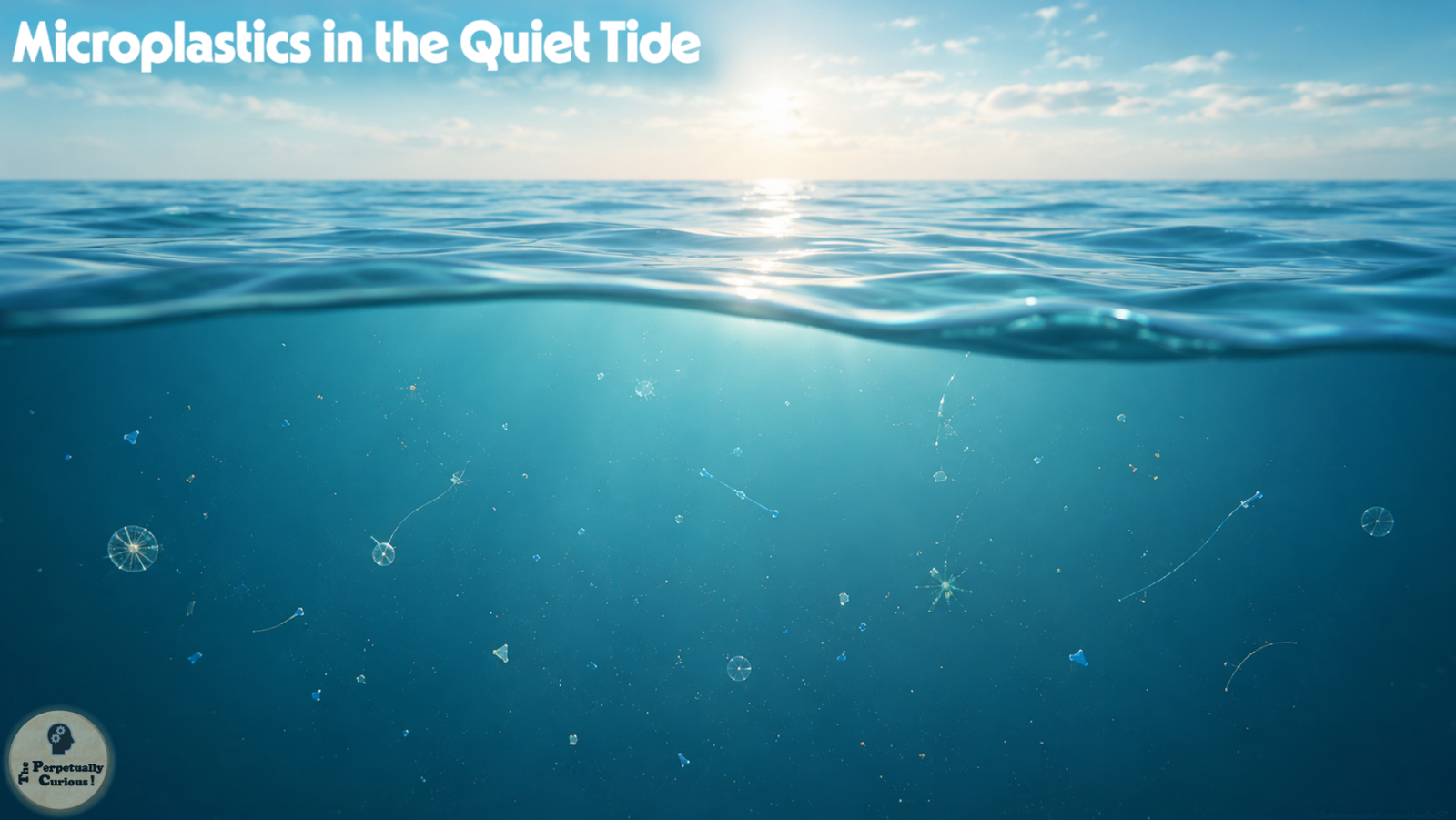
🌊 Microplastics in the Ocean: How Tiny Fragments Travel
From section: Why movement becomes exposureFish and larger animals may meet microplastics directly in the water column or indirectly through prey.
- The Perpetually Curious! › Archives › Planet EarthArticle
❄️ Antarctica: Southernmost Continent’s Frozen Symphony of Silence and Light
From section: ❓ FAQ… Research stations adopt their supply base time zone for practical operations. At the geographic South Pole, you could walk around the ceremonial marker and technically cross every time zone in seconds, though the Amundsen-Scott Station simply uses New Zealand time year-round.
- The Perpetually Curious! › Archives › Planet EarthArticle
🌊 The Great Lakes: North America's Temporary Inland Seas
Picture yourself holding a glass of water in Chicago. That water contains a mixture of ages, with some molecules that fell as rain just years ago and others that have circulated through Lake Superior for nearly two centuries.