Explore by topic, question, or idea. Find articles, reflections, videos, puzzles, and curiosity pathways gathered across the site.
Press Enter or select Search. A newly typed query starts globally; filters are applied only through the visible rail.
31 results for “chemical encounters”
- The Perpetually Curious! › Archives › Food & LifestyleArticle
🍯 Liquid Gold: The Timeless Science and Wonder of Honey
From section: 🌻 Opening: The Ancient SweetnessEach jar holds not just sweetness but a library of chemical compounds, a map of blooming meadows, and the tireless work of thousands of wings.
- The Perpetually Curious! › Archives › Environment & SustainabilityArticle
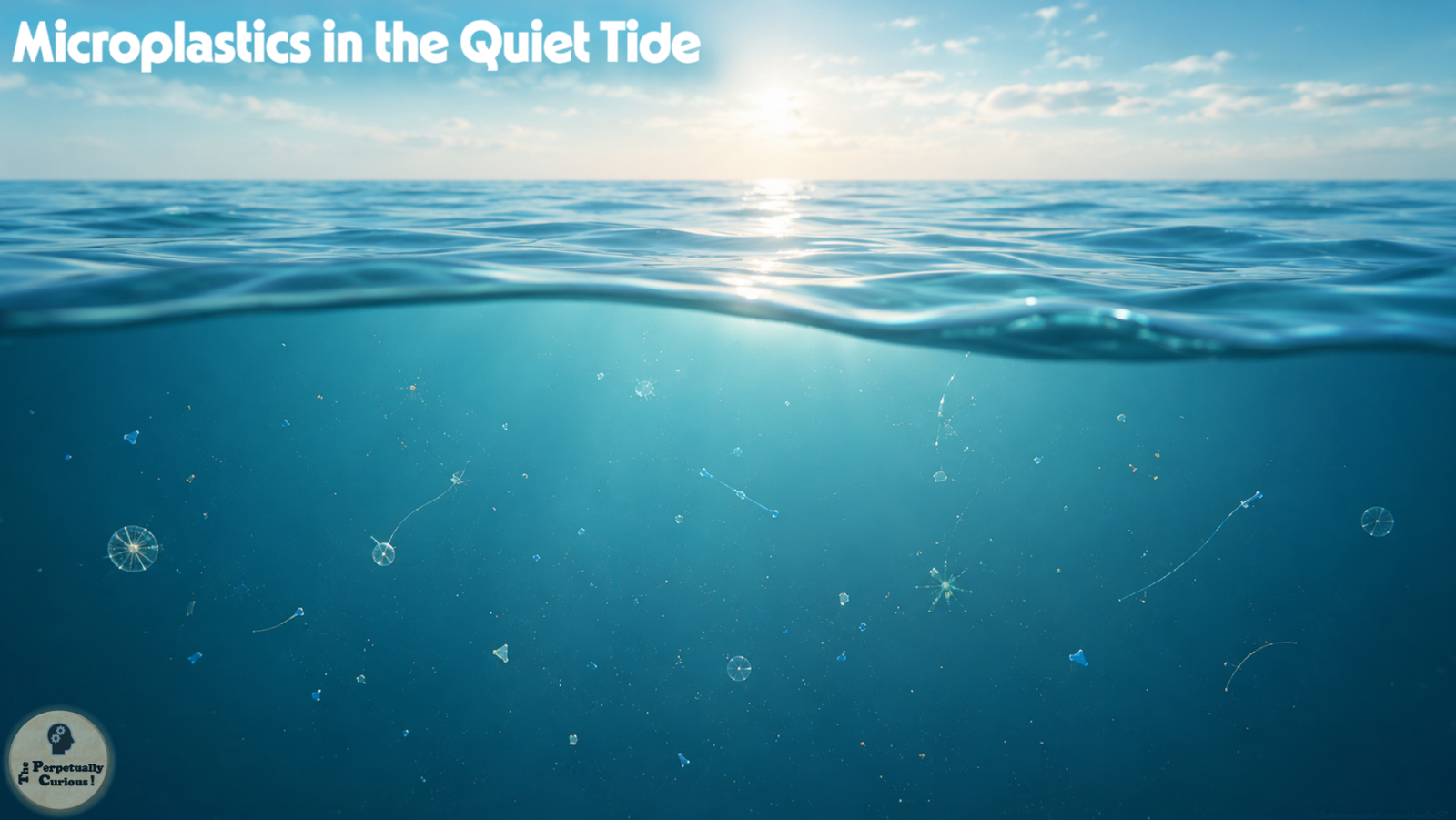
🌊 Microplastics in the Ocean: How Tiny Fragments Travel
From section: Why movement becomes exposureWhy movement becomes exposure Movement matters because it creates encounters.
- The Perpetually Curious! › Archives › Botanical WondersArticle
🎨 Nature's Color Code: Decoding the Secret Language of Vegetables
This transformation from purple to orange reveals a deeper truth: vegetable colors are not random decorations but sophisticated chemical messages evolved over millions of years.
- The Perpetually Curious! › Archives › ChemistryArticle
🌊 Colligative Properties – The Art and Science of Solution Dynamics
From section: 🔬 Introduction to Colligative PropertiesThese properties are distinctive because they depend only on the number of solute particles present in a solution, not on the chemical identity of those particles.
- The Perpetually Curious! › Archives › Cosmic ExplorationArticle
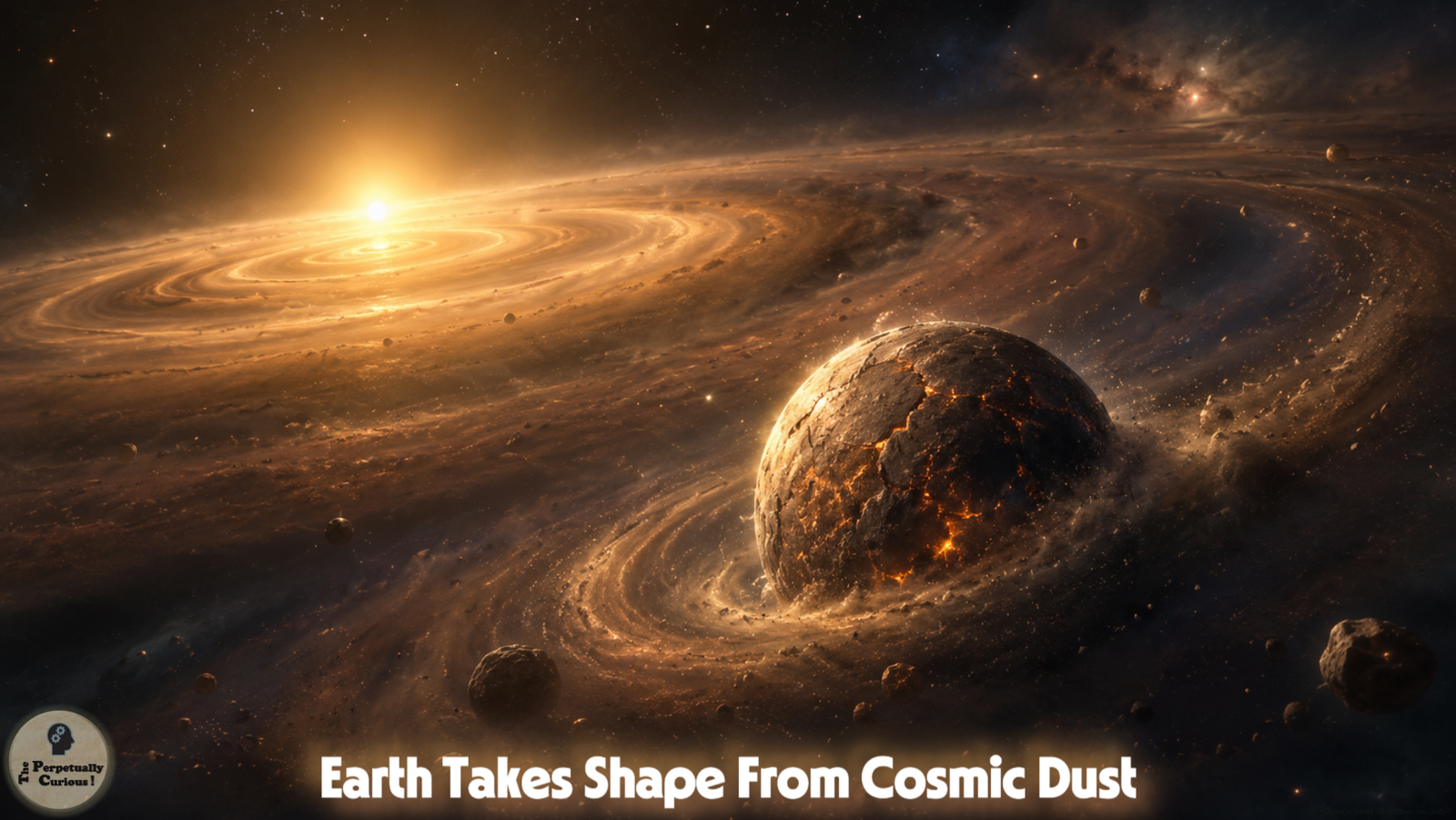
🌍 How Earth Formed: The Slow Assembly of a Young Rocky World
From section: A Disk With No Finished PlanetsRepeated encounters produced larger aggregates, and continued growth eventually created kilometer-scale bodies called planetesimals.
- The Perpetually Curious! › Archives › History, Arts, and CultureArticle
🌿 Why Henna Stains Fingertips More Deeply Than Other Skin
From section: Why fingertips keep more of the colorOver the next 24 to 48 hours, continuing chemical changes, including oxidation, deepen the stain toward reddish-brown or mahogany.
- The Perpetually Curious! › Archives › PhysicsArticle
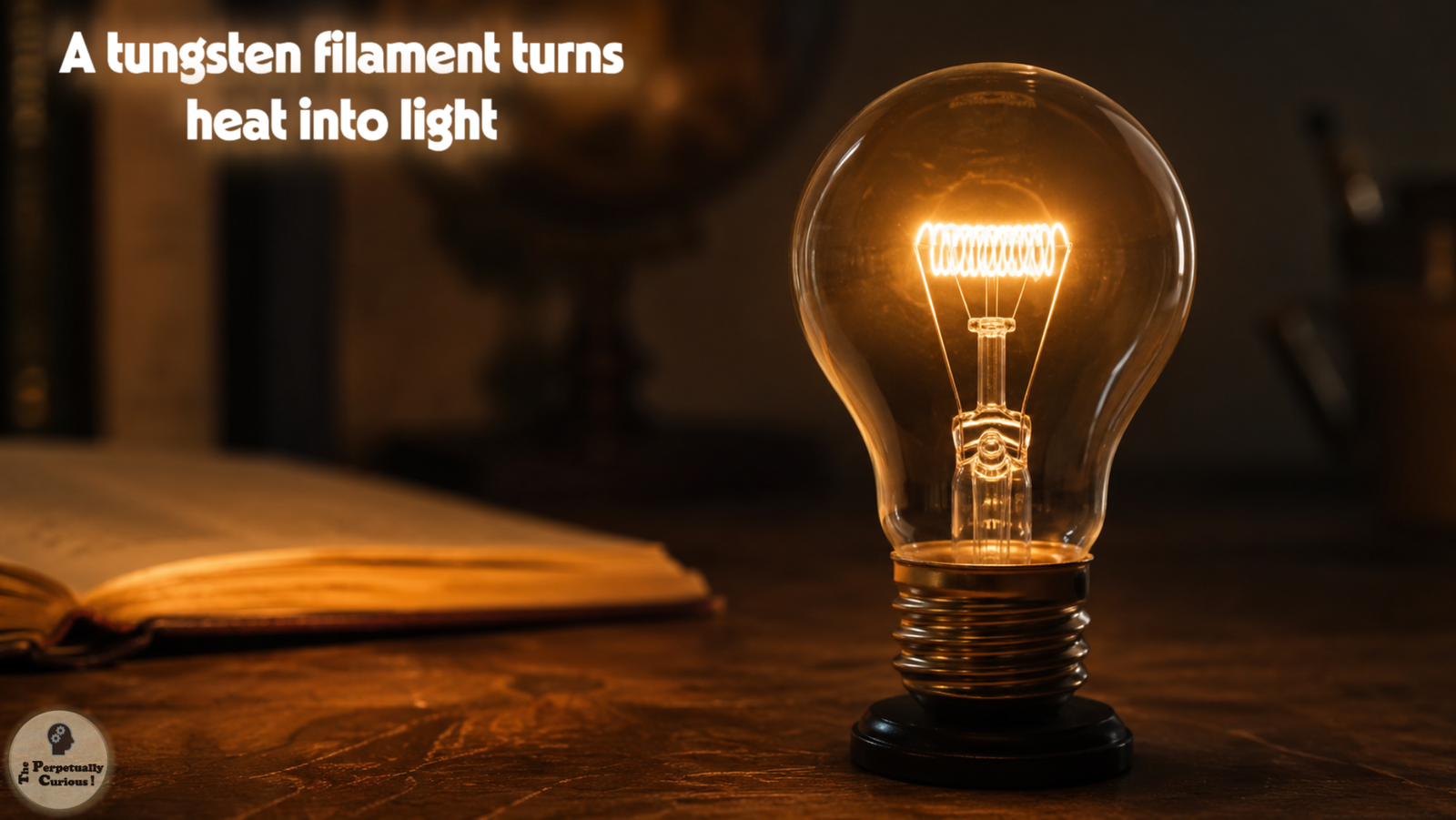
💡 How an Incandescent Filament Turns Resistance into Warm Light
From section: When heat enters the visible spectrumThis dependence on extreme heat separates incandescent light from firefly bioluminescence, where a controlled chemical reaction produces photons with very little accompanying warmth.
- The Perpetually Curious! › Archives › Planet EarthArticle
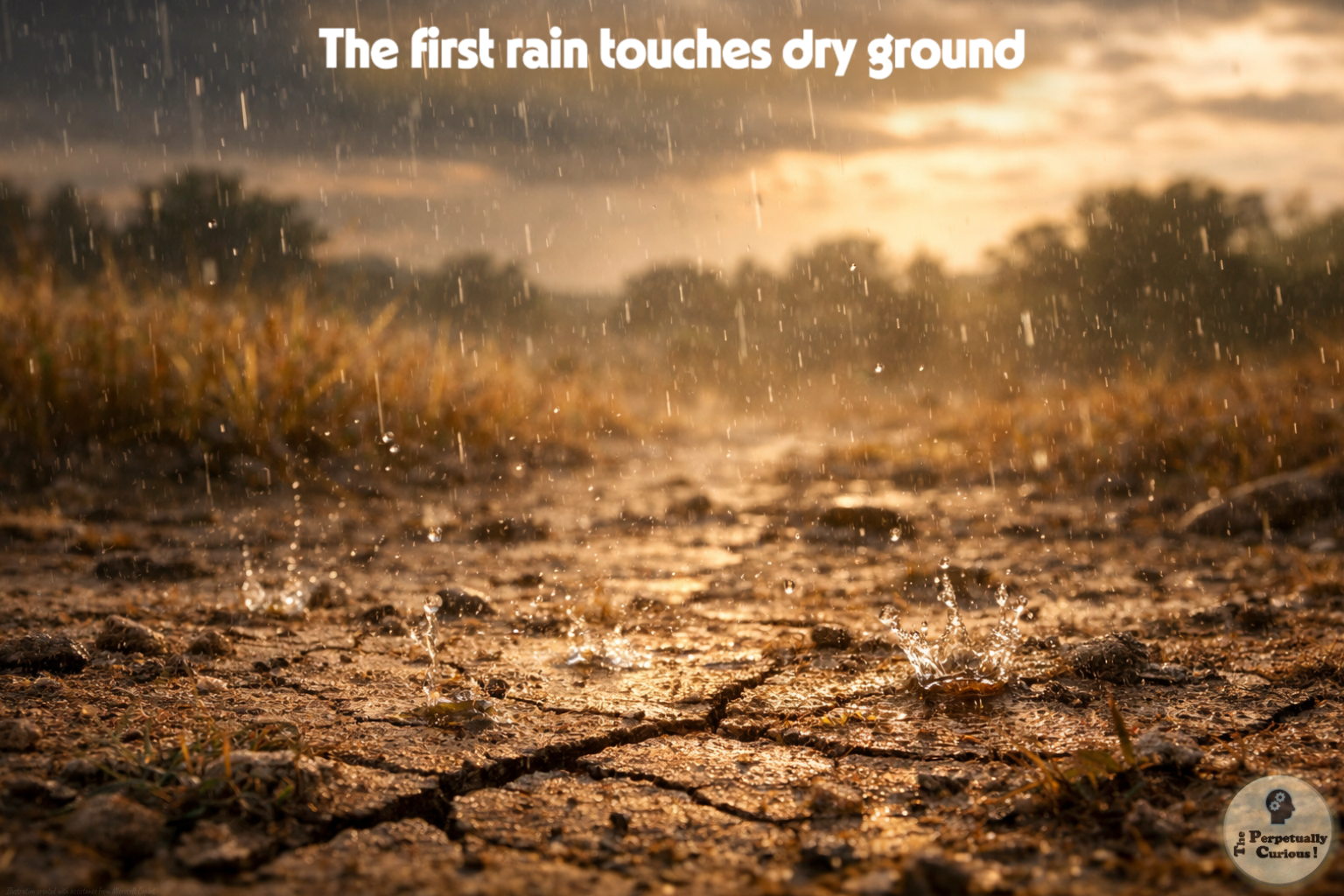
🌧️ Petrichor: How First Rain Lifts Earth’s Hidden Scent
From section: When raindrops become tiny scent liftersThat is why the first smell of rain is not only a chemical event.
- The Perpetually Curious! › Archives › Wilderness & Homestead CreaturesArticle
🐾 Wolves, Foxes, and Jackals: One Family, Many Survival Paths
From section: Scent, motion, and the logic of placeThis places the dog family within a wider world of animal sensing, where chemical worlds shape how creatures meet their surroundings before anything dramatic is visible.
- The Perpetually Curious! › Archives › Planet EarthArticle
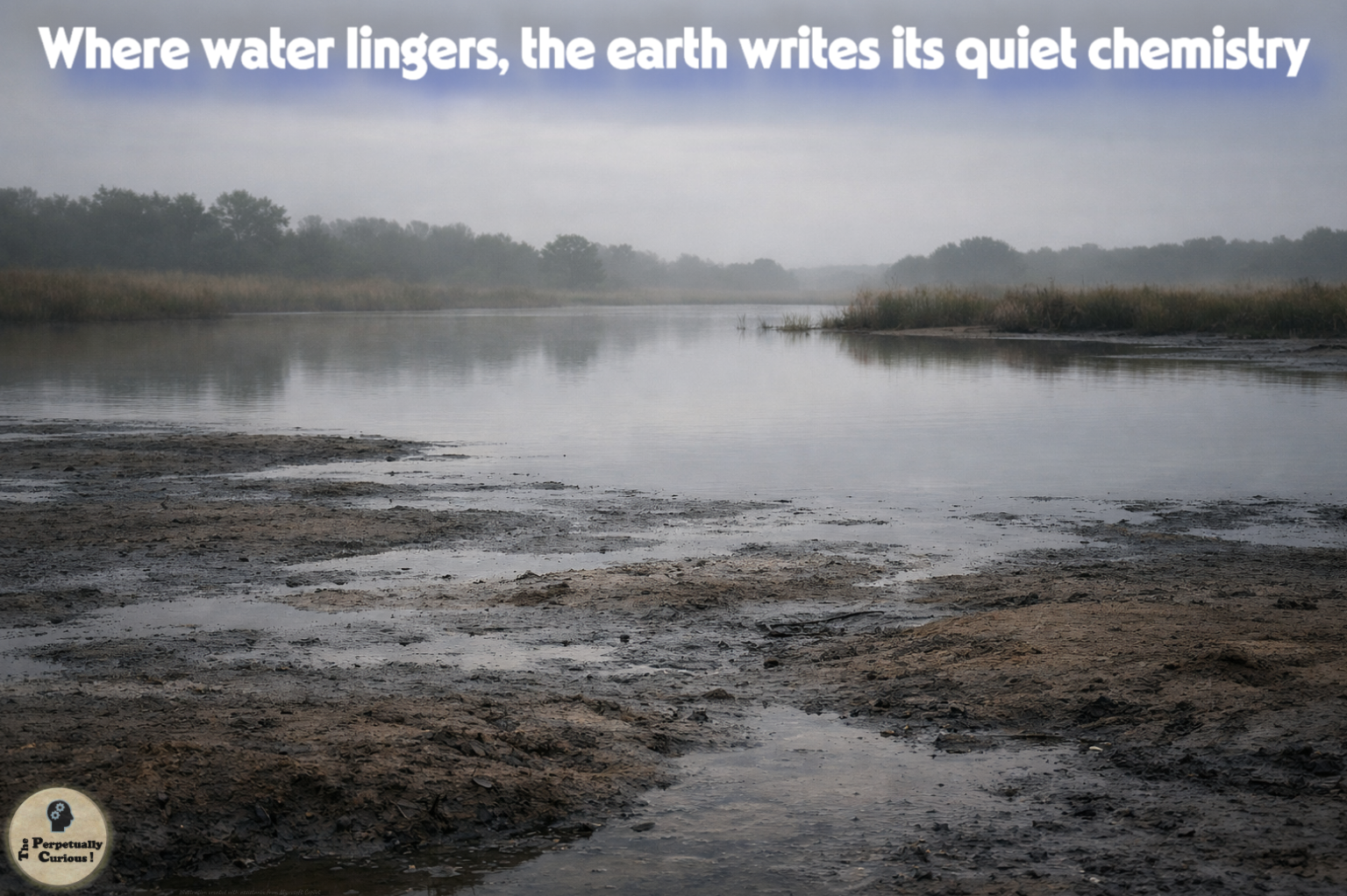
🌍 Why Mud Is Brown or Black: What Wet Soil Reveals
Iron is especially important because it can color sediment red, yellow, brown, gray, or black depending on its chemical state.