Explore by topic, question, or idea. Find articles, reflections, videos, puzzles, and curiosity pathways gathered across the site.
Press Enter or select Search. A newly typed query starts globally; filters are applied only through the visible rail.
19 results for “from plant fibers to human memory”
- The Perpetually Curious! › Canonical › Wilderness & Homestead CreaturesArticle
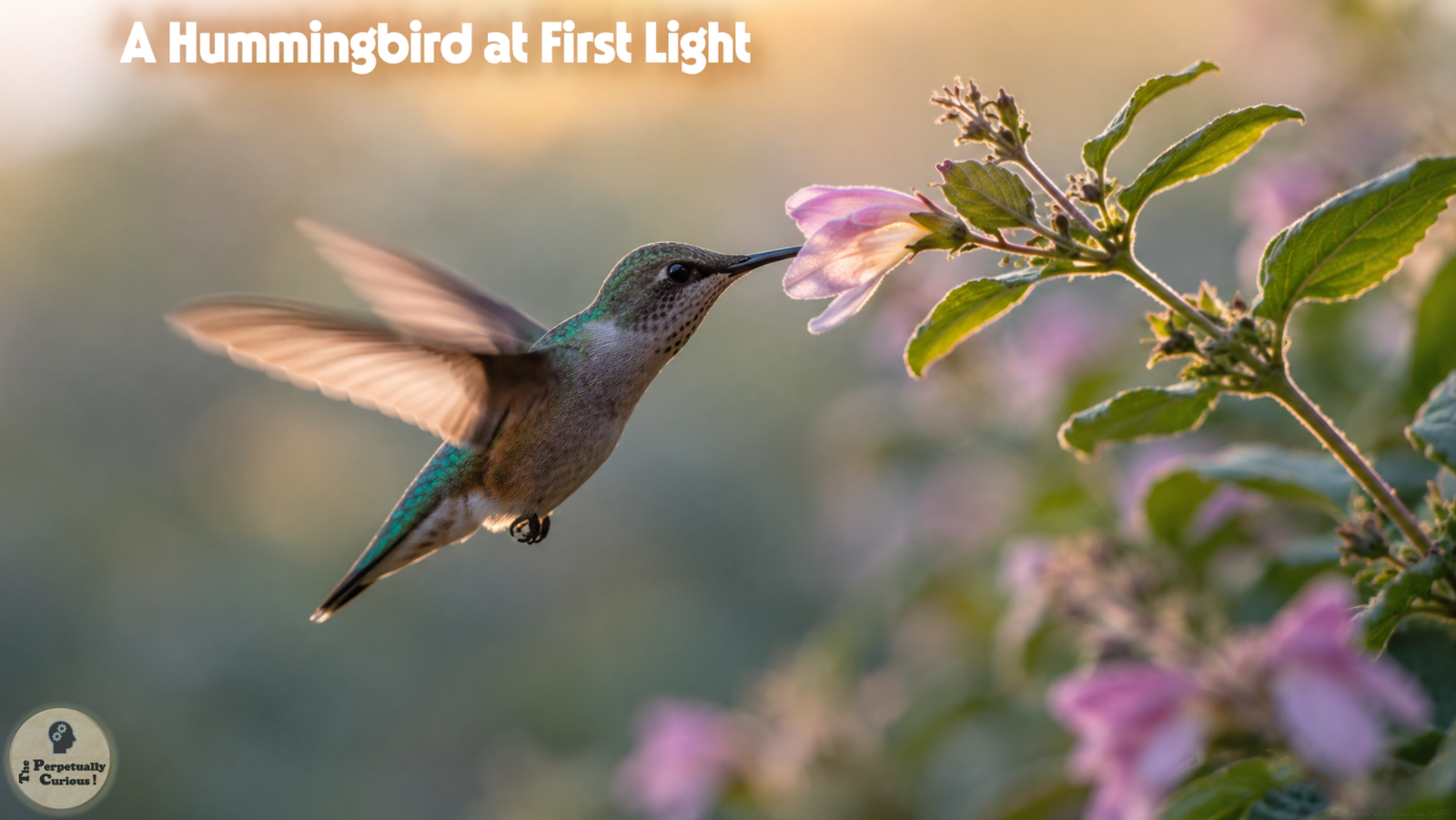
🌺 Whispers of Tiny Wings: Hummingbirds, Their Lives, and the Science of Small Flight
From section: 🐣 Lifespan, nesting, and the quiet work of survivalMany species build cup-shaped nests about the size of a walnut shell, using plant fibers, lichens, and spider silk.
- The Perpetually Curious! › Canonical › Wilderness & Homestead CreaturesArticle
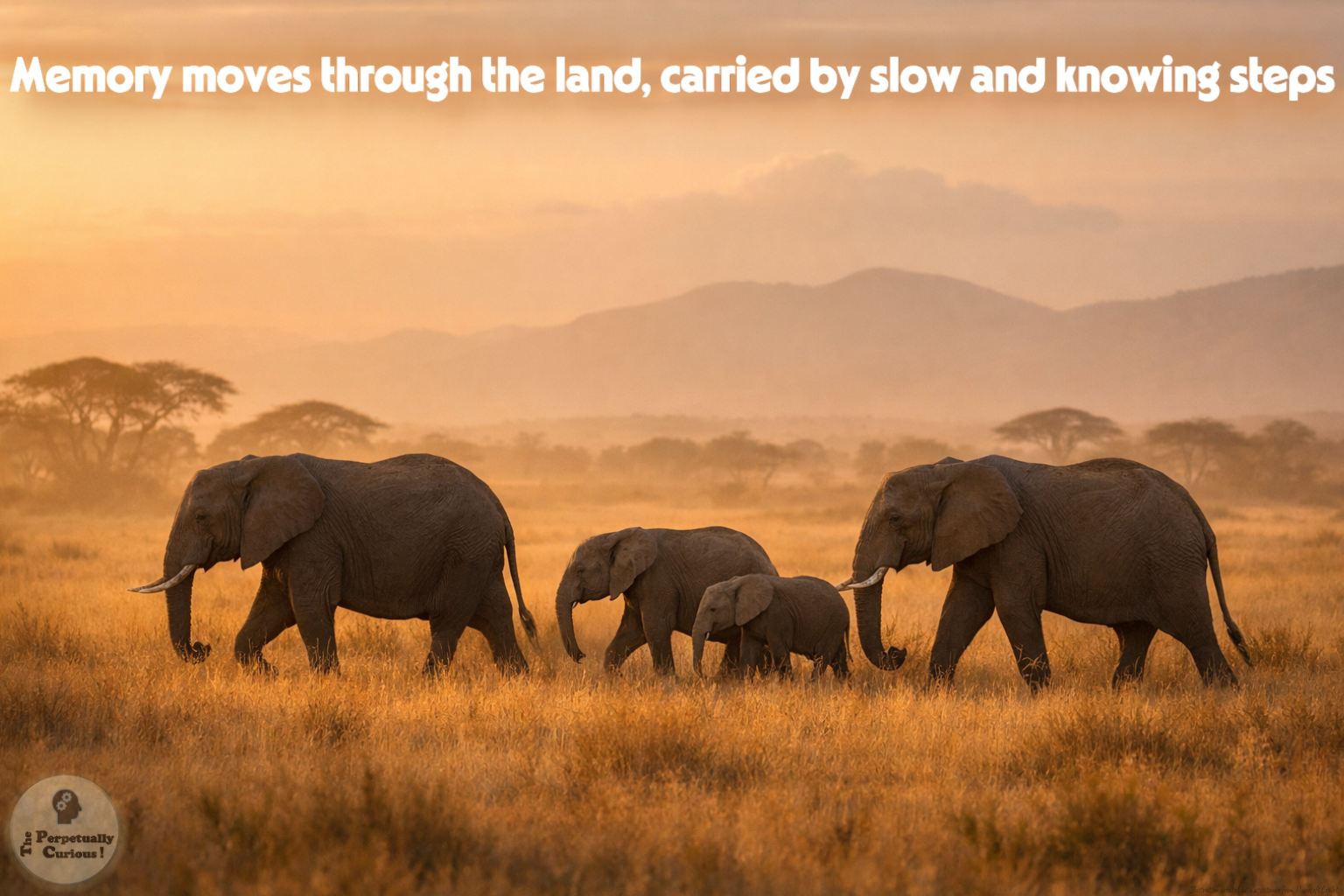
🐘 Minds Like Quiet Rivers: The Intelligence of Elephants
From section: 🌍 How Elephant Memory Maps Space and TimeSocial memory appears in more intimate ways. Elephants recognize individuals by sight, sound, and scent, and they respond differently to familiar and unfamiliar calls. …
- The Perpetually Curious! › Archives › Wilderness & Homestead CreaturesArticle
🐦 How Hummingbirds Hover: The Motion Inside Apparent Stillness
A hummingbird at a flower can look almost motionless. Its head remains aligned with the bloom, its body hangs at one point in the air, and only the blur beside it reveals the effort being made. The apparent pause is not a pause at all. It is a rapidly renewed balance between…
- The Perpetually Curious! › Archives › Wilderness & Homestead CreaturesArticle
🐘 Elephant Intelligence: How Memory Becomes a Family Inheritance
From section: When Memory Becomes MovementLandscapes shift, water disappears, and human activity can alter familiar paths.
- The Perpetually Curious! › Archives › Wilderness & Homestead CreaturesArticle
🦜 More Than a Tongue: The Surprising Science of Why Animals Cannot Talk
Language is so woven into human life that it is easy to forget how unlikely it is. Across millions of animal species, only one lineage learned to shape breath into words, to give sound the weight of meaning, and to speak.
- The Perpetually Curious! › Canonical › Wilderness & Homestead CreaturesArticle
🦜 More Than a Tongue: Why Animals Do Not Speak Like Humans
From section: 🗣️ What a vocal tract can doEven with that range of shapes, the quality of the underlying vibration matters. Compared with other primates examined, humans lack thin extensions of the vocal folds called vocal membranes. Experiments and models suggest that losing these membranes may have helped make human voicing steadier.[2]
- The Perpetually Curious! › Canonical › Wilderness & Homestead CreaturesArticle
🧫 Tides of Chemical Worlds: How Animals Meet the Molecules Around Them
From section: 💡 Did You Know🐱 Catnip and silvervine trigger a known chemical pathway Compounds such as nepetalactone in catnip and nepetalactol in silvervine activate mu‑opioid receptors in cats, making this one of the best‑characterized plant–animal chemical interactions.
- The Perpetually Curious! › Canonical › Wilderness & Homestead CreaturesArticle
🐾 Where the Wild Paths Divide: Wolves, Foxes, and Jackals in the Dog Family
In the hush between day and night, their paths cross only in memory, shaped by wind, distance, and the quiet pull of the land. Each life moves with its own rhythm, yet the thread of kinship still runs beneath their separate worlds. …
- The Perpetually Curious! › Archives › Wilderness & Homestead CreaturesArticle
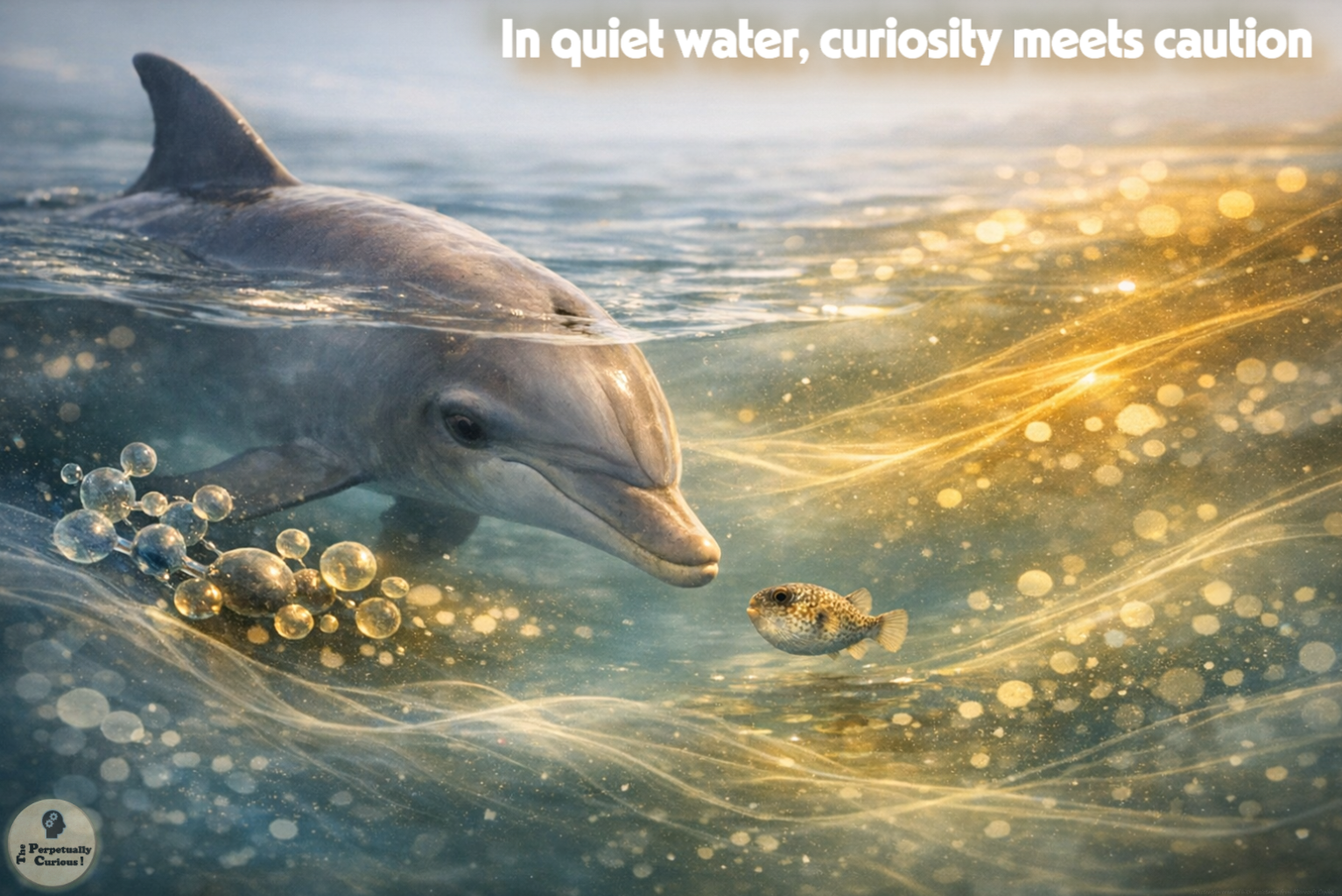
🧪 Animal Chemical Encounters: When Molecules Shape Behavior
In the sea, a chemical encounter can begin before a chase, a bite, or a sound. A molecule released from skin, mucus, food, or water can change what an animal notices, how it moves, and whether it keeps investigating. To human eyes, the moment may look like simple curiosity.
- The Perpetually Curious! › Archives › Wilderness & Homestead CreaturesArticle
The Symphony of Stripes: Decoding Nature's Most Elegant Barcode 🦓
Where Mathematics Meets Majesty ✨ A zebra against the African sunrise creates a living masterwork, stripes that have inspired human art and science for millennia.