Explore by topic, question, or idea. Find articles, reflections, videos, puzzles, and curiosity pathways gathered across the site.
Press Enter or select Search. A newly typed query starts globally; filters are applied only through the visible rail.
123 results for “how rain forms”
- The Perpetually Curious! › CanonicalReflection
The Terms of a World
… This understanding creates space for humility. It reminds us that what suits us is not the same as what completes a world, and that the universe contains many forms of order that persist whether or not human life is present.
- The Perpetually Curious! › Canonical › Environment & SustainabilityArticle
🌿 Liquid Trees: Microalgae Photobioreactors and the Quiet Art of Urban Breathing
From section: 🏙️ Public liquid trees: one biological idea, different urban formsPublic photobioreactors may therefore offer several distinct forms of value. They can test biological engineering under real urban conditions, occupy otherwise difficult sites, collect operational data, and invite public engagement with environmental science. …
- The Perpetually Curious! › Archives › Botanical WondersArticle
Rubber Production Explained: From Tree Latex to Durable Elasticity 🌿
From Milky Latex to Elastic Resilience, and the Quiet Science Behind It A tire hums over rain-dark pavement. A rubber band stretches, and returns. A gasket holds pressure where metal meets metal. A glove yields to motion without tearing.
- The Perpetually Curious! › Archives › Botanical WondersArticle
The Riverbank Architect: Discovering the Remarkable Arjuna Tree 🌊
Stand beneath an ancient Arjuna tree during monsoon season and you'll understand why riverside communities have revered these giants for millennia. Water droplets cascade from leaves that shimmer like green glass, while the smooth bark releases a subtle earthy fragrance after rain.
- The Perpetually Curious! › Canonical › Biology & HealthArticle
🧬 When Proteins Forget Their Shape: Protein Misfolding in Neurodegenerative Diseases
From section: Frequently Asked Questions+Are plaques, tangles, and Lewy bodies always the most harmful protein forms? Not necessarily. …
- The Perpetually Curious! › Archives › Planet EarthArticle
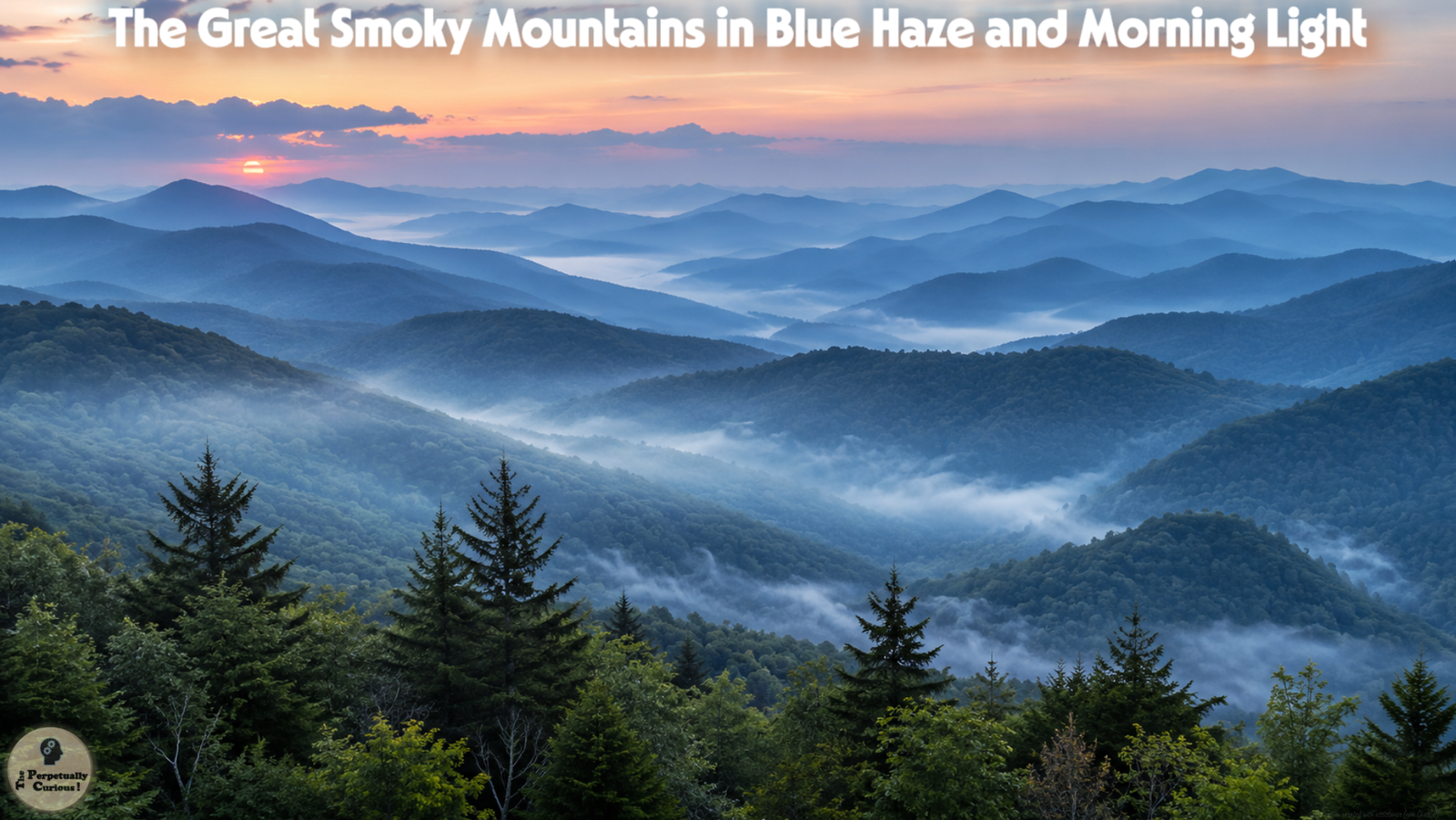
🌫️ Why the Great Smoky Mountains Fade into Blue Haze
From section: The forest helps make the hazeThe atmosphere can therefore hold several forms of softness at once.
- The Perpetually Curious! › Archives › Planet EarthArticle
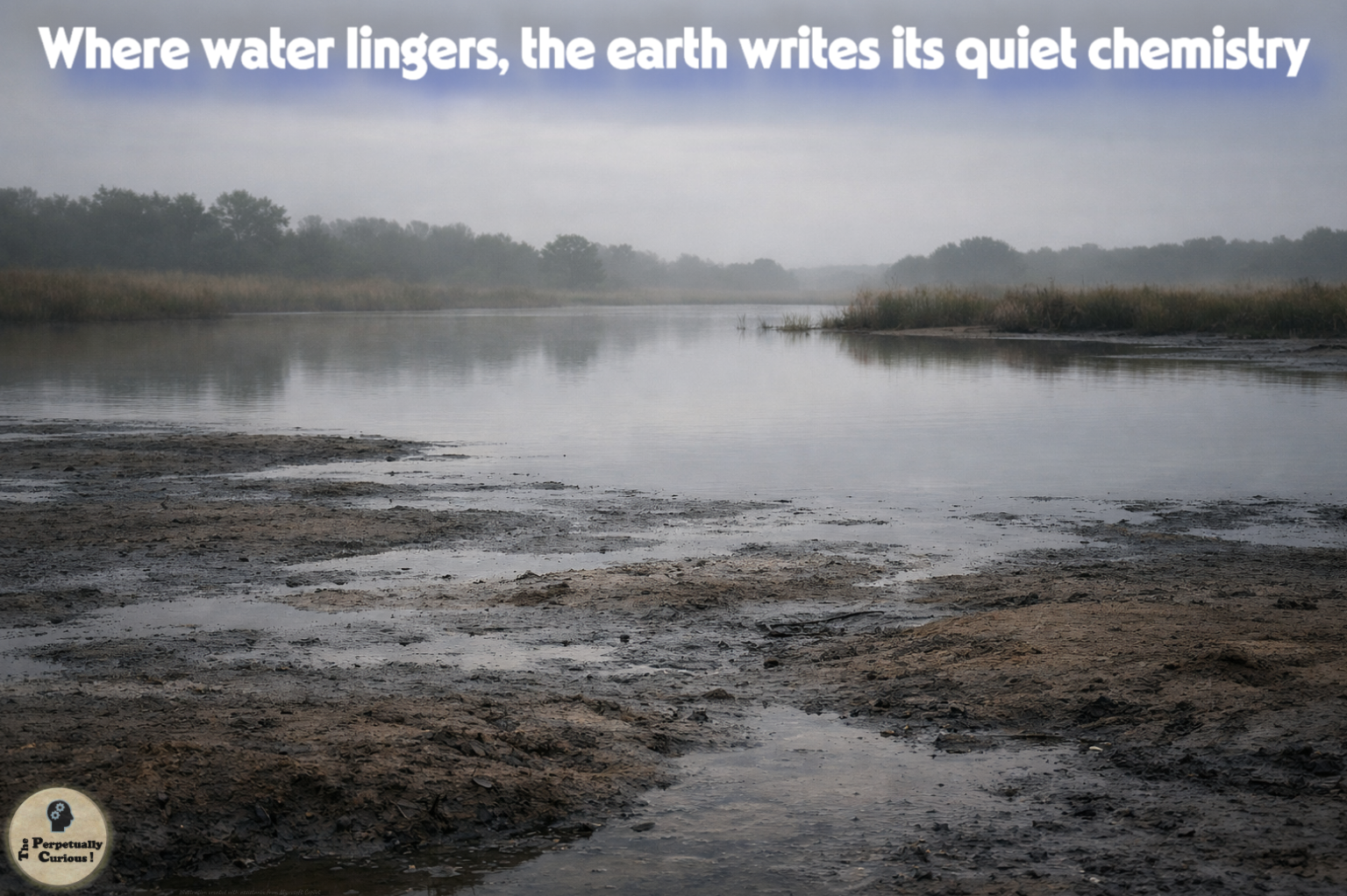
🌍 Why Mud Is Brown or Black: What Wet Soil Reveals
From section: What wet ground does to colorIron in these settings often forms oxidized minerals, including familiar iron oxides that produce reddish, yellowish, or brown tones.
- The Perpetually Curious! › Canonical › Botanical WondersArticle
🍁 When Leaves Let Go: Why Autumn Colors Turn Red, Gold, and Brown
From section: 🌤️ Why the display changes each year… Mild water stress may favor red pigment in some trees, while severe drought can damage leaves or bring them down before much color develops. Wind and heavy rain can shorten the show by removing leaves that had already changed.
- The Perpetually Curious! › Canonical › Cosmic ExplorationArticle
🌌 The Universe’s Ancient Whisper: Decoding the Cosmic Microwave Background
From section: Frequently Asked Questions+What is radiation in simple terms? Radiation is energy that travels through space as waves or particles. Visible light, infrared warmth, radio signals, X-rays, and the CMB are all forms of electromagnetic radiation at different wavelengths.
- The Perpetually Curious! › Canonical › Biology & HealthArticle
🧠 The Neural Symphony: How Neurons, Glia, and Networks Shape Human Experience
From section: 🔄 The plastic brain: how experience reshapes neural functionLong-term potentiation and long-term depression are two well-studied forms of synaptic plasticity. NMDA receptors play important roles in several forms of plasticity, and their activation depends on co-agonists such as glycine or D-serine. …