Explore by topic, question, or idea. Find articles, reflections, videos, puzzles, and curiosity pathways gathered across the site.
Press Enter or select Search. A newly typed query starts globally; filters are applied only through the visible rail.
56 results for “how seeds become cooking oil”
- The Perpetually Curious! › Archives › Environment & SustainabilityArticle
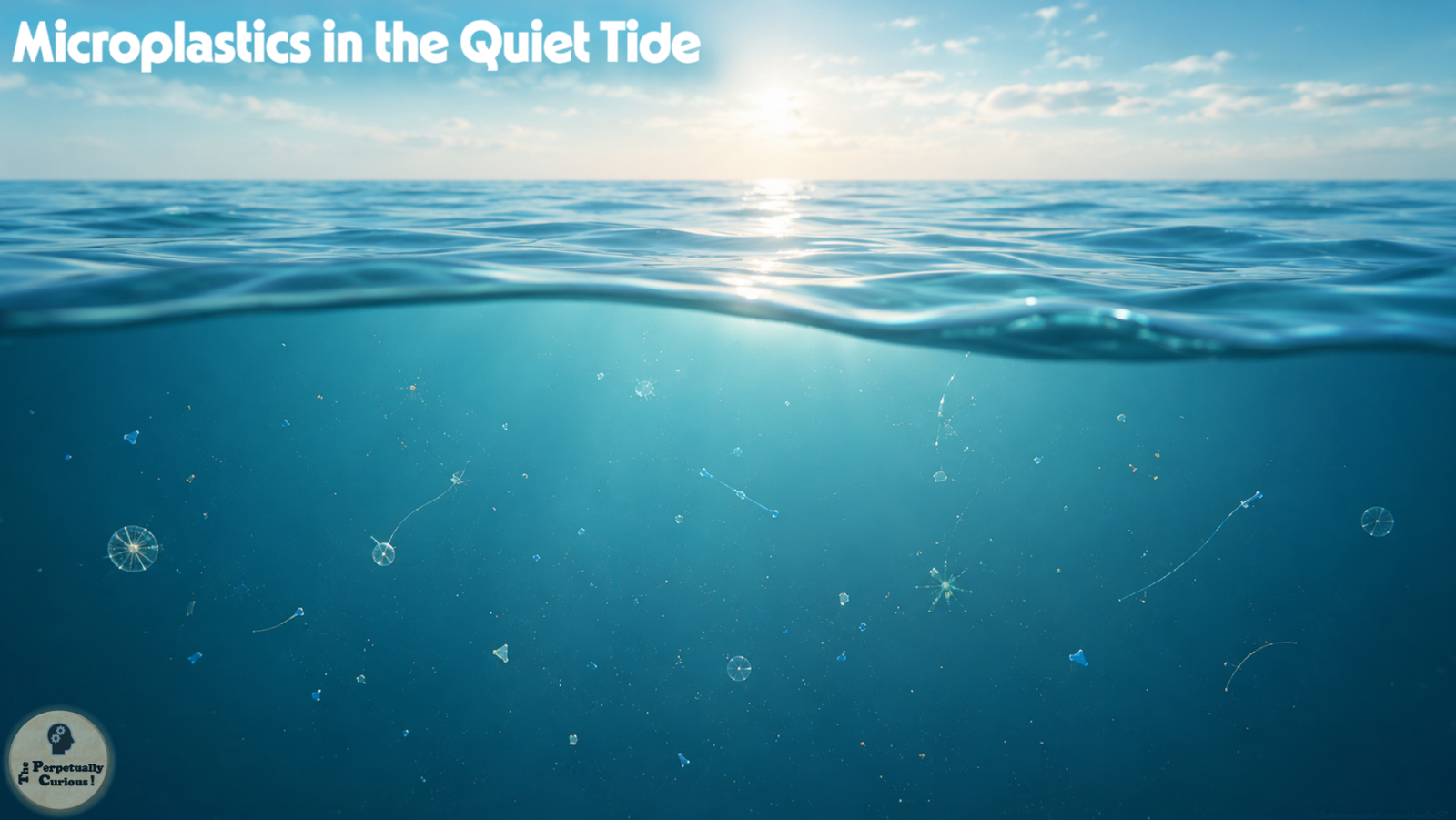
🌊 Microplastics in the Ocean: How Tiny Fragments Travel
Others mix downward, become coated with organic matter, or settle into sediment.
- The Perpetually Curious! › Archives › Cosmic ExplorationArticle
🌌 When Worlds Shine: Why Some Planets Outglow Others in Our Night Sky
When these ideas come together, the familiar points of light become characters in a quiet celestial drama.Read more »
- The Perpetually Curious! › Archives › PhysicsArticle
🌫️ How Radar Listens to the Sky: The Quiet Science Behind the Sweep
This article follows that journey from the first whisper of a pulse to the structured images that appear on weather maps, tracing how physical principles become the patterns that many viewers recognize on their screens.
- The Perpetually Curious! › Archives › PhysicsArticle
🦈 Why Do Sharks Float? The Science Behind Their Buoyancy
From section: 🌊 Opening DiveAs cartilaginous fishes, many sharks approach near‑neutral buoyancy through a combination of oil‑rich livers, lightweight skeletons, and hydrodynamic lift.
- The Perpetually Curious! › Archives › Cosmic ExplorationArticle
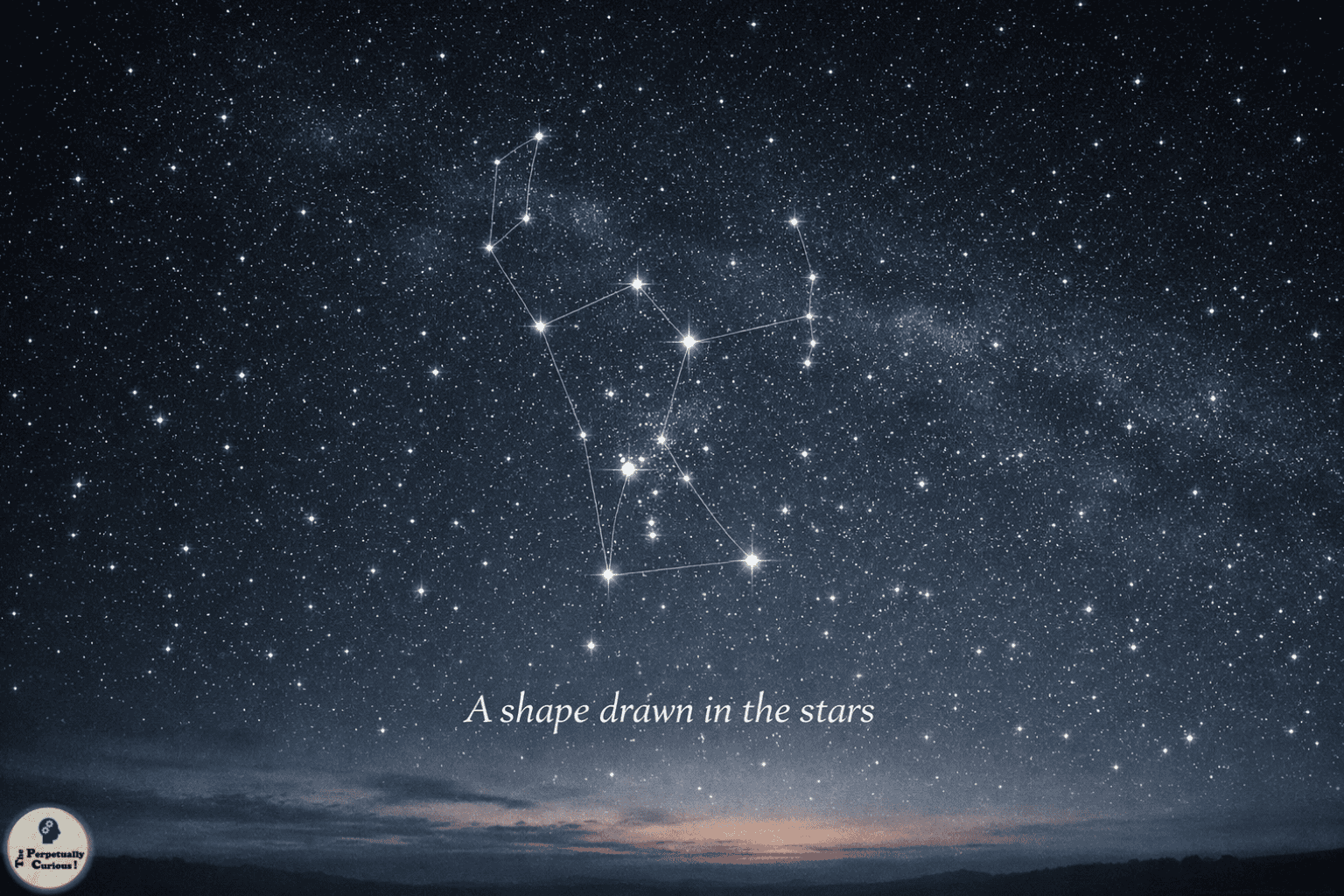
🌌 Constellations: How Star Patterns Help Us Find Our Way
From section: When scattered stars become a mapWhen scattered stars become a map A constellation is not usually a real cluster of neighboring stars.
- The Perpetually Curious! › Archives › Planet EarthArticle
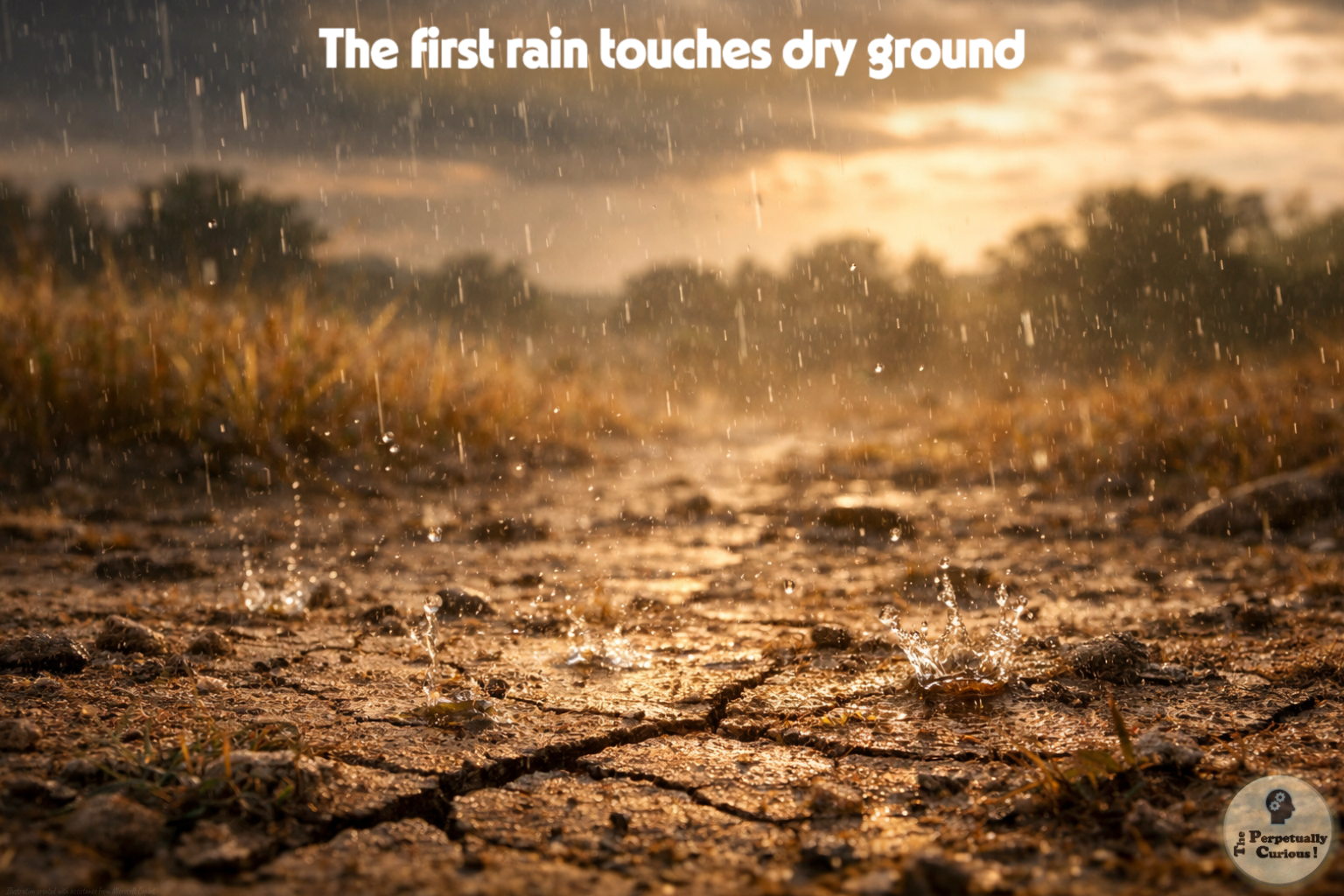
🌧️ Petrichor: How First Rain Lifts Earth’s Hidden Scent
From section: When raindrops become tiny scent liftersWhen raindrops become tiny scent lifters A raindrop hitting dry, porous ground is a small impact event.
- The Perpetually Curious! › Archives › Botanical WondersArticle
🌳🍂 Harmony of Hues: Painting the Landscape with Crimson and Gold
🍁 Have you ever wondered why many leaves do not simply fade in autumn, but instead ignite into crimson, gold, and amber while others settle quietly into softer browns?
- The Perpetually Curious! › Archives › Biology & HealthArticle
The Invisible Shield: Understanding Measles in Our Connected World 🌍
The Measles Landscape 🦠 The measles virus measures roughly 120 to 250 nanometers across, yet this microscopic sphere now threatens decades of public health progress.
- The Perpetually Curious! › Archives › Planet EarthArticle
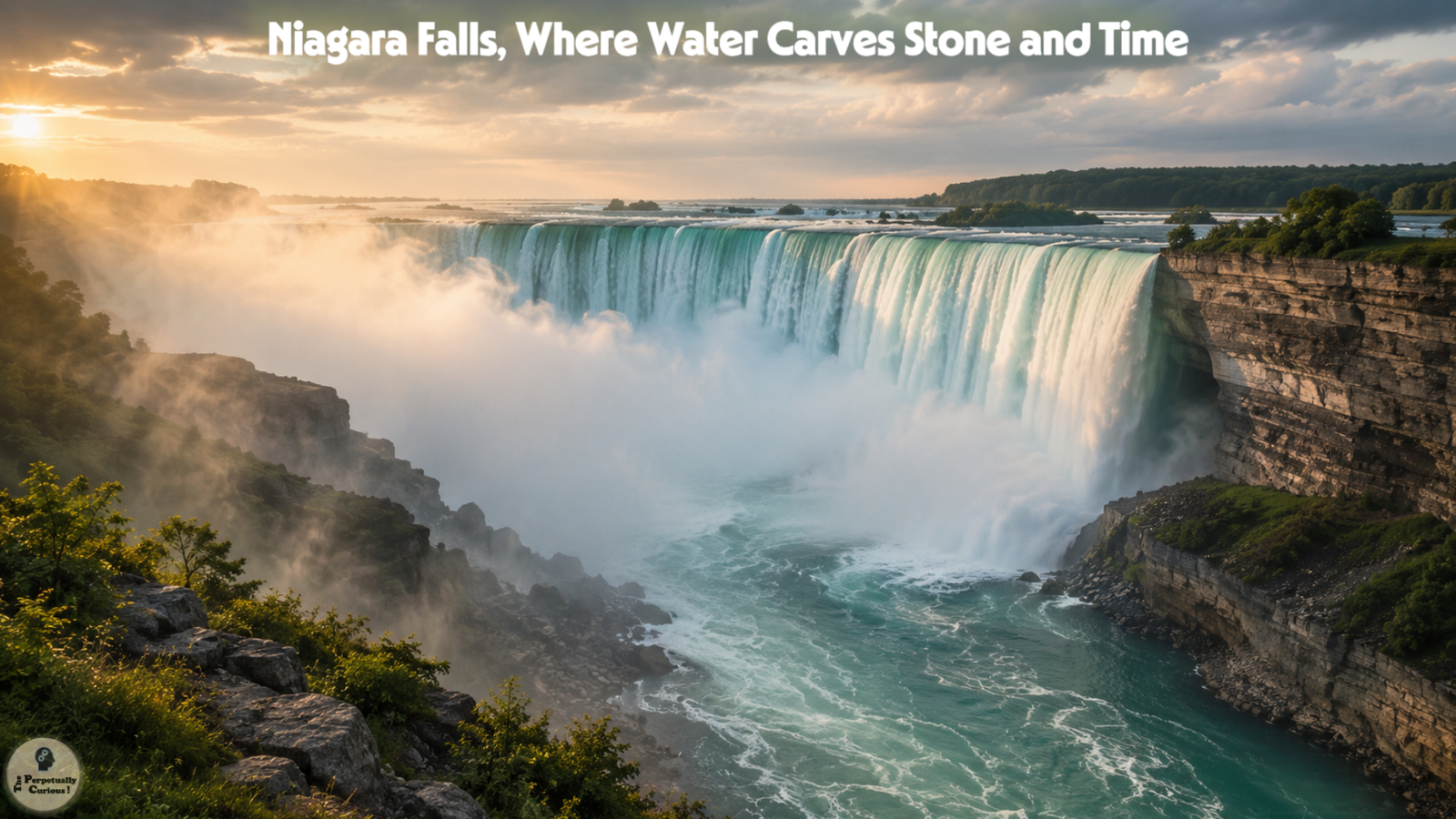
🌊 Niagara Falls Facts: How Water Turns Stone Into Time
When Niagara Falls first appears through its mist, it can feel like a single spectacular drop. But the falls are better understood as a place where a much larger water system briefly becomes visible. The water is not arriving from nowhere.
- The Perpetually Curious! › Archives › PhysicsArticle
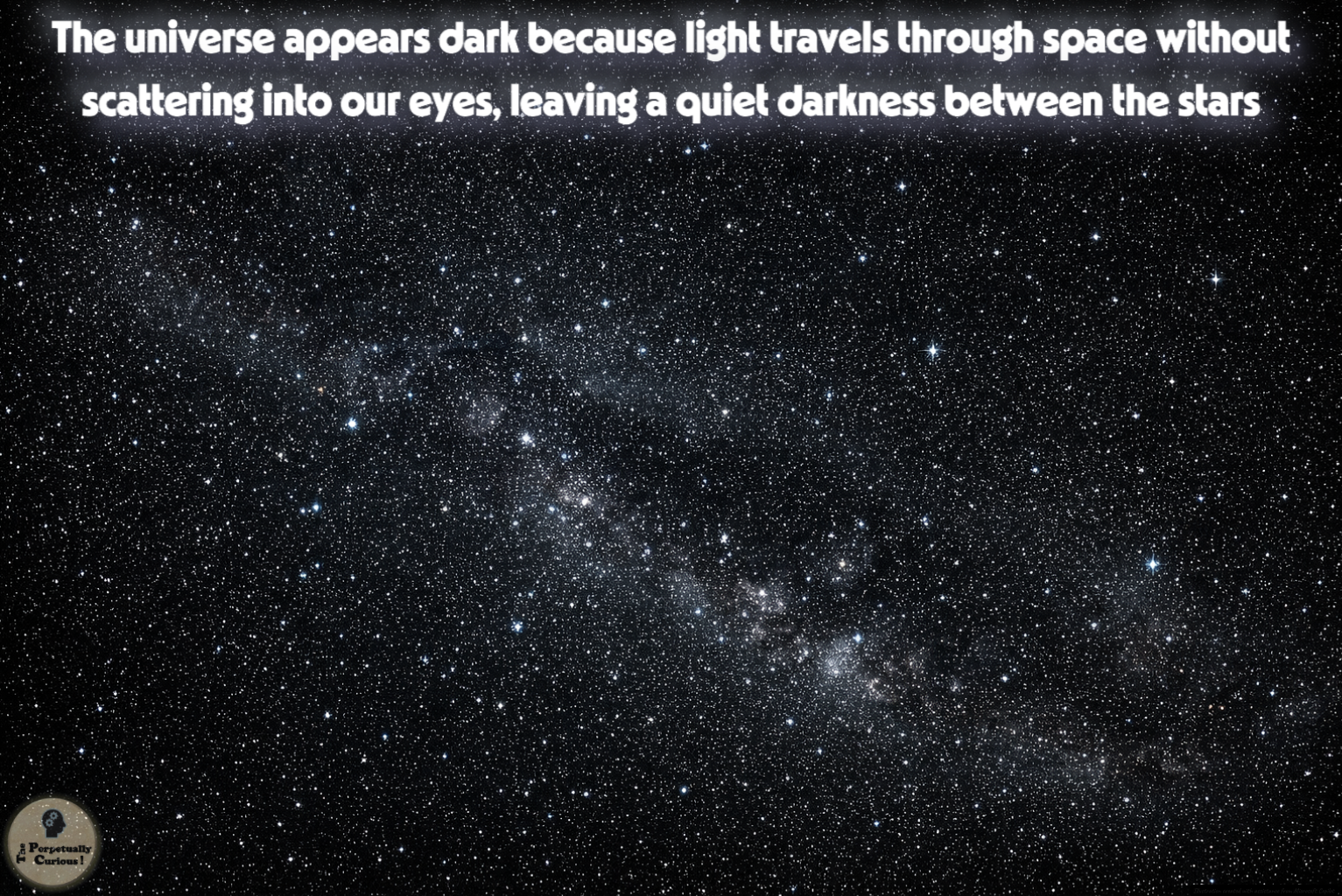
🌌 Why Space Looks Dark: Light, Matter, and the Quiet Cosmos
Space can look surprisingly dark, even in a universe filled with stars. That darkness is not simply the absence of light. It is often the result of how light travels, what it meets, and what it does not meet. On Earth, daylight becomes a bright blue sky because sunlight…