Explore by topic, question, or idea. Find articles, reflections, videos, puzzles, and curiosity pathways gathered across the site.
Press Enter or select Search. A newly typed query starts globally; filters are applied only through the visible rail.
7 results for “how seeds become cooking oil”
- The Perpetually Curious! › Archives › Planet EarthArticle
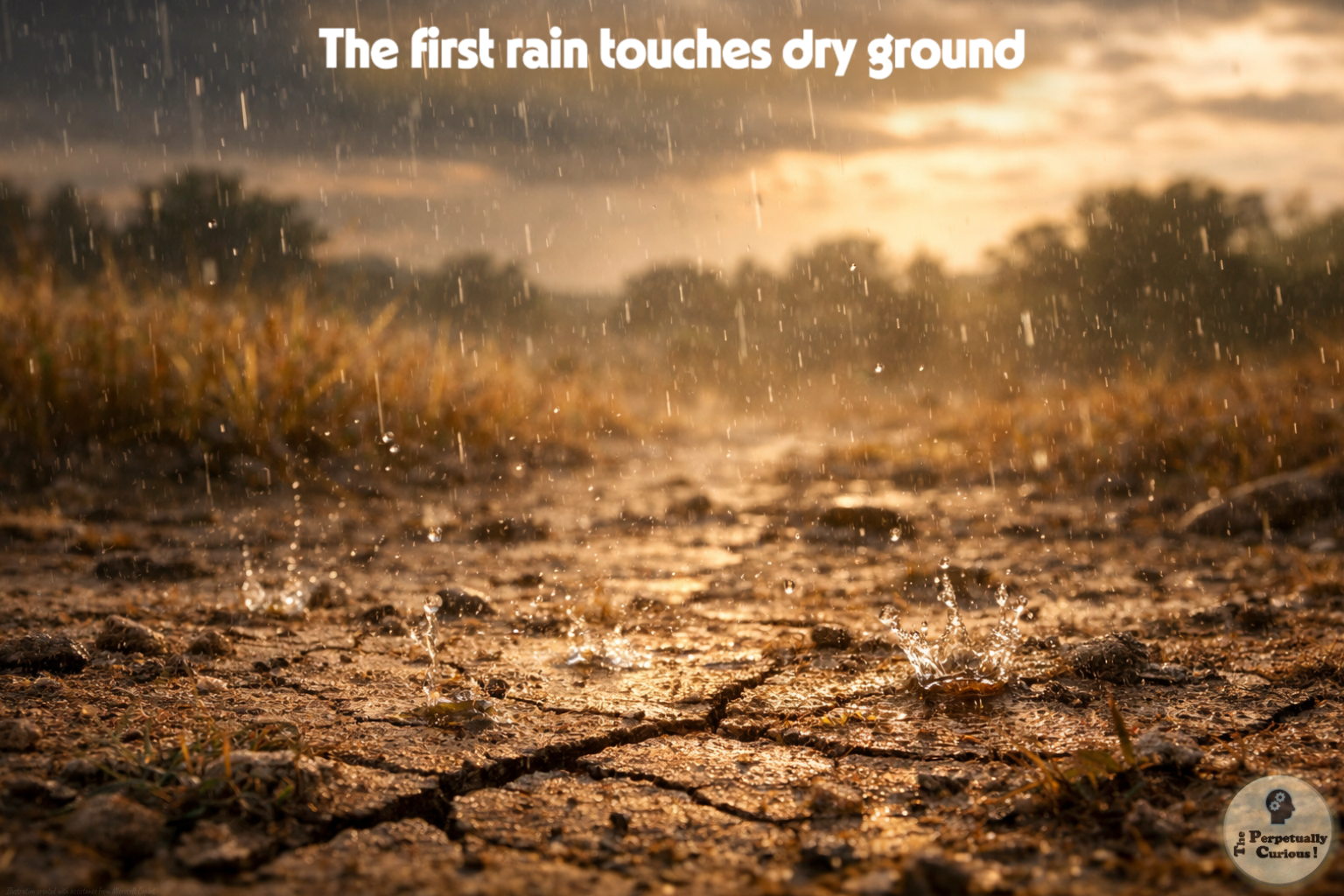
🌧️ Petrichor: How First Rain Lifts Earth’s Hidden Scent
From section: When raindrops become tiny scent liftersWhen raindrops become tiny scent lifters A raindrop hitting dry, porous ground is a small impact event.
- The Perpetually Curious! › Archives › Planet EarthArticle
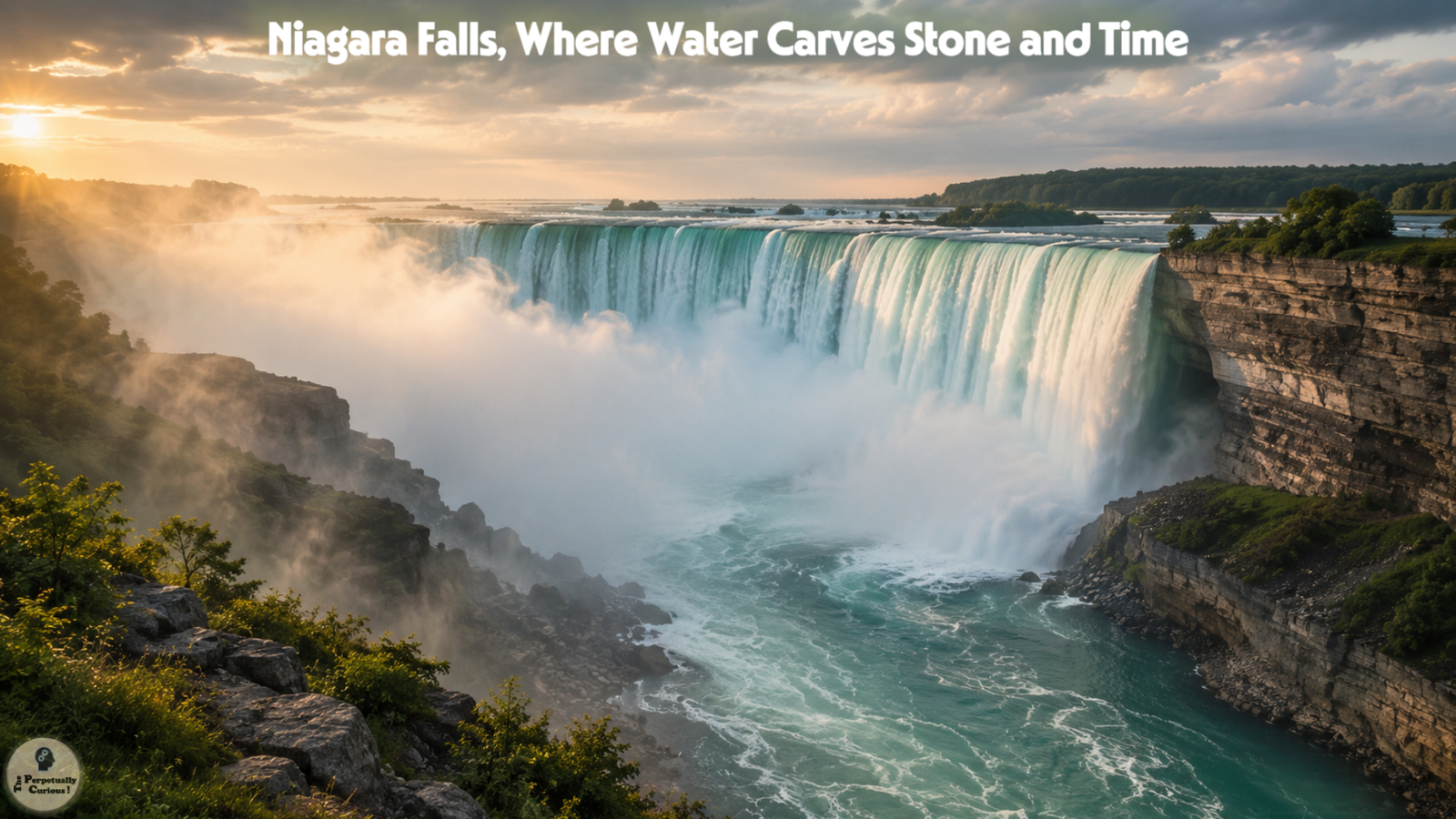
🌊 Niagara Falls Facts: How Water Turns Stone Into Time
When Niagara Falls first appears through its mist, it can feel like a single spectacular drop. But the falls are better understood as a place where a much larger water system briefly becomes visible. The water is not arriving from nowhere.
- The Perpetually Curious! › Archives › Planet EarthArticle
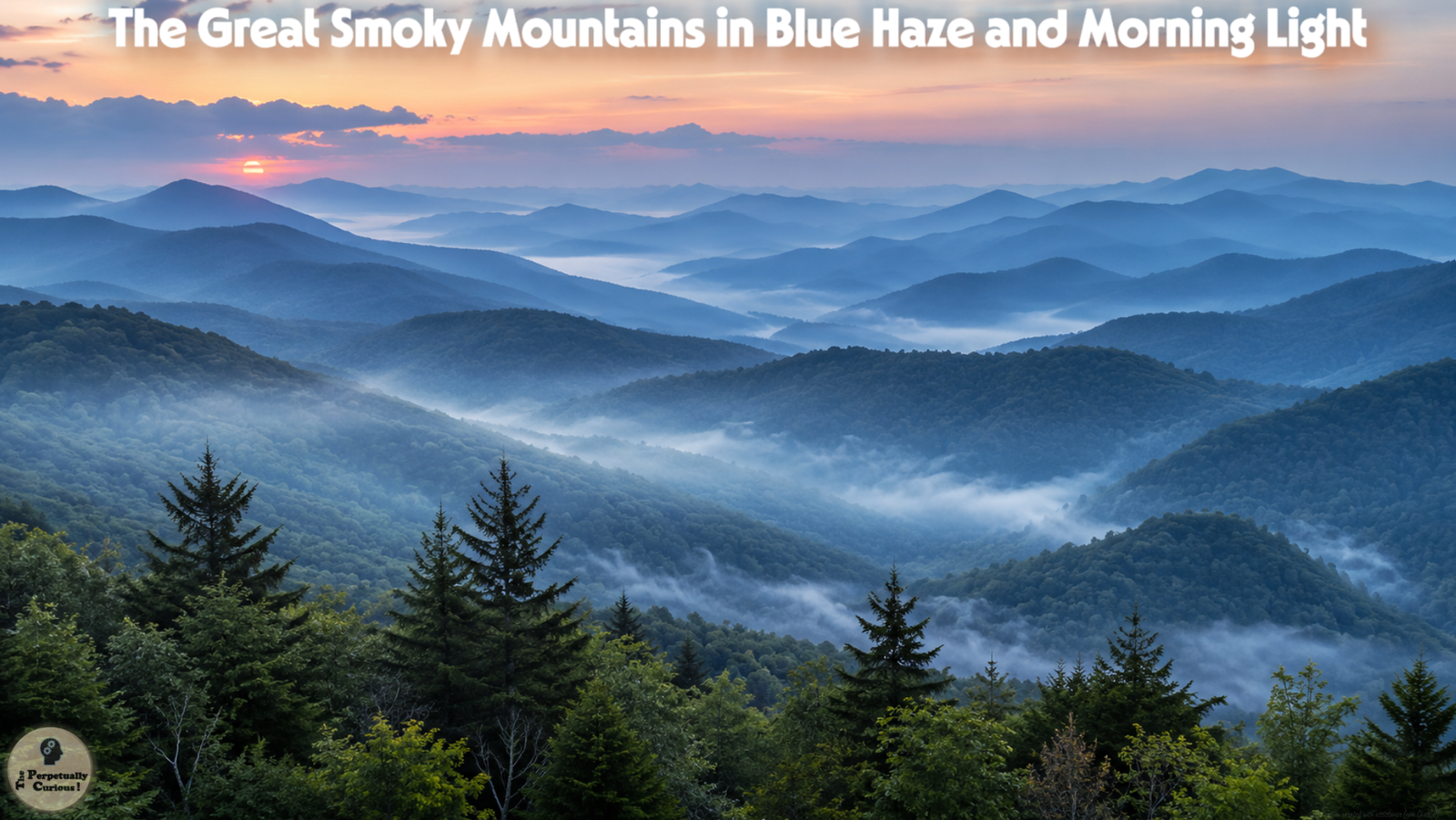
🌫️ Why the Great Smoky Mountains Fade into Blue Haze
From section: The forest helps make the hazeAbove broad forested slopes, these particles become part of the atmosphere through which distant ridges are seen.
- The Perpetually Curious! › Archives › Planet EarthArticle
🌊 Underwater Sound: How Echoes Measure Distance
From section: Why sound carries the first clueThis is why underwater sound can become a kind of measuring language rather than only a sensation.
- The Perpetually Curious! › Archives › Planet EarthArticle
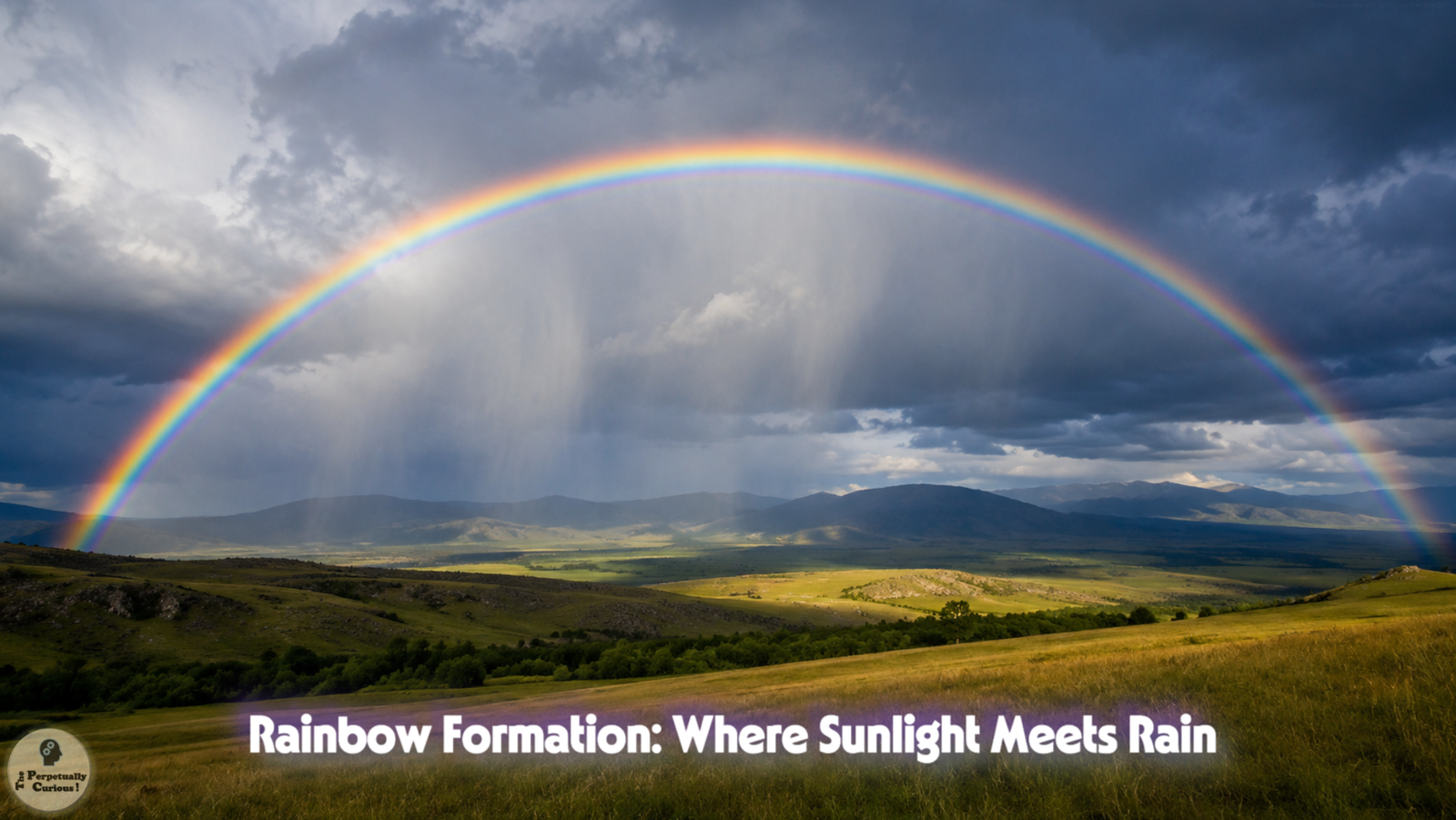
🌈 Rainbow Formation: Why Every Observer Sees a Different Arc
A rainbow can look like a colored bridge resting on a distant valley, field, or line of trees. Yet the arc is not anchored to that landscape. It is assembled for a particular observer by a particular set of illuminated water droplets.
- The Perpetually Curious! › Archives › Planet EarthArticle
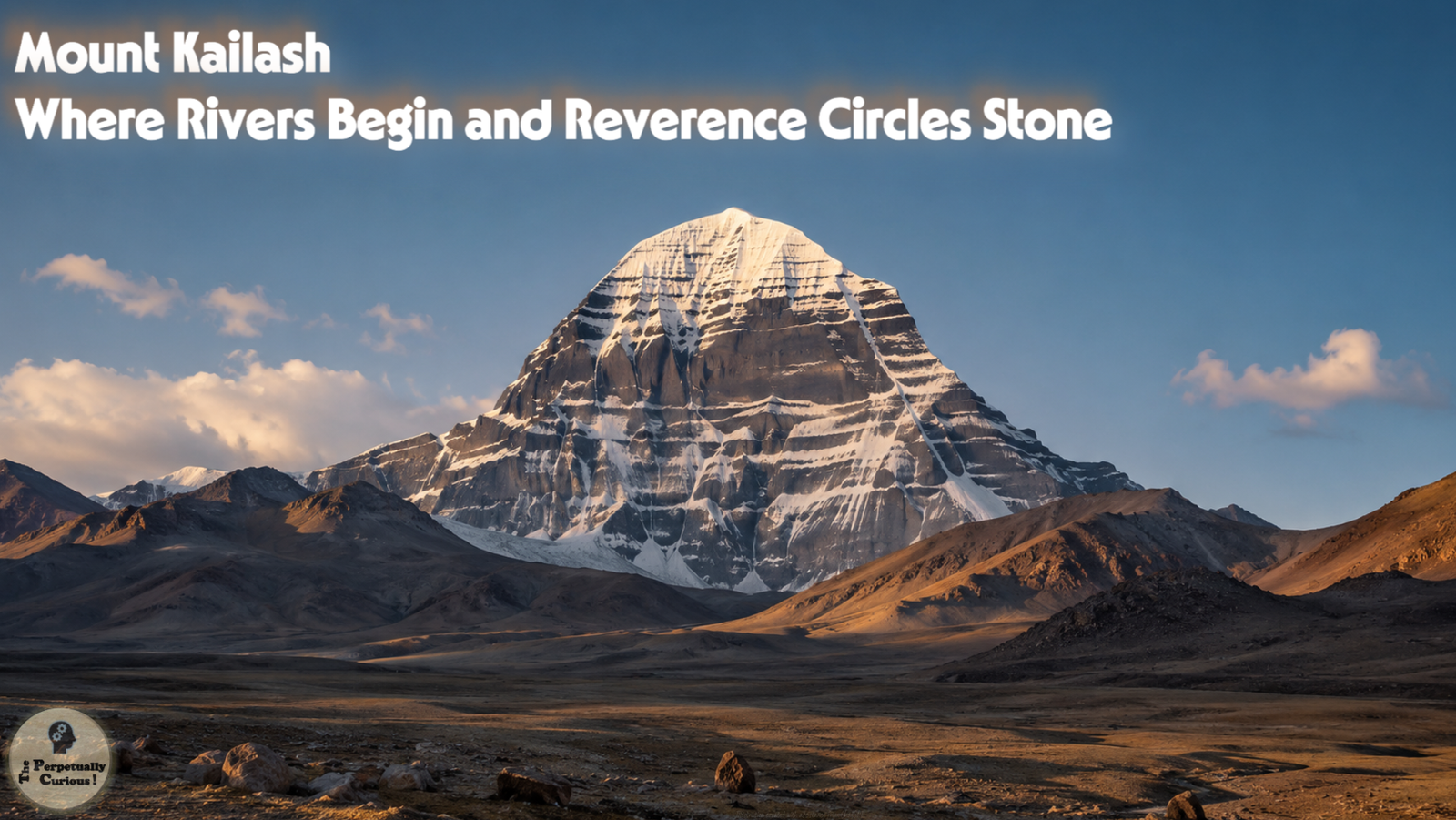
🏔️ Mount Kailash: Why a Sacred Summit Is Circled, Not Climbed
Mount Kailash is often described through reverence, but its power begins with geography. On the western Tibetan Plateau, the mountain rises as a sharply recognizable summit of snow, dark rock, and open sky. It is high, about 21,778 feet (6,638 meters), yet its significance does…
- The Perpetually Curious! › Archives › Planet EarthArticle
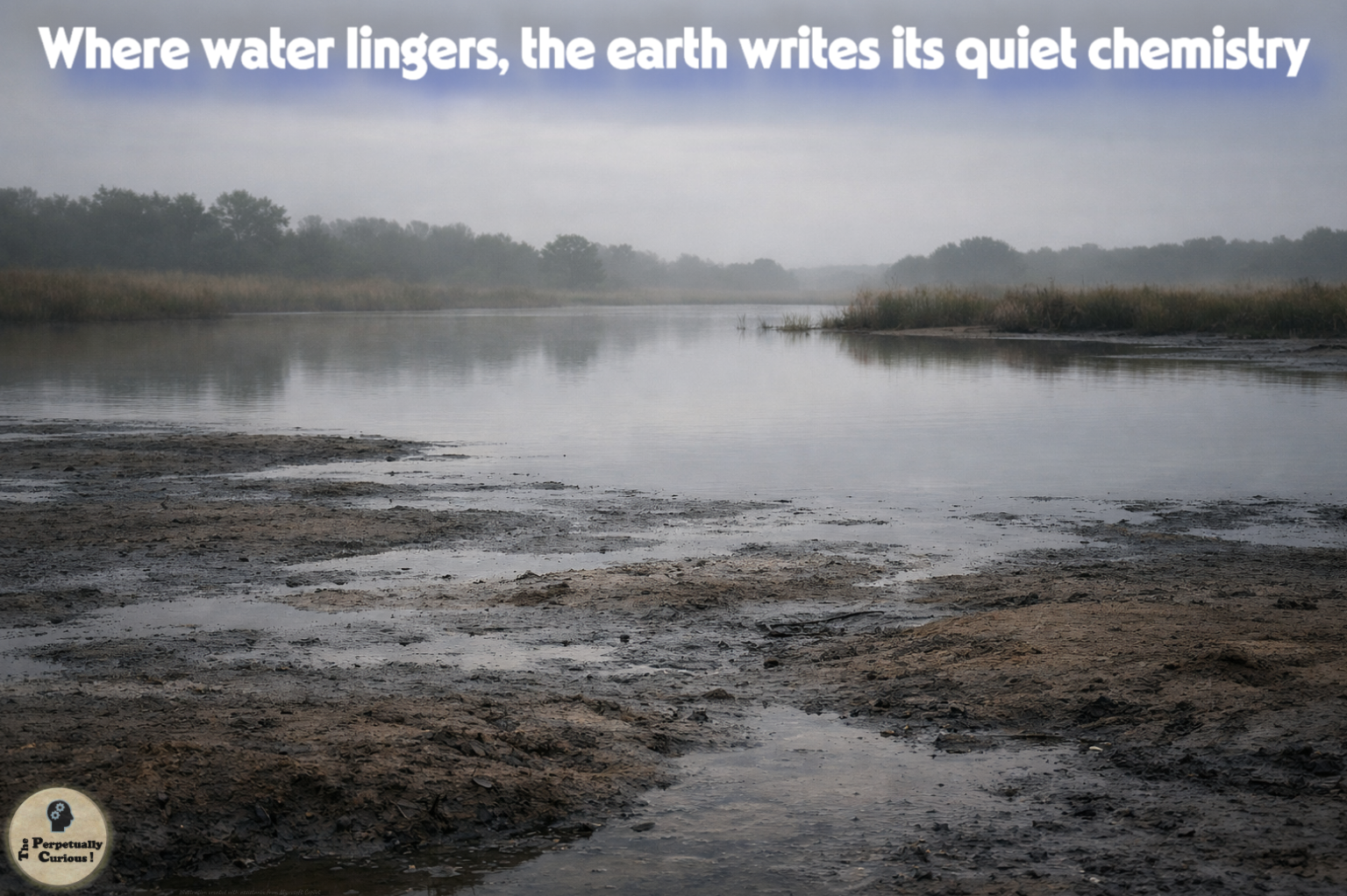
🌍 Why Mud Is Brown or Black: What Wet Soil Reveals
A wet patch of ground can look ordinary until its color begins to speak. Brown mud on a path, gray mud beside a pond, and black mud in a marsh are not simply different degrees of dirtiness.