Explore by topic, question, or idea. Find articles, reflections, videos, puzzles, and curiosity pathways gathered across the site.
Press Enter or select Search. A newly typed query starts globally; filters are applied only through the visible rail.
175 results for “how seeds become cooking oil”
- The Perpetually Curious! › Archives › Botanical WondersArticle
The Banyan Tree: Nature's Living Cathedral 🌳
Opening: Where One Becomes Many In the botanical world, few organisms challenge our understanding of individuality quite like the banyan tree. Ficus benghalensis, as scientists know it, can begin life as an epiphyte germinating in the branches of another tree, though it can also…
- The Perpetually Curious! › Archives › PhysicsArticle
✨ Clean Chemistry: The Curious Physics Behind Soap Bubbles
From section: 🧪 Amphiphilic Molecules at WorkThey break the oils into tiny droplets, dispersing and emulsifying them so that water and oil can finally mix.
- The Perpetually Curious! › Archives › Cosmic ExplorationArticle
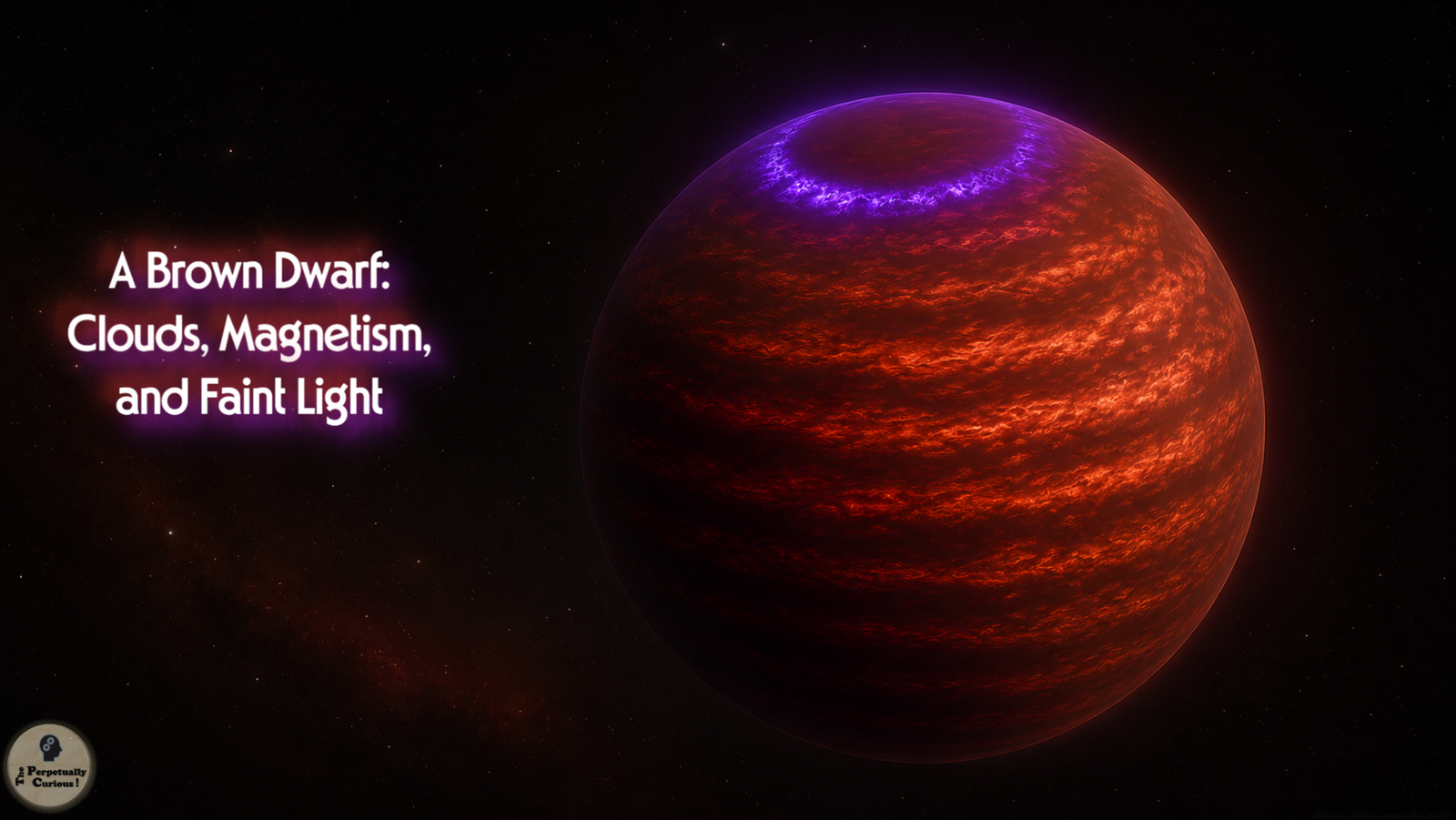
🌟 Brown Dwarfs: Why Stellar Ignition Never Takes Hold
Astronomers often use about 13 times Jupiter’s mass as a practical lower boundary because deuterium burning can become possible near that scale, although models place the threshold from roughly 11 to 16 Jupiter masses.
- The Perpetually Curious! › Archives › Wilderness & Homestead CreaturesArticle
🐝🌸 Pollinators: The Silent Architects of Our Food and Ecosystems
From section: 🌸 IntroductionWhen compatible pollen reaches a stigma, the process can lead to fertilization and the formation of seeds, often together with fruit development.
- The Perpetually Curious! › ArchivesArticle
👀 In View Today: A Daily Visual Gateway into Curiosity
From section: Where the view leadsOthers open toward living systems, distant places, human inventions, cultural practices, or patterns that become visible only when we slow down long enough to notice them.
- The Perpetually Curious! › Archives › Environment & SustainabilityArticle
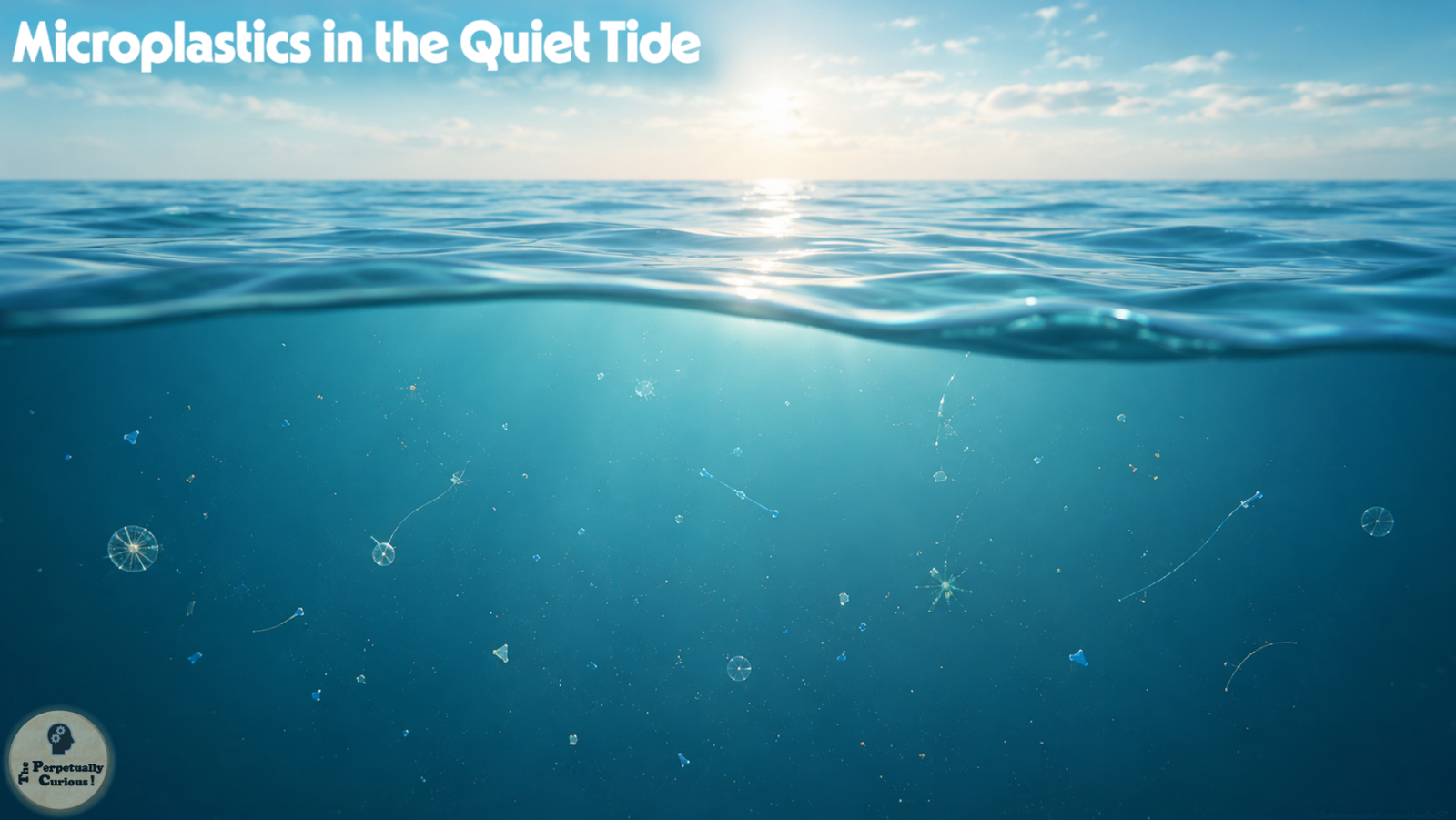
🌊 Microplastics in the Ocean: How Tiny Fragments Travel
Others mix downward, become coated with organic matter, or settle into sediment.
- The Perpetually Curious! › Archives › Cosmic ExplorationArticle
🌌 When Worlds Shine: Why Some Planets Outglow Others in Our Night Sky
When these ideas come together, the familiar points of light become characters in a quiet celestial drama.Read more »
- The Perpetually Curious! › Archives › PhysicsArticle
🌫️ How Radar Listens to the Sky: The Quiet Science Behind the Sweep
This article follows that journey from the first whisper of a pulse to the structured images that appear on weather maps, tracing how physical principles become the patterns that many viewers recognize on their screens.
- The Perpetually Curious! › Archives › PhysicsArticle
🦈 Why Do Sharks Float? The Science Behind Their Buoyancy
From section: 🌊 Opening DiveAs cartilaginous fishes, many sharks approach near‑neutral buoyancy through a combination of oil‑rich livers, lightweight skeletons, and hydrodynamic lift.
- The Perpetually Curious! › CanonicalGateway
🌿 Botanical Wonders | ▶️ Videos
From section: 🌱 How plants livePlant life extends beyond what is immediately visible. Roots, fungi, chemistry, water, light, neighboring organisms, and changing environmental conditions can all become part of how plants persist within living systems.