Explore by topic, question, or idea. Find articles, reflections, videos, puzzles, and curiosity pathways gathered across the site.
Press Enter or select Search. A newly typed query starts globally; filters are applied only through the visible rail.
15 results for “technology”
- The Perpetually Curious! › Archives › PhysicsArticle
🔬 The Light That Sees Through You: How X-Rays Illuminate the Hidden World Within
On the evening of November 8, 1895, a quiet laboratory in Würzburg, Germany, became the setting for one of science's most luminous accidents. Wilhelm Conrad Röntgen, a methodical and deeply curious physicist, had been experimenting with cathode ray tubes, which were sealed glass…
- The Perpetually Curious! › Archives › Wilderness & Homestead CreaturesArticle
The Silkworm: Nature's Liquid Moonlight Architect 🐛
In mulberry groves across the globe, from ancient Chinese highlands to Brazilian plantations, lives a moth that cannot fly, a creature so transformed by five millennia of human partnership that it can no longer survive independently in the wild.
- The Perpetually Curious! › Archives › Engineering & TechnologyArticle
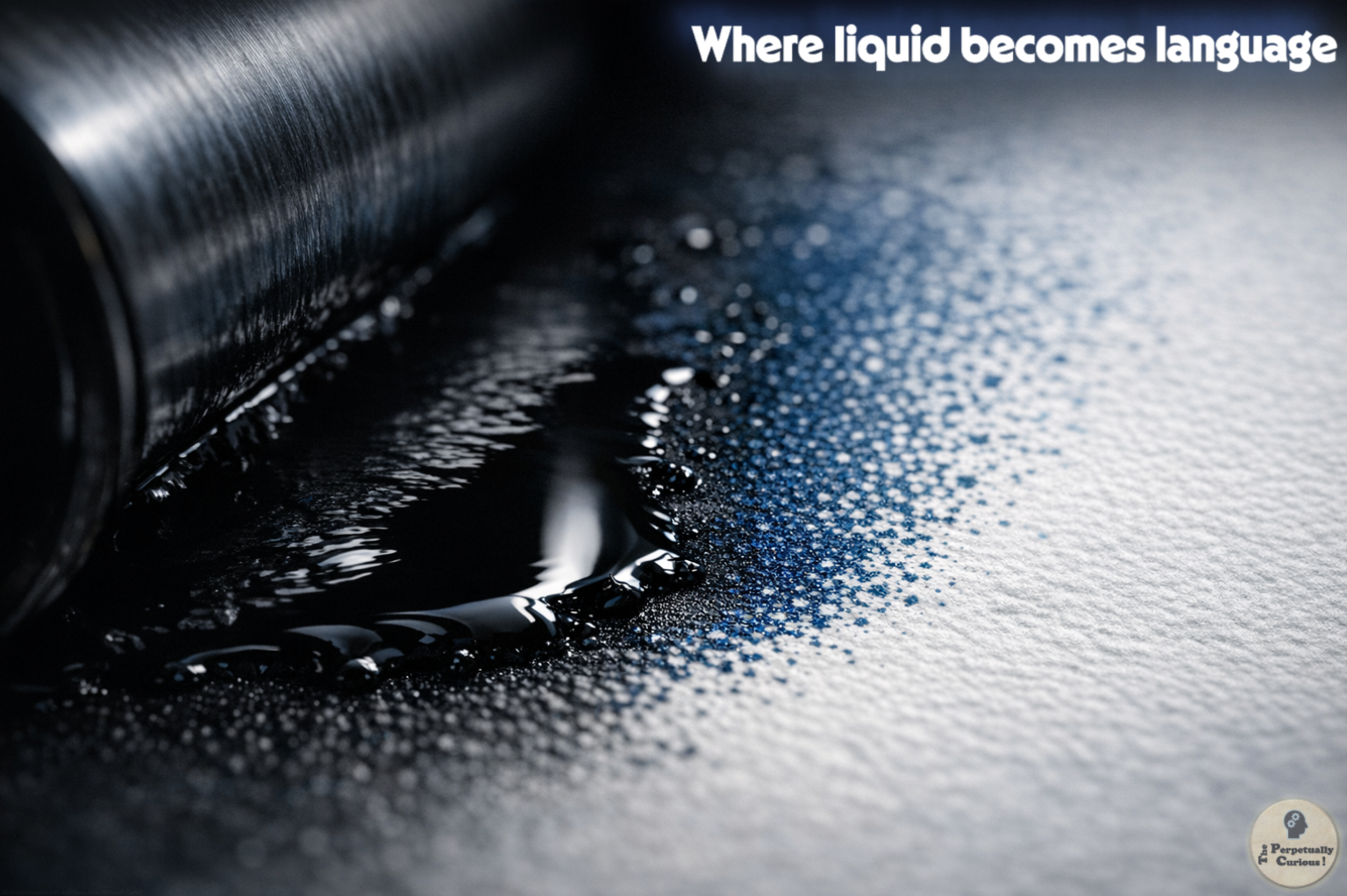
🖋️ Printing Ink: What Happens When a Wet Drop Meets Paper
Freshly printed letters look complete almost as soon as they appear. At the microscopic scale, however, the mark is still becoming itself. A thin liquid film has just struck a surface made of fibers, pores, coatings, and air spaces.
- The Perpetually Curious! › Archives › Engineering & TechnologyArticle
🚂 Train Engines: How Steam, Diesel, and Electricity Reach the Wheels
At a railway station, the source of motion can announce itself in very different ways. A steam locomotive breathes through exhaust beats and visible vapor. A diesel locomotive carries a steady mechanical pulse. An electric train may leave with little more than the sound of…
- The Perpetually Curious! › Archives › Cosmic ExplorationArticle
🌞 The Solar Wind: When the Sun Breathes Across Space
Though invisible to our eyes, this cosmic current shapes Earth’s environment, drives space weather, and even fuels storms that can disrupt technology on Earth, and it is why space‑weather forecasters watch the Sun every day.