Explore by topic, question, or idea. Find articles, reflections, videos, puzzles, and curiosity pathways gathered across the site.
Press Enter or select Search. A newly typed query starts globally; filters are applied only through the visible rail.
6 results for “the naming of the months in our calendar”
- The Perpetually Curious! › Canonical › Planet EarthArticle
🌑 How Coal Is Formed: The Slow Birth of Black Stone Across Deep Time
From section: 🌍 Coal in Earth’s long storyThe ranks of coal also carry a hidden calendar, because each stage of coalification reflects not only the nature of the original peat but also the burial, heating, and geological history that followed. …
- The Perpetually Curious! › Canonical › Planet EarthArticle
🌏 When the Pacific Breathes Warm: El Niño and the Changing Rhythms of Rain
From section: Frequently Asked Questions+Can El Niño be predicted several years in advance? Scientists can often estimate the likelihood of El Niño several months before it becomes established, although forecast confidence varies with season and lead time. …
- The Perpetually Curious! › Canonical › Planet EarthArticle
🏔️ Mount Kailash: A Summit Where Water, Story, and Sky Converge
From section: 🌱 A fragile high altitude environmentPilgrimage seasons concentrate human activity into specific months, increasing pressure on trails, campsites, and water sources. Waste management and erosion control become important considerations, especially in areas where soil is thin and easily disturbed.
- The Perpetually Curious! › Canonical › Planet EarthArticle
🌇 When the Sky Becomes a Painting: Why Clouds Glow Red and Orange at Sunset on Earth
From section: 🌫 The influence of particles, haze, and distant eventsVolcanic eruptions and wildfires can create unusually vivid twilight displays across entire regions. Fine ash and sulfate aerosols can linger in the upper atmosphere for months, enhancing reds and purples long after the original event has passed. …
- The Perpetually Curious! › Canonical › Planet EarthArticle
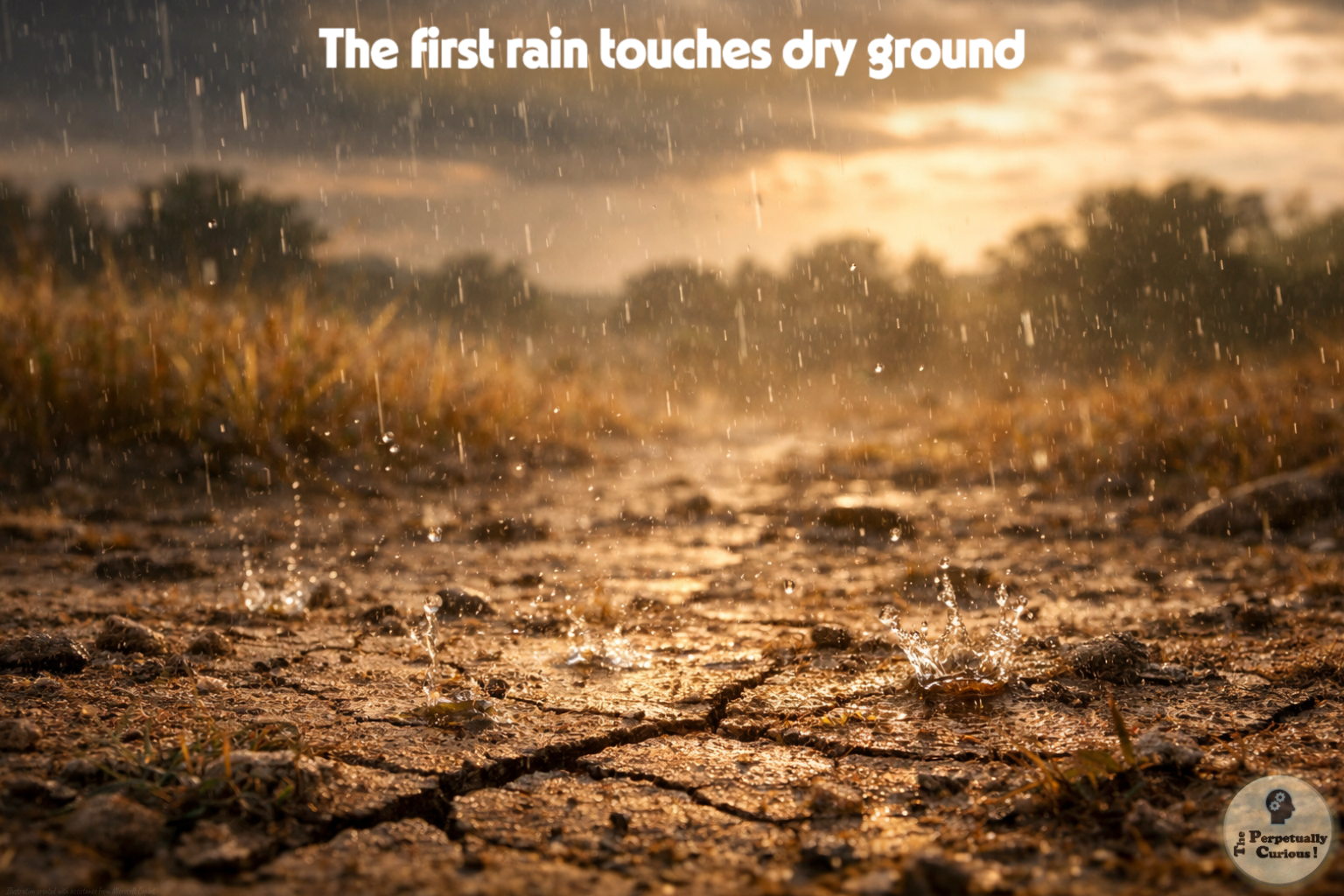
🌧️ When Earth Begins to Breathe: Why Rain Smells the Way It Does
From section: 🌍 A name for the smell of rain… These expressions show that the experience is widespread, even if the scientific term arrived only recently. The naming of petrichor prompted scientists to investigate its chemical origins, revealing that the smell is not simply “wetness,” but a complex blend of compounds shaped by soil, life, and atmosphere.
- The Perpetually Curious! › Archives › Planet EarthArticle
🌧️ Petrichor: How First Rain Lifts Earth’s Hidden Scent
From section: Why the scent changes from place to placeThe larger version on our main site keeps the wider landscape intact, including the naming of petrichor, microbial chemistry, cultural language, storm ozone, regional soils, and the question of why Earth’s rain has no true twin on other worlds.