Explore by topic, question, or idea. Find articles, reflections, videos, puzzles, and curiosity pathways gathered across the site.
Press Enter or select Search. A newly typed query starts globally; filters are applied only through the visible rail.
203 results for “the quiet science of cooking oils”
- The Perpetually Curious! › Archives › Wilderness & Homestead CreaturesArticle
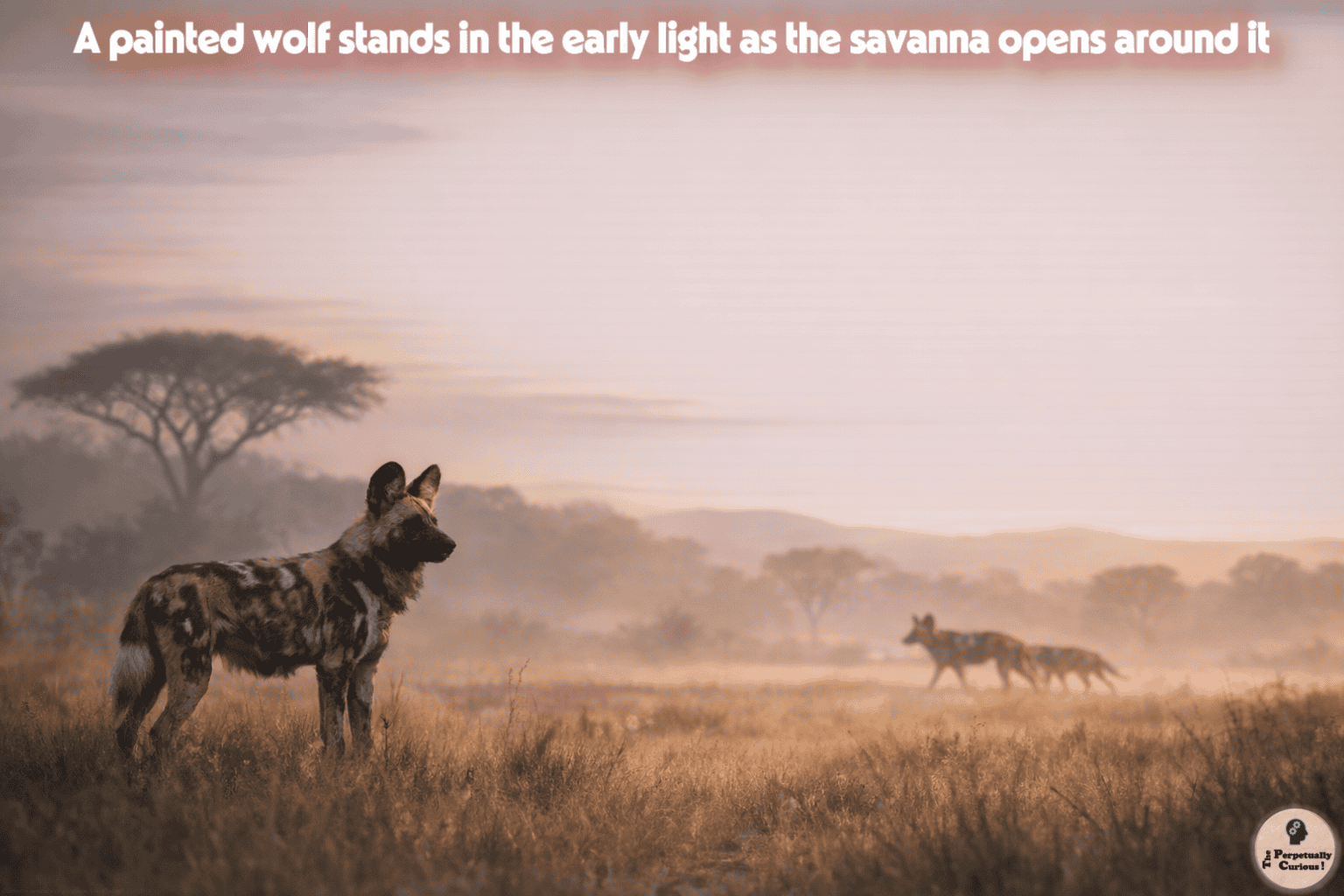
🐾 African Wild Dogs: How Their Pack Life Carries the Hunt
From section: How movement becomes a strategyFacebook X WhatsApp Threads Mastodon Bluesky Pinterest LinkedIn Email Copy Link 🐾 Continue exploring this theme More connected articles on wildlife, homestead companions, animal behavior, and the quiet ecologies shaping life around us are gathered on The Perpetually Curious! website.
- The Perpetually Curious! › Archives › Engineering & TechnologyArticle
🏭 Petroleum Refining: How Crude Oil Begins to Transform
From section: Why separation is not the finishVacuum distillation solves part of that problem by lowering pressure, which lowers boiling temperatures and allows heavier gas oils to be recovered with less thermal stress.
- The Perpetually Curious! › Archives › Planet EarthArticle
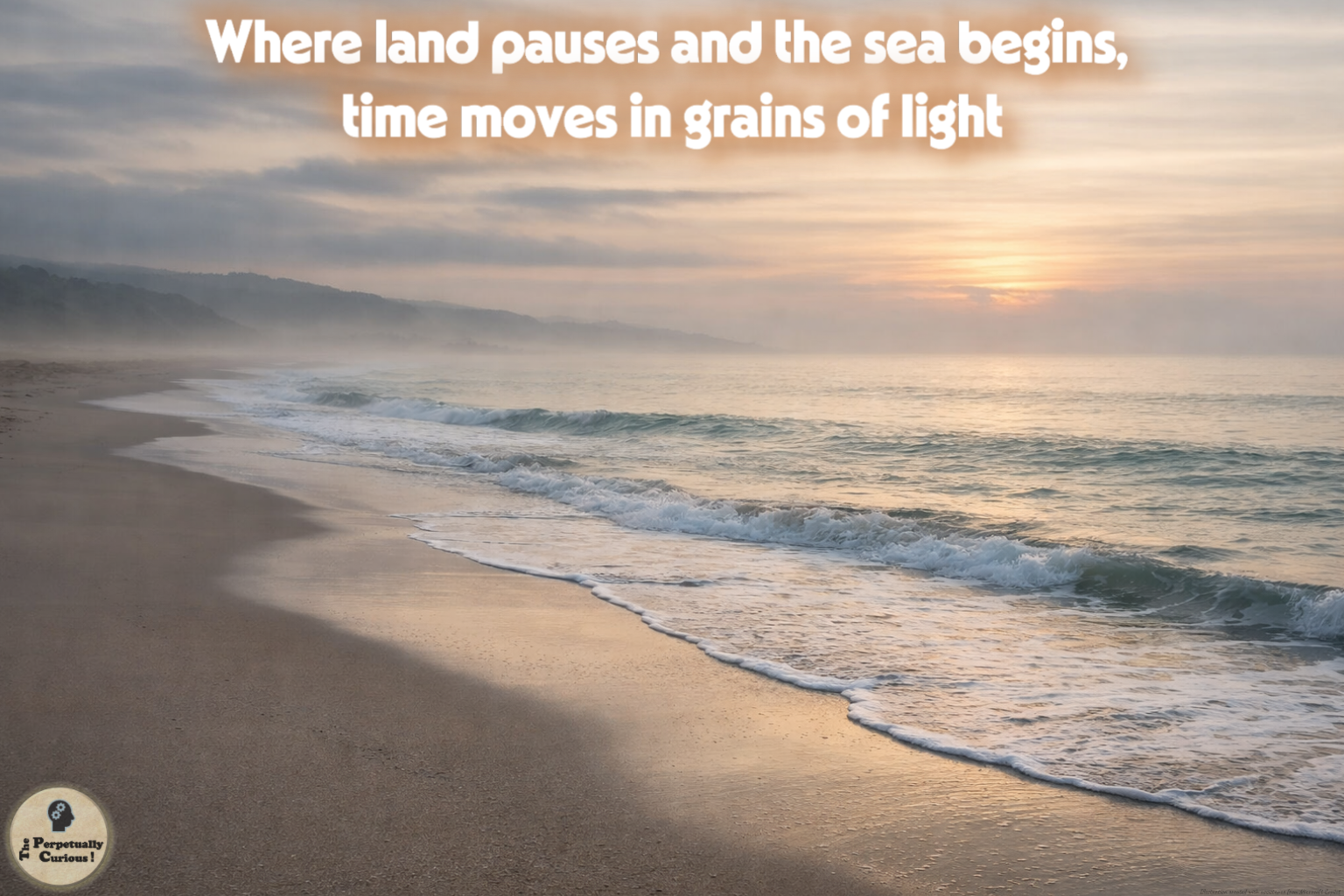
🌊 Why Beaches Have Sand
From section: Where the full story continuesThe full article on The Perpetually Curious continues into how different sources and environments give beaches their varied colors, textures, and compositions, and how these patterns connect to the wider science of coasts and sediment.
- The Perpetually Curious! › CanonicalGateway
🧬 Biology & Health | 🎞️ Visual Roll
This Biology & Health visual roll explores the forms and functions that define life, from cells, microbes, and body systems to the rhythms, signals, and structures that support human health across scales. Explore the full 🧬 Biology & Health | Articles collection.
- The Perpetually Curious! › Archives › Biology & HealthArticle
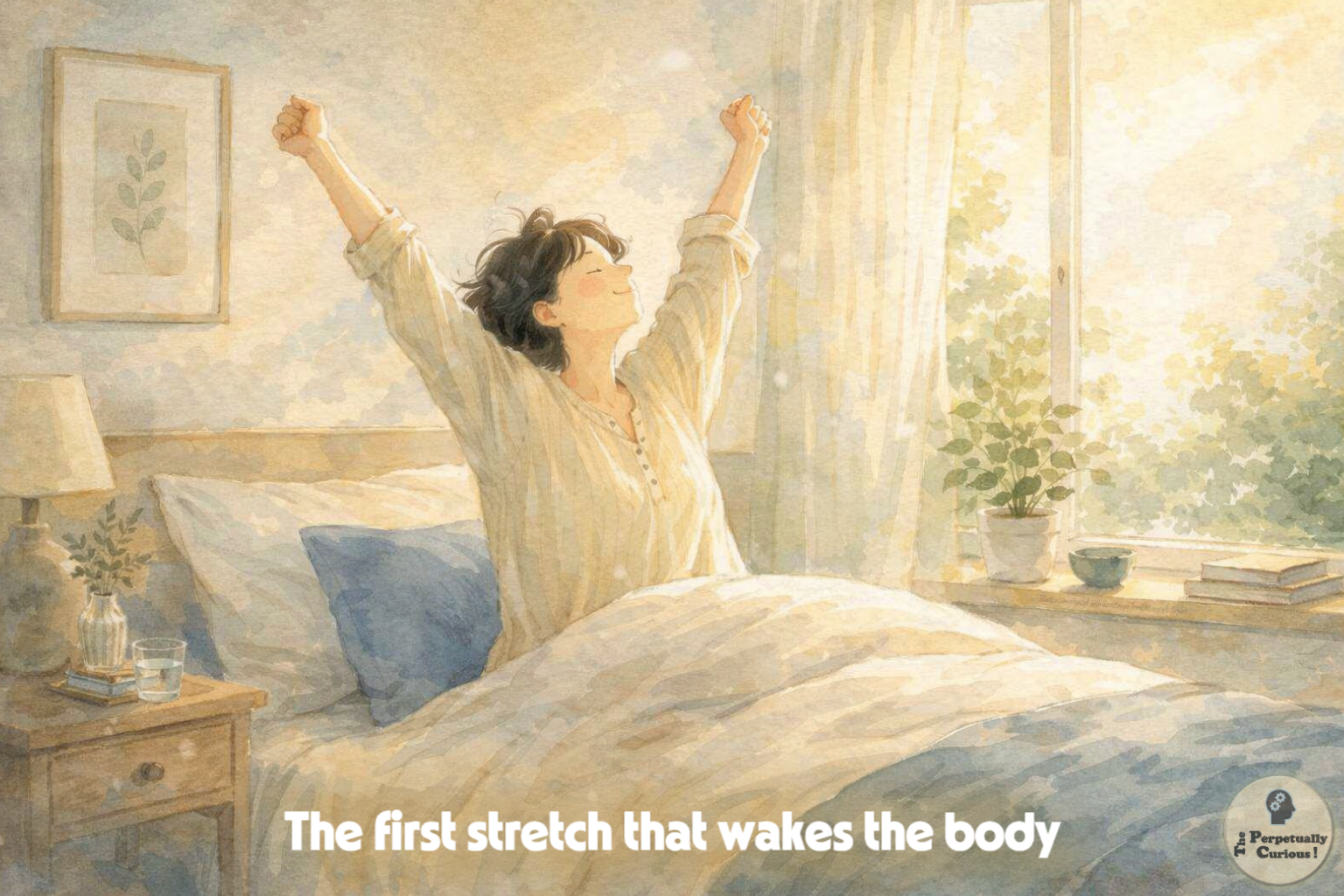
🌅 Pandiculation: How the Waking Stretch Restores Body Awareness
Before the eyes fully focus or the mind has assembled the day, the body may begin moving on its own. The arms rise, the chest opens, the back lengthens, and several muscles tighten before easing into release. This familiar sequence has a scientific name: pandiculation.
- The Perpetually Curious! › CanonicalGateway
🔎 Fingerprints and Palm Lines: Why Two Hand Patterns Took Different Paths
The historical fork is therefore more subtle than “science read the fingers while culture read the palm.” The same hand offered several kinds of visible information, and different practices learned to value different features. …
- The Perpetually Curious! › CanonicalGateway
🧪 Chemistry | ✍️ Articles
From section: 📍 Where to BeginWhen Water Turns Gentle: The Science and Story of Water SofteningStart with chemistry hidden inside something familiar: dissolved calcium and magnesium, ion exchange, precipitation, and the changing behavior of ordinary water.
- The Perpetually Curious! › CanonicalGateway
🌱 Environment & Sustainability | ✍️ Articles
From section: 📍 Where to BeginLiquid Trees: Microalgae Photobioreactors and the Quiet Art of Urban BreathingExplore a different side of the theme: an emerging urban environmental technology whose promise depends on biology, engineering, maintenance, scale, and realistic expectations.
- The Perpetually Curious! › CanonicalGateway
👁️ The Reflection Lens
… It may begin with something simple: the chemistry of a star, the rhythm of a heartbeat, the pattern of a leaf, or the instinct of an animal. Through reflection, it becomes a quiet shift in perspective, a way of sensing how the smallest detail belongs to a larger story.
- The Perpetually Curious! › CanonicalGateway
🐾 Wilderness & Homestead Creatures | ▶️ Videos
From section: 🦩 Why Do Flamingos Stand on One Leg?Balance, anatomy, thermoregulation, and the science behind an iconic posture.