Explore by topic, question, or idea. Find articles, reflections, videos, puzzles, and curiosity pathways gathered across the site.
Press Enter or select Search. A newly typed query starts globally; filters are applied only through the visible rail.
66 results for “the quiet science of mirrors”
- The Perpetually Curious! › Archives › Cosmic ExplorationArticle
🌌 The Hunt for the Invisible: Understanding Dark Matter Through Science's Greatest Detective Story
The universe is keeping a secret from us. About 85 percent of all the matter that exists remains stubbornly invisible, refusing to interact with light yet shaping everything we see. This invisible substance, which scientists call dark matter, represents one of the most profound…
- The Perpetually Curious! › Archives › ChemistryArticle
🌊 Colligative Properties – The Art and Science of Solution Dynamics
🔬 Introduction to Colligative Properties In the study of solutions, there is a remarkable set of physical behaviors known as colligative properties. These properties are distinctive because they depend only on the number of solute particles present in a solution, not on the…
- The Perpetually Curious! › Archives › Botanical WondersArticle
🌱 Grafting: Where Science and Art Take Root
🌿 What is grafting? Grafting is the practice of joining two plants so they grow as one. The upper part, the scion, carries buds or shoots, and the lower part, the rootstock, provides the foundation and root system. When their tissues align and heal, the two plants merge into a single organism.
- The Perpetually Curious! › Archives › Wilderness & Homestead CreaturesArticle
🦩 Why Do Flamingos Stand on One Leg? The Science Behind Their Iconic Pose
Flamingos are instantly recognizable for their vivid pink plumage, long slender legs, and graceful presence in shallow lakes and lagoons. Among their most distinctive traits is the habit of standing on one leg, a posture that often appears serene and effortless. This behavior is…
- The Perpetually Curious! › Archives › Planet EarthArticle
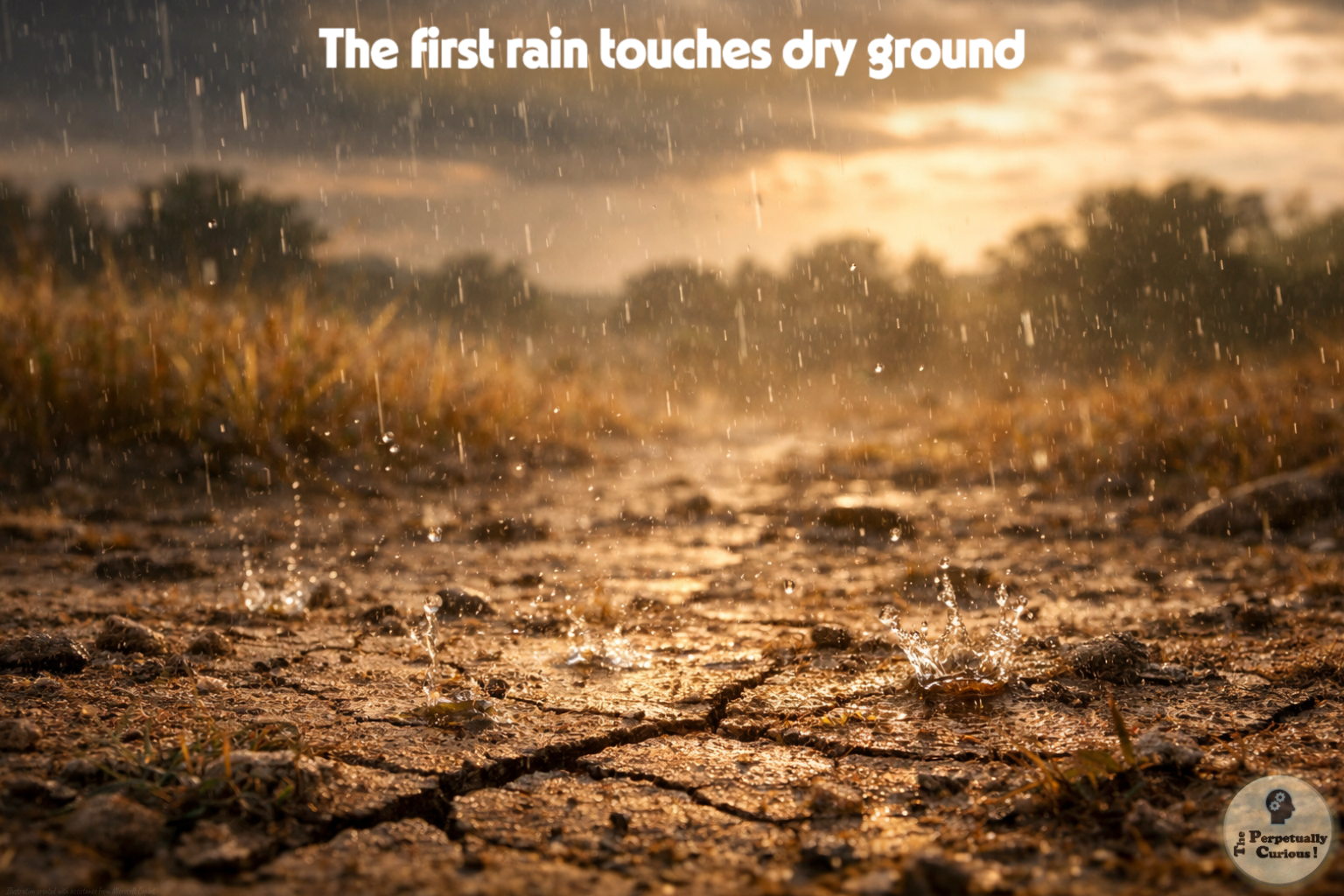
🌧️ Petrichor: How First Rain Lifts Earth’s Hidden Scent
The smell of rain often arrives before we think about its science. A dry path darkens, a garden bed drinks in the first drops, and a scent rises that seems older than the moment itself. It can feel as if rain has a fragrance of its own, but the water is only part of the story.
- The Perpetually Curious! › Archives › Wilderness & Homestead CreaturesArticle
🐻 Sleeping Giants of Winter: How Bear Hibernation Rewrites the Rules of Survival
From section: ❄️ A quiet den beneath the snowThis quiet endurance feels almost mythical, but it rests on a physiology that has evolved with remarkable precision.Read more »
- The Perpetually Curious! › ArchivesArticle
👀 In View Today: A Daily Visual Gateway into Curiosity
The selection may lead toward science, nature, history, engineering, culture, or another part of the wider collection.
- The Perpetually Curious! › Archives › PhysicsArticle
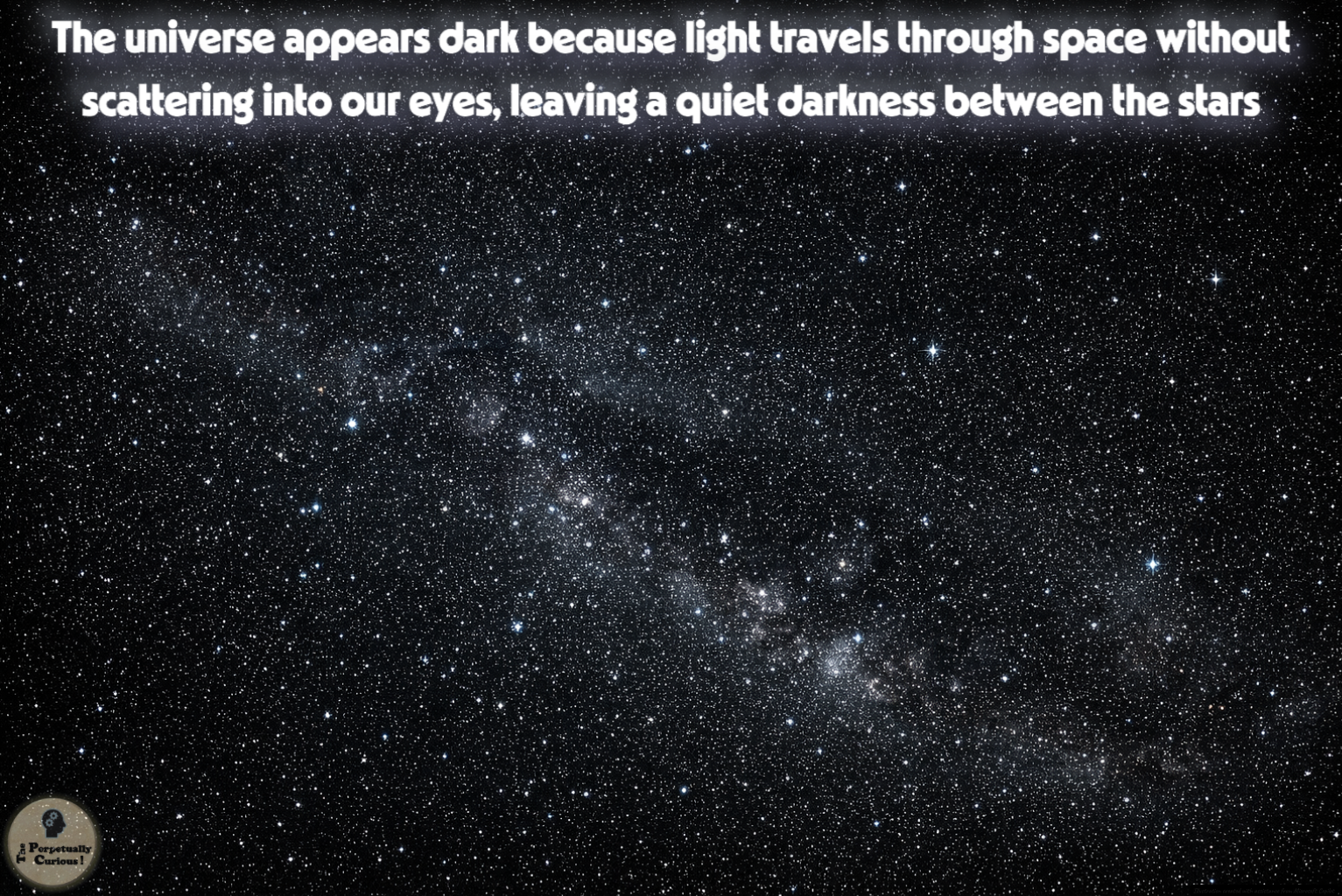
🌌 Why Space Looks Dark: Light, Matter, and the Quiet Cosmos
Space can look surprisingly dark, even in a universe filled with stars. That darkness is not simply the absence of light. It is often the result of how light travels, what it meets, and what it does not meet. On Earth, daylight becomes a bright blue sky because sunlight…
- The Perpetually Curious! › Archives › History, Arts, and CultureArticle
The Living Colors of Tradition: Where Chemistry Meets Cultural Wisdom in Natural Dyes 🎨
The transformation of white cloth into vibrant color represents one of humanity's oldest intersections between science and culture. Long before chemists understood molecular structures and electron orbitals, traditional dyers around the world were conducting sophisticated…
- The Perpetually Curious! › Archives › PhysicsArticle
🌍 When Worlds Pull: Gravity Across the Planets and What It Reveals About Them
Gravity is the quiet sculptor of the cosmos. It shapes the paths of planets, guides the drift of moons, and anchors every step taken on the surface of a world. When we compare gravity across the Solar System, we begin to see how each planet carries its own gravitational signature.