Explore by topic, question, or idea. Find articles, reflections, videos, puzzles, and curiosity pathways gathered across the site.
Press Enter or select Search. A newly typed query starts globally; filters are applied only through the visible rail.
66 results for “the quiet science of mirrors”
- The Perpetually Curious! › Archives › Planet EarthArticle
🏔️ Mount Kailash: Why a Sacred Summit Is Circled, Not Climbed
From section: A mountain approached by distanceThe core idea is a quiet pattern: water flows away, travelers circle near, and meaning gathers around a summit that remains beyond ascent.
- The Perpetually Curious! › Archives › Wilderness & Homestead CreaturesArticle
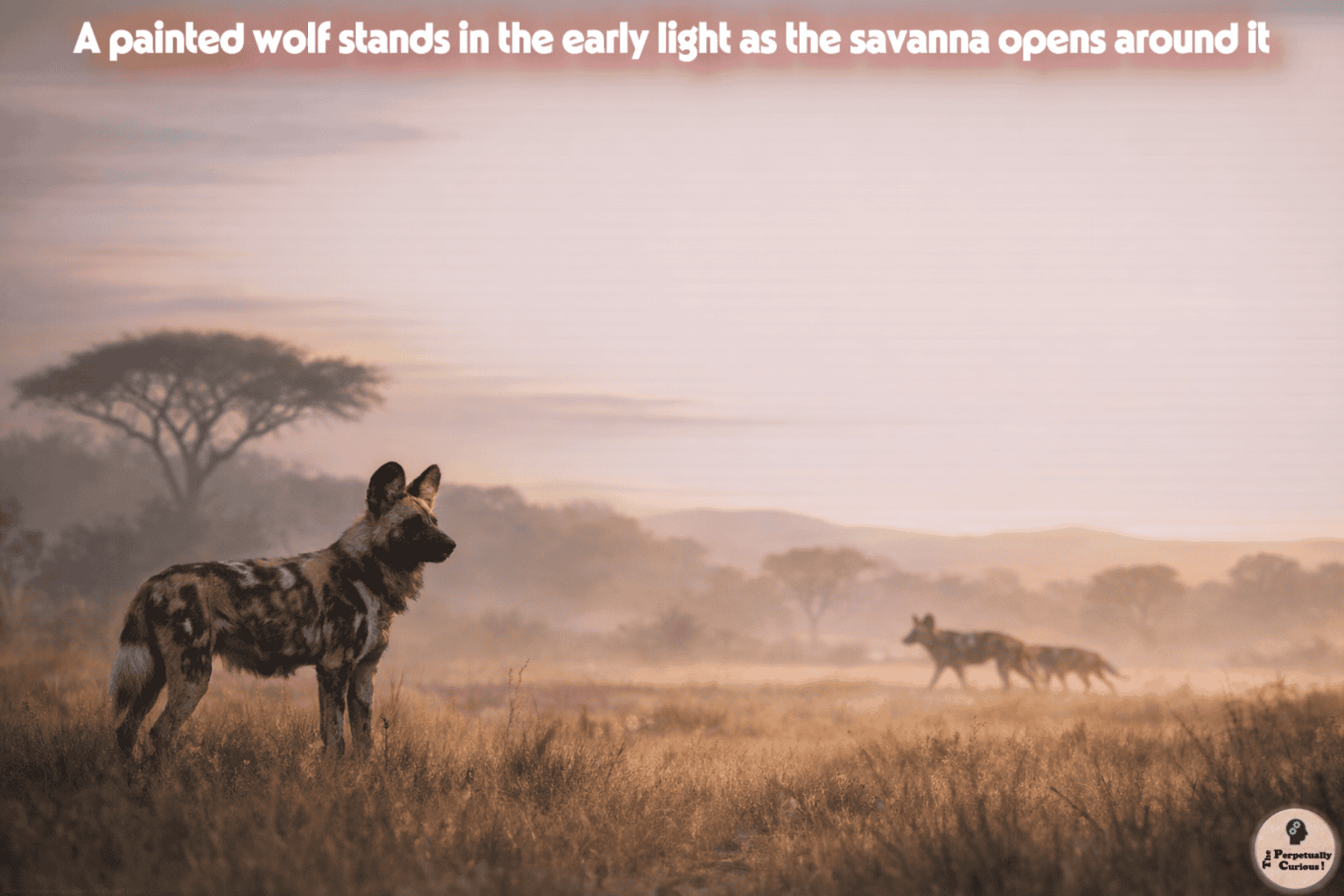
🐾 African Wild Dogs: How Their Pack Life Carries the Hunt
From section: How movement becomes a strategyFacebook X WhatsApp Threads Mastodon Bluesky Pinterest LinkedIn Email Copy Link 🐾 Continue exploring this theme More connected articles on wildlife, homestead companions, animal behavior, and the quiet ecologies shaping life around us are gathered on The Perpetually Curious! website.
- The Perpetually Curious! › Archives › Planet EarthArticle
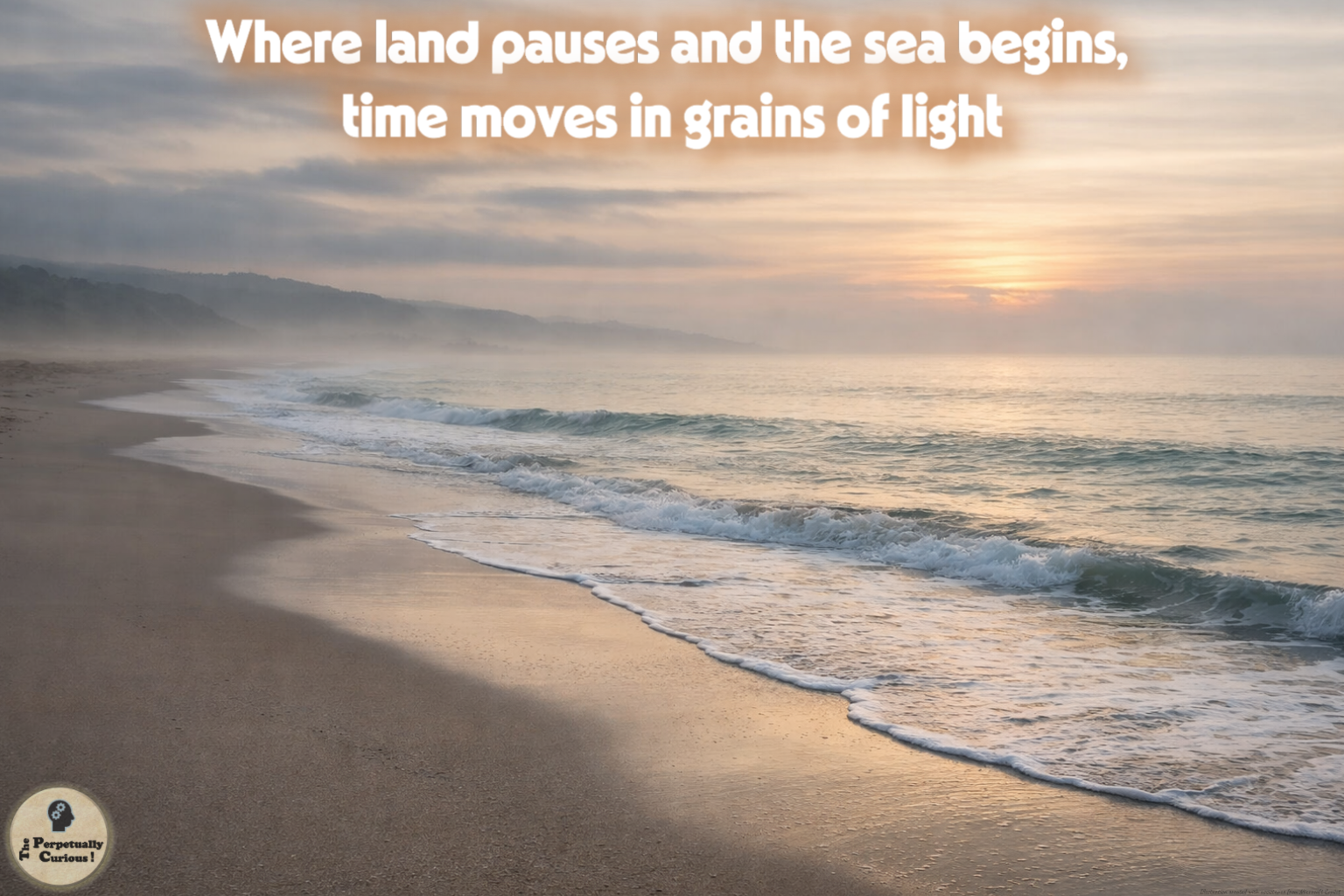
🌊 Why Beaches Have Sand
From section: Where the full story continuesThe full article on The Perpetually Curious continues into how different sources and environments give beaches their varied colors, textures, and compositions, and how these patterns connect to the wider science of coasts and sediment.
- The Perpetually Curious! › Archives › Cosmic ExplorationArticle
🔭 The Ten Largest Moons in Our Solar System: A Journey Through Worlds of Ice, Fire, and Hidden Oceans
The solar system is often introduced as a family of planets circling the Sun, yet some of its most remarkable landscapes belong to the moons that accompany those planets. These moons are not passive companions. They are worlds with their own histories, atmospheres, oceans, and internal heat.
- The Perpetually Curious! › Archives › Biology & HealthArticle
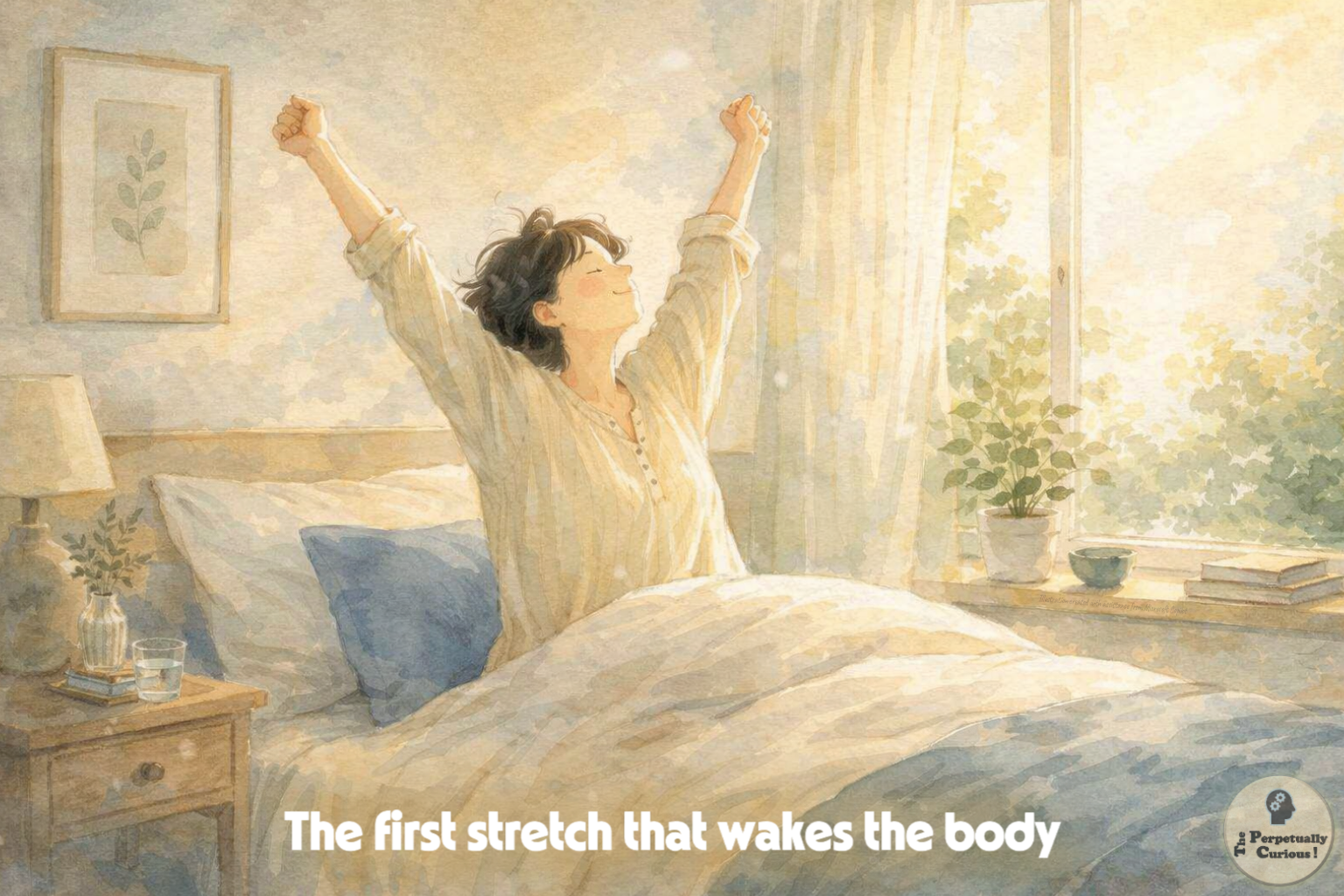
🌅 Pandiculation: How the Waking Stretch Restores Body Awareness
Before the eyes fully focus or the mind has assembled the day, the body may begin moving on its own. The arms rise, the chest opens, the back lengthens, and several muscles tighten before easing into release. This familiar sequence has a scientific name: pandiculation.
- The Perpetually Curious! › ArchivesGateway
TPC8 | Mathematics (MATH) ➗ Index
Quiz MATH‑004 | 📊 Logarithms in Science