Explore by topic, question, or idea. Find articles, reflections, videos, puzzles, and curiosity pathways gathered across the site.
Press Enter or select Search. A newly typed query starts globally; filters are applied only through the visible rail.
203 results for “the quiet science of mirrors”
- The Perpetually Curious! › Archives › Engineering & TechnologyArticle
🖋️ Printing Ink: What Happens When a Wet Drop Meets Paper
From section: 📄 What remains after the motion stopsThe broader science and living history of printing ink follows how pigments, binders, printing systems, curing methods, lifespans, and changing human uses extend far beyond this single meeting between liquid and page.
- The Perpetually Curious! › Archives › Engineering & TechnologyArticle
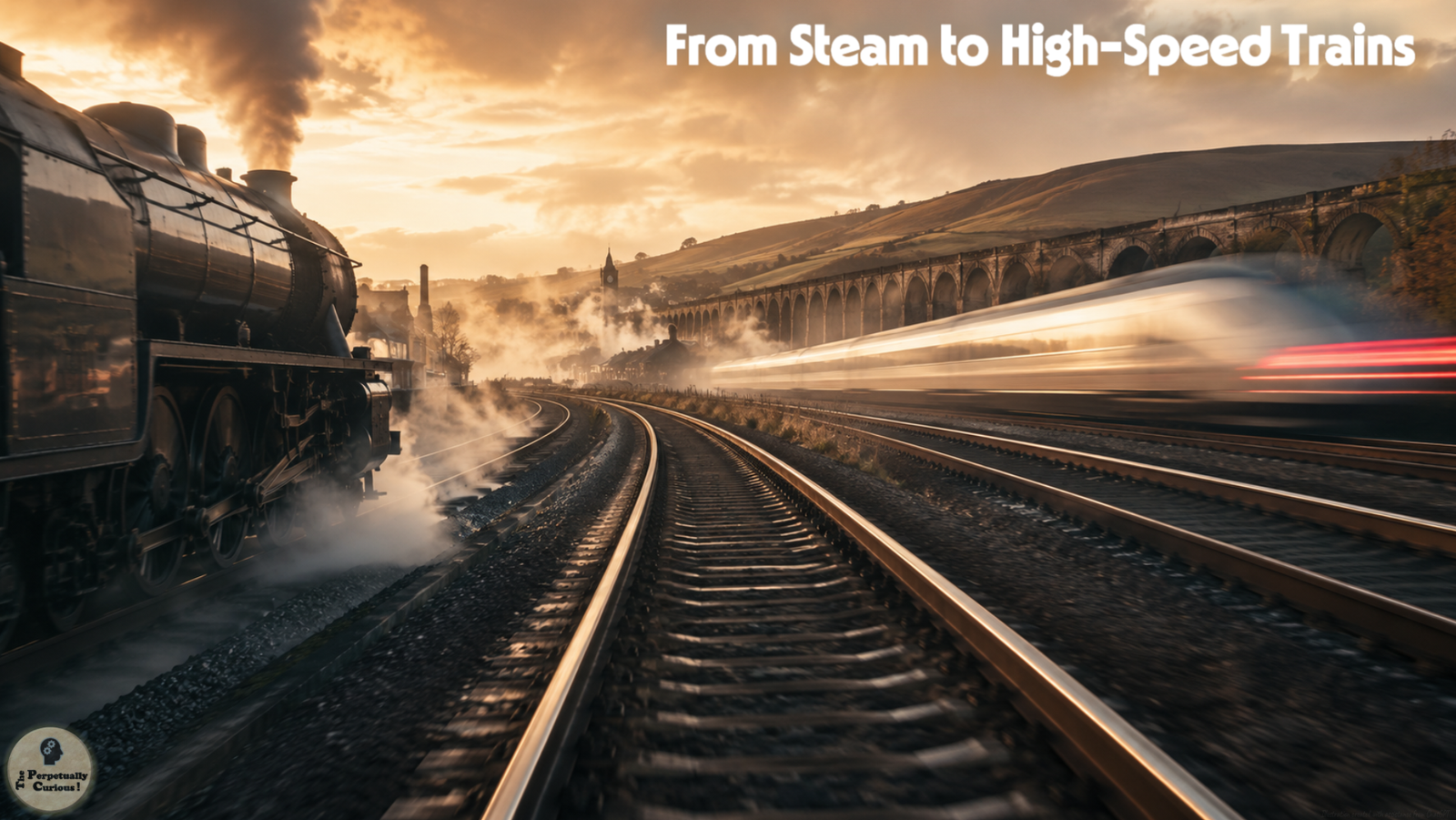
🚂 Train Engines: How Steam, Diesel, and Electricity Reach the Wheels
From section: 🚆 One track, several answers to the same questionThe rails remain the quiet constant beneath these changes.
- The Perpetually Curious! › Archives › History, Arts, and CultureArticle
🌿 Why Henna Stains Fingertips More Deeply Than Other Skin
From section: A design guided by living topographyThe pattern may be drawn by an artist, but its final appearance is also completed by the quiet architecture of the hand.
- The Perpetually Curious! › Archives › Planet EarthArticle
🌫️ Why the Great Smoky Mountains Fade into Blue Haze
The effect is one of the region's defining sights, but the name “Smoky” begins with a quiet interaction among trees, moisture, airborne particles, and sunlight.
- The Perpetually Curious! › Archives › Cosmic ExplorationArticle
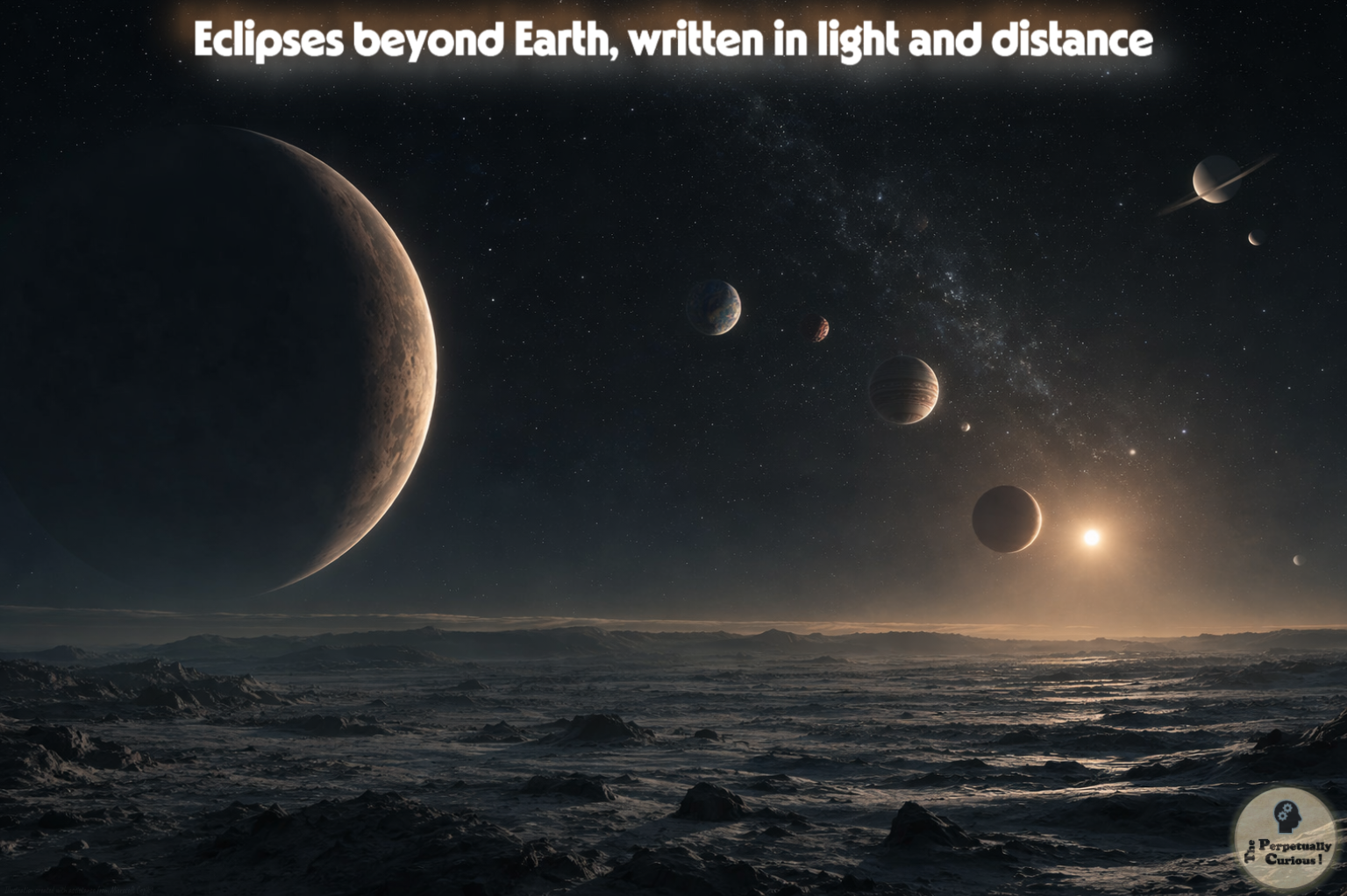
🌘 Eclipses Across the Solar System: When Shadows Travel
From section: Atmosphere, rings, and distanceThis is the quiet beauty of eclipses across the Solar System.
- The Perpetually Curious! › Archives › Wilderness & Homestead CreaturesArticle
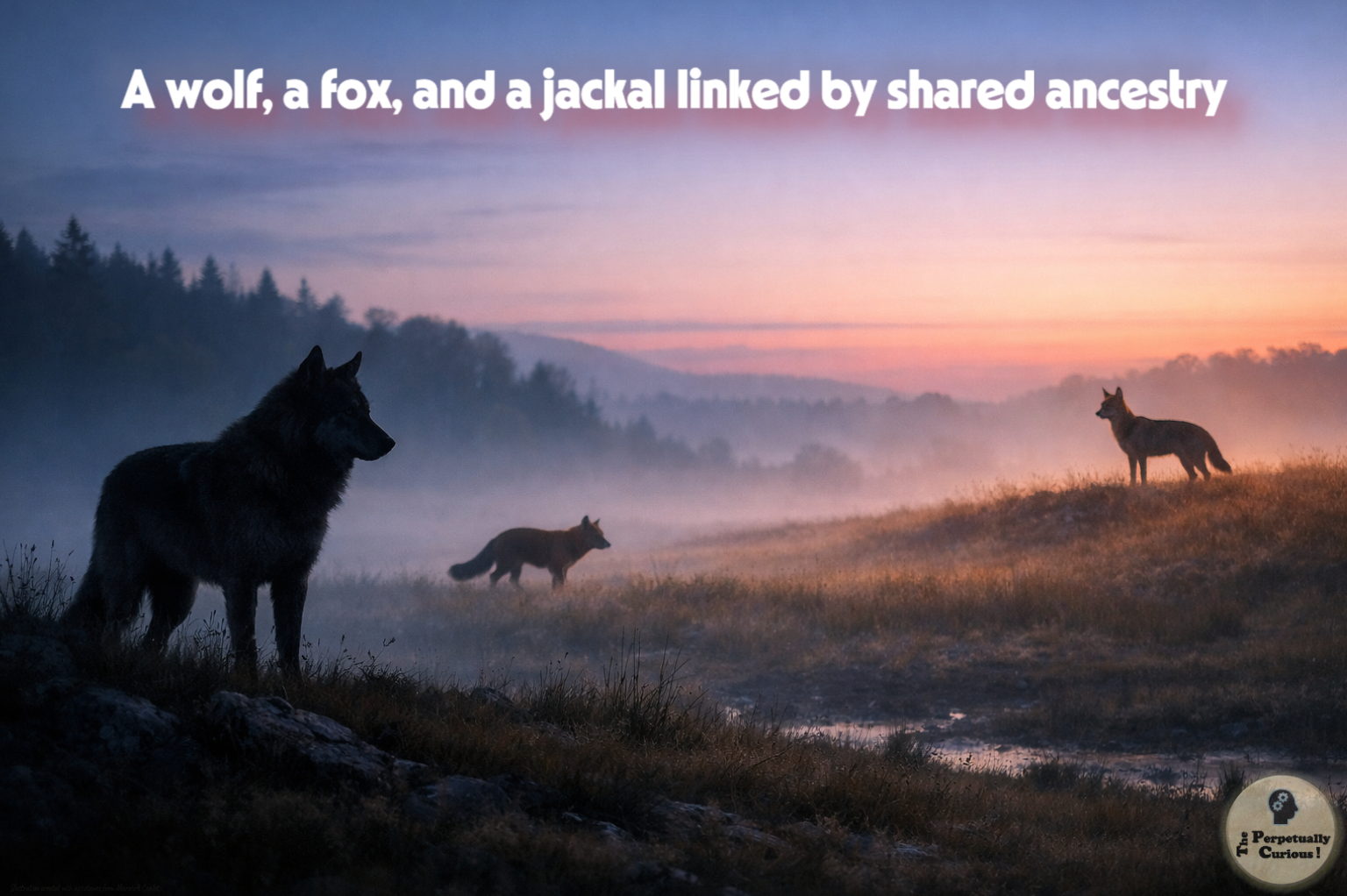
🐾 Wolves, Foxes, and Jackals: One Family, Many Survival Paths
From section: Scent, motion, and the logic of placeIt arrives through scent traces, faint sounds, tracks, wind direction, and the quiet messages left by other animals.
- The Perpetually Curious! › Archives › Engineering & TechnologyArticle
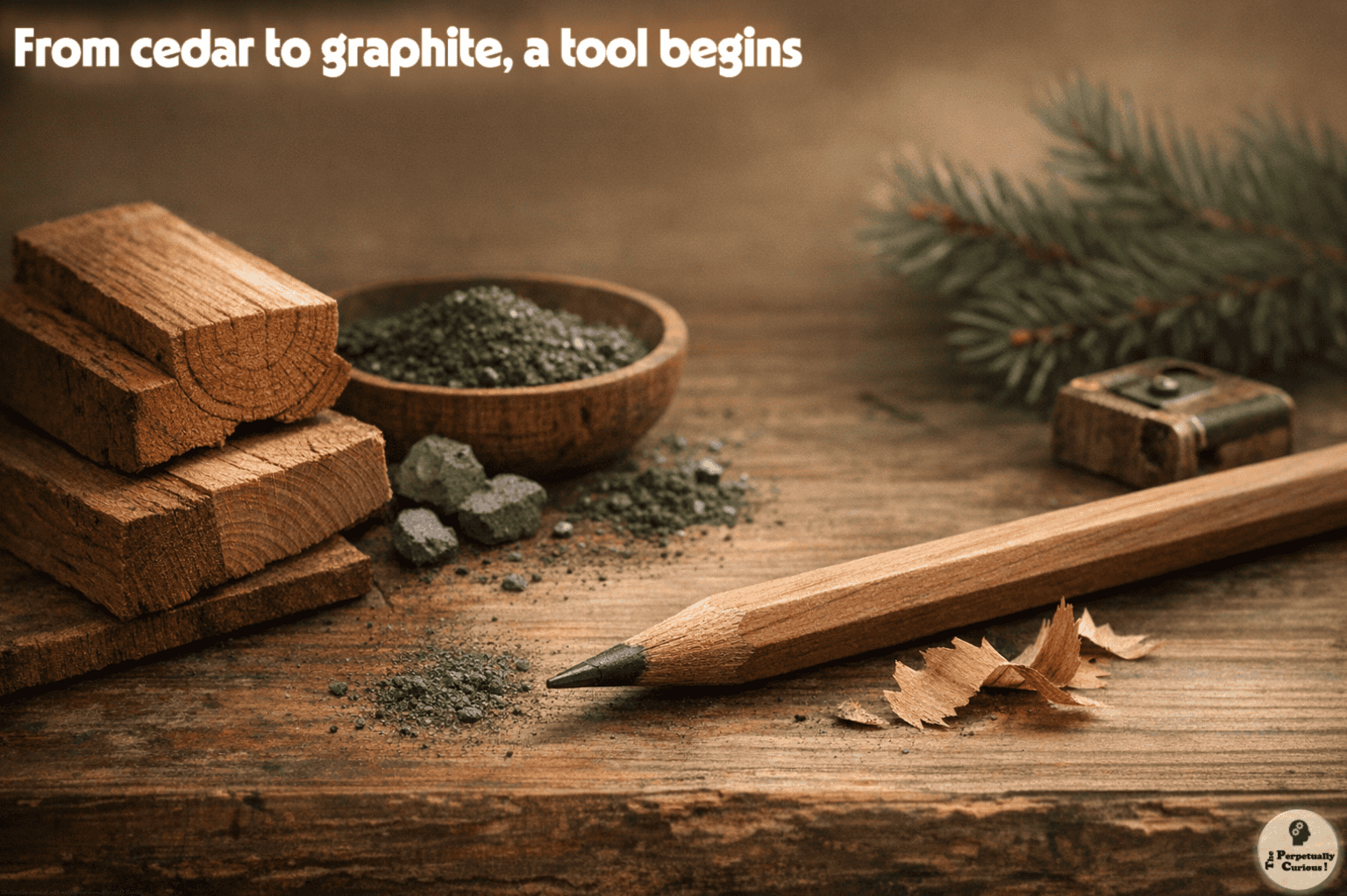
✏️ Pencil Making: How Graphite and Cedar Become a Line
From section: Why graphite needs clayIn this quiet balance, pencil making becomes a form of controlled material design, where a simple line depends on the behavior of minerals under pressure, heat, and friction.
- The Perpetually Curious! › Archives › Planet EarthArticle
🌊 Underwater Sound: How Echoes Measure Distance
From section: Why sound carries the first clueThose variations matter deeply in the full science of underwater acoustics, but the entry point is direct: if the speed of sound is known closely enough, the travel time of an echo can be used as a measuring tool.
- The Perpetually Curious! › Archives › Planet EarthArticle
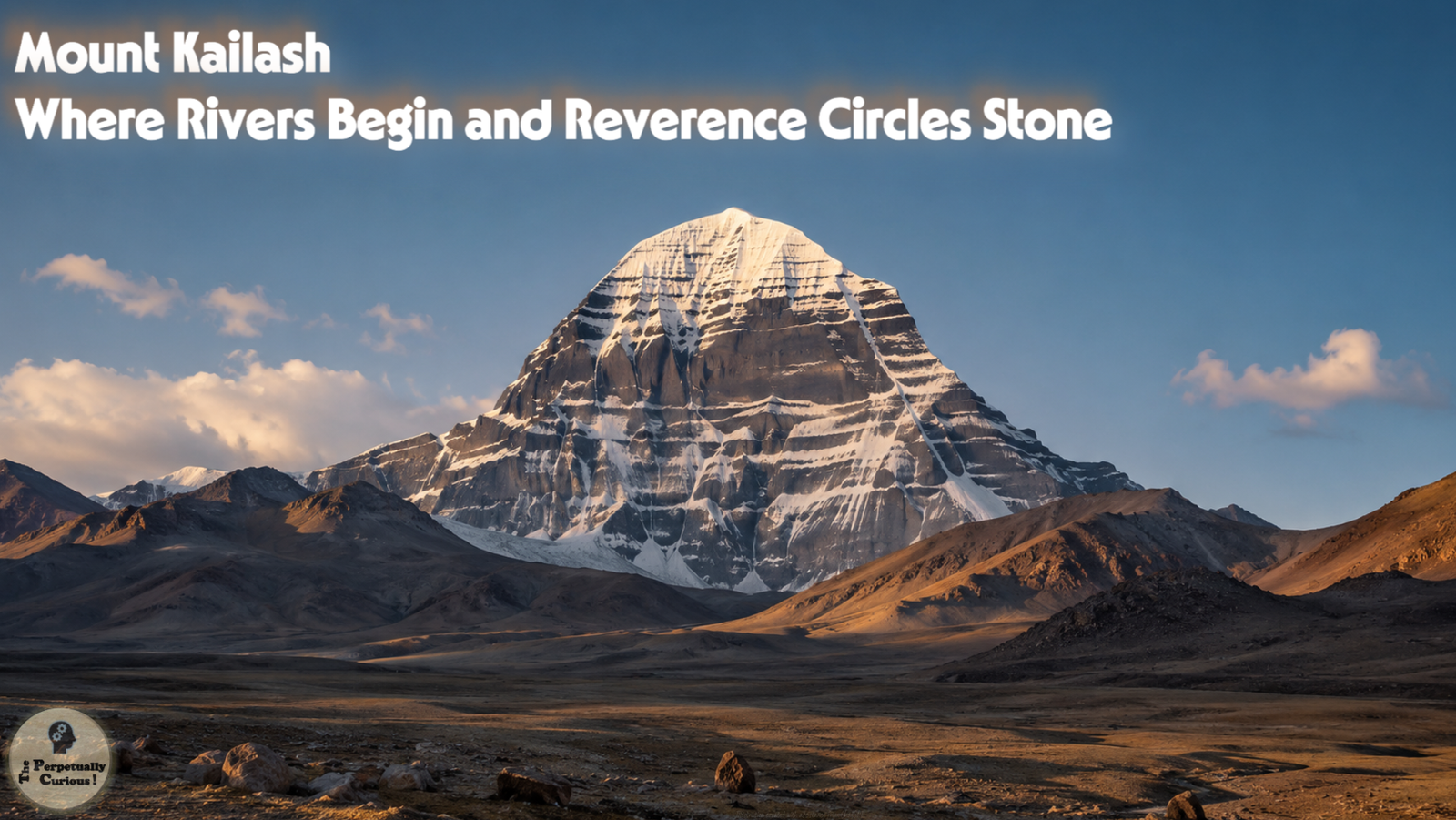
🏔️ Mount Kailash: Why a Sacred Summit Is Circled, Not Climbed
From section: A mountain approached by distanceThe core idea is a quiet pattern: water flows away, travelers circle near, and meaning gathers around a summit that remains beyond ascent.
- The Perpetually Curious! › Archives › Wilderness & Homestead CreaturesArticle
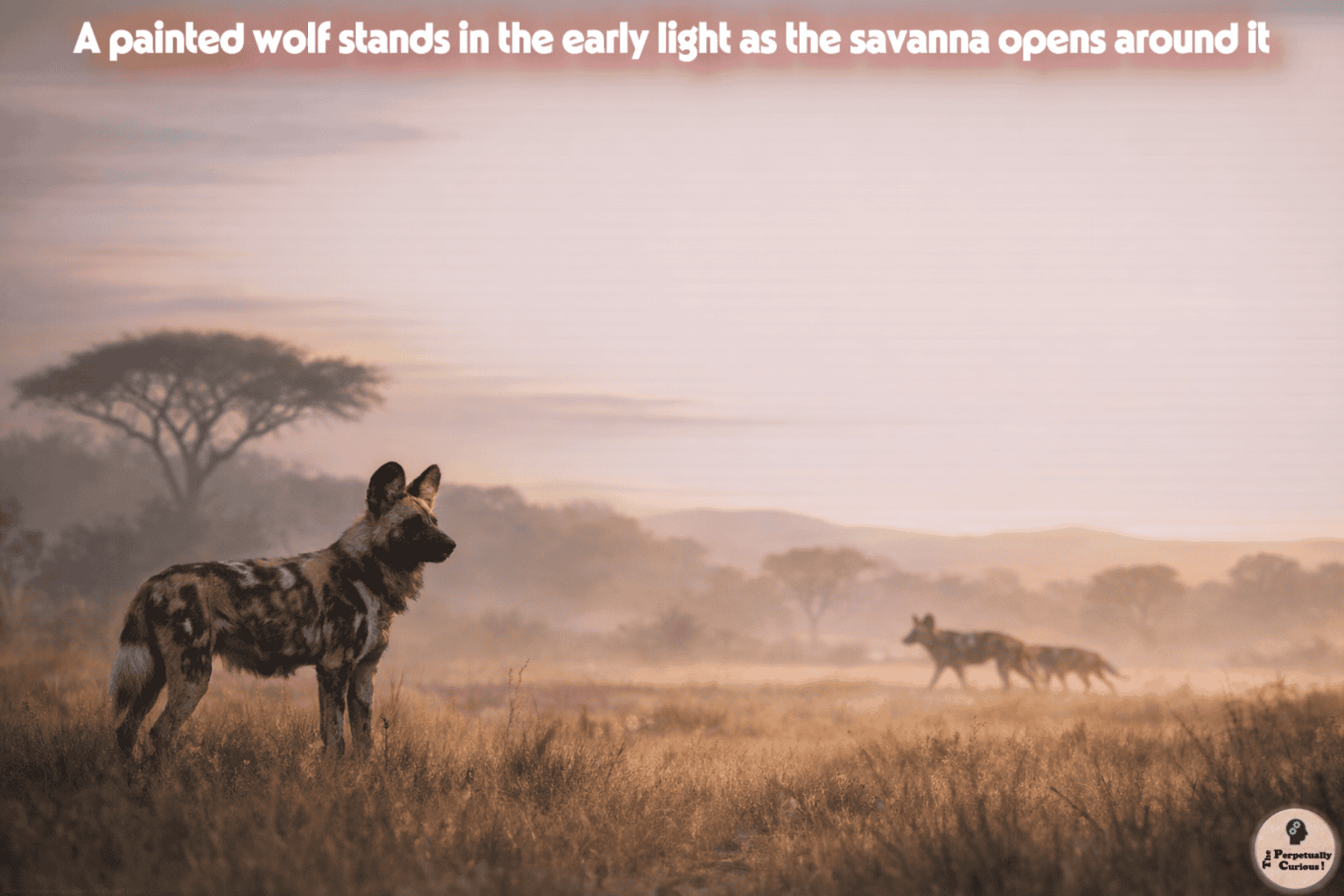
🐾 African Wild Dogs: How Their Pack Life Carries the Hunt
From section: How movement becomes a strategyFacebook X WhatsApp Threads Mastodon Bluesky Pinterest LinkedIn Email Copy Link 🐾 Continue exploring this theme More connected articles on wildlife, homestead companions, animal behavior, and the quiet ecologies shaping life around us are gathered on The Perpetually Curious! website.