Explore by topic, question, or idea. Find articles, reflections, videos, puzzles, and curiosity pathways gathered across the site.
Press Enter or select Search. A newly typed query starts globally; filters are applied only through the visible rail.
18 results for “where earth turns to quiet ink”
- The Perpetually Curious! › Archives › Cosmic ExplorationArticle
🌍 Why Earth Has a Living Atmosphere
From section: 🔭 Opening the QuestionEarth’s atmosphere feels so natural that it is easy to forget how unusual it is.
- The Perpetually Curious! › Archives › Cosmic ExplorationArticle
The Unlikely Astronauts: What Earth’s Toughest Survivors Teach Us About the Possibility of Life Elsewhere 🦠
For decades, our search for alien life focused on finding another Earth: a comfortable, temperate world with liquid water and gentle sunshine. But life, as we have discovered, finds a way in the most hostile environments imaginable.
- The Perpetually Curious! › Archives › Cosmic ExplorationArticle
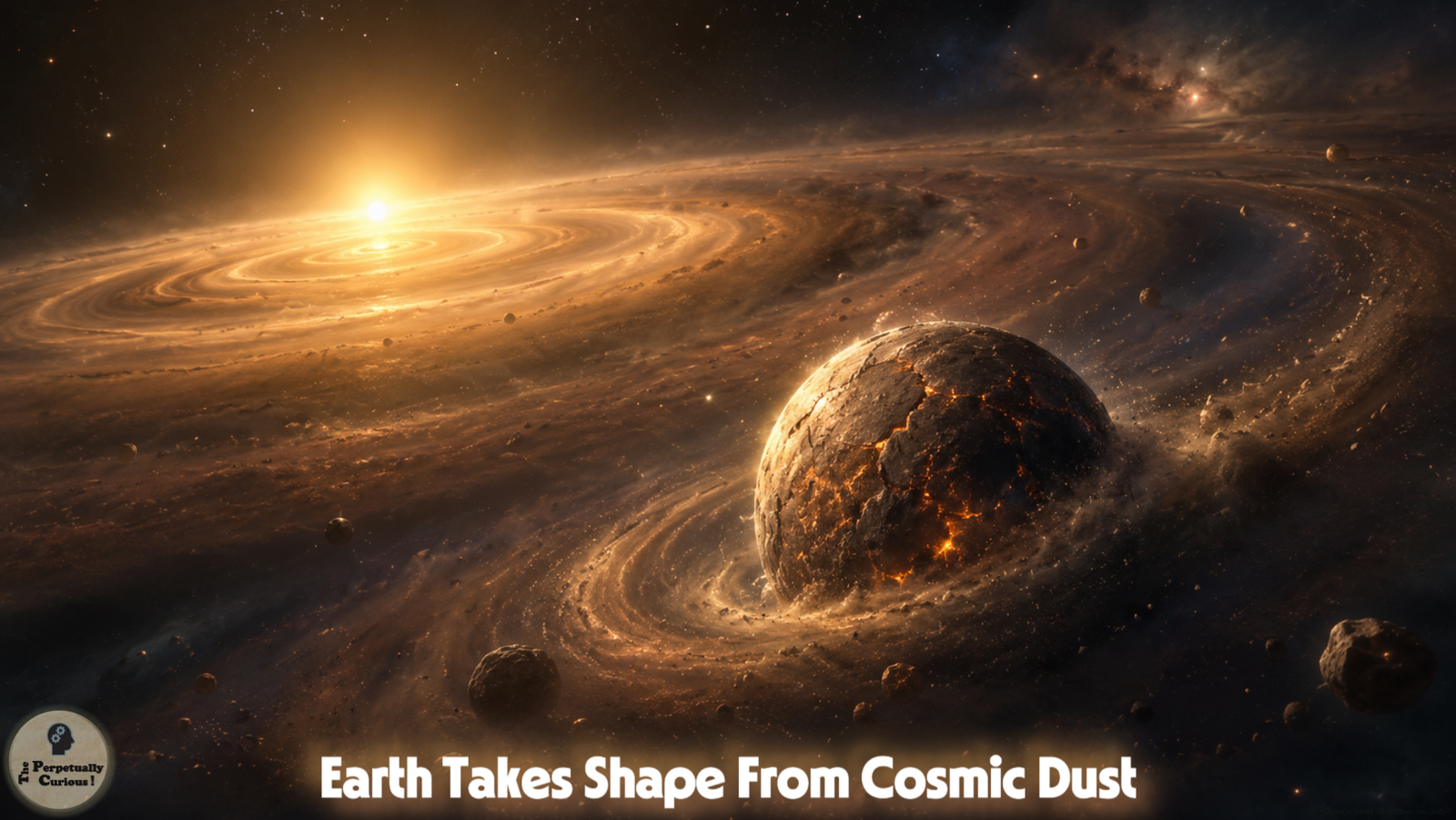
🌍 How Earth Formed: The Slow Assembly of a Young Rocky World
Earth did not appear as a finished sphere in an otherwise complete Solar System. Its beginning was distributed across a rotating disk of gas, dust, rock, and metal around the newborn Sun.
- The Perpetually Curious! › Archives › Cosmic ExplorationArticle
🌔 Lunar Eclipses: Earth’s Shadow on the Moon
🌕➡️🔴 The Allure of a Lunar Eclipse: Earth’s Shadow Play in the Night Sky Among the many wonders of the night sky, few spectacles are as enchanting as a lunar eclipse. On these special nights, our familiar Moon is transformed, slipping into Earth’s shadow.
- The Perpetually Curious! › Archives › Cosmic ExplorationArticle
🌌 When Worlds Shine: Why Some Planets Outglow Others in Our Night Sky
The night sky often feels calm and timeless, yet the brightness of the planets tells a dynamic story of light, distance, geometry, and illumination. When Venus blazes in the evening or morning sky, it can appear almost unreal, while Mars, Jupiter, and Saturn each take turns as…
- The Perpetually Curious! › Archives › Cosmic ExplorationArticle
☀️ Solar Eclipses Explained: The Dance of Shadow and Light
Solar eclipses are among the most captivating events in the sky. They reveal how a rare alignment of Sun, Moon, and Earth can transform the ordinary daylight landscape into something unfamiliar and striking. Daylight softens, shadows sharpen, and the familiar world takes on a new character.
- The Perpetually Curious! › Archives › Cosmic ExplorationArticle
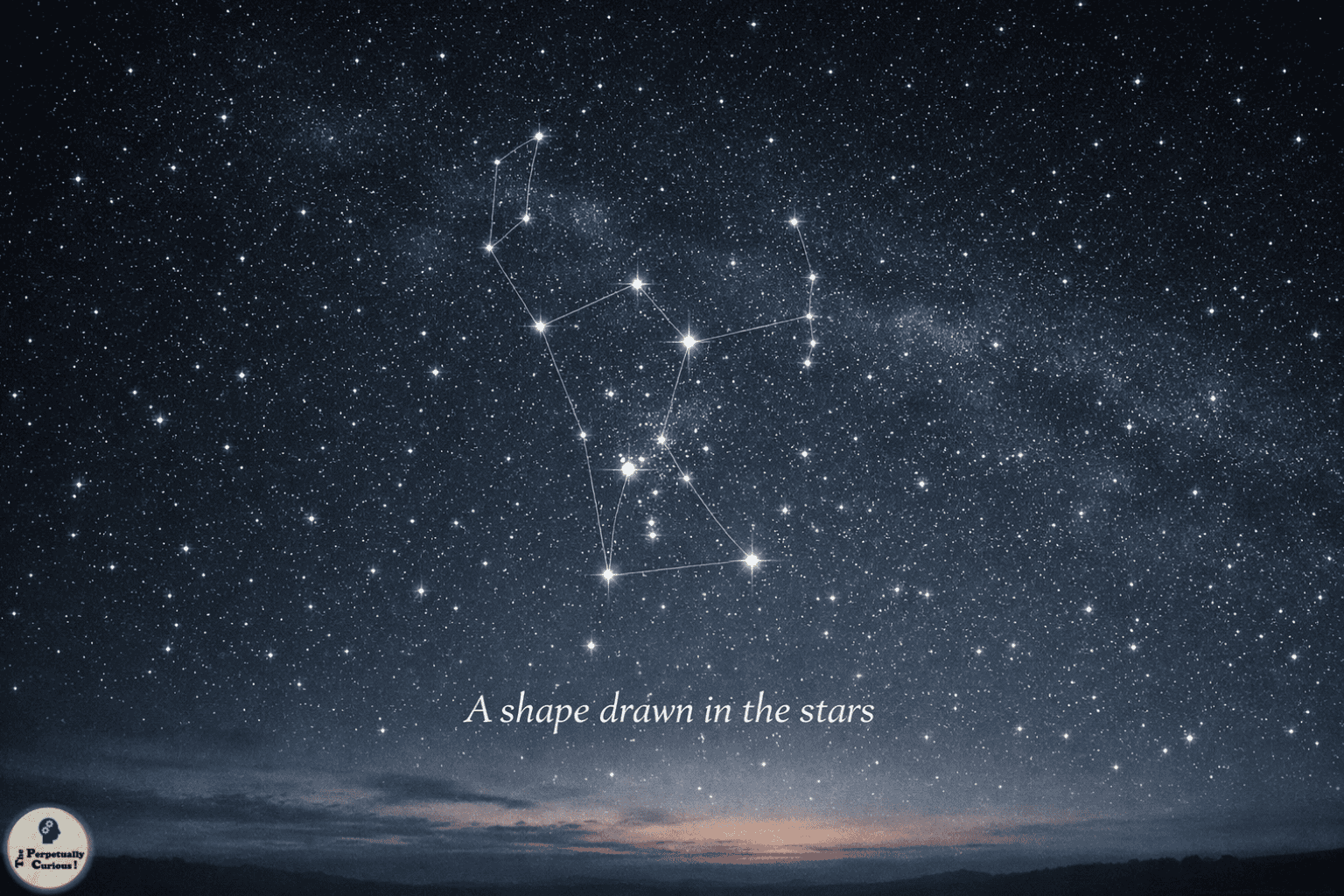
🌌 Constellations: How Star Patterns Help Us Find Our Way
From section: When scattered stars become a mapMany of the stars that seem close together from Earth are separated by enormous distances.
- The Perpetually Curious! › Archives › Cosmic ExplorationArticle
💫 When Galaxies Feast: The Quiet Art of Cosmic Cannibalism
Galaxies often appear serene when viewed from a distance, as if they drift through the universe in gentle isolation. Yet their histories are shaped by encounters that unfold over immense spans of time. These encounters are not always dramatic or violent.
- The Perpetually Curious! › Archives › Cosmic ExplorationArticle
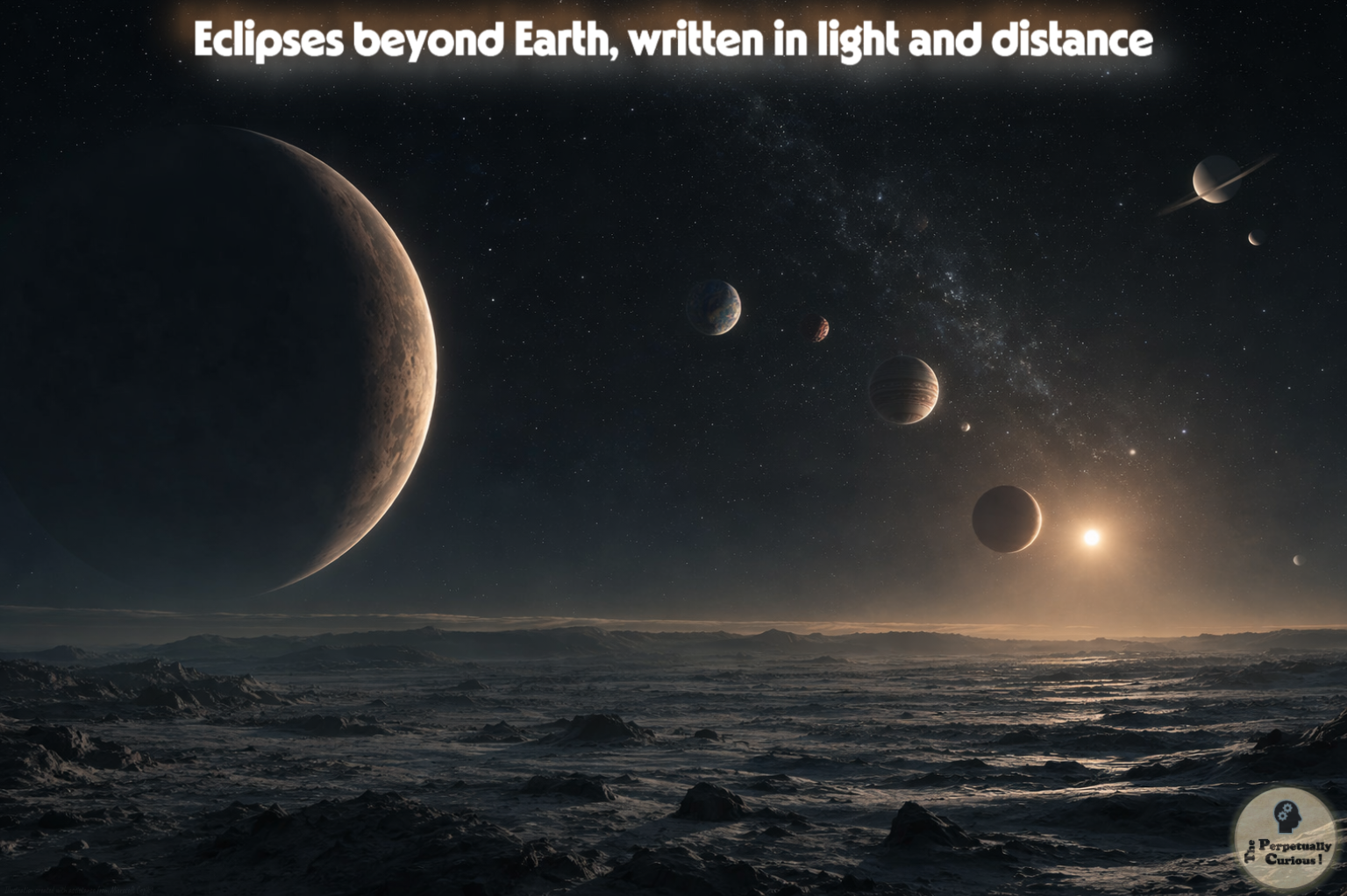
🌘 Eclipses Across the Solar System: When Shadows Travel
An eclipse can feel like a rare celestial exception, but the underlying arrangement is simple. A light source shines, one world blocks that light, and another surface receives the shadow. On Earth, the Sun, Moon, and our planet create the examples we know best.
- The Perpetually Curious! › Archives › Cosmic ExplorationArticle
🌞 The Solar Wind: When the Sun Breathes Across Space
🌠 Introduction Have you ever looked up at the night sky and wondered why shimmering curtains of green, red, and other hues ripple across the poles? These auroras are the visible traces of the solar wind’s interaction with Earth’s magnetic field, where charged particles guided…