Explore by topic, question, or idea. Find articles, reflections, videos, puzzles, and curiosity pathways gathered across the site.
Press Enter or select Search. A newly typed query starts globally; filters are applied only through the visible rail.
26 results for “why coffee affects people differently”
- The Perpetually Curious! › Archives › Food & LifestyleArticle
☕ The Molecular Democracy: Why Your Coffee Works Differently Than Your Friend's
Every morning, millions of people perform the same ritual: brewing coffee, expecting predictable results. Yet hidden within this commonplace act lies one of medicine's most profound truths. We are not biochemically identical.
- The Perpetually Curious! › Archives › Botanical WondersArticle
The Coffee Odyssey: A Bean's Scientific Journey from Soil to Soul ☕
The morning ritual of brewing coffee connects us to an ancient agricultural symphony that spans continents and centuries. Each aromatic sip represents the culmination of precise botanical processes, meticulous human craftsmanship, and transformative chemistry.
- The Perpetually Curious! › Archives › Environment & SustainabilityArticle
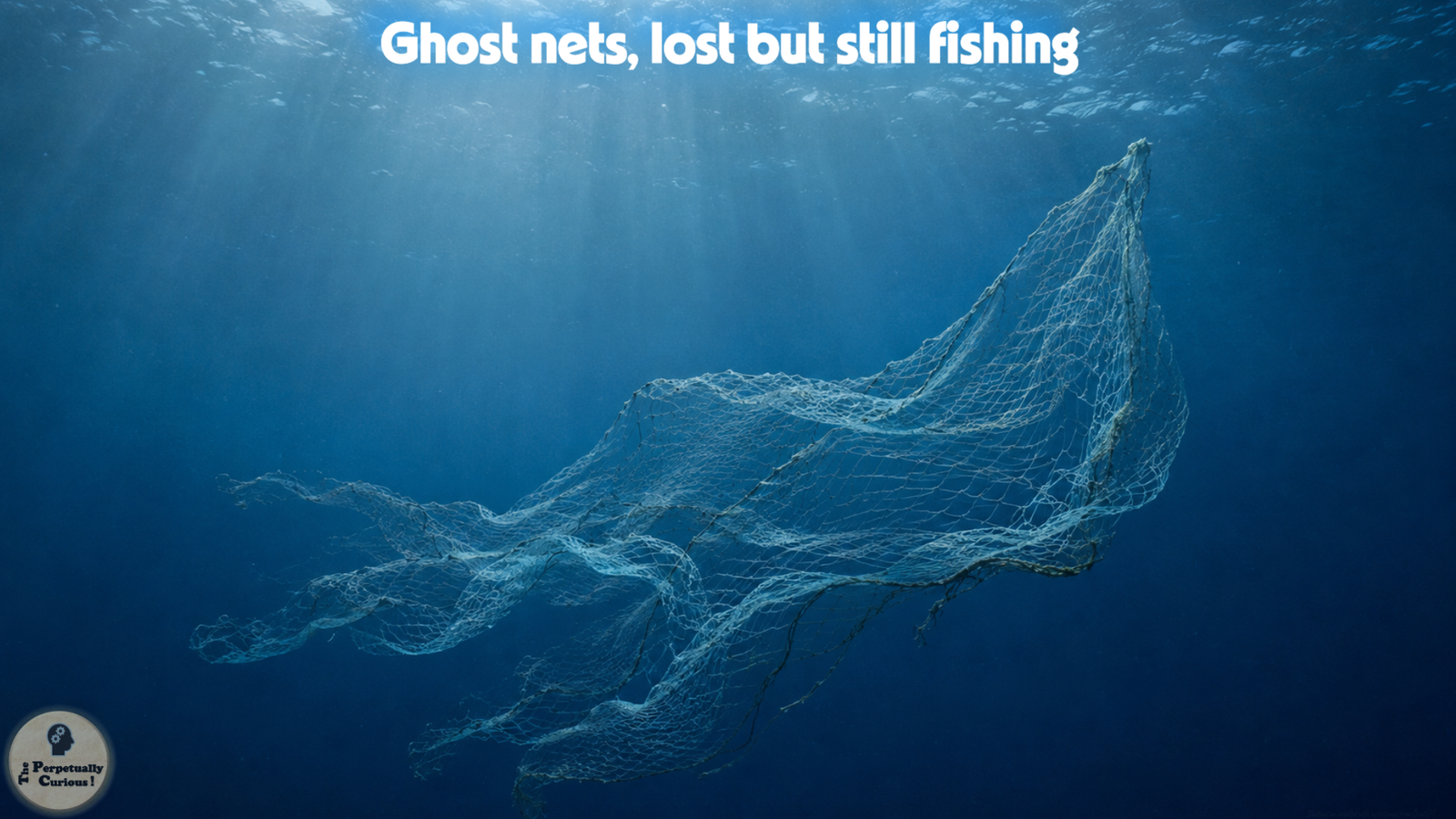
🕸️ Ghost Nets: Silent Killers Threatening Our Oceans and Reefs
🌊 Beneath the calm surface of the ocean, a hidden danger can keep moving long after people lose sight of it: ghost nets. These abandoned, lost, or discarded fishing nets may drift through open water, settle on reefs, tangle with other debris, or remain suspended where marine…
- The Perpetually Curious! › Archives › Botanical WondersArticle
The Sweet Science of Stevia: Nature's Molecular Marvel 🌿
Introduction: Where Ancient Wisdom Meets Modern Science 🔬 For generations, the Guaraní people of Paraguay have known what molecular biologists would take decades to understand. Their ka'a he'é, meaning "sweet herb," represents one of nature's most elegant solutions to a simple…
- The Perpetually Curious! › Archives › Biology & HealthArticle
The Brain's Hidden River: Understanding Cerebrospinal Fluid and Its Vital Journey 💧
A clear, life-sustaining fluid flows through channels within your brain and spine every moment of every day, yet most people never know it exists. This is the story of cerebrospinal fluid, the remarkable substance that bathes, nourishes, and protects your nervous system.Read…
- The Perpetually Curious! › Archives › Wilderness & Homestead CreaturesArticle
🐧 Penguin Diversity: Exploring Species, Adaptations, and Habitats
Prelude: Beyond the Ice When most people picture penguins, they imagine black and white birds waddling across Antarctic ice. But the truth is far richer. Penguins are classified into about eighteen species across six genera: great, brush tailed, crested, banded, little, and yellow eyed.
- The Perpetually Curious! › Archives › Planet EarthArticle
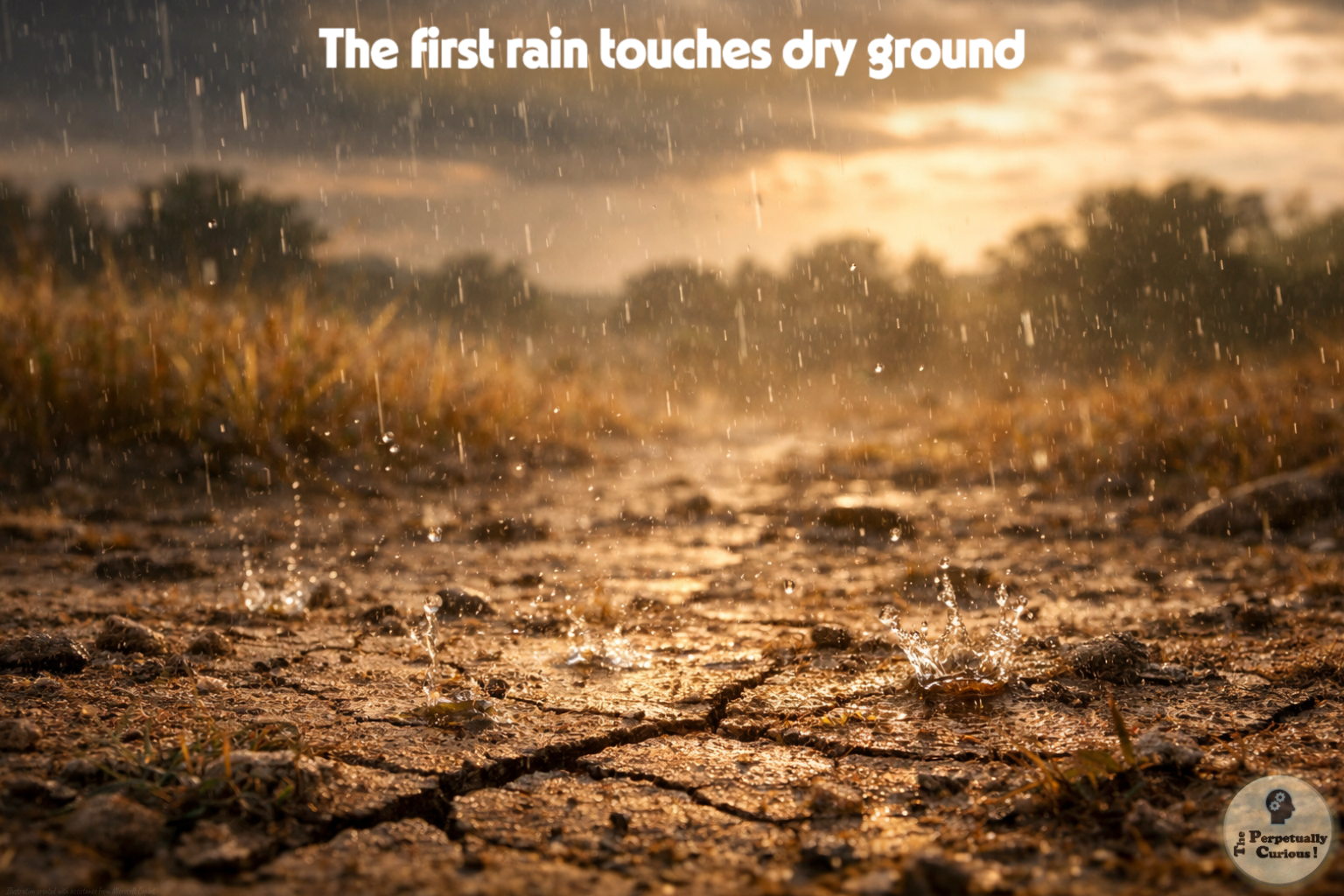
🌧️ Petrichor: How First Rain Lifts Earth’s Hidden Scent
What many people call the smell of rain is usually petrichor, the earthy aroma released when rain meets dry ground.
- The Perpetually Curious! › Archives › PhysicsArticle
✨ Clean Chemistry: The Curious Physics Behind Soap Bubbles
From section: 💡 Foam: Function, Feel, and LimitsPeople often associate bubbles with freshness and effectiveness, so visible lather can reinforce the perception that a product is working.
- The Perpetually Curious! › Archives › Biology & HealthArticle
The Second Brain Speaks First: When Parkinson's Disease Begins in Your Belly 🧠
From section: Opening: The Conversation You Never Knew You Were Having 💭Some researchers propose that for some people, this vital dialogue carries something darker: the opening notes of Parkinson's disease, beginning in the belly years to decades before the first tremor appears in a subset of people, though timing varies widely.Read more »
- The Perpetually Curious! › Archives › Cosmic ExplorationArticle
Lunar Regolith: The Moon's Ancient Chronicle Written in Dust 🌙
From section: Opening Reflection ✨That contrast is explored more directly in a related article on Earth soil and lunar regolith, where water and life on Earth, and vacuum and impacts on the Moon, help explain why two kinds of ground can share familiar elements yet preserve history so differently.