Explore by topic, question, or idea. Find articles, reflections, videos, puzzles, and curiosity pathways gathered across the site.
Press Enter or select Search. A newly typed query starts globally; filters are applied only through the visible rail.
26 results for “why coffee affects people differently”
- The Perpetually Curious! › Archives › Planet EarthArticle
❄️ Antarctica: Southernmost Continent’s Frozen Symphony of Silence and Light
From section: ❓ FAQ… Arctic sea ice averages 6-10 feet (2-3 meters) thick versus Antarctica's miles-thick ice sheet. The Arctic supports four million people including indigenous populations, polar bears, and arctic foxes, while Antarctica has no native land mammals. …
- The Perpetually Curious! › Archives › NatureArticle
Living Architecture: The Root Bridges that Grow Stronger with Time 🌿
In the misty valleys of Meghalaya, where monsoons transform streams into torrents, the Khasi and Jaintia peoples discovered something remarkable centuries ago. They did not build bridges. They grew them.
- The Perpetually Curious! › Archives › Wilderness & Homestead CreaturesArticle
🐝🌸 Pollinators: The Silent Architects of Our Food and Ecosystems
🐝🦋🦇🐦 About one in every three bites of food we eat exists thanks to pollinators. Here is why they are essential to both ecosystems and economies. 🌸 Introduction Pollination is a fundamental biological process in the sexual reproduction of flowering plants.
- The Perpetually Curious! › Archives › Engineering & TechnologyArticle
✈️ The Engineering Mastery Behind Airplane Washrooms: Innovation and Sustainability at High Altitudes
Airplane Washrooms: Engineering Innovation at High Altitudes ✈️ Most passengers rarely think about what happens after they press that little flush button during a flight. Yet behind the scenes, airplane washrooms are a triumph of aviation engineering.
- The Perpetually Curious! › Archives › Botanical WondersArticle
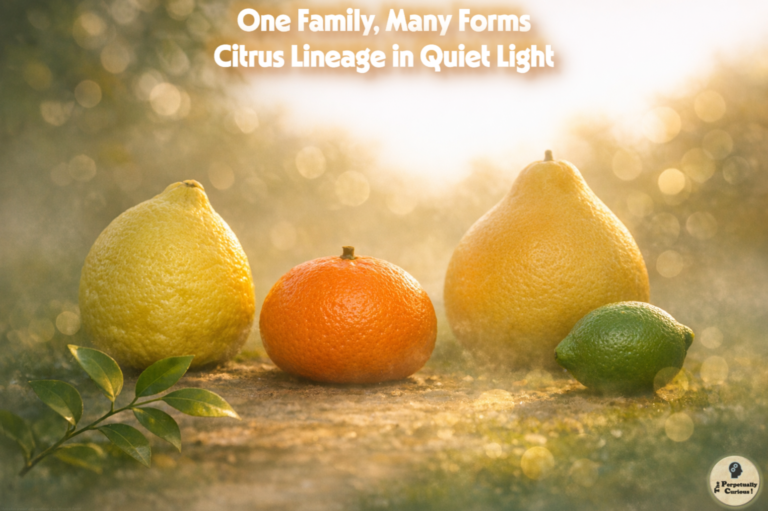
🍊 Citrus Family Tree: How Ancient Lineages Became Familiar Fruits
Much of the diversity people recognize today grew from a small ancestral core, followed by repeated hybridization and human selection.
- The Perpetually Curious! › Archives › Planet EarthArticle
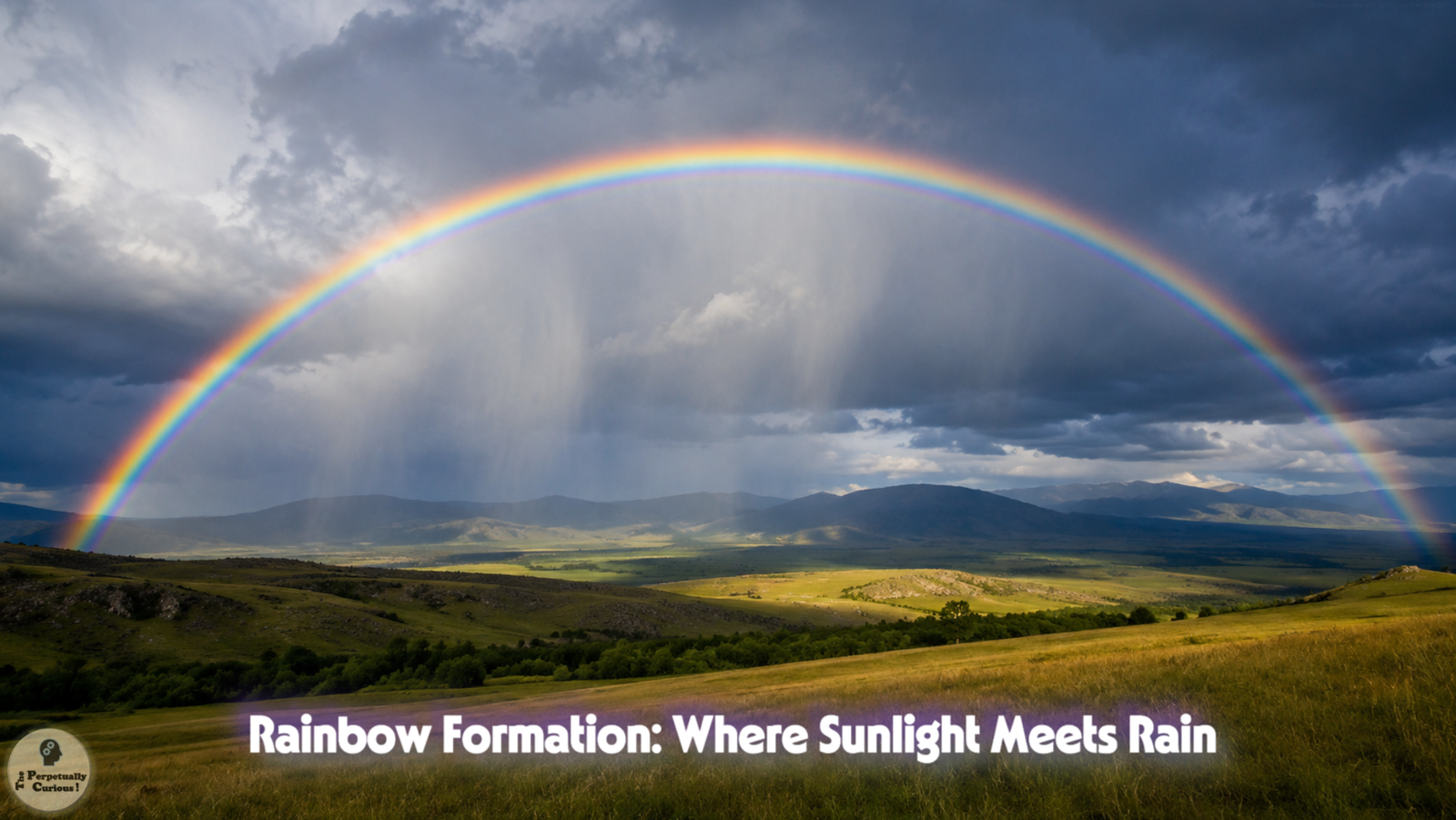
🌈 Rainbow Formation: Why Every Observer Sees a Different Arc
From section: Why the bow changes when you moveWhy the bow changes when you move Two people standing close together may see rainbows that look almost identical, but they do not receive light from exactly the same droplets.
- The Perpetually Curious! › Archives › Cosmic ExplorationArticle
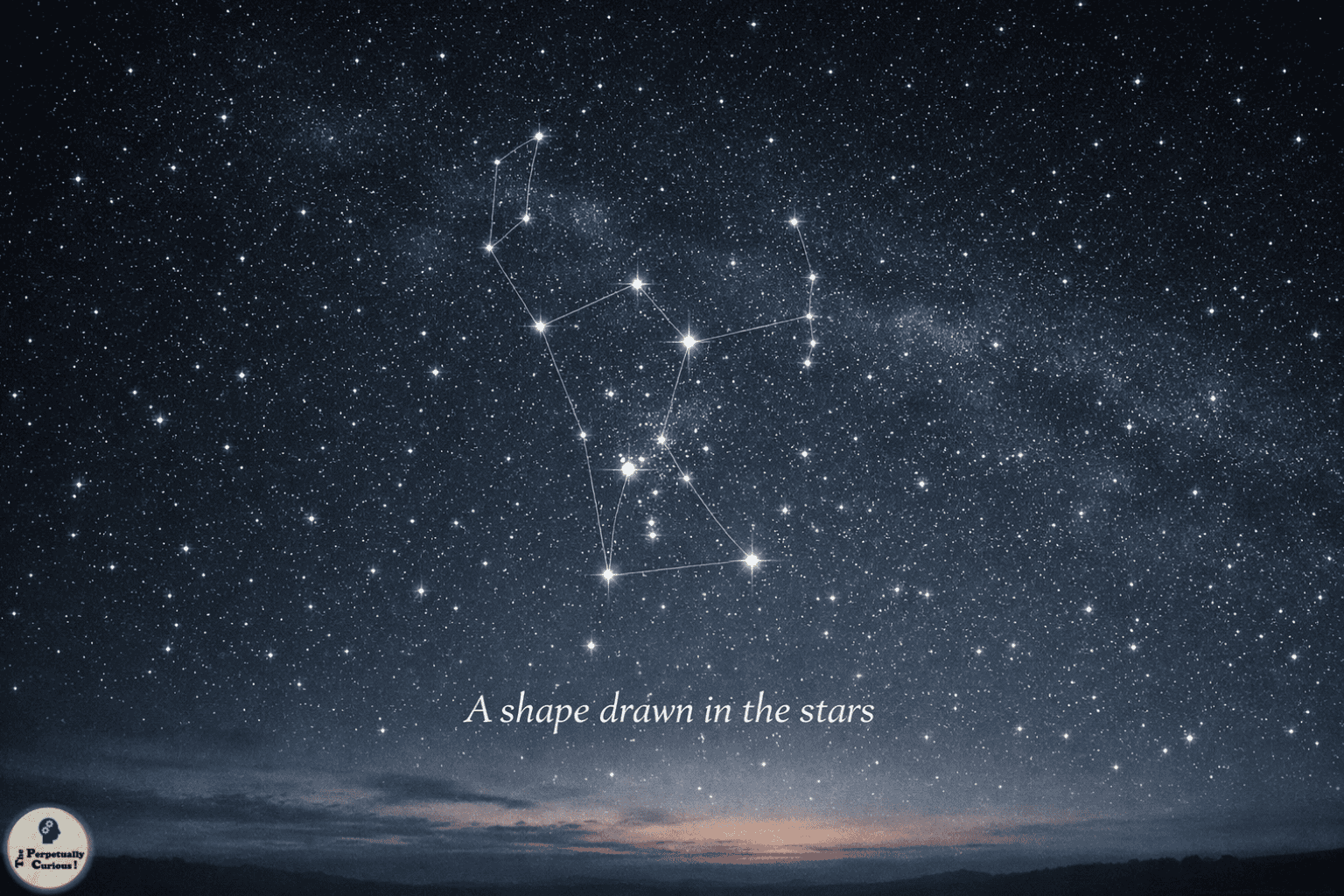
🌌 Constellations: How Star Patterns Help Us Find Our Way
From section: The quiet usefulness of an imperfect patternThey show how people turn perception into knowledge, and how knowledge becomes part of culture.
- The Perpetually Curious! › Archives › Biology & HealthArticle
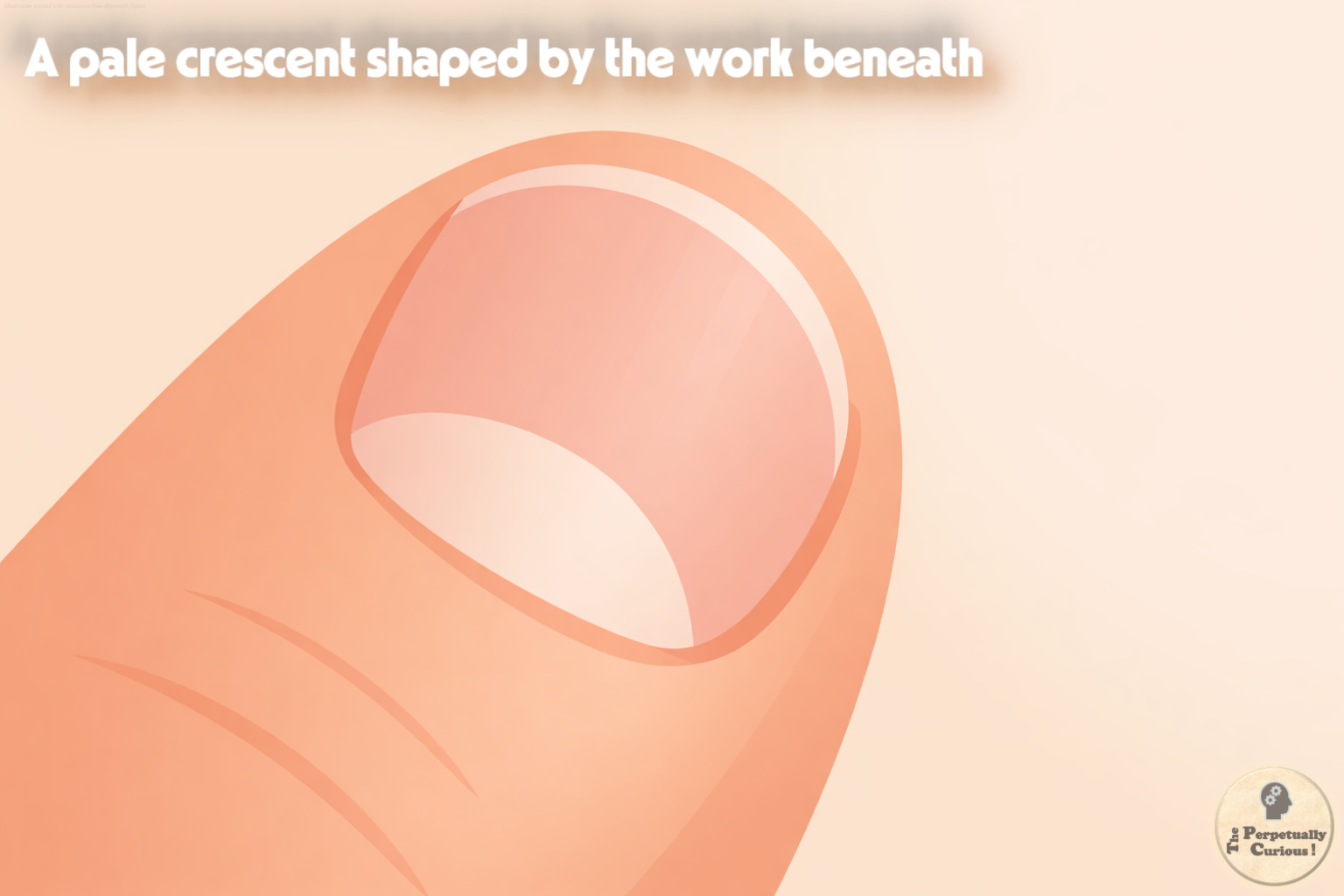
🌙 White Half Moon on Nails: The Quiet Growth Zone Beneath
From section: A clue, not a diagnosisLarge lunulae, faint lunulae, or hidden lunulae can all occur in healthy people.
- The Perpetually Curious! › Archives › Planet EarthArticle
🌊 Underwater Sound: How Echoes Measure Distance
From section: Why sound carries the first clueDifferent instruments may shape the outgoing sound differently, listen with different receivers, or analyze the echo with greater sensitivity.
- The Perpetually Curious! › Archives › Botanical WondersArticle
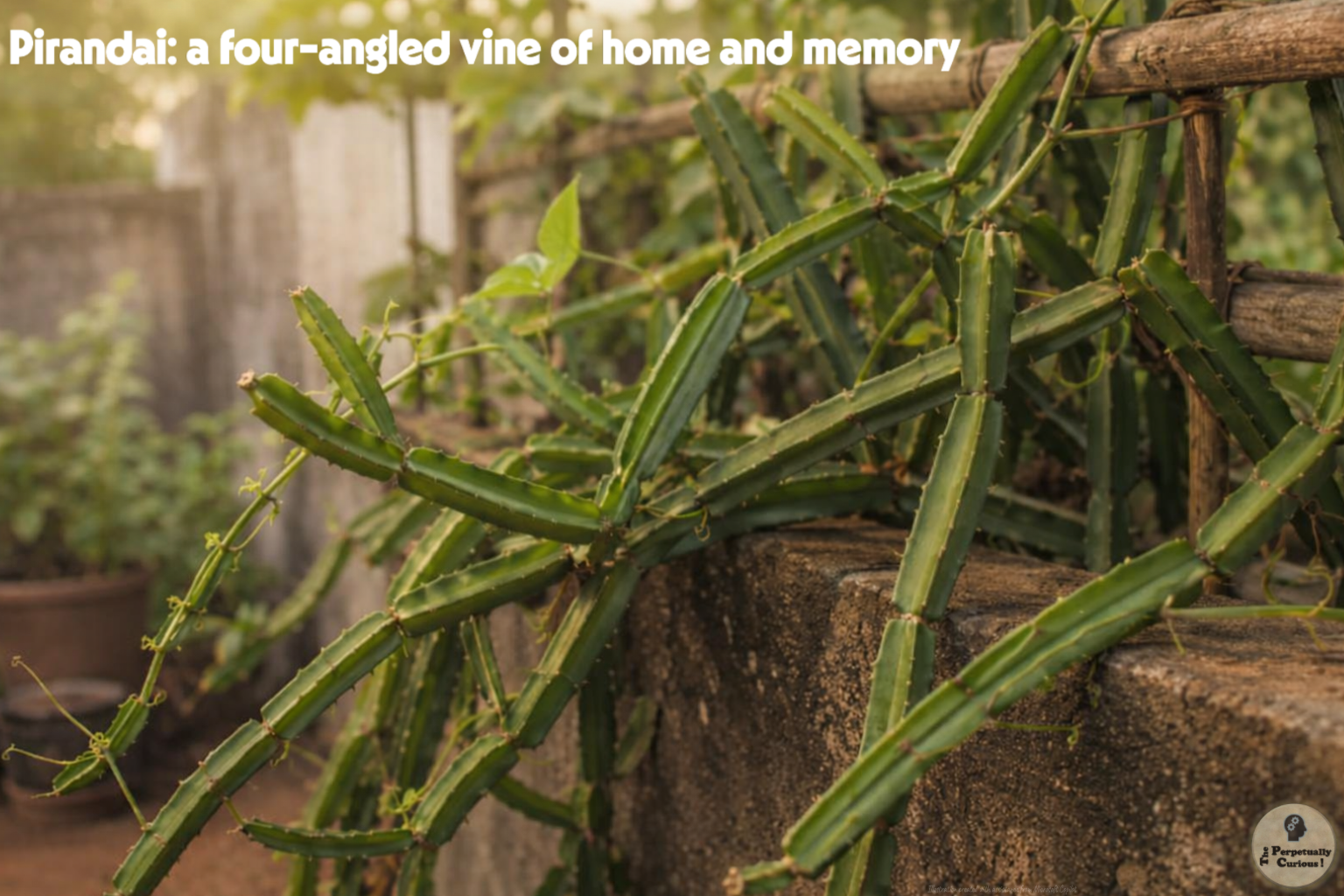
🌿 Pirandai: How a Four-Angled Vine Holds Memory and Water
From section: When shape becomes memoryThose names should not be treated as proof of a modern medical claim, but they do show how people often read meaning into visible form.