Explore by topic, question, or idea. Find articles, reflections, videos, puzzles, and curiosity pathways gathered across the site.
Press Enter or select Search. A newly typed query starts globally; filters are applied only through the visible rail.
42 results for “why space looks dark”
- The Perpetually Curious! › Archives › PhysicsArticle
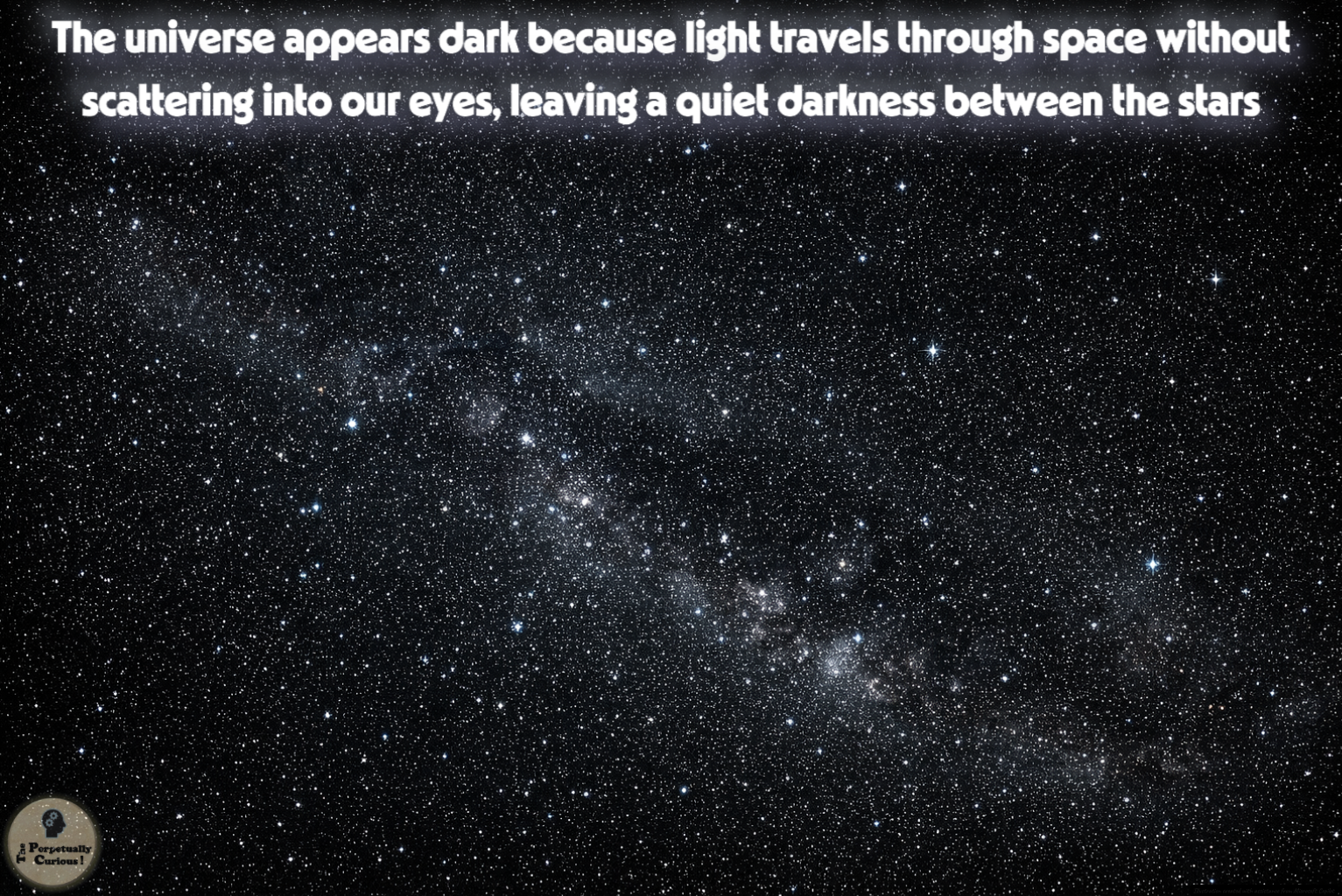
🌌 Why Space Looks Dark: Light, Matter, and the Quiet Cosmos
That is why the question of why space looks dark is not really a question about whether light exists.
- The Perpetually Curious! › Archives › Cosmic ExplorationArticle
🌌 The Hunt for the Invisible: Understanding Dark Matter Through Science's Greatest Detective Story
The universe is keeping a secret from us. About 85 percent of all the matter that exists remains stubbornly invisible, refusing to interact with light yet shaping everything we see. This invisible substance, which scientists call dark matter, represents one of the most profound…
- The Perpetually Curious! › Archives › Cosmic ExplorationArticle
🌞 The Solar Wind: When the Sun Breathes Across Space
Though invisible to our eyes, this cosmic current shapes Earth’s environment, drives space weather, and even fuels storms that can disrupt technology on Earth, and it is why space‑weather forecasters watch the Sun every day.
- The Perpetually Curious! › Archives › Cosmic ExplorationArticle
Cosmic Eyes: How Humanity's Space Telescopes Unveil the Universe's Hidden Realms 🔭
Space telescopes changed everything, granting us new senses to perceive the invisible universe.
- The Perpetually Curious! › Archives › PhysicsArticle
🚀⚡ Pioneering Power in Deep Space: The Essential Role of Radioisotope Thermoelectric Generators (RTGs)
This article also belongs naturally within the wider cosmic exploration collection, where deep-space power, spacecraft motion, distant signals, and observation technologies come together as parts of the same larger story.
- The Perpetually Curious! › Archives › Cosmic ExplorationArticle
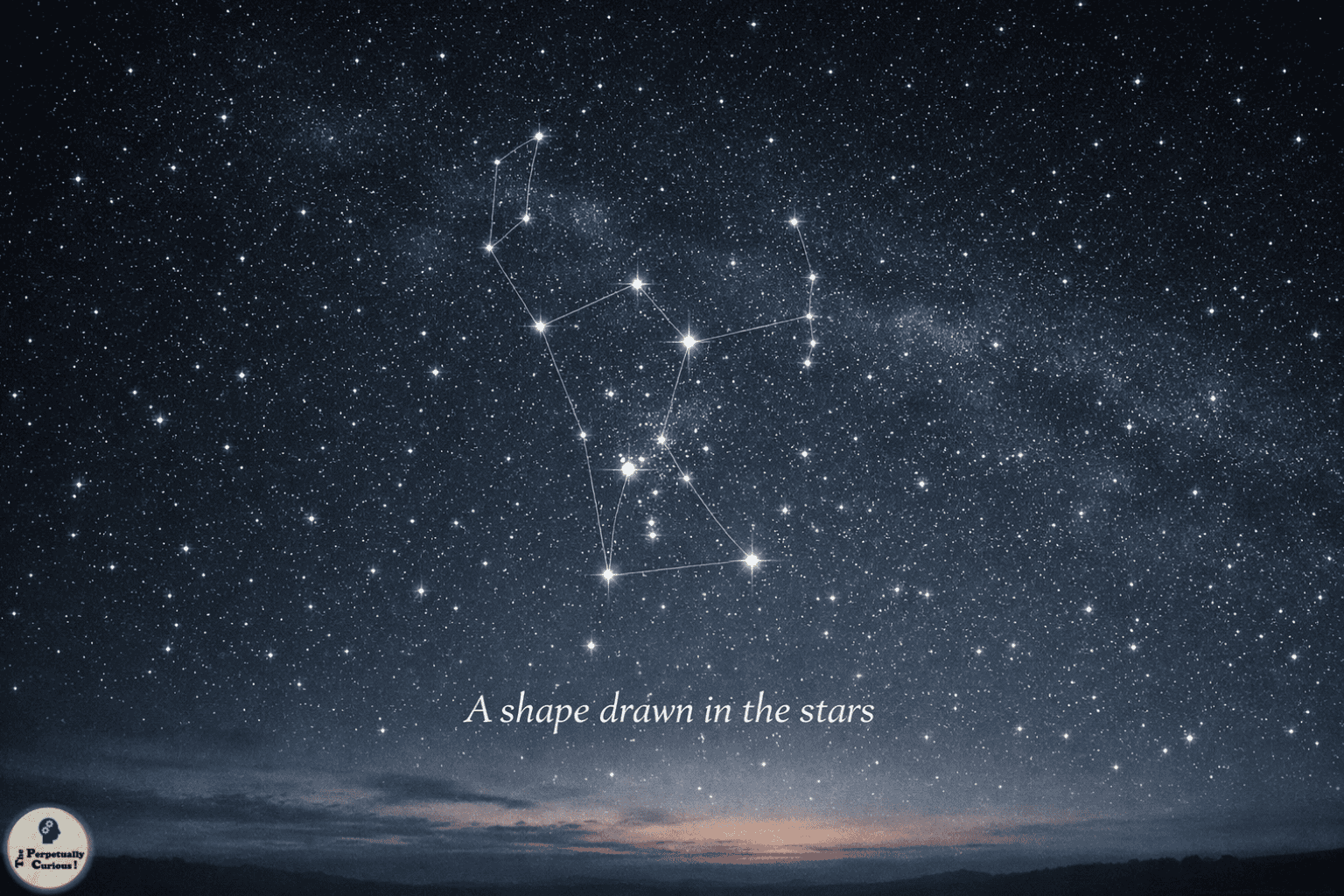
🌌 Constellations: How Star Patterns Help Us Find Our Way
From section: When scattered stars become a mapThat neighboring question of why the sky can appear dark while the universe is filled with light is followed in why space looks dark, where the focus shifts from remembered patterns to visibility itself.
- The Perpetually Curious! › ArchivesGateway
TPC8‑QH‑CE‑003 🌌 Cosmic Exploration | ✨ Deep Space Phenomena
From section: 1️⃣ What is the name for a region of space where gravity is so strong that nothing, not even light, can escape?1️⃣ What is the name for a region of space where gravity is so strong that nothing, not even light, can escape?
- The Perpetually Curious! › Archives › Engineering & TechnologyArticle
✏️ Pencil Making: How Graphite and Cedar Become a Line
Pencil making begins with a small material puzzle. The finished object looks simple, but its usefulness depends on several materials behaving well together. The dark core must leave a visible line without crumbling too easily. The wooden body must sharpen cleanly without splitting.
- The Perpetually Curious! › ArchivesGateway
TPC8‑QH‑CE‑001 🌌 Cosmic Exploration | 🚀 First Steps into Space
🌌 Cosmic Exploration Quiz: CE‑001 | First Steps into Space 👉 Answer all 5 questions by clicking the option you believe is correct. Each choice you make will be highlighted. Once you have completed the quiz, select “Finish Quiz” to view your results and explanations.
- The Perpetually Curious! › Archives › PhysicsArticle
Why Starlight Does Not Mix: How the Night Sky Keeps Each Star’s Signature Intact ✨🌌
If light from different stars crosses the same regions of space, does it blend into something shared, dilute into a wash, or lose its identity before reaching us?Read more »