Explore by topic, question, or idea. Find articles, reflections, videos, puzzles, and curiosity pathways gathered across the site.
Press Enter or select Search. A newly typed query starts globally; filters are applied only through the visible rail.
42 results for “why space looks dark”
- The Perpetually Curious! › Archives › Wilderness & Homestead CreaturesArticle
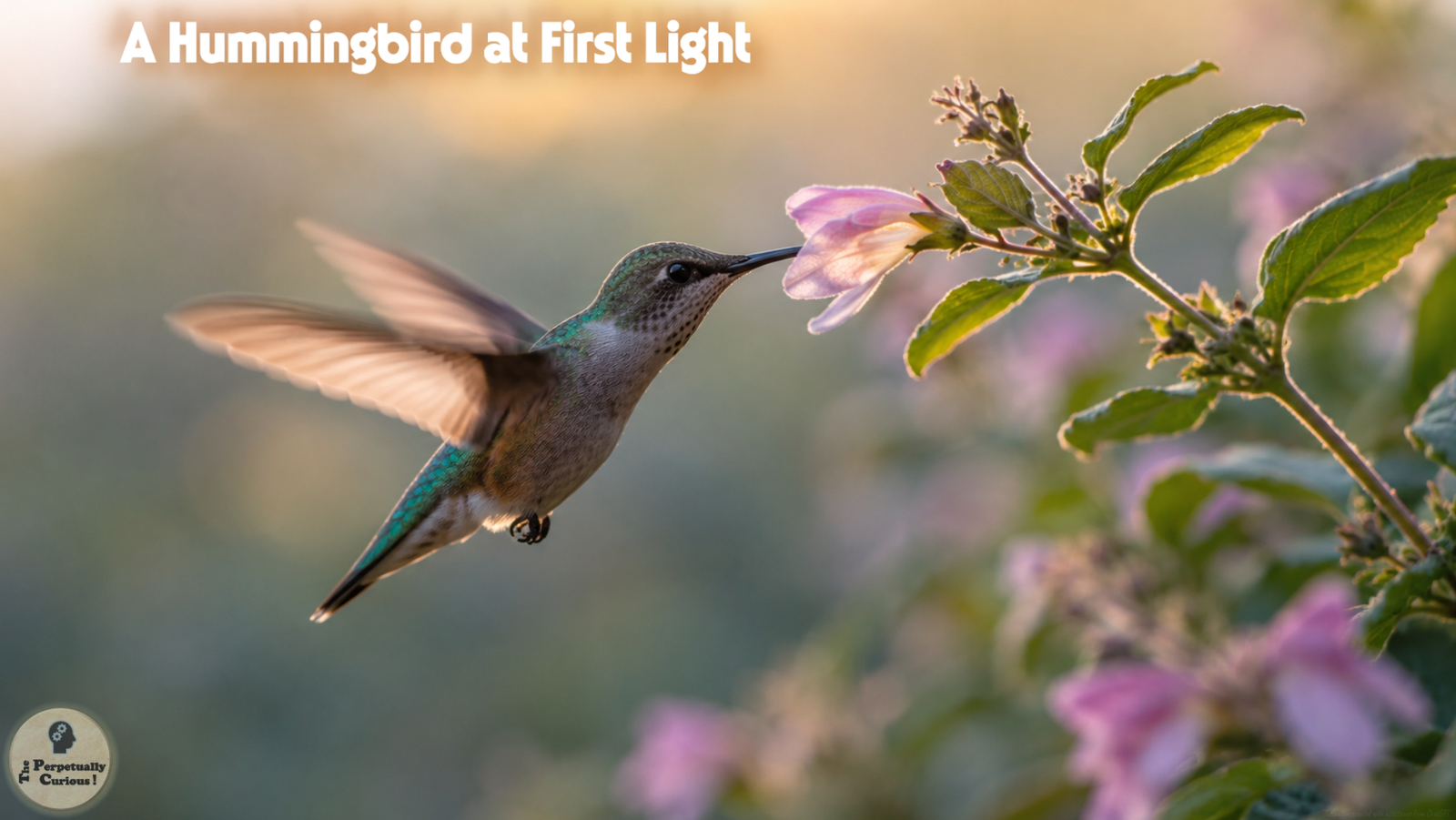
🐦 How Hummingbirds Hover: The Motion Inside Apparent Stillness
From section: Precision Has an Energy CostWhat looks like stillness is therefore a precise form of motion.
- The Perpetually Curious! › Archives › Planet EarthArticle
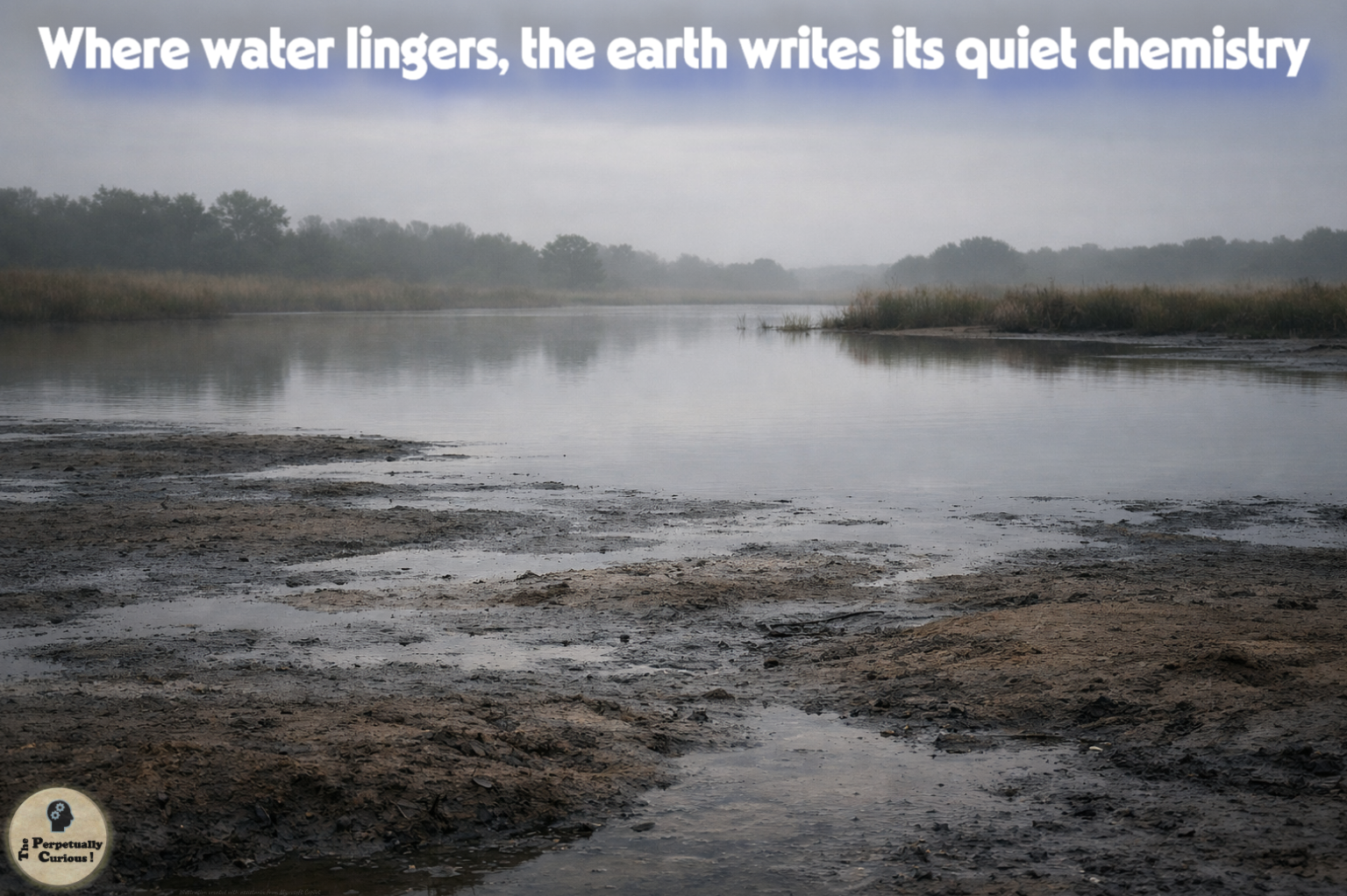
🌍 Why Mud Is Brown or Black: What Wet Soil Reveals
From section: What wet ground does to colorAs oxygen becomes scarce, reduced conditions begin to favor gray, blue-gray, or dark zones.
- The Perpetually Curious! › Archives › Botanical WondersArticle
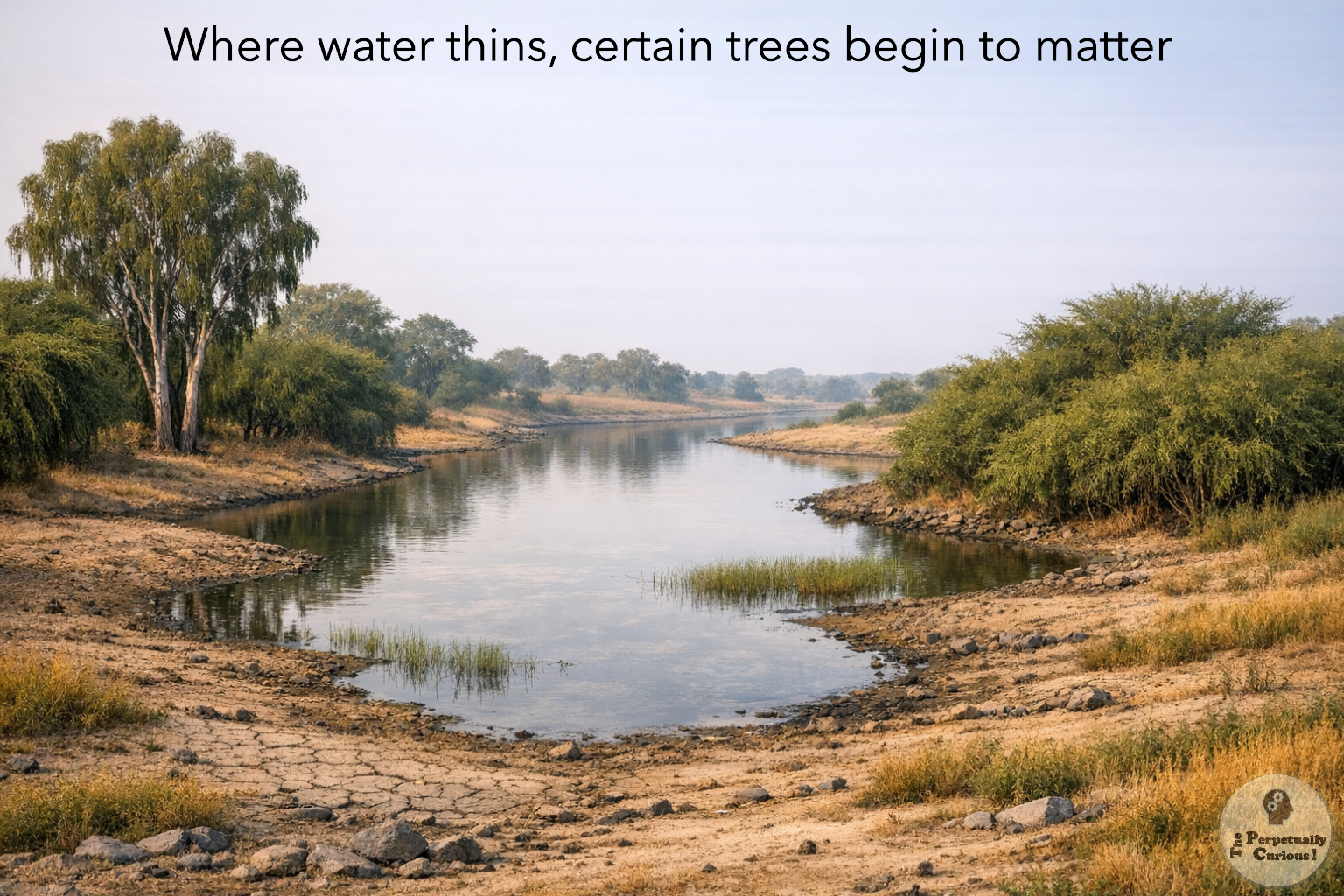
💧 Seasonal Ponds and Root Depth in South India
This compact companion looks at one central idea from the larger article: how root depth and water access shape the way vegetation interacts with seasonal ponds.
- The Perpetually Curious! › ArchivesGateway
TPC8 | Cosmic Exploration (CE) 🌌 Index
🚀 Cosmic Exploration Welcome to the Cosmic Exploration section of The Perpetually Curious! (TPC8) Quiz Hub. Journey through space‑themed quizzes on planets, stars, galaxies, and the logic of the cosmos. Earn badges as you progress from 🌠 Cosmic Dreamer → 🔭 Stargazer Explorer → 🚀…
- The Perpetually Curious! › Archives › Wilderness & Homestead CreaturesArticle
✨ The Secret Language of Summer Nights: Decoding Firefly Bioluminescence
🌙 When Darkness Becomes a Canvas As twilight surrenders to night, tiny alchemists emerge to paint the darkness with living light. Fireflies transform summer evenings into nature's own light show, their bioluminescent displays serving as one of the most elegant examples of…
- The Perpetually Curious! › Archives › PhysicsArticle
The Cosmic Recipe: Understanding the Physical Criteria for Star Formation 🌟
Opening the Cosmic Kitchen 🌌 In the vast expanse of our universe, where darkness stretches for light-years and cold reigns supreme, something extraordinary happens. Stars are born. This process, far from being a simple ignition, represents one of nature's most complex and beautiful phenomena.
- The Perpetually Curious! › Archives › Planet EarthArticle
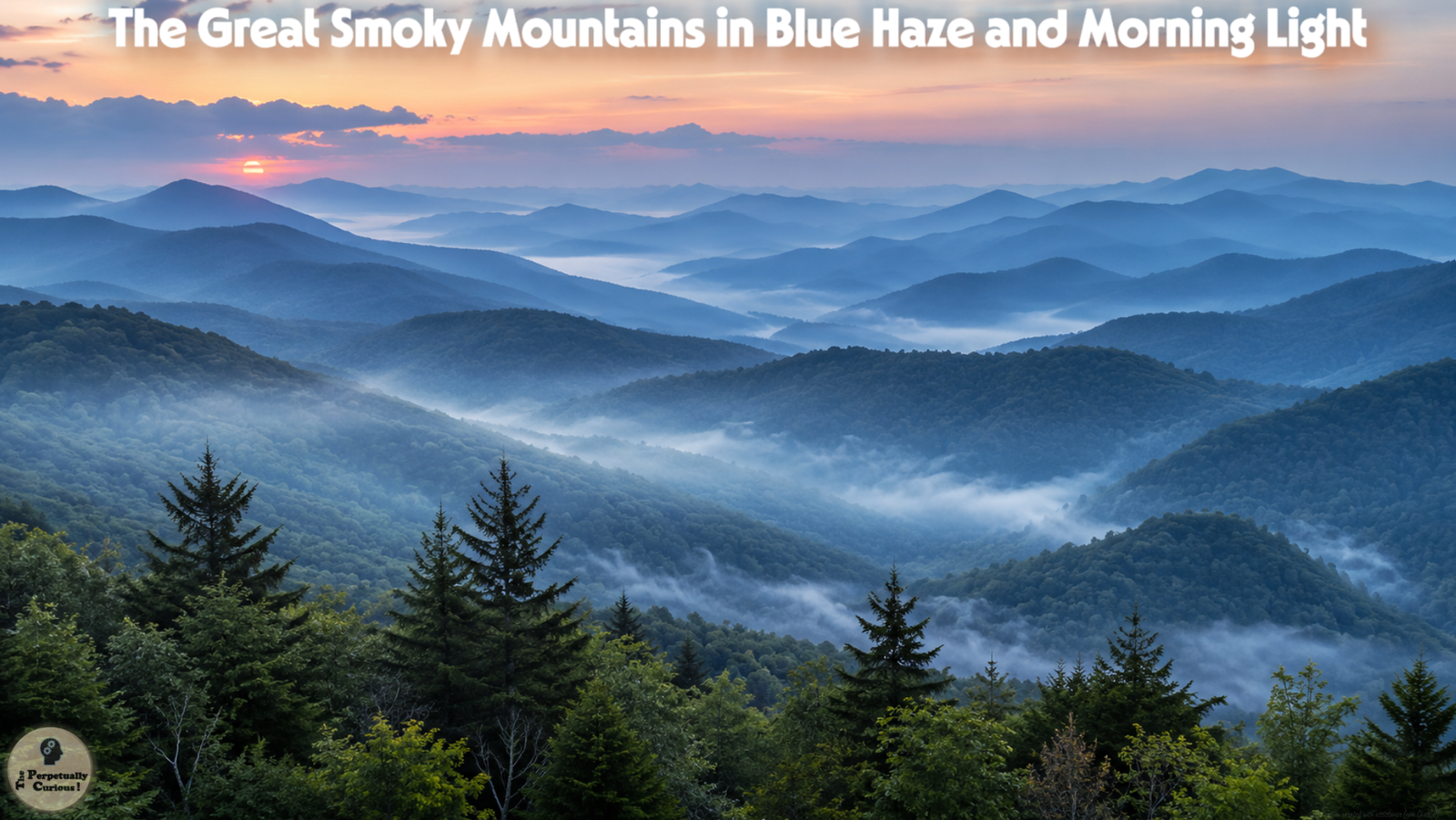
🌫️ Why the Great Smoky Mountains Fade into Blue Haze
From section: Why the ridges look blueFog consists mainly of suspended water droplets and often looks white or gray at close range.
- The Perpetually Curious! › Archives › Planet EarthArticle
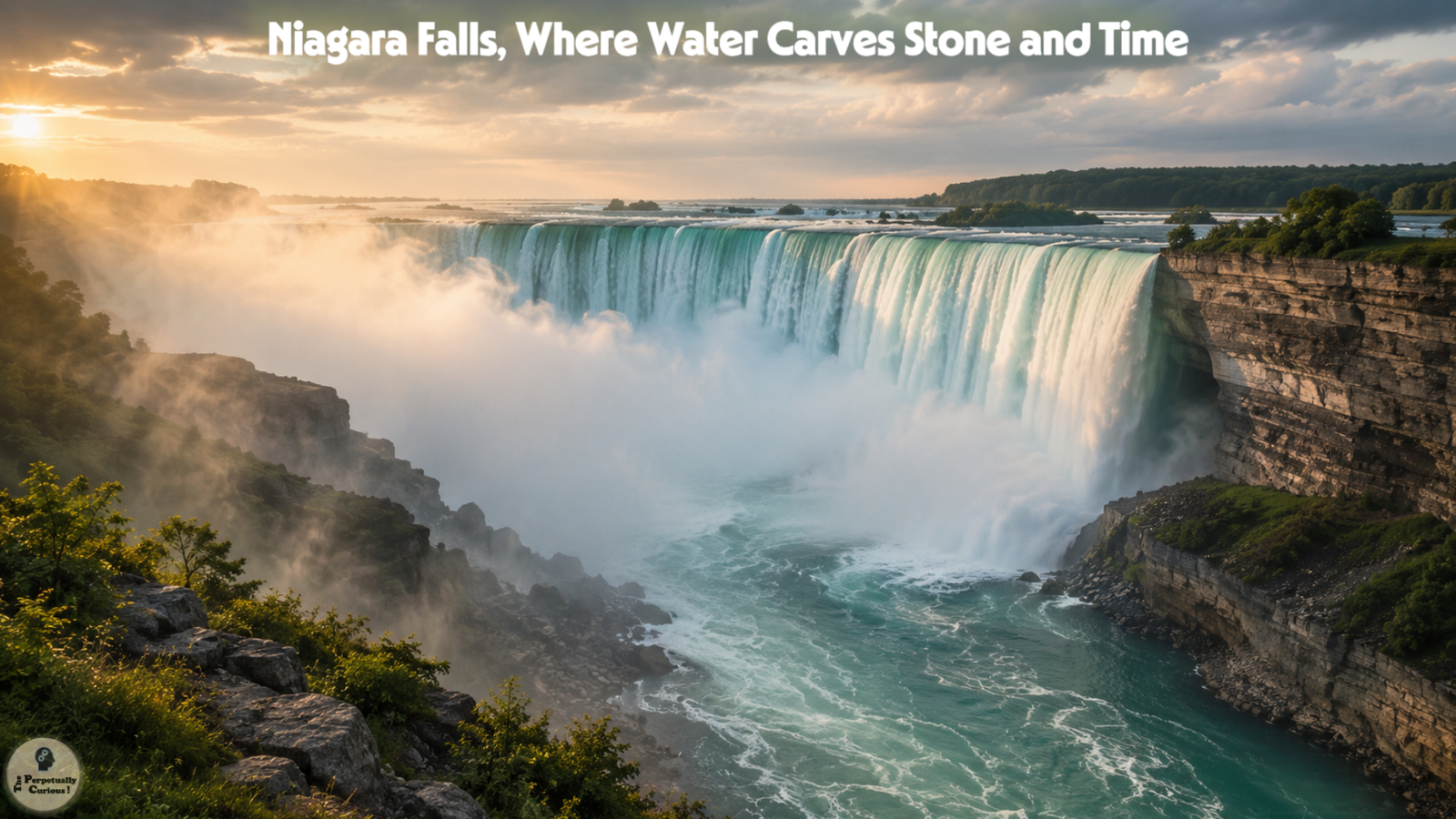
🌊 Niagara Falls Facts: How Water Turns Stone Into Time
From section: Mist as a sign of forceWhat looks like a monument is also a motion.
- The Perpetually Curious! › Archives › Cosmic ExplorationArticle
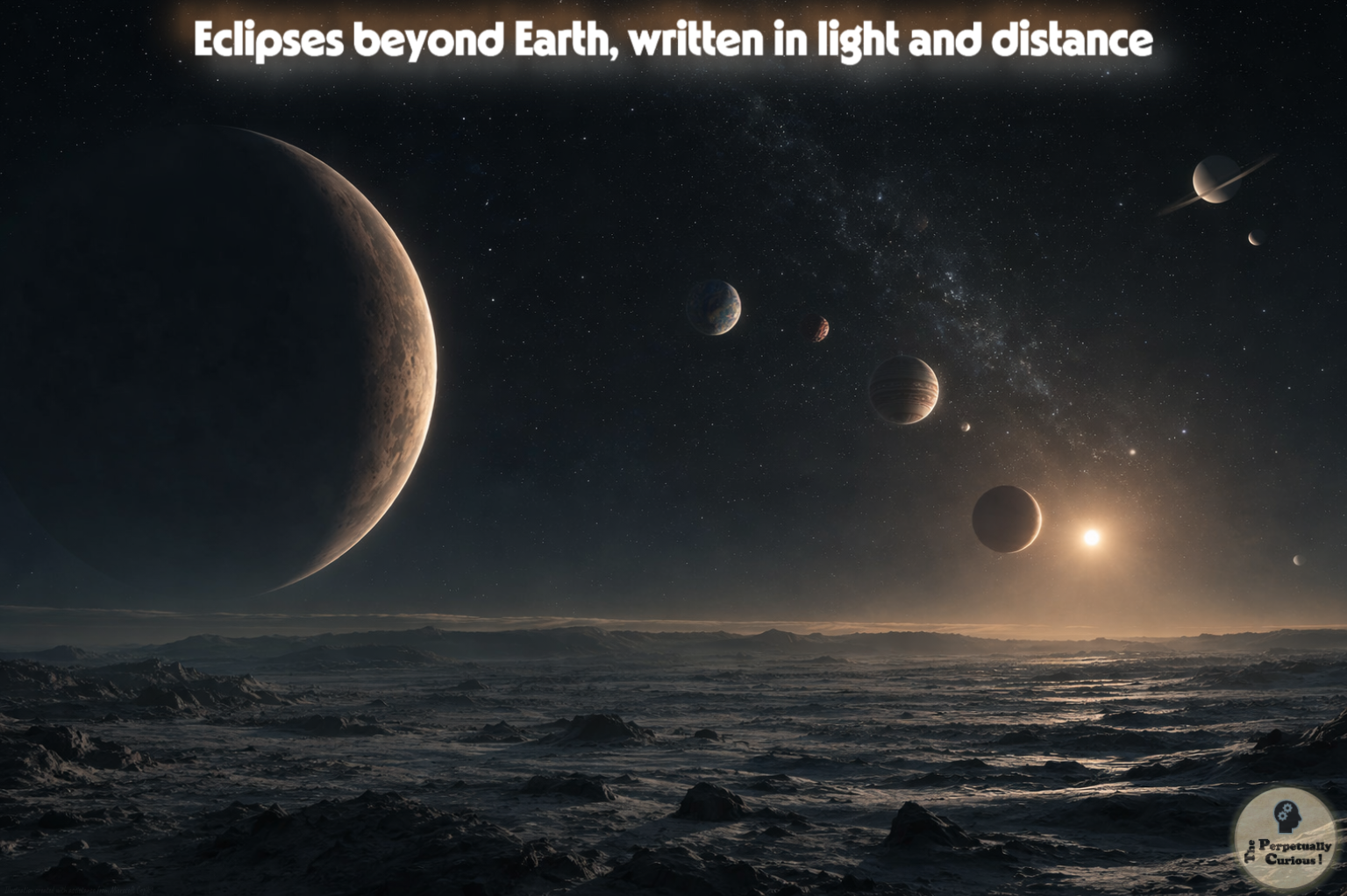
🌘 Eclipses Across the Solar System: When Shadows Travel
From section: How moons turn geometry into experienceIts large moons can cast dark spots across the planet’s cloud tops, and the scale of the system allows shadows to move like visible geometry across an enormous atmosphere.
- The Perpetually Curious! › Archives › Biology & HealthArticle
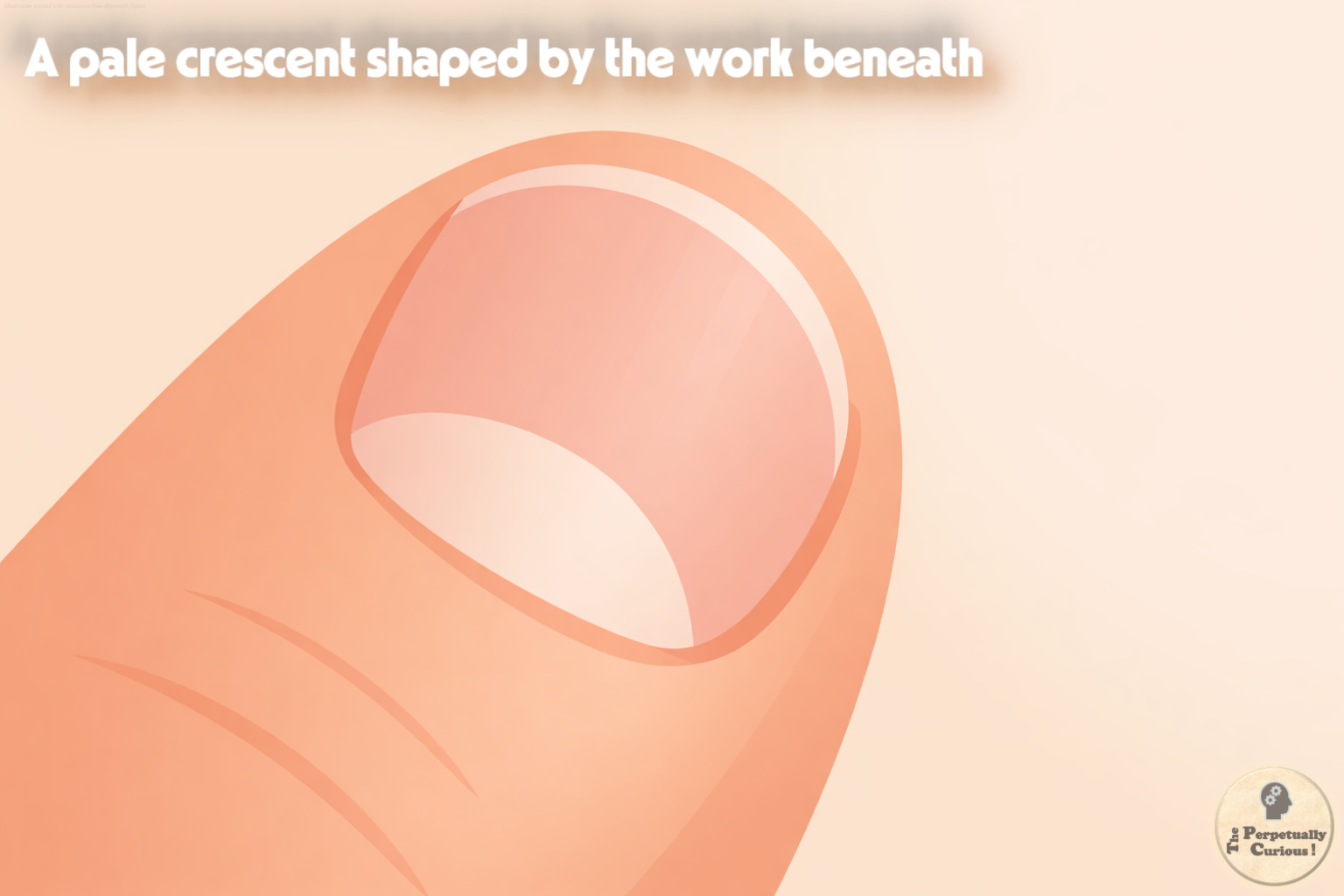
🌙 White Half Moon on Nails: The Quiet Growth Zone Beneath
From section: The crescent begins in the matrixThat is why the lunula looks whitish while the rest of the nail often looks more pink.