Explore by topic, question, or idea. Find articles, reflections, videos, puzzles, and curiosity pathways gathered across the site.
Press Enter or select Search. A newly typed query starts globally; filters are applied only through the visible rail.
42 results for “why space looks dark”
- The Perpetually Curious! › Archives › Botanical WondersArticle
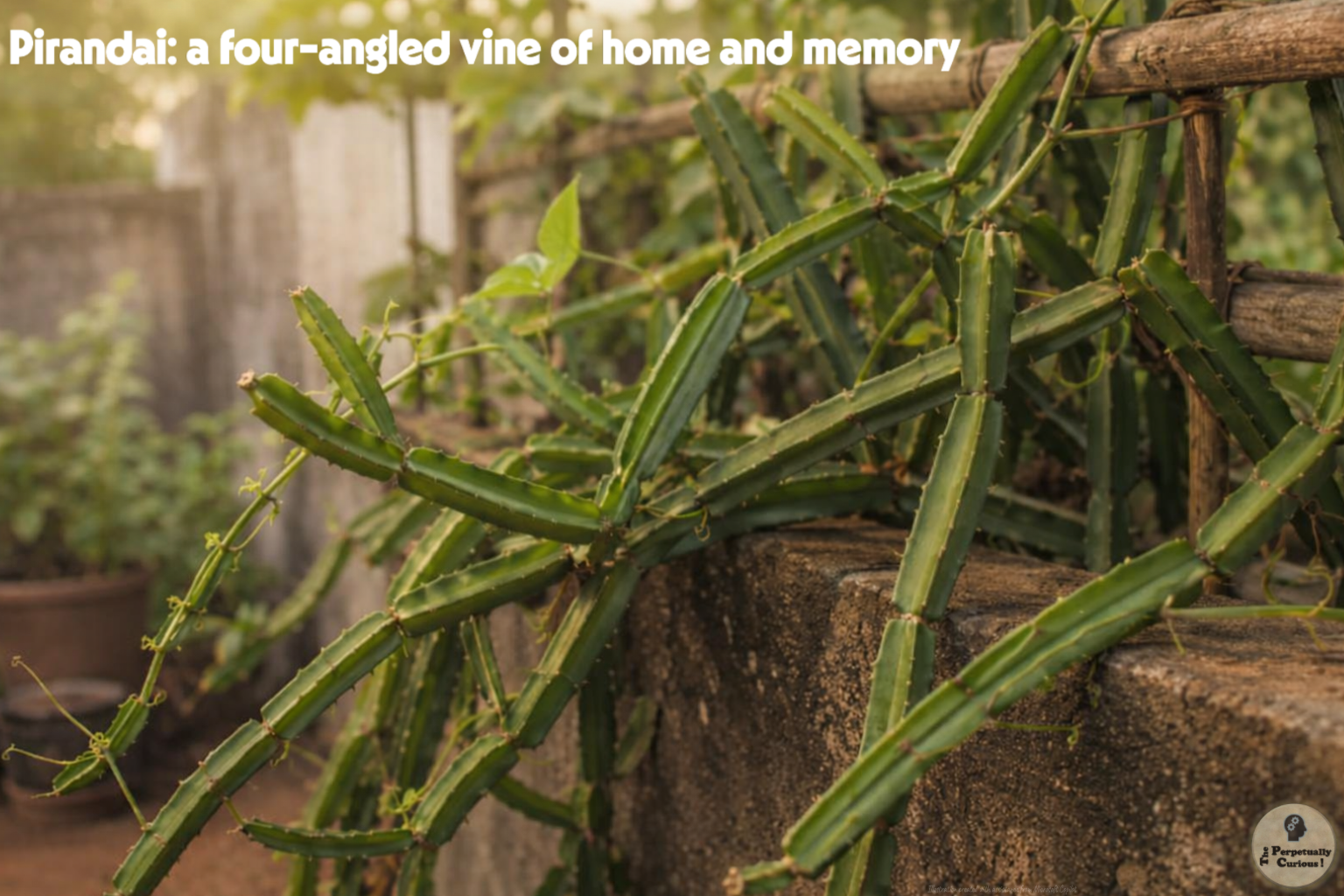
🌿 Pirandai: How a Four-Angled Vine Holds Memory and Water
From section: When shape becomes memoryPirandai may run along a fence, climb a support, or settle into a boundary where cultivated space meets the rougher edge of the landscape.
- The Perpetually Curious! › Archives › Wilderness & Homestead CreaturesArticle
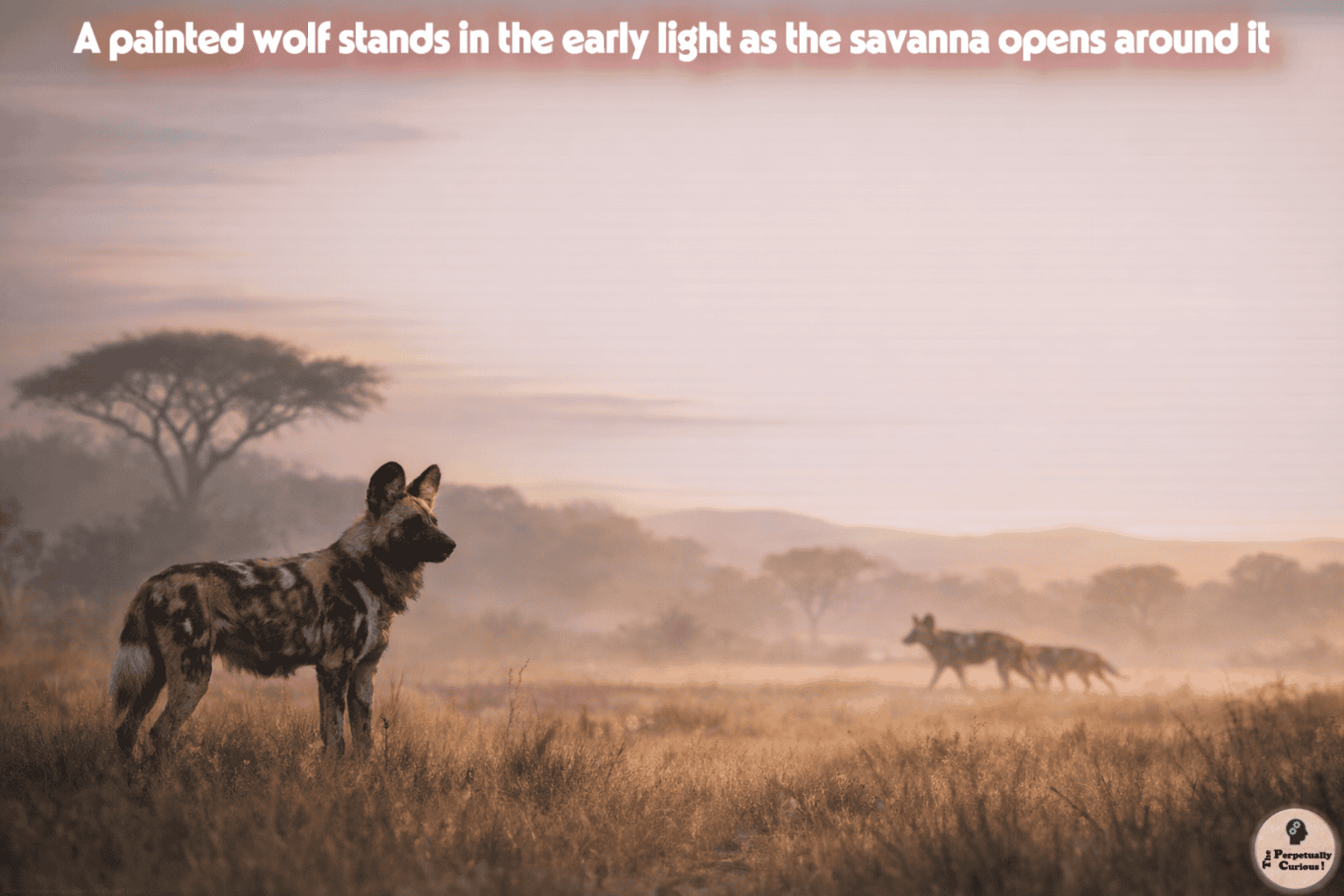
🐾 African Wild Dogs: How Their Pack Life Carries the Hunt
From section: How movement becomes a strategyThis lens also explains why conservation is so closely tied to space.
- The Perpetually Curious! › Archives › Environment & SustainabilityArticle
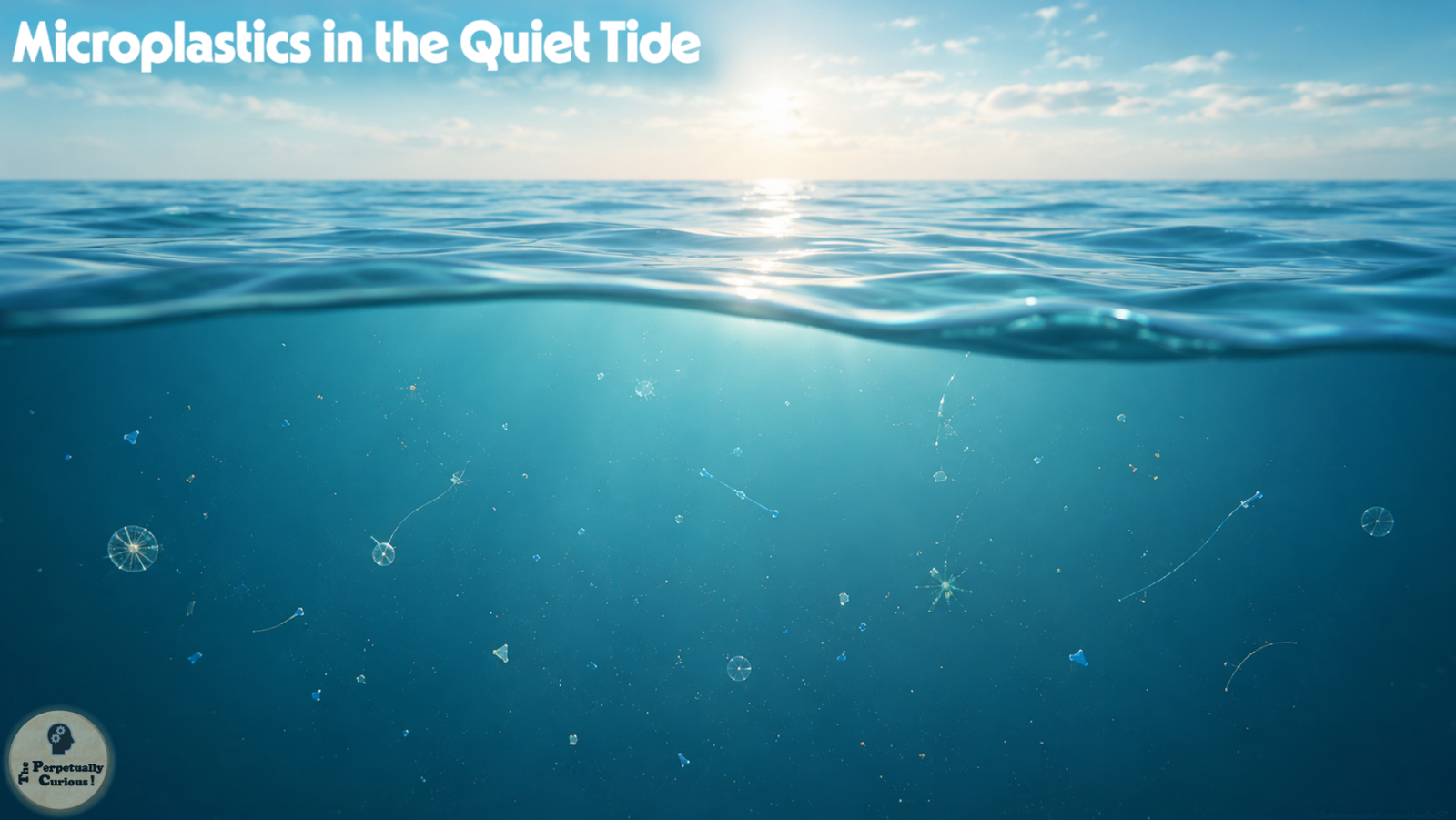
🌊 Microplastics in the Ocean: How Tiny Fragments Travel
Microplastics in the ocean are not only small pieces of plastic. They are mobile fragments, shaped by weathering, water movement, and the living systems they pass through.
- The Perpetually Curious! › Archives › Biology & HealthArticle
Where Does the Mind Reside? A Contemplation on Consciousness and the Dancing Synapses 🧠
The Question That Captivates Neuroscience 💭 Standing before the vast neural landscape of the human brain, scientists and philosophers alike find themselves pondering one of existence's most compelling questions. Where does consciousness reside?
- The Perpetually Curious! › Archives › Wilderness & Homestead CreaturesArticle
🐘 Elephant Spa: Why Mud and Dust Baths Are Essential for Elephant Survival and Health
On a scorching afternoon in the African savanna, a herd of elephants gathers at a muddy waterhole. Trunks scoop and fling mud into the air, coating their massive bodies in a thick, earthy layer. The air is filled with the sound of splashes, the scent of wet earth, and the low…
- The Perpetually Curious! › Archives › Botanical WondersArticle
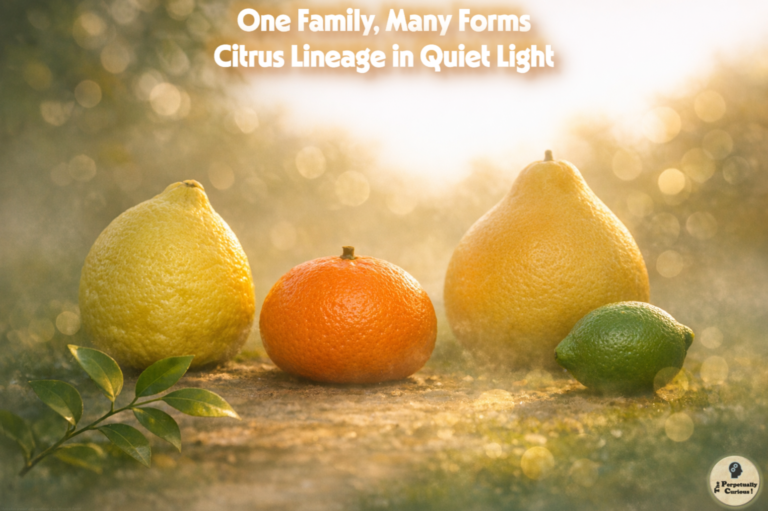
🍊 Citrus Family Tree: How Ancient Lineages Became Familiar Fruits
A fruit bowl can make oranges, lemons, limes, mandarins, and grapefruit look like separate botanical inventions. Their colors, flavors, and shapes seem distinct enough to suggest separate origins. The citrus family is more intertwined than that.
- The Perpetually Curious! › Archives › Planet EarthArticle
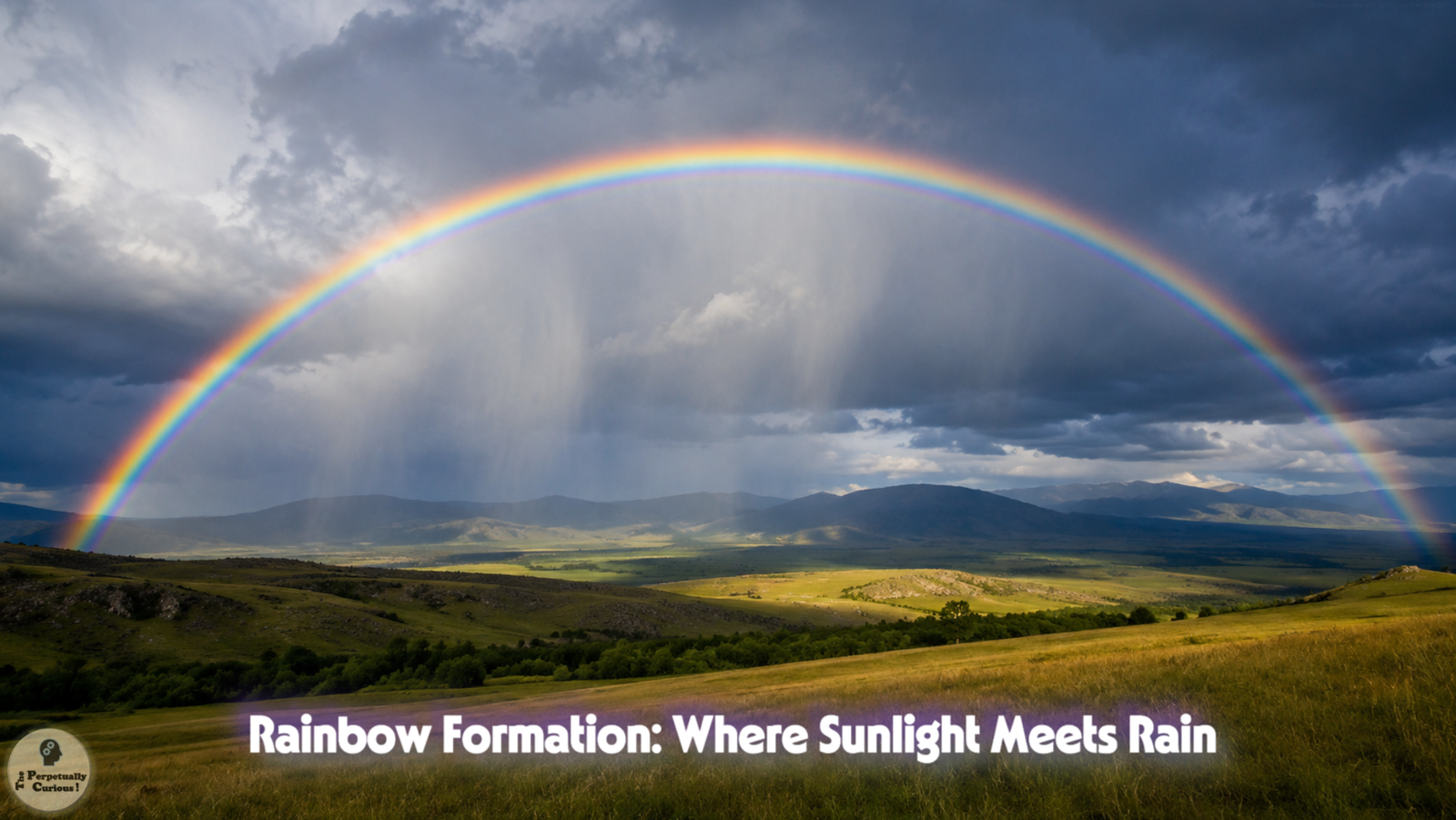
🌈 Rainbow Formation: Why Every Observer Sees a Different Arc
A rainbow can look like a colored bridge resting on a distant valley, field, or line of trees. Yet the arc is not anchored to that landscape. It is assembled for a particular observer by a particular set of illuminated water droplets.
- The Perpetually Curious! › Archives › History, Arts, and CultureArticle
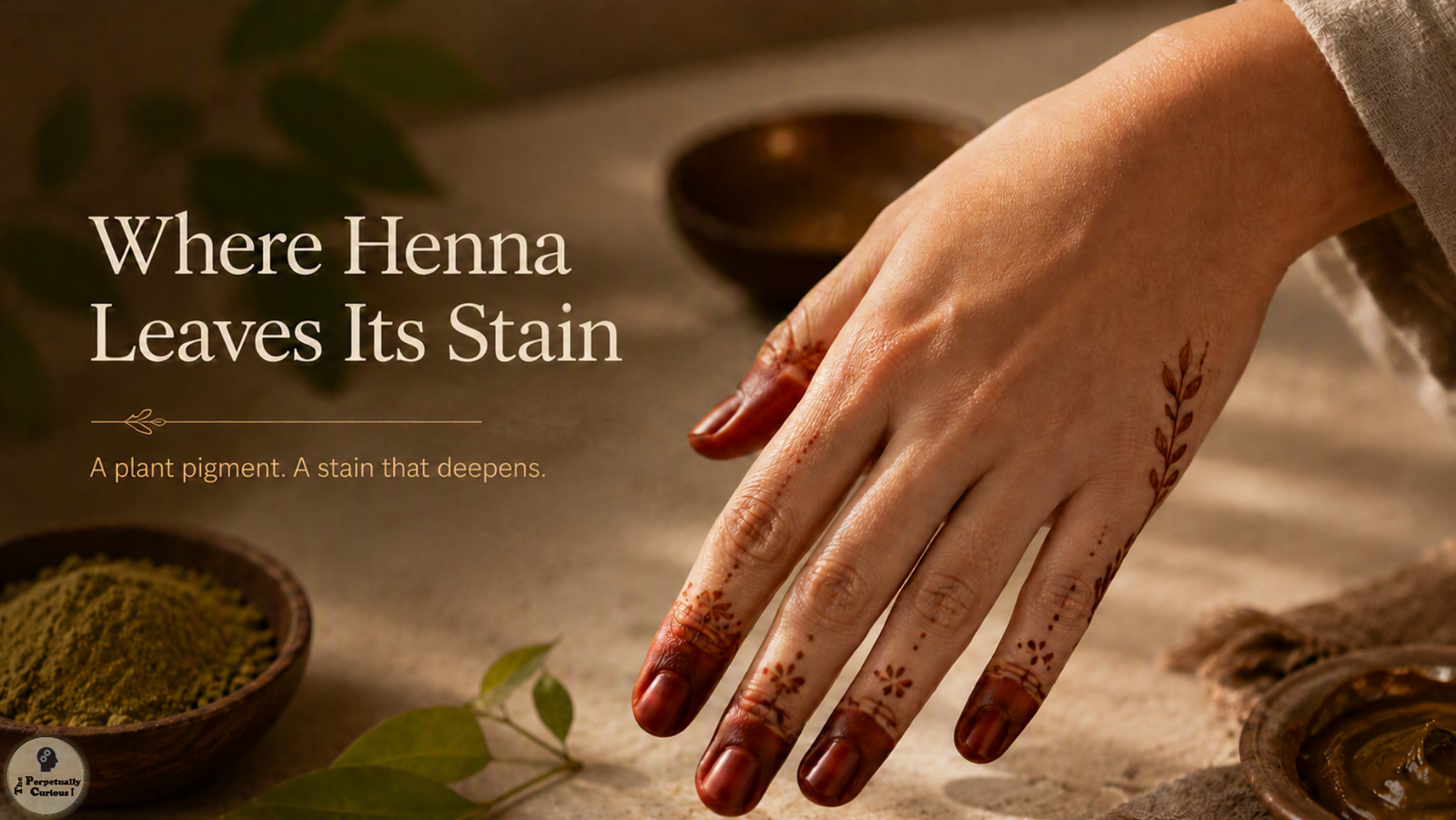
🌿 Why Henna Stains Fingertips More Deeply Than Other Skin
When dried henna paste is removed, the color beneath it can look almost modest: a clear orange tracing the fingertips and palm. By the following day, the same marks may have deepened toward reddish-brown.
- The Perpetually Curious! › Archives › Wilderness & Homestead CreaturesArticle
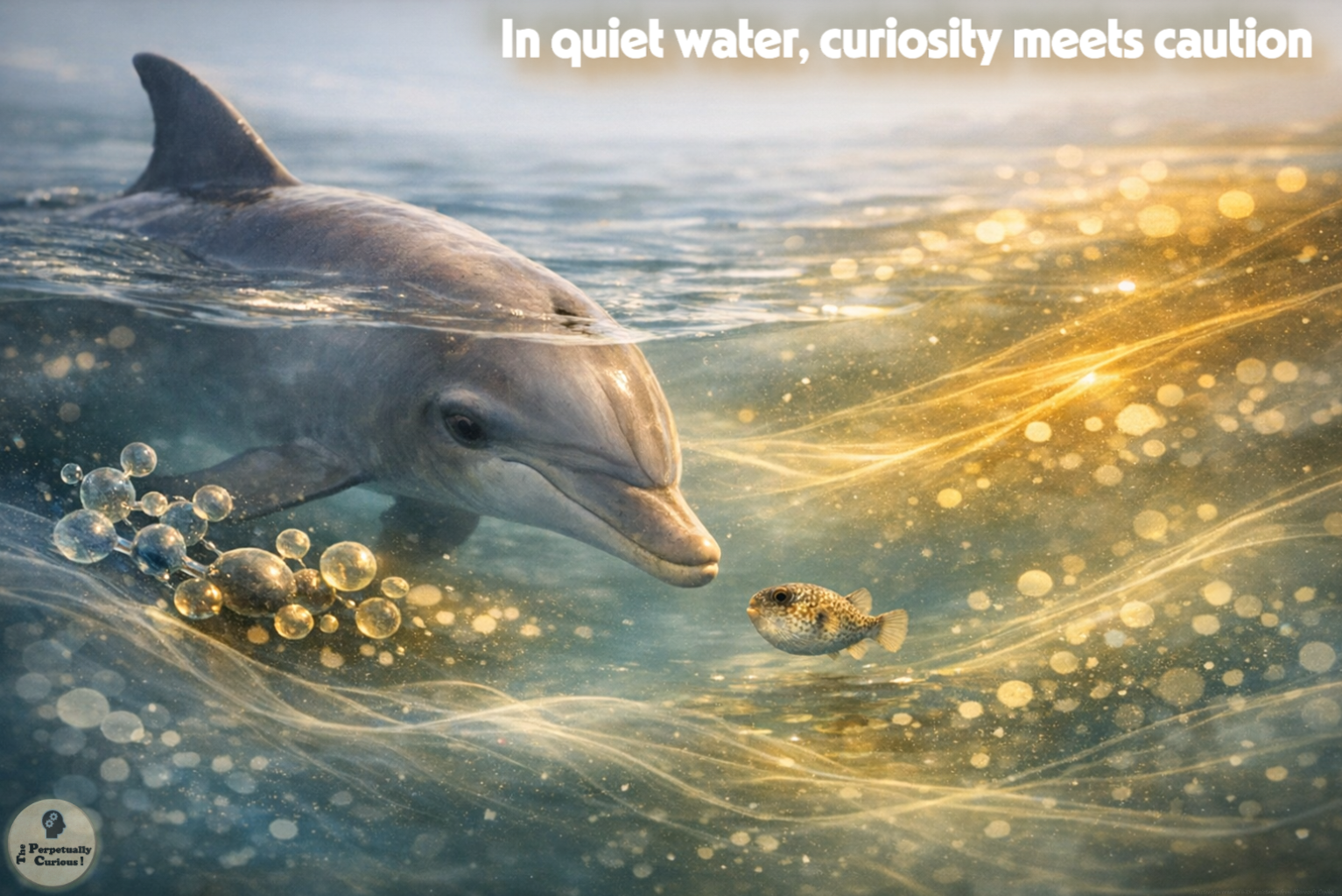
🧪 Animal Chemical Encounters: When Molecules Shape Behavior
In the sea, a chemical encounter can begin before a chase, a bite, or a sound. A molecule released from skin, mucus, food, or water can change what an animal notices, how it moves, and whether it keeps investigating. To human eyes, the moment may look like simple curiosity.
- The Perpetually Curious! › ArchivesGateway
TPC8‑QH‑CE‑006 🌌 Cosmic Exploration | 🌒 Moons, Rings, and Small Bodies II
From section: 1️⃣ Which moon of Saturn is famous for geysers that spray water vapor and ice into space?1️⃣ Which moon of Saturn is famous for geysers that spray water vapor and ice into space?