Explore by topic, question, or idea. Find articles, reflections, videos, puzzles, and curiosity pathways gathered across the site.
Press Enter or select Search. A newly typed query starts globally; filters are applied only through the visible rail.
9 results for “why space looks dark”
- The Perpetually Curious! › Archives › Cosmic ExplorationArticle
🌌 The Hunt for the Invisible: Understanding Dark Matter Through Science's Greatest Detective Story
The universe is keeping a secret from us. About 85 percent of all the matter that exists remains stubbornly invisible, refusing to interact with light yet shaping everything we see. This invisible substance, which scientists call dark matter, represents one of the most profound…
- The Perpetually Curious! › Archives › Cosmic ExplorationArticle
🌞 The Solar Wind: When the Sun Breathes Across Space
Though invisible to our eyes, this cosmic current shapes Earth’s environment, drives space weather, and even fuels storms that can disrupt technology on Earth, and it is why space‑weather forecasters watch the Sun every day.
- The Perpetually Curious! › Archives › Cosmic ExplorationArticle
Cosmic Eyes: How Humanity's Space Telescopes Unveil the Universe's Hidden Realms 🔭
Space telescopes changed everything, granting us new senses to perceive the invisible universe.
- The Perpetually Curious! › Archives › Cosmic ExplorationArticle
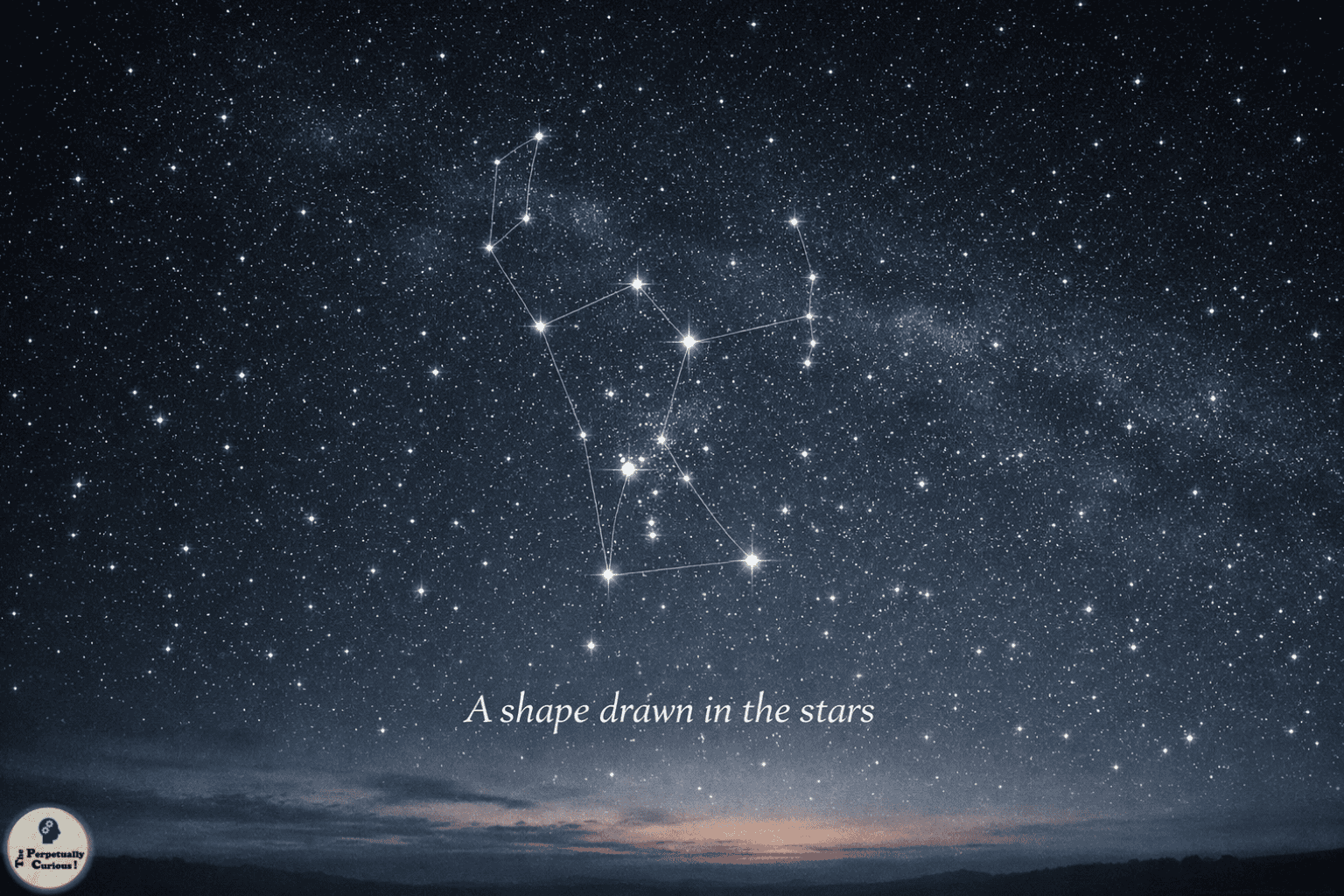
🌌 Constellations: How Star Patterns Help Us Find Our Way
From section: When scattered stars become a mapThat neighboring question of why the sky can appear dark while the universe is filled with light is followed in why space looks dark, where the focus shifts from remembered patterns to visibility itself.
- The Perpetually Curious! › Archives › Cosmic ExplorationArticle
🌌 The Silent Storm Above: Understanding Our Orbital Debris Challenge
This growing constellation of space junk represents one of the most pressing challenges for humanity's continued exploration of the cosmos.Read more »
- The Perpetually Curious! › Archives › Cosmic ExplorationArticle
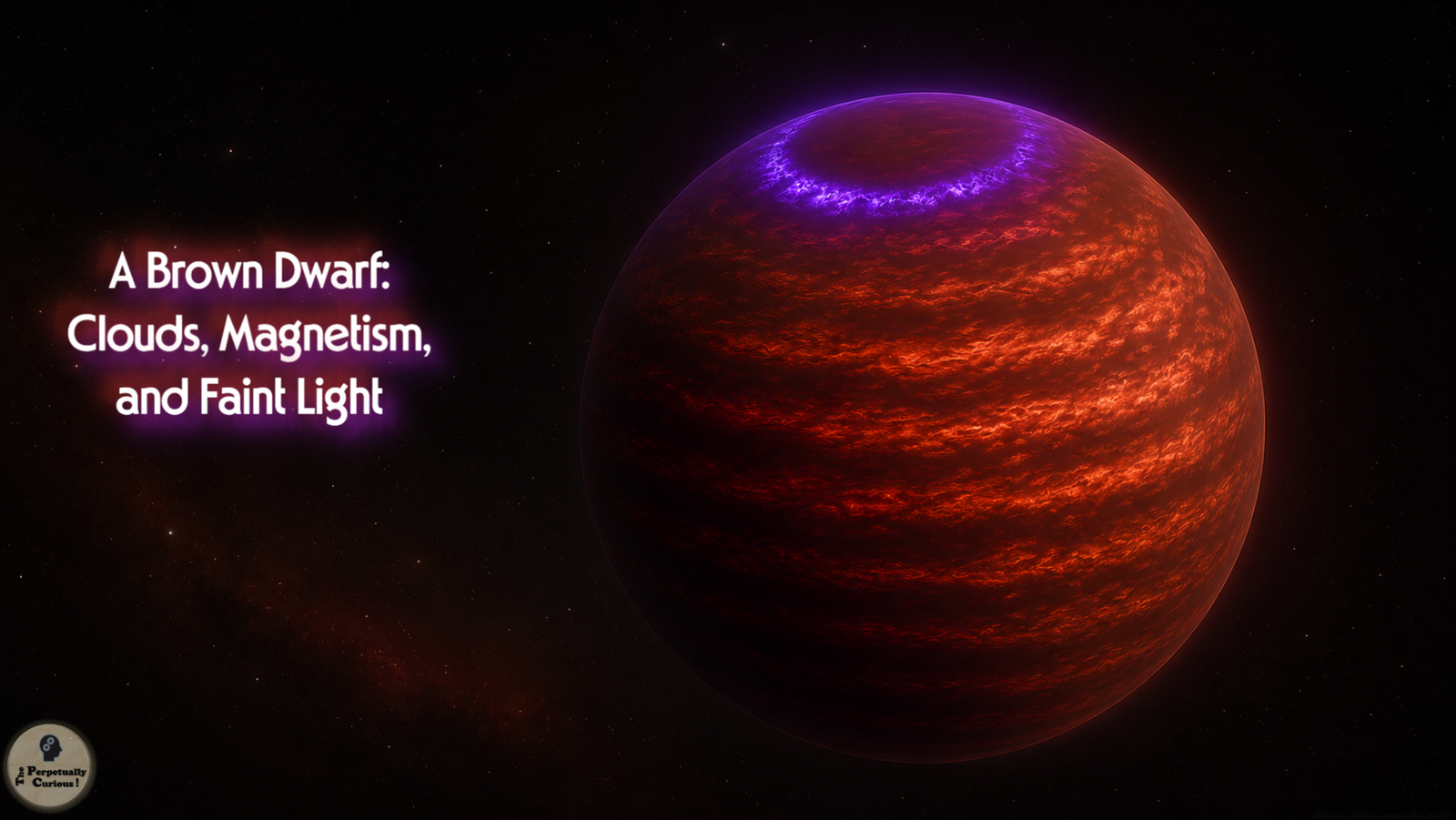
🌟 Brown Dwarfs: Why Stellar Ignition Never Takes Hold
From section: 🔥 When contraction almost makes a starNuclear reactions must release energy consistently enough to offset what the object radiates into space.
- The Perpetually Curious! › Archives › Cosmic ExplorationArticle
The Cosmic Journey: Understanding Our Galactic Year 🌌
Right now, you are racing through space at an astonishing 514,000 miles per hour (828,000 kilometers per hour), carried on a journey so vast that comprehending it challenges human intuition. This relentless motion never stops.
- The Perpetually Curious! › Archives › Cosmic ExplorationArticle
Worlds Beyond Worlds: The Extraordinary Story of Exoplanets 🌌
In the vast theater of space, thousands of alien worlds dance around distant stars, each one rewriting our understanding of what a planet can be.Read more »
- The Perpetually Curious! › Archives › Cosmic ExplorationArticle
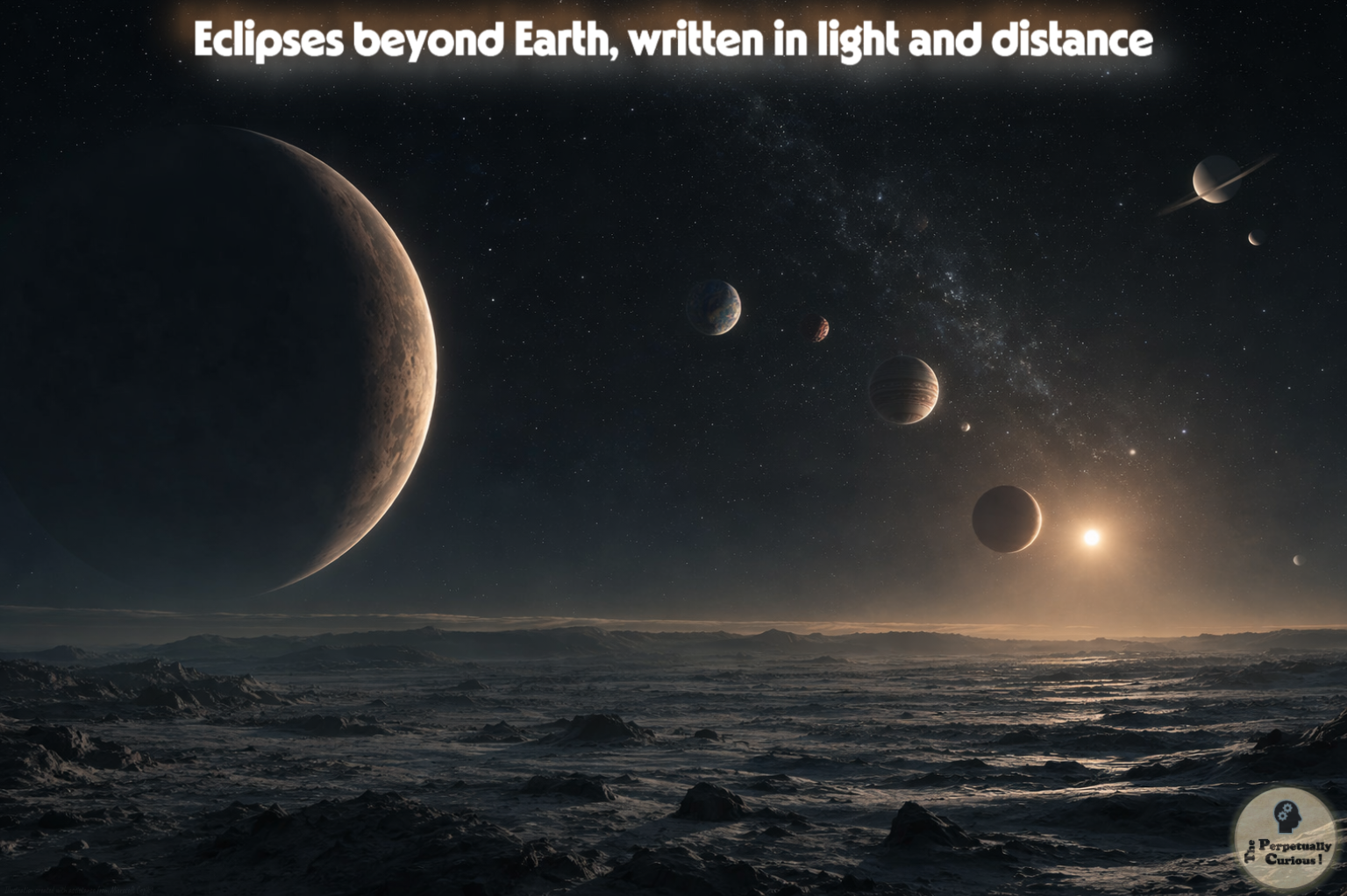
🌘 Eclipses Across the Solar System: When Shadows Travel
From section: How moons turn geometry into experienceIts large moons can cast dark spots across the planet’s cloud tops, and the scale of the system allows shadows to move like visible geometry across an enormous atmosphere.