Explore by topic, question, or idea. Find articles, reflections, videos, puzzles, and curiosity pathways gathered across the site.
Press Enter or select Search. A newly typed query starts globally; filters are applied only through the visible rail.
35 results for “a cultural journey through the week tracing the ancient origins of the seven days”
- The Perpetually Curious! › Archives › Cosmic ExplorationArticle
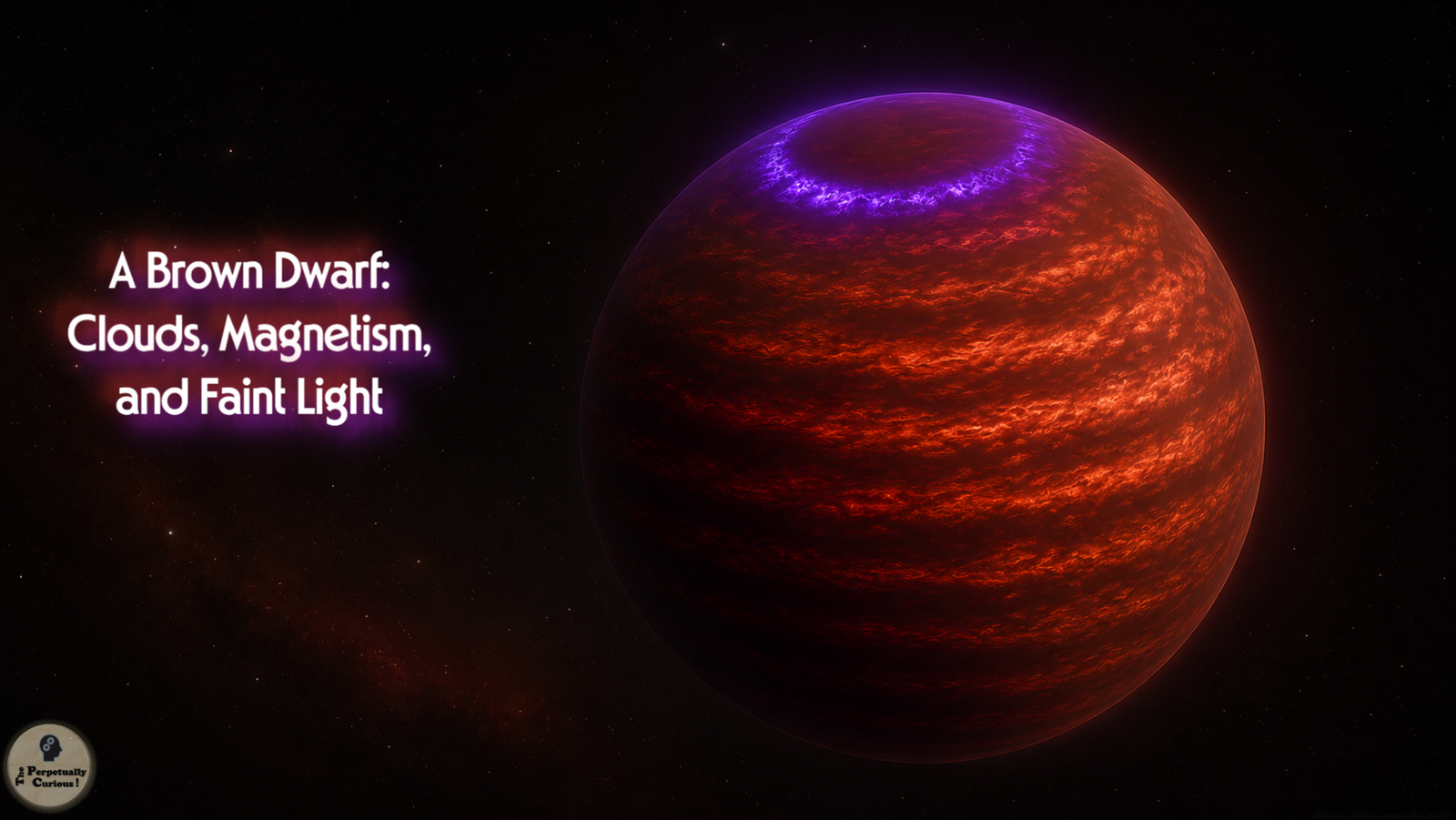
🌟 Brown Dwarfs: Why Stellar Ignition Never Takes Hold
From section: 🔥 When contraction almost makes a star… 🔥 When contraction almost makes a star A young brown dwarf can form through fragmentation and gravitational collapse broadly similar to the formation of a low-mass star.
- The Perpetually Curious! › Archives › Cosmic ExplorationArticle
🌍 Why Earth Has a Living Atmosphere
From section: 🔭 Opening the QuestionThe question of why Earth has a stable, temperate, long‑lived atmosphere opens into a chain of ideas that stretch from the earliest days of the Solar System to the slow work of oceans, rocks, and living organisms.Read more »
- The Perpetually Curious! › Archives › Cosmic ExplorationArticle
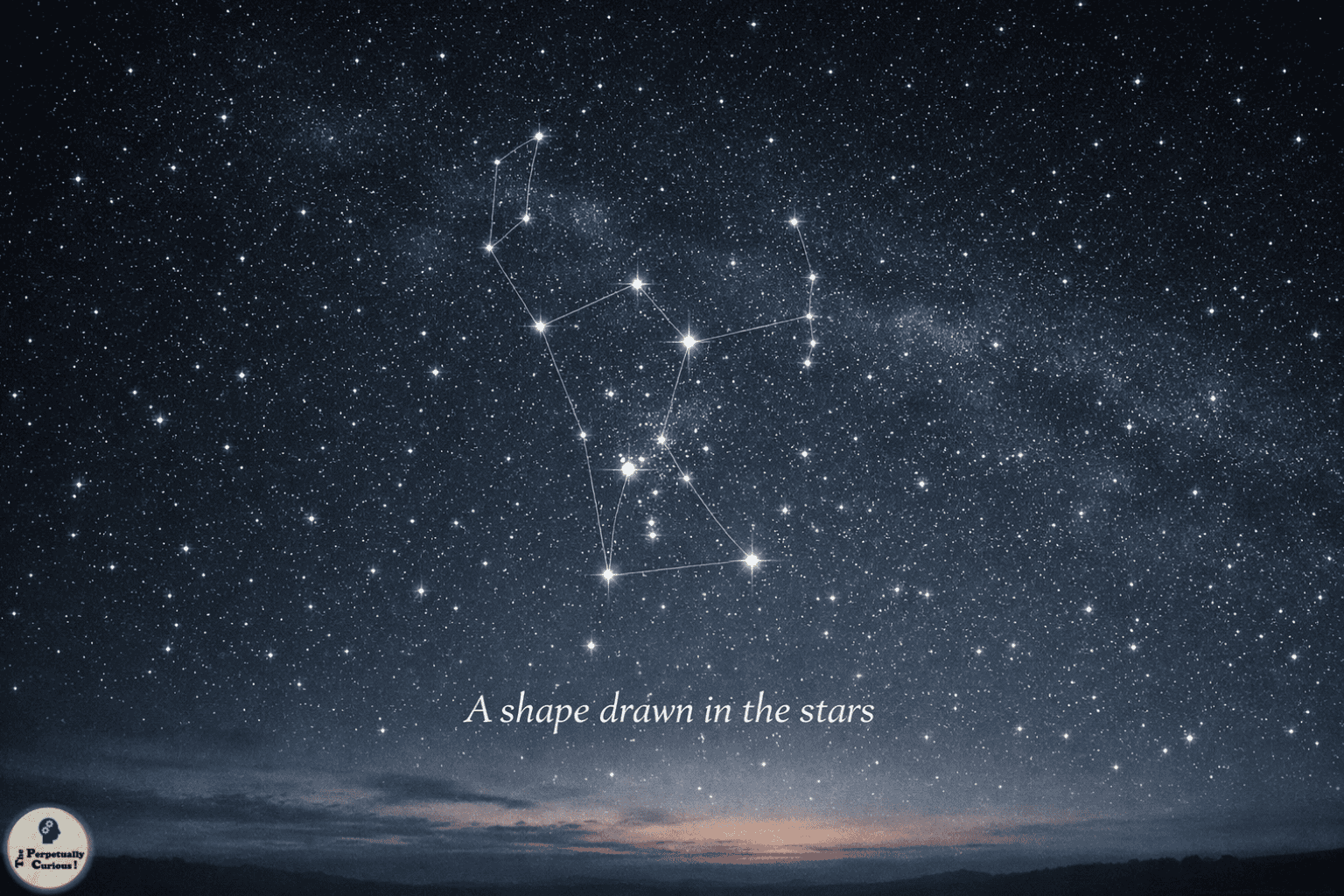
🌌 Constellations: How Star Patterns Help Us Find Our Way
From section: Why orientation needs memoryFor the wider trail on our main site, the discussion opens beyond orientation into cultural sky traditions, the eighty-eight official regions of modern astronomy, changing stellar motion, and FAQ-level distinctions.
- The Perpetually Curious! › Archives › Cosmic ExplorationArticle
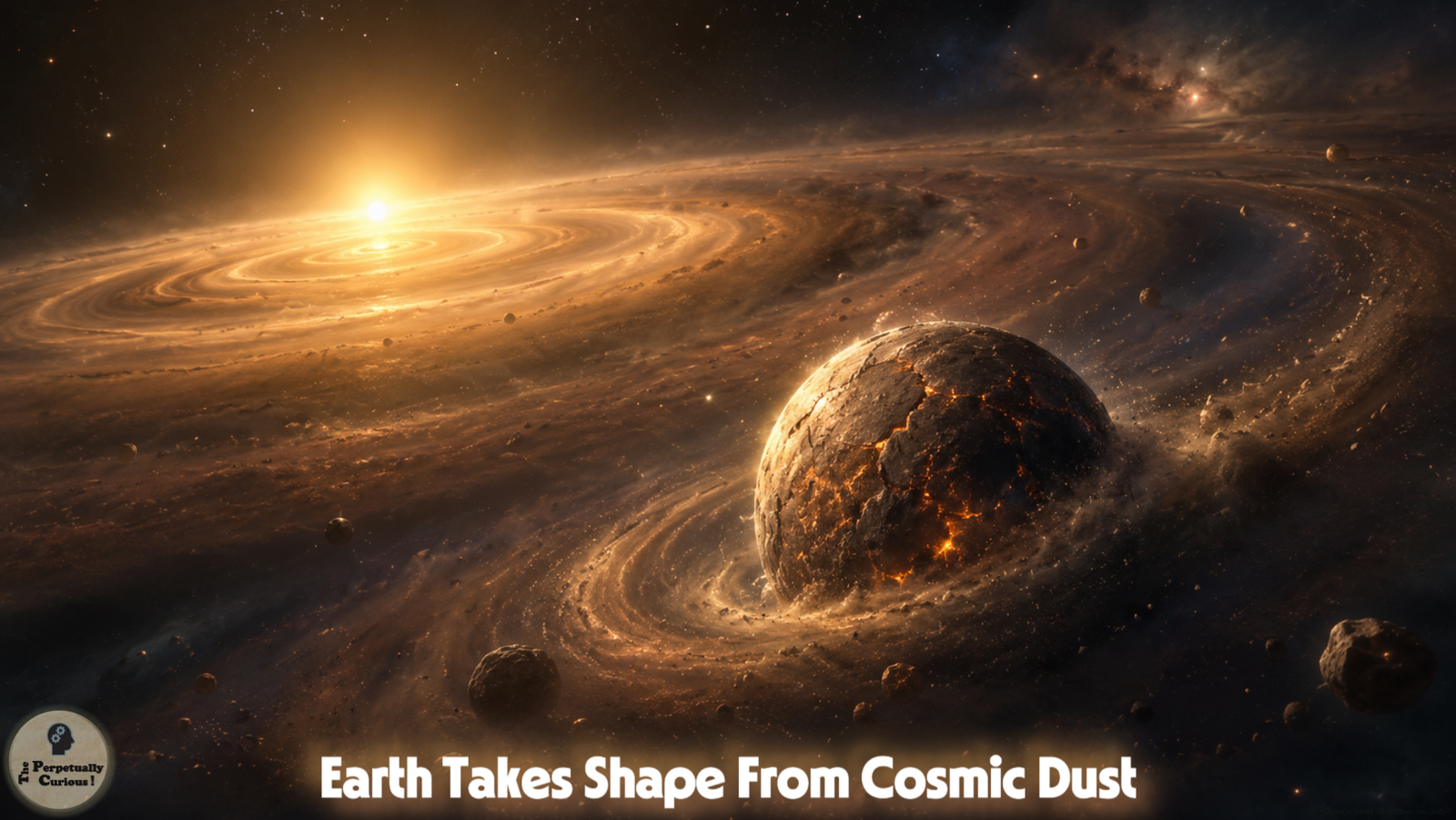
🌍 How Earth Formed: The Slow Assembly of a Young Rocky World
Earth formed through accretion, a long process in which small pieces met, combined, and gradually built larger bodies.
- The Perpetually Curious! › Archives › Cosmic ExplorationArticle
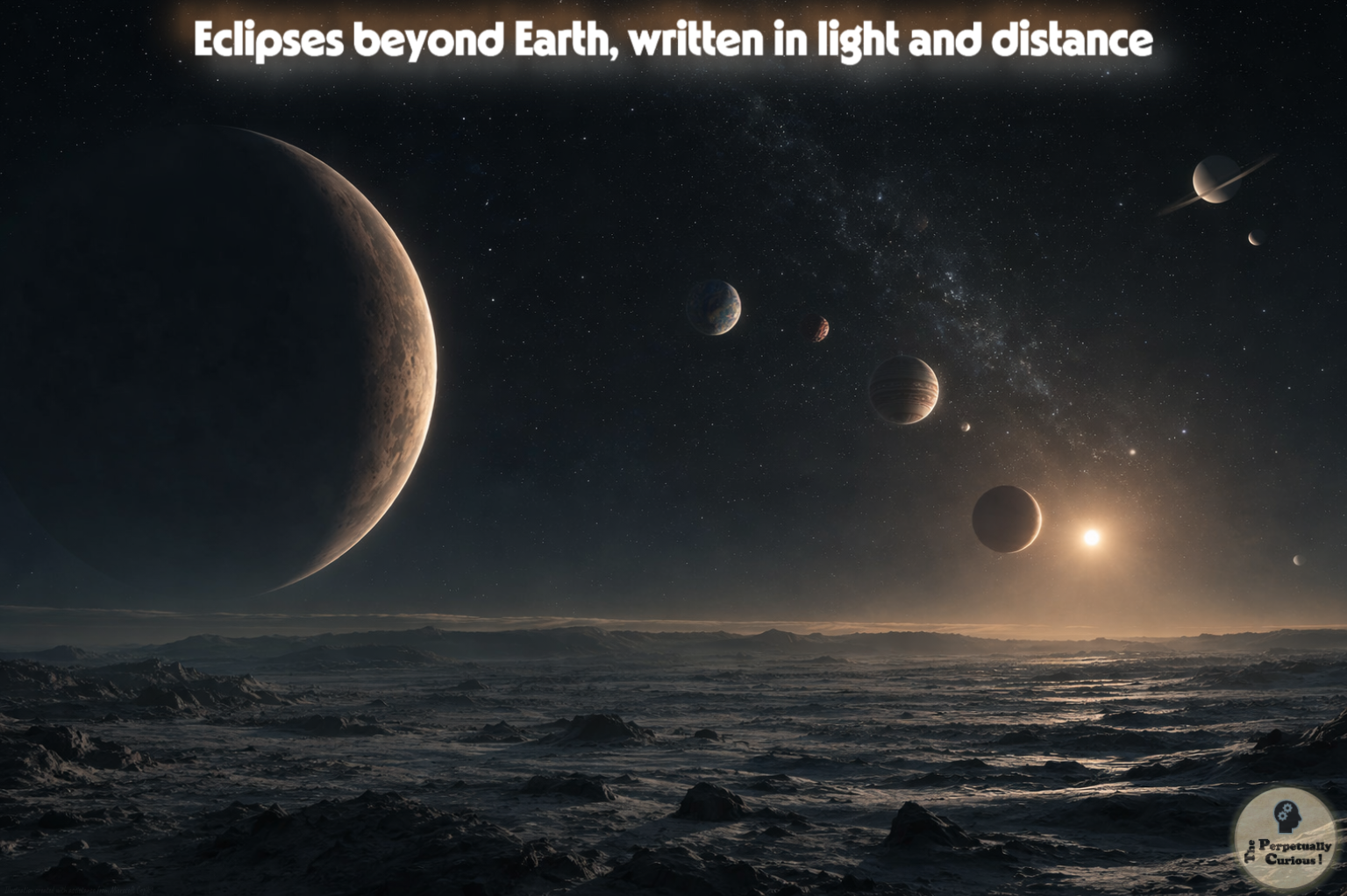
🌘 Eclipses Across the Solar System: When Shadows Travel
From section: A simple alignment, many possible shadowsTo see how this shadow logic plays out world by world, the main-site article follows the wider path through Martian moon transits, Jupiter’s moving shadow spots, Saturn’s ring shadows, Titan’s haze, Triton’s distant eclipses, and the observation history behind these rare alignments.