Explore by topic, question, or idea. Find articles, reflections, videos, puzzles, and curiosity pathways gathered across the site.
Press Enter or select Search. A newly typed query starts globally; filters are applied only through the visible rail.
11 results for “an incandescent light bulb works”
- The Perpetually Curious! › Archives › Planet EarthArticle
The Science of Snow Whiteness: A Journey Through Light and Ice ❄️
From section: Introduction ❄️This transformation from the clarity of simple ice to the collective whiteness of snowfall reveals fundamental principles about how light interacts with matter.
- The Perpetually Curious! › Archives › Planet EarthArticle
❄️ Antarctica: Southernmost Continent’s Frozen Symphony of Silence and Light
Where Silence Breathes and Light Dances: Antarctica's Living Symphony At the edge of our planet lies Antarctica, Earth's southernmost frontier, sculpted by ice, silence, and light; desolate yet breathtaking, mysterious yet alive.
- The Perpetually Curious! › Archives › Planet EarthArticle
Where Earth's Temperate Logic Ends: Understanding the Arctic Circle 🌐
The Arctic Circle marks more than a line on our maps. At approximately 66.5 degrees north latitude (about 66°30′ N), this invisible boundary transforms how our planet receives light, how ecosystems function, and how humans experience the passage of time itself.
- The Perpetually Curious! › Archives › Planet EarthArticle
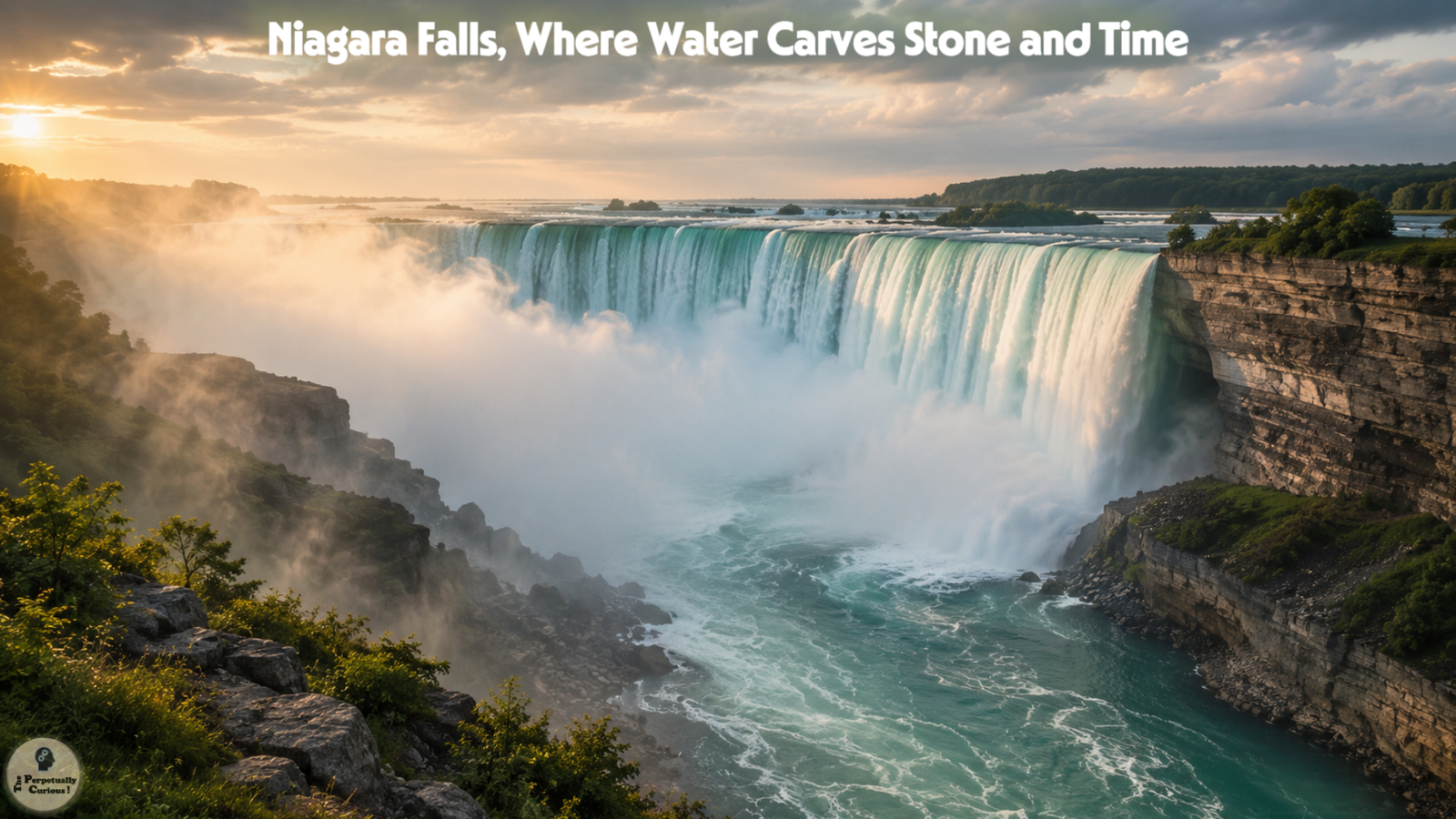
🌊 Niagara Falls Facts: How Water Turns Stone Into Time
From section: Mist as a sign of forceMoisture clings to gorge walls, gathers around vegetation, and changes how light reaches the scene.
- The Perpetually Curious! › Archives › Planet EarthArticle
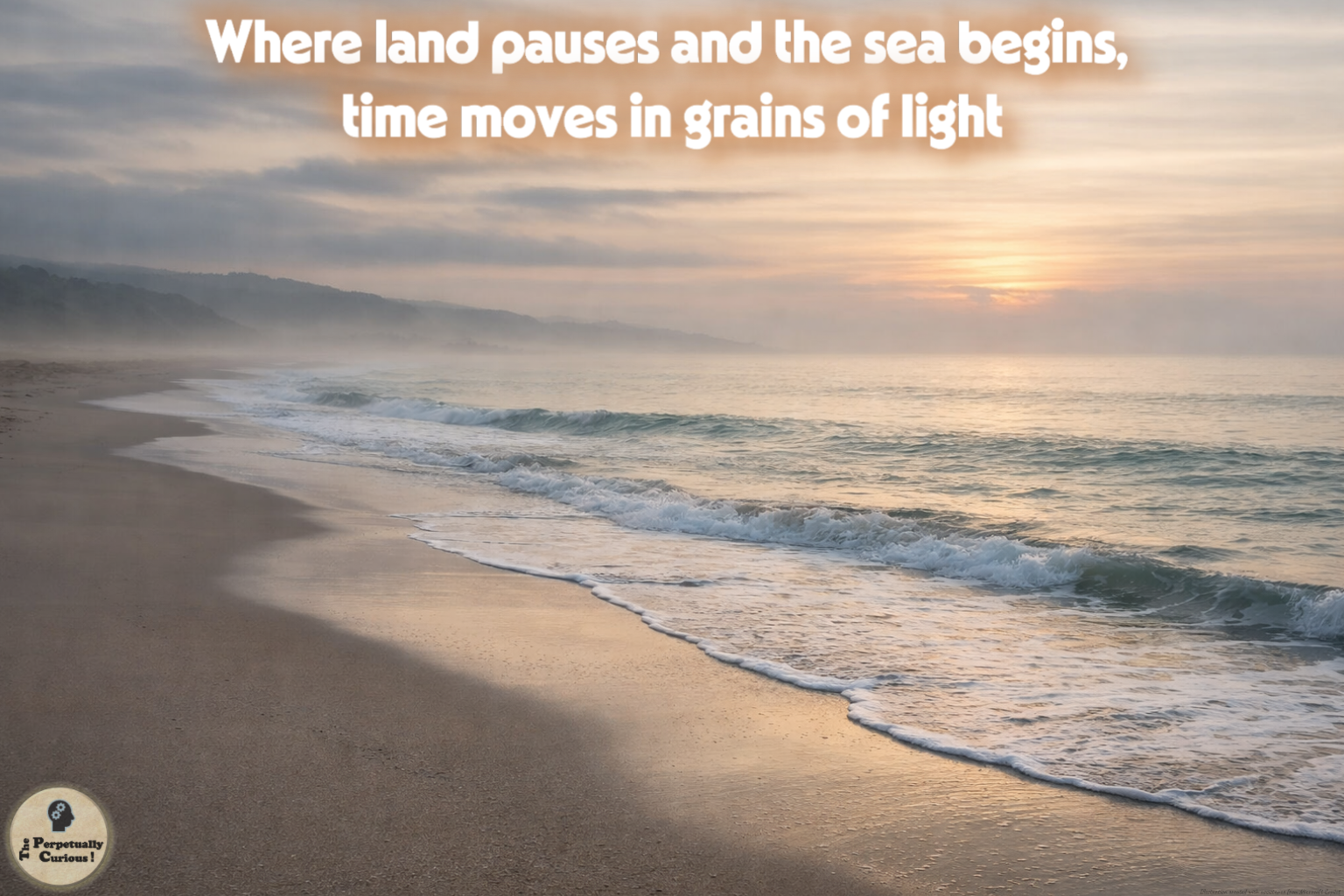
🌊 Why Beaches Have Sand
From section: How sand reaches and stays on the shoreSand grains are heavy enough to settle quickly but light enough to be lifted and moved by waves.
- The Perpetually Curious! › Archives › Planet EarthArticle
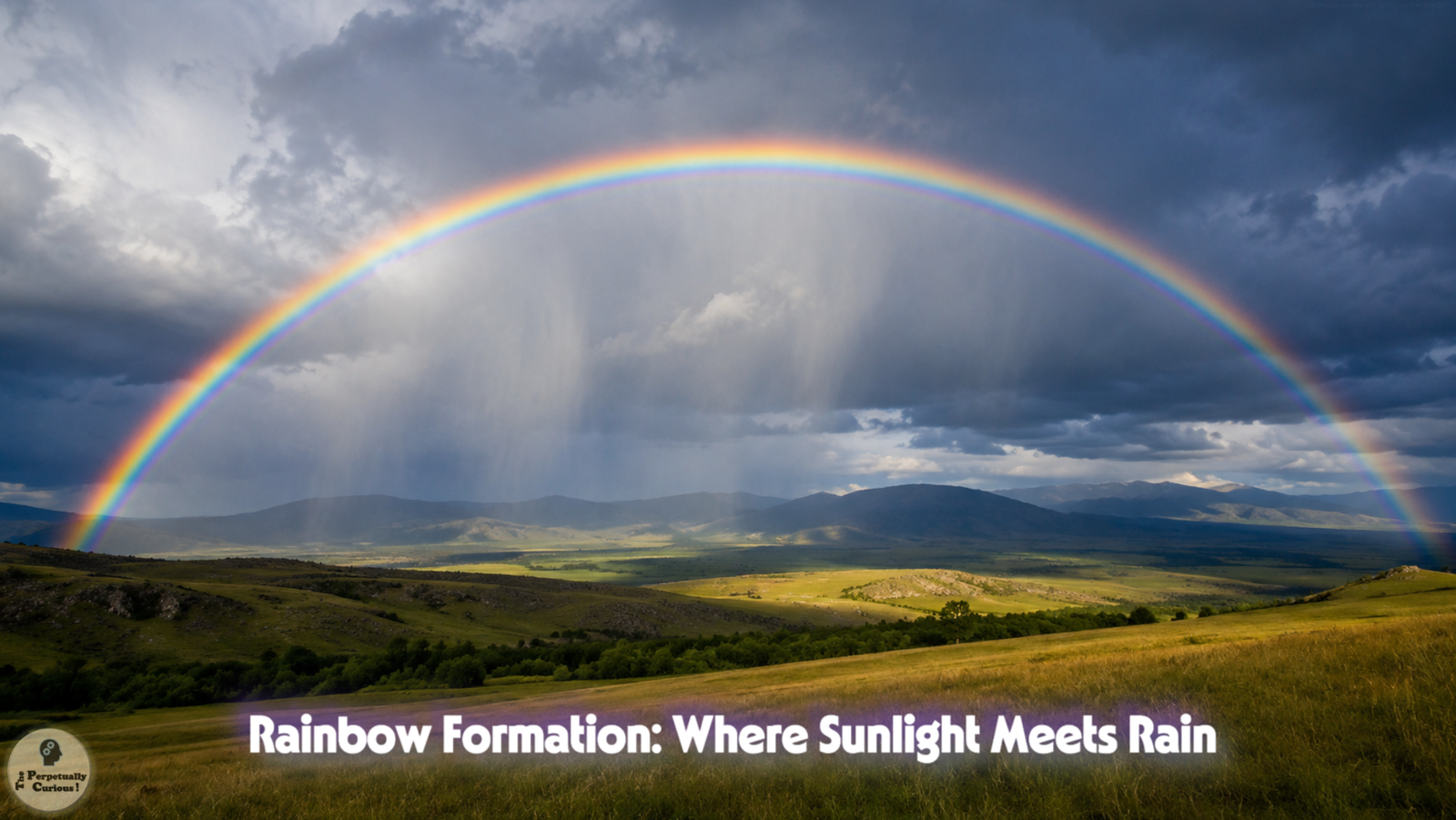
🌈 Rainbow Formation: Why Every Observer Sees a Different Arc
Move a few steps, and a new group of droplets begins sending the required light toward the eye.
- The Perpetually Curious! › Archives › Planet EarthArticle
🌫️ Why the Great Smoky Mountains Fade into Blue Haze
From section: The forest helps make the hazeHumid air can allow fine particles to take up water and become more effective at scattering light.
- The Perpetually Curious! › Archives › Planet EarthArticle
🌧️ Petrichor: How First Rain Lifts Earth’s Hidden Scent
From section: When raindrops become tiny scent liftersA long-awaited sprinkle can sometimes smell stronger than a heavy downpour because light to moderate rain may allow bubble formation and aerosol release more effectively than sheets of water that quickly saturate the ground.
- The Perpetually Curious! › Archives › Planet EarthArticle
🌊 Underwater Sound: How Echoes Measure Distance
From section: Why sound carries the first clueVision depends on light reaching a surface and returning to the eye or camera.
- The Perpetually Curious! › Archives › Planet EarthArticle
🏔️ Mount Kailash: Why a Sacred Summit Is Circled, Not Climbed
Its faces catch light in strong planes, and snow settles unevenly across ledges and ridges as wind and season reshape the surface.