Explore by topic, question, or idea. Find articles, reflections, videos, puzzles, and curiosity pathways gathered across the site.
Press Enter or select Search. A newly typed query starts globally; filters are applied only through the visible rail.
147 results for “an incandescent light bulb works”
- The Perpetually Curious! › ArchivesGateway
TPC8 | Physics (PHYS) ⚡ Index
⚡ Physics Welcome to the Physics section of The Perpetually Curious! (TPC8) Quiz Hub. Explore quizzes on forces, motion, waves, light, energy, and other physics frontiers. Earn badges as you progress from ⚡ Force Starter → 🚀 Energy Explorer → 🌌 Quantum Master.
- The Perpetually Curious! › Archives › Cosmic ExplorationArticle
🌞 The Solar Wind: When the Sun Breathes Across Space
🌠 Introduction Have you ever looked up at the night sky and wondered why shimmering curtains of green, red, and other hues ripple across the poles? These auroras are the visible traces of the solar wind’s interaction with Earth’s magnetic field, where charged particles guided…
- The Perpetually Curious! › Archives › Cosmic ExplorationArticle
The Moon's Ancient Dance: Understanding Lunar Phases Through Science and Story 🌙
Every approximately 29.5 days, Earth’s sole natural satellite completes a shape-shifting performance that has captivated humanity since our species first gazed skyward.
- The Perpetually Curious! › Archives › Engineering & TechnologyArticle
🖋️ Printing Ink: What Happens When a Wet Drop Meets Paper
From section: 📄 What remains after the motion stopsWhat began as a flowing mixture becomes a thin material layer with its own gloss, texture, strength, and response to light.
- The Perpetually Curious! › Archives › Planet EarthArticle
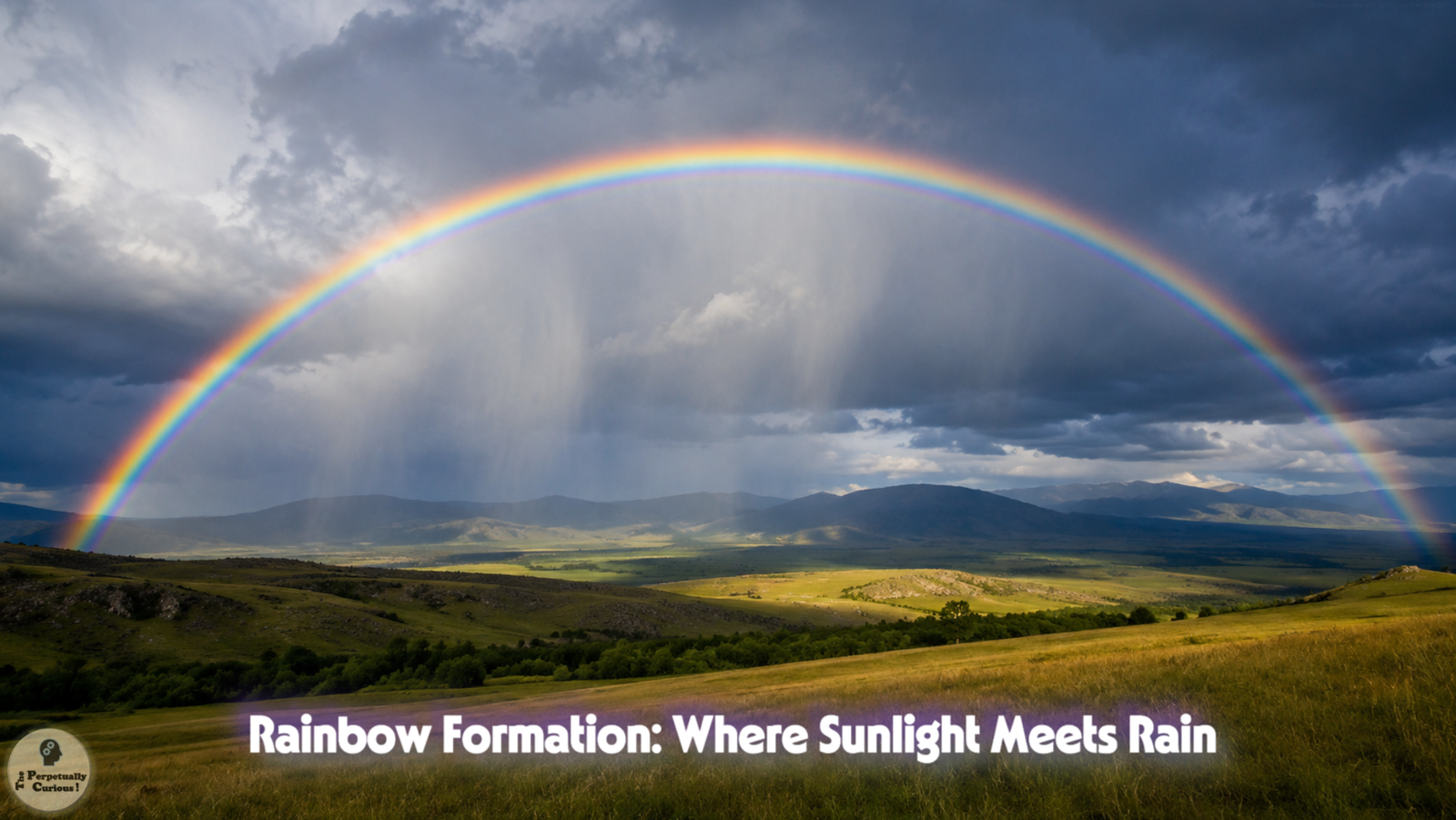
🌈 Rainbow Formation: Why Every Observer Sees a Different Arc
Move a few steps, and a new group of droplets begins sending the required light toward the eye.
- The Perpetually Curious! › Archives › Cosmic ExplorationArticle
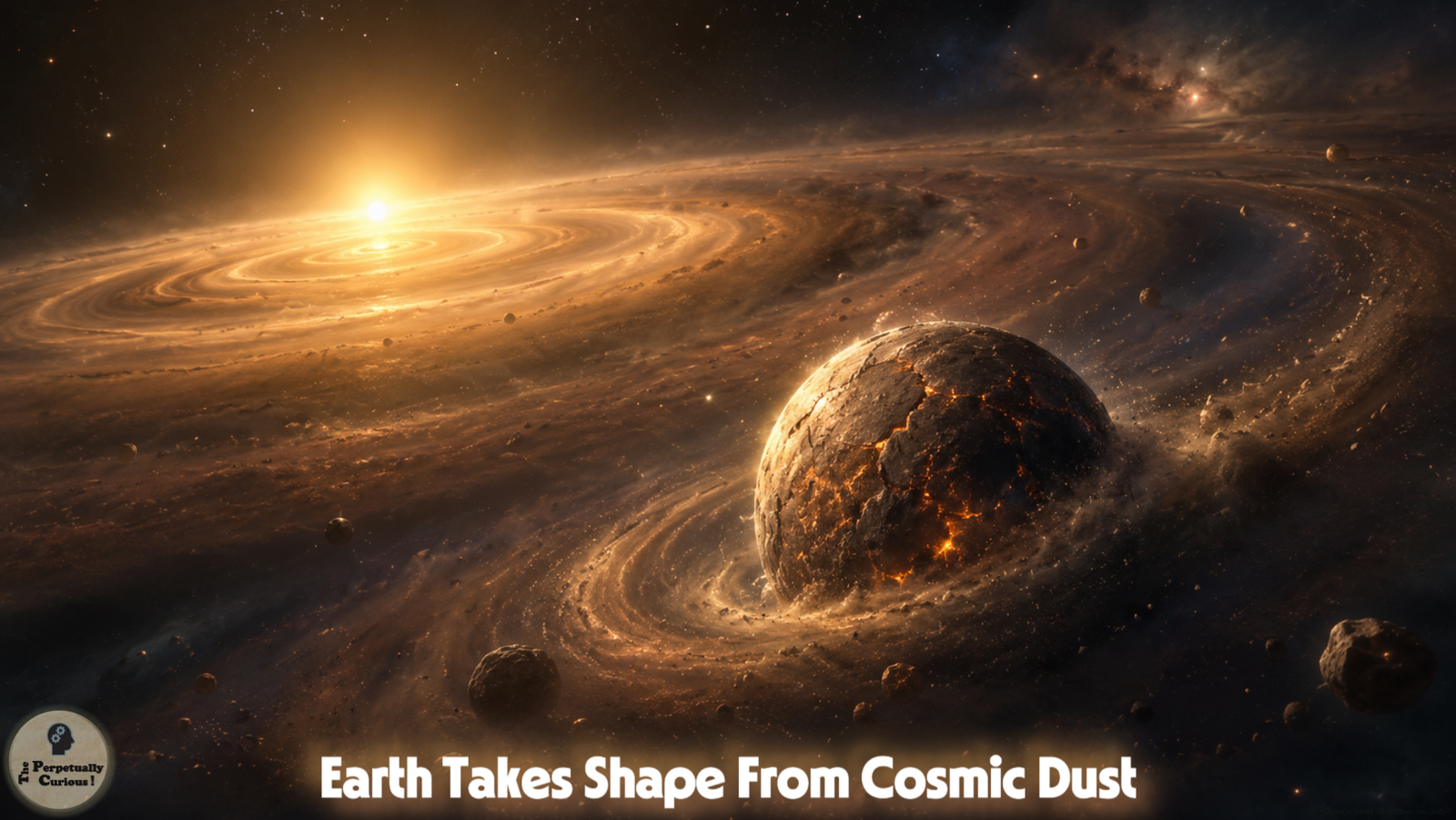
🌍 How Earth Formed: The Slow Assembly of a Young Rocky World
In the warmer inner part of that disk, where Earth would eventually orbit, solid rocky material could persist more readily than the light gases and ices that were abundant farther out.
- The Perpetually Curious! › Archives › Planet EarthArticle
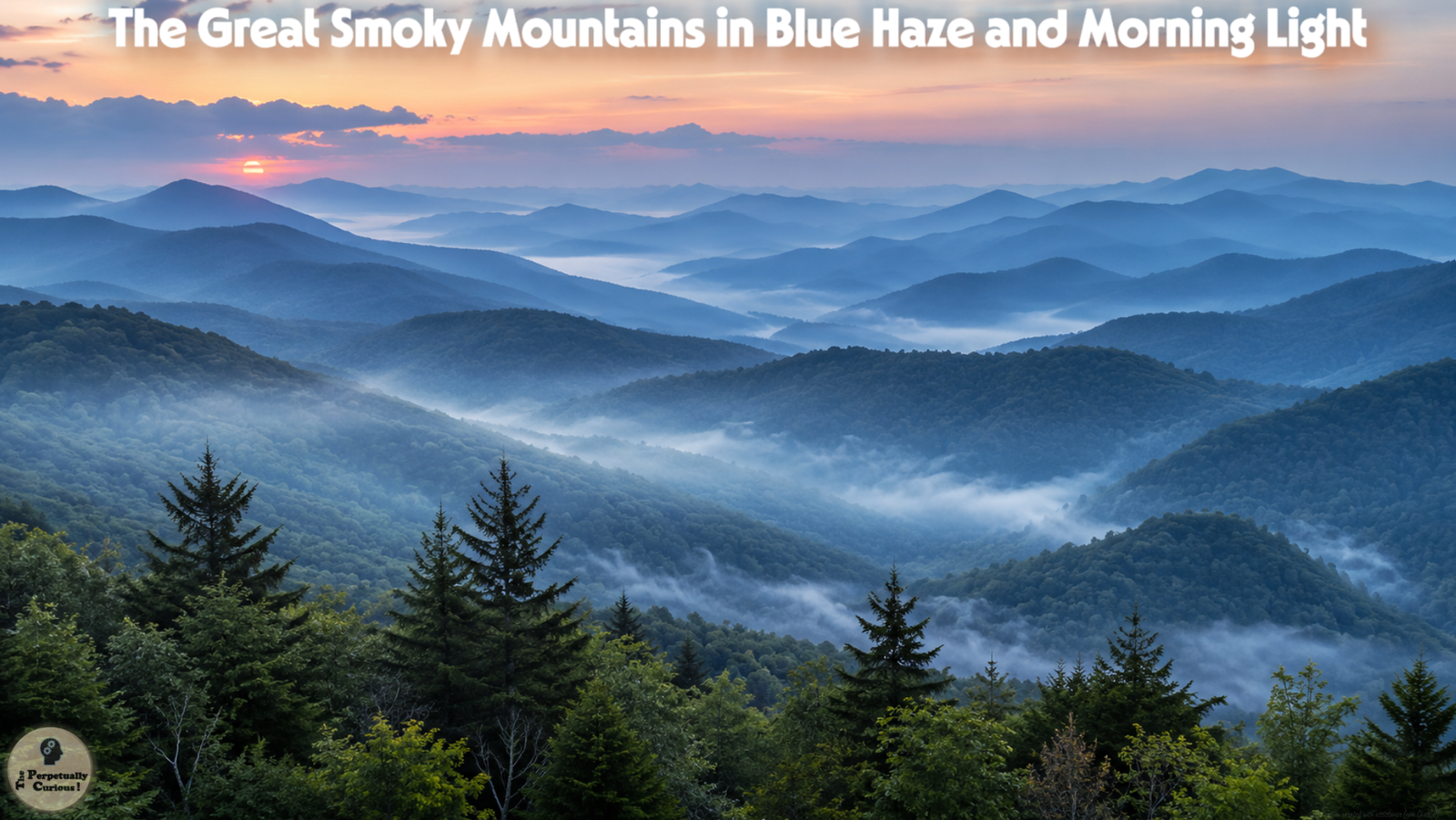
🌫️ Why the Great Smoky Mountains Fade into Blue Haze
From section: The forest helps make the hazeHumid air can allow fine particles to take up water and become more effective at scattering light.
- The Perpetually Curious! › Archives › Wilderness & Homestead CreaturesArticle
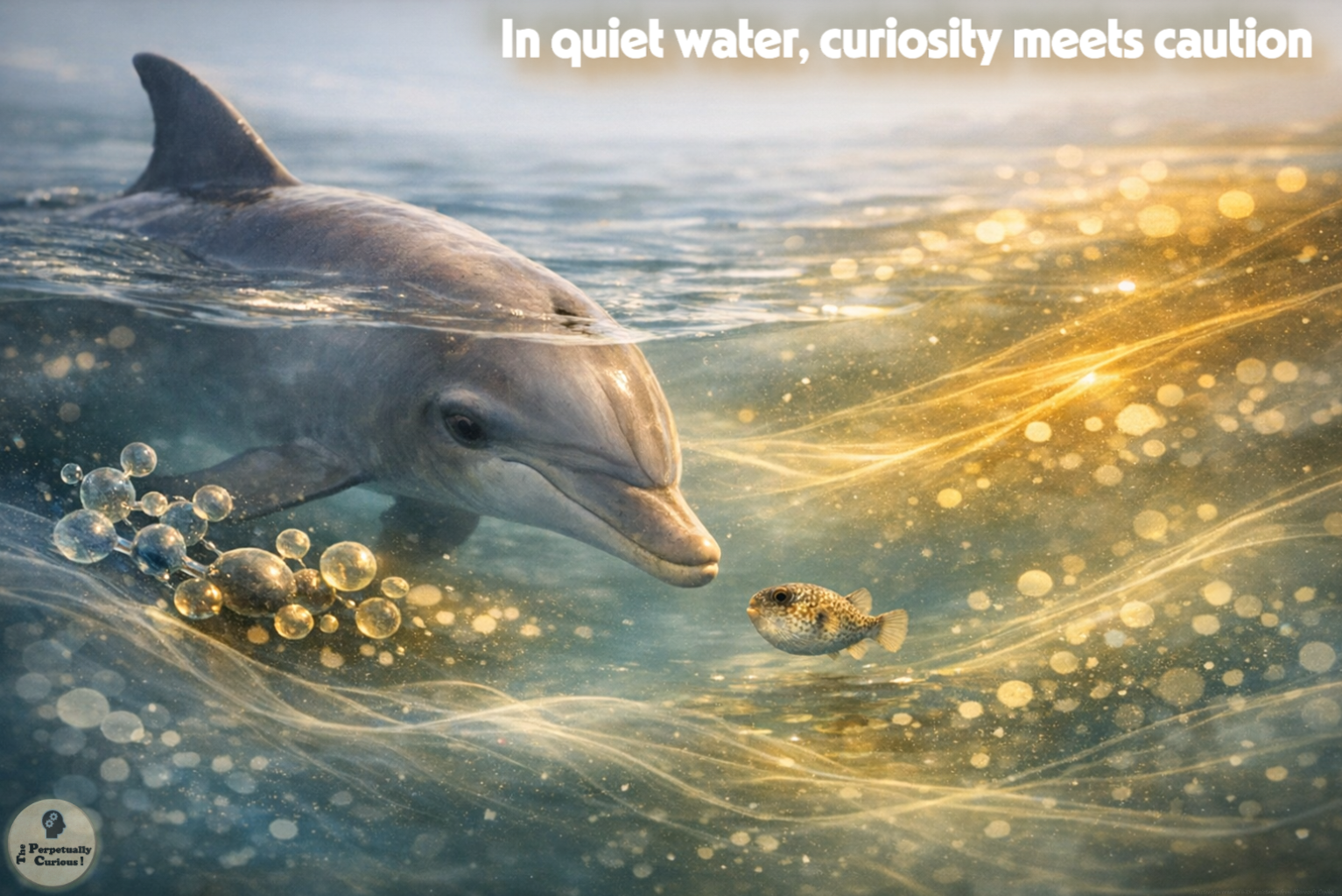
🧪 Animal Chemical Encounters: When Molecules Shape Behavior
To the animal, it may be part of a sensory world where chemistry is as immediate as light or touch.
- The Perpetually Curious! › Archives › Cosmic ExplorationArticle
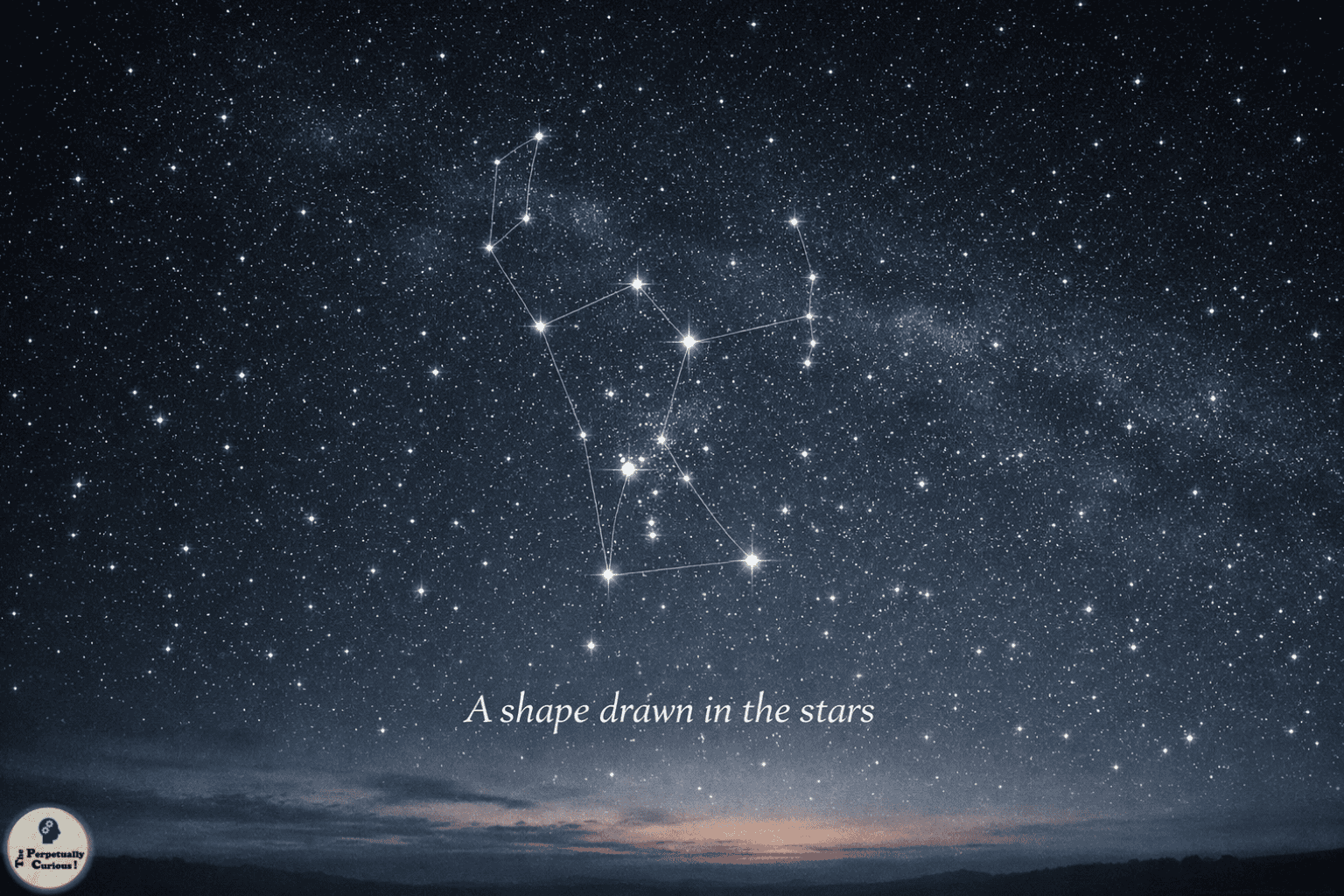
🌌 Constellations: How Star Patterns Help Us Find Our Way
From section: When scattered stars become a mapIn the same way, constellations turn a field of scattered light into a remembered frame.
- The Perpetually Curious! › Archives › Biology & HealthArticle
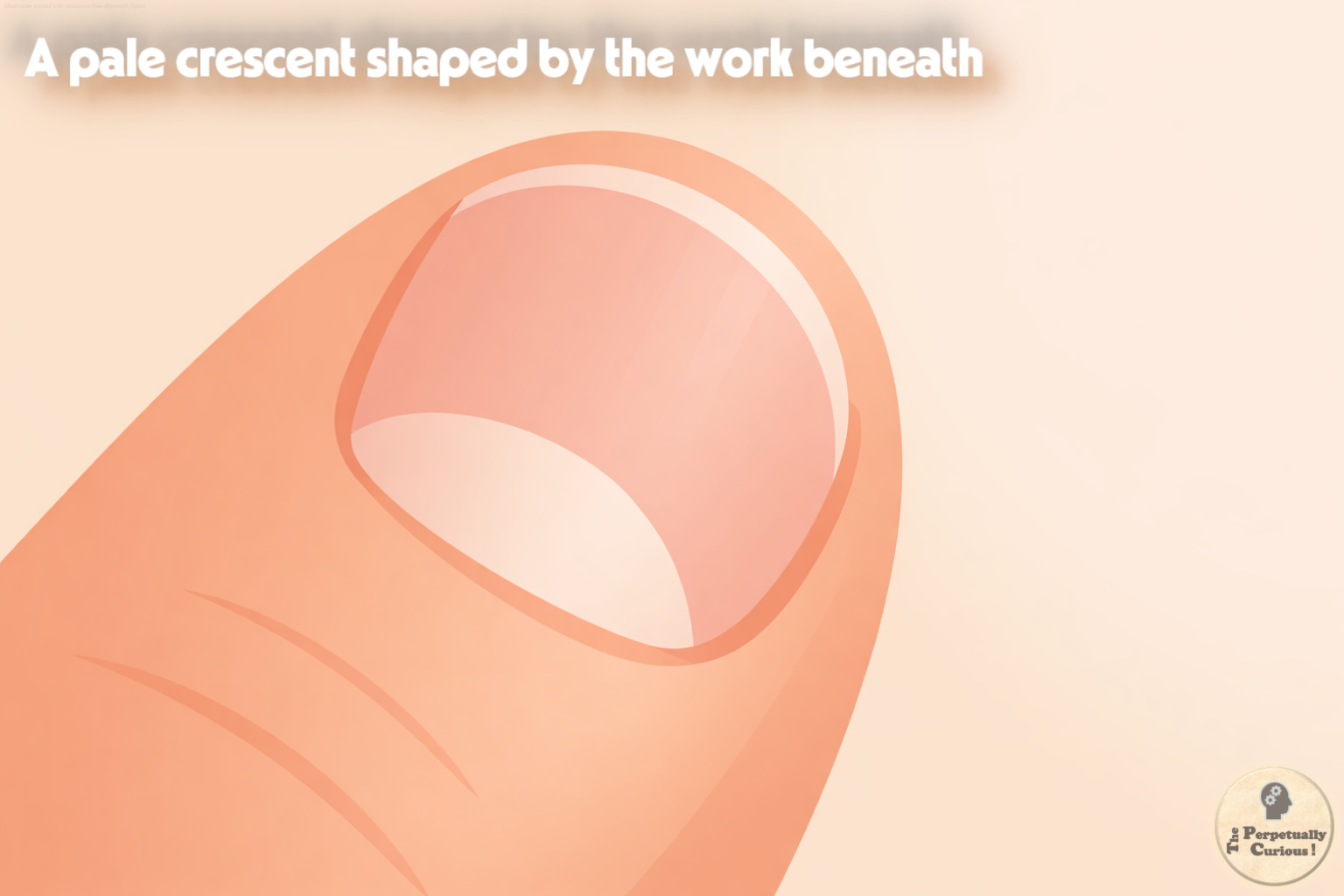
🌙 White Half Moon on Nails: The Quiet Growth Zone Beneath
From section: A clue, not a diagnosisIt is a small visible edge of an active growth system, shaped by cells, keratin, tissue thickness, and light.