Explore by topic, question, or idea. Find articles, reflections, videos, puzzles, and curiosity pathways gathered across the site.
Press Enter or select Search. A newly typed query starts globally; filters are applied only through the visible rail.
26 results for “biology landscape”
- The Perpetually Curious! › Canonical › Biology & HealthArticle
🌌 What Causes Déjà Vu: The Science Behind Familiar Moments
From section: 🌄 What déjà vu reveals about memory, reality, and the selfA gentle metaphor may help. The mind can be imagined as a landscape where paths from the past and present occasionally run close enough to cast shadows on one another. Déjà vu may be one of those shadows, a quiet echo of the brain’s intricate work.
- The Perpetually Curious! › Canonical › Biology & HealthArticle
😮💨 When A Breath Becomes a Yawn: Why We Yawn and What This Quiet Reflex May Reveal
From section: 🐾 Yawning across species: a shared gesture in the animal worldBy viewing yawning across species, we gain a sense of its evolutionary breadth. After exploring this wider landscape, it becomes natural to return to everyday experience and ask what yawning may mean for us in ordinary life.
- The Perpetually Curious! › Archives › Biology & HealthArticle
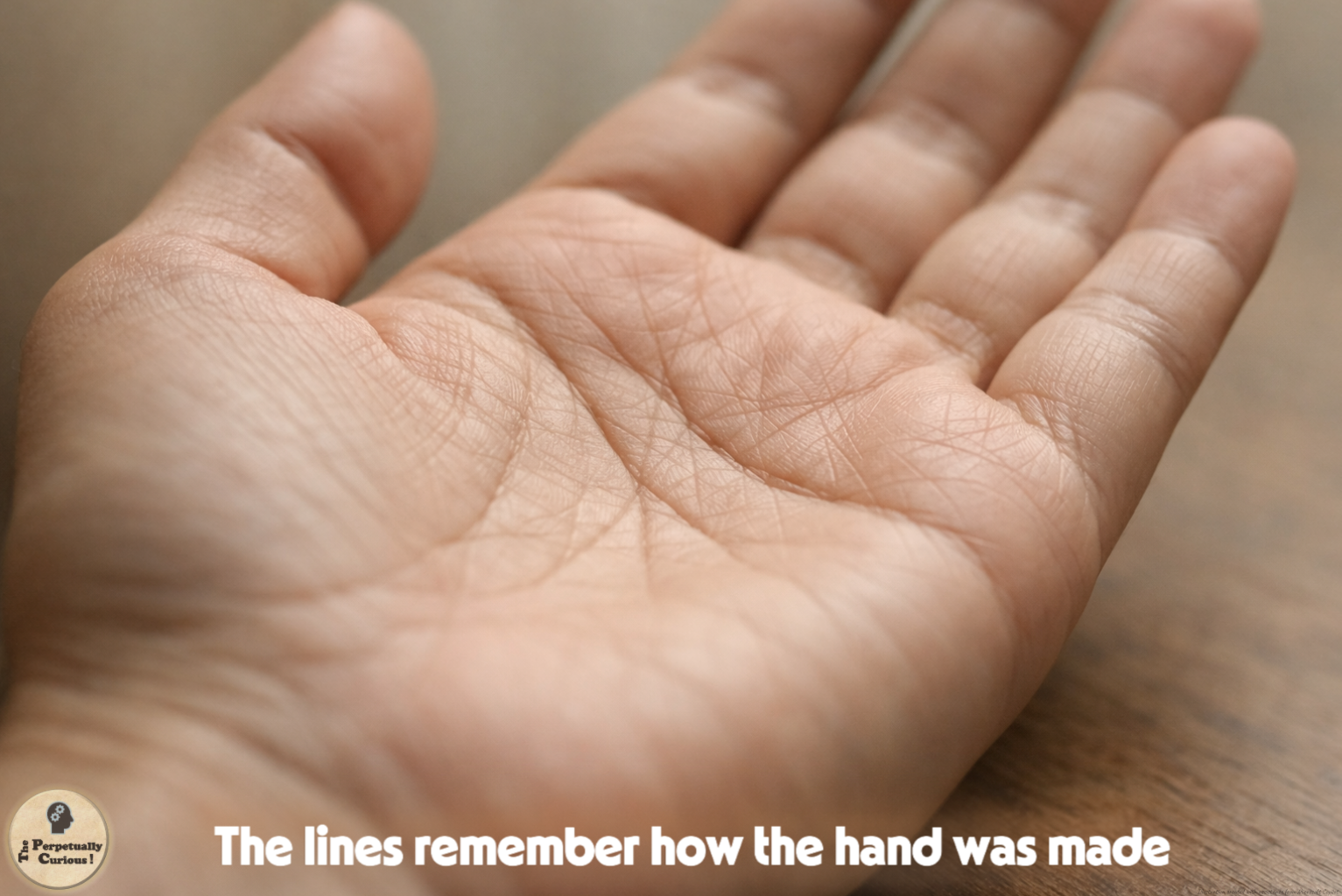
✋ Palm Lines Explained: The Quiet Folds That Help the Hand Move
From section: Where biology and meaning separateContinue the article on the main website
- The Perpetually Curious! › Archives › Biology & HealthArticle
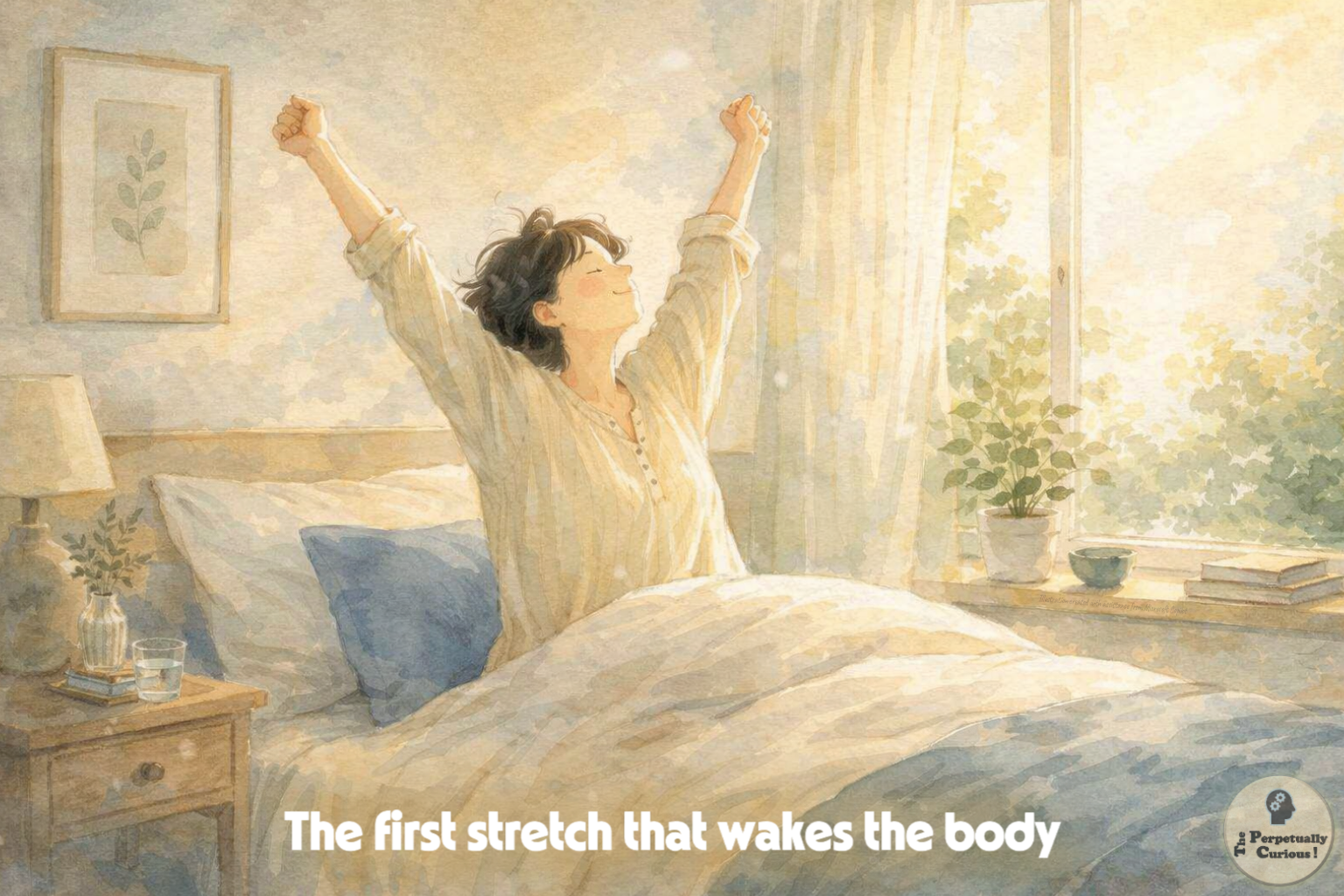
🌅 Pandiculation: How the Waking Stretch Restores Body Awareness
From section: A movement that sends information inwardThe larger main-site treatment carries the reflex into circadian timing, early development, animal behavior, and cultural language; those surrounding layers reveal how widely this small gesture is woven through biology and experience.
- The Perpetually Curious! › Canonical › Biology & HealthArticle
🌙 Little Moons at the Base of Our Nails: The Quiet Science of the Lunula
At the base of many fingernails lies a pale crescent, a small moon resting just beneath the cuticle. It is most visible on the thumbs, faint on the smaller fingers, and often hidden entirely on the toes. This quiet shape has invited curiosity for centuries.
- The Perpetually Curious! › Canonical › Biology & HealthArticle
🌫️ Why We Get Hiccups: The Reflex Beneath Every Small “Hic”
There is a moment when breath falters, the chest lifts, and a small sound escapes that no one intends. The humble hiccup arrives without warning, interrupts a sentence or a quiet thought, and then fades as gently as it appeared.
- The Perpetually Curious! › Canonical › Biology & HealthArticle
🌡️ When the Skin Remembers the Cold: Why We Get Goosebumps
There are moments when the body seems to answer before the mind has found its words. A sudden chill moves through the air, a musical phrase rises toward its quiet summit, or a story reaches a point that feels suspended in time. In these moments, the skin responds with a familiar texture.
- The Perpetually Curious! › Archives › Biology & HealthArticle
The Symphony of Time: Understanding Our Body's Multiple Biological Clocks 🕰️
Temporal Embodiment: We Are Made of Time ⏳ Human existence unfolds through rhythms that most of us never consciously perceive. From the rapid pulsing of neural oscillations to various endocrine rhythms including menstrual cycles, our bodies maintain an intricate temporal…
- The Perpetually Curious! › Archives › Biology & HealthArticle
When the Echo Remains: Understanding Post-Viral Reflux in Children and Adults 🌙
The clock reads 3:17 AM when the coughing starts again. Not the sharp bark of a cold, but that wet, choking sound every parent learns to recognize with dread. Your child sits up, eyes wide with panic, as stomach acid burns its way up their throat.
- The Perpetually Curious! › Archives › Biology & HealthArticle
The Second Brain Speaks First: When Parkinson's Disease Begins in Your Belly 🧠
Opening: The Conversation You Never Knew You Were Having 💭 Deep within your belly lies a second brain: the enteric nervous system, an actual network of 200 to 600 million neurons woven through your gut walls. These neurons control digestion independently, without needing any…