Explore by topic, question, or idea. Find articles, reflections, videos, puzzles, and curiosity pathways gathered across the site.
Press Enter or select Search. A newly typed query starts globally; filters are applied only through the visible rail.
11 results for “brachistochrone science”
- The Perpetually Curious! › Archives › Planet EarthArticle
When Nature's Fury Spirals: Understanding the Science Behind Nor'easters 🌊
Few weather phenomena capture the raw power of nature quite like a nor'easter bearing down on the Eastern Seaboard. These massive storm systems, born from the collision of opposing air masses over the Atlantic, represent some of the most complex and fascinating atmospheric dynamics on Earth.
- The Perpetually Curious! › Archives › Planet EarthArticle
The Science of Snow Whiteness: A Journey Through Light and Ice ❄️
Introduction ❄️ Fresh snow transforms familiar landscapes into brilliant white canvases, whether from gentle flurries or powerful nor'easters, yet individual ice crystals begin as clear structures.
- The Perpetually Curious! › Archives › Planet EarthArticle
🌊 Harbor Wave, Ocean Pulse: The Science of Tsunamis from Seafloor to Shore
Some ocean hazards announce themselves with wind, foam, and a rising sky. A tsunami often does not. Far from shore, it may pass as a long, subtle lift, more like a slow breath than a breaking wave. Even the word “wave” can mislead, because a tsunami is not simply the surface…
- The Perpetually Curious! › Archives › Planet EarthArticle
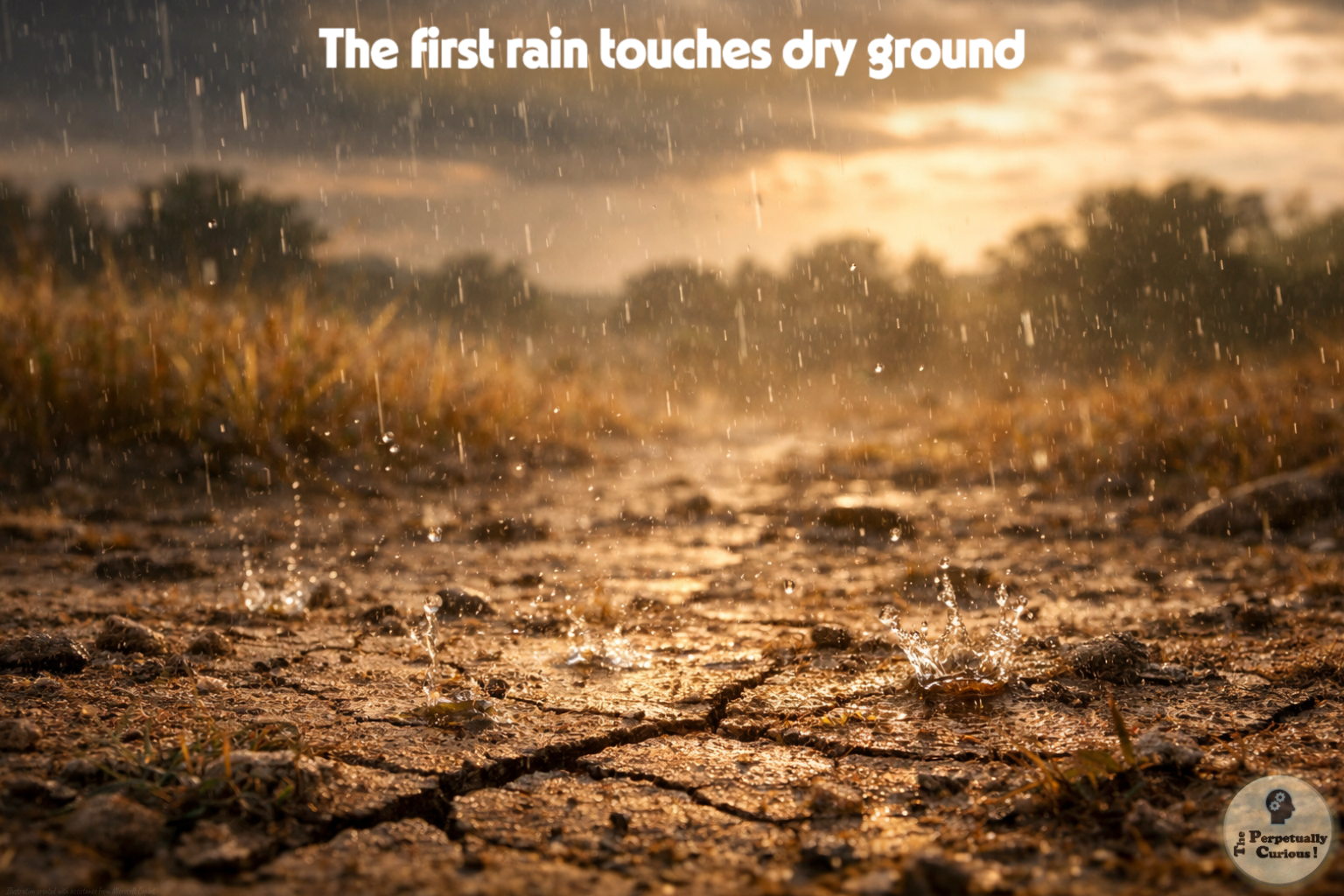
🌧️ Petrichor: How First Rain Lifts Earth’s Hidden Scent
The smell of rain often arrives before we think about its science. A dry path darkens, a garden bed drinks in the first drops, and a scent rises that seems older than the moment itself. It can feel as if rain has a fragrance of its own, but the water is only part of the story.
- The Perpetually Curious! › Canonical › Planet EarthArticle
🌧️ When Earth Begins to Breathe: Why Rain Smells the Way It Does
From section: 🌦️ Sharing the scent of storiesIf this exploration of the smell of rain has resonated with you, you are welcome to share it with others who may appreciate the quiet science woven into everyday experiences. …
- The Perpetually Curious! › Canonical › Planet EarthArticle
🌍🌑 Where Two Soils Part Ways: Earth, Moon, and the Stories Written in Dust
From section: 🚀 Looking Ahead: Scientific Futures Written in Soil and DustAs space agencies and research institutions advance plans for sustained lunar presence and surface science, lunar regolith has become a focus of scientific study. …
- The Perpetually Curious! › Canonical › Planet EarthArticle
🌫️ Mist Over Ancient Ridges: The Great Smoky Mountains as a Living, Breathing World
From section: 🌍 A protected landscape: conservation, recognition, and ongoing challengesIn this sense, the Smokies are both a protected landscape and an evolving one. Conservation is a continuing conversation shaped by science, history, and the lived experiences of the people who care about these mountains. …
- The Perpetually Curious! › Archives › Planet EarthArticle
❄️ Antarctica: Southernmost Continent’s Frozen Symphony of Silence and Light
From section: ❓ FAQ… What appears as snow is often just old snow being blown around by katabatic winds that in rare extremes have been recorded near 200 mph (320 km/h). To understand why this ancient snow appears brilliantly white, see our related article: ✍️ The Science of Snow Whiteness: A Journey Through Light and Ice ❄️
- The Perpetually Curious! › Archives › Planet EarthArticle
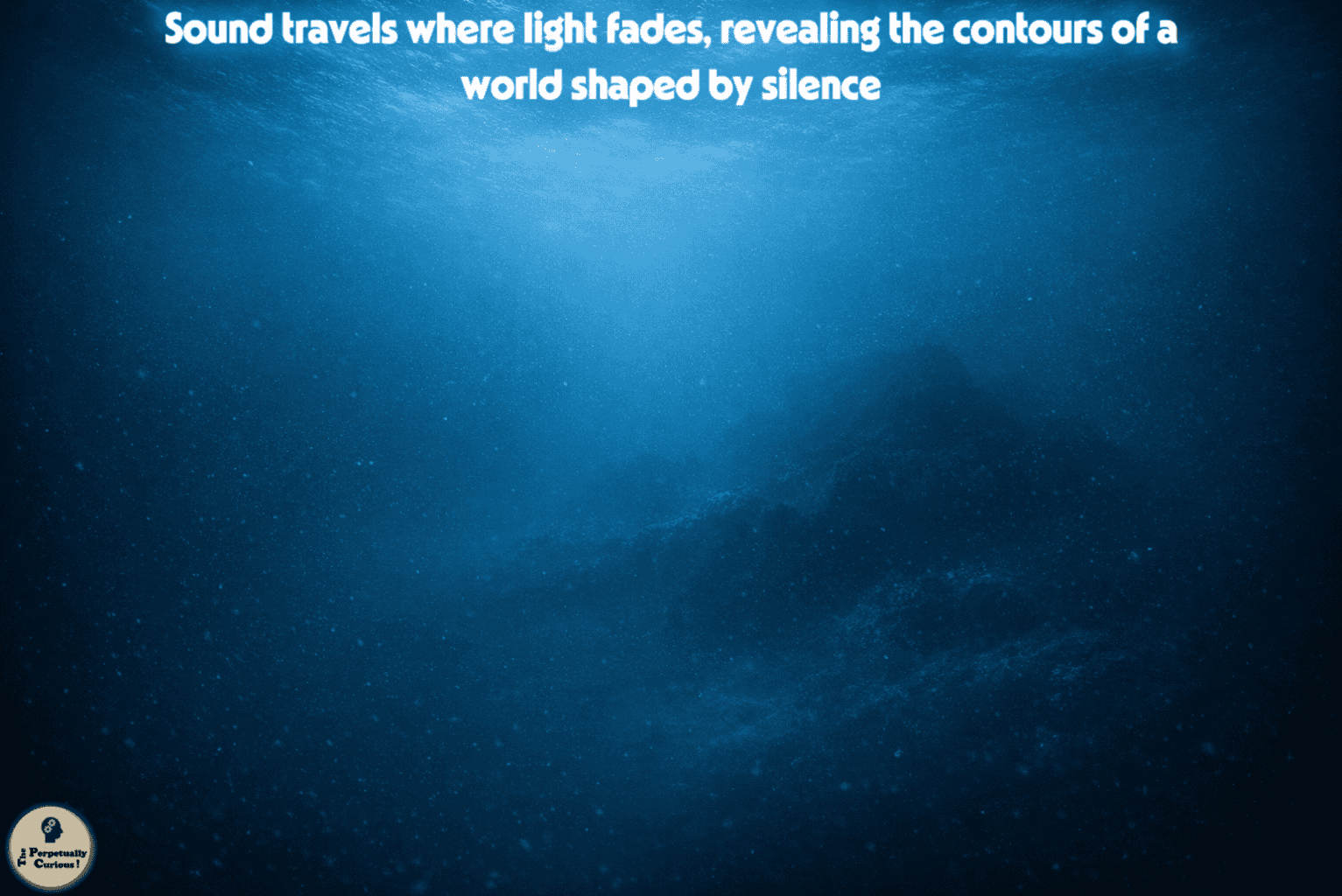
🌊 Underwater Sound: How Echoes Measure Distance
From section: Why sound carries the first clueThose variations matter deeply in the full science of underwater acoustics, but the entry point is direct: if the speed of sound is known closely enough, the travel time of an echo can be used as a measuring tool.
- The Perpetually Curious! › Archives › Planet EarthArticle
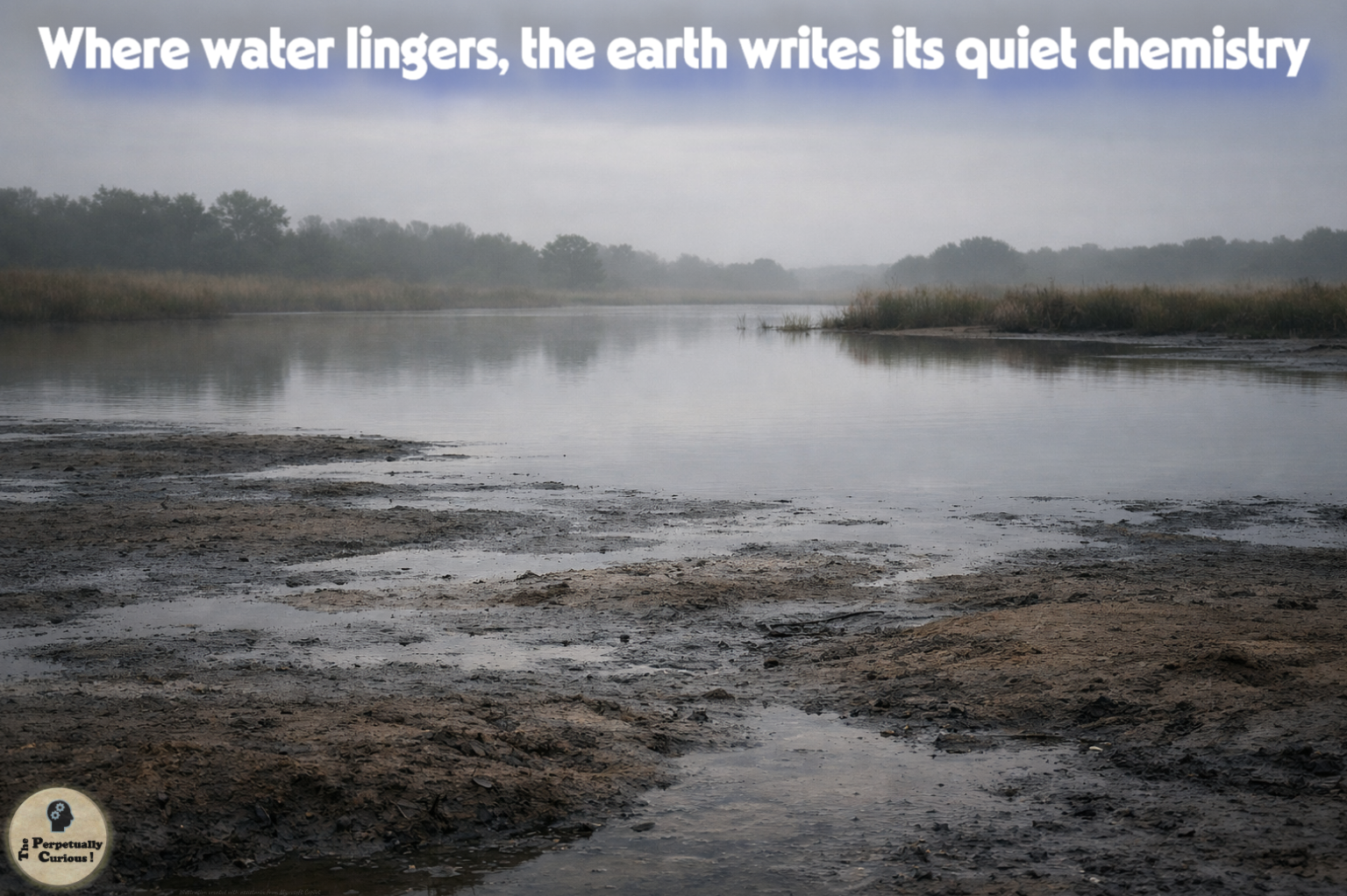
🌍 Why Mud Is Brown or Black: What Wet Soil Reveals
From section: Why the darker ground is not just darkerThe complete version on the main site follows the broader chain through deeper mechanisms, supporting visuals, Did You Know notes, FAQ, and related Earth science links. …