Explore by topic, question, or idea. Find articles, reflections, videos, puzzles, and curiosity pathways gathered across the site.
Press Enter or select Search. A newly typed query starts globally; filters are applied only through the visible rail.
12 results for “down light”
- The Perpetually Curious! › Archives › Planet EarthArticle
The Science of Snow Whiteness: A Journey Through Light and Ice ❄️
From section: Introduction ❄️This transformation from the clarity of simple ice to the collective whiteness of snowfall reveals fundamental principles about how light interacts with matter.
- The Perpetually Curious! › Archives › Planet EarthArticle
❄️ Antarctica: Southernmost Continent’s Frozen Symphony of Silence and Light
From section: Where Silence Breathes and Light Dances: Antarctica's Living SymphonyAt the edge of our planet lies Antarctica, Earth's southernmost frontier, sculpted by ice, silence, and light; desolate yet breathtaking, mysterious yet alive.
- The Perpetually Curious! › Archives › Planet EarthArticle
When Nature's Fury Spirals: Understanding the Science Behind Nor'easters 🌊
Few weather phenomena capture the raw power of nature quite like a nor'easter bearing down on the Eastern Seaboard. These massive storm systems, born from the collision of opposing air masses over the Atlantic, represent some of the most complex and fascinating atmospheric dynamics on Earth.
- The Perpetually Curious! › Archives › Planet EarthArticle
Where Earth's Temperate Logic Ends: Understanding the Arctic Circle 🌐
The Arctic Circle marks more than a line on our maps. At approximately 66.5 degrees north latitude (about 66°30′ N), this invisible boundary transforms how our planet receives light, how ecosystems function, and how humans experience the passage of time itself.
- The Perpetually Curious! › Archives › Planet EarthArticle
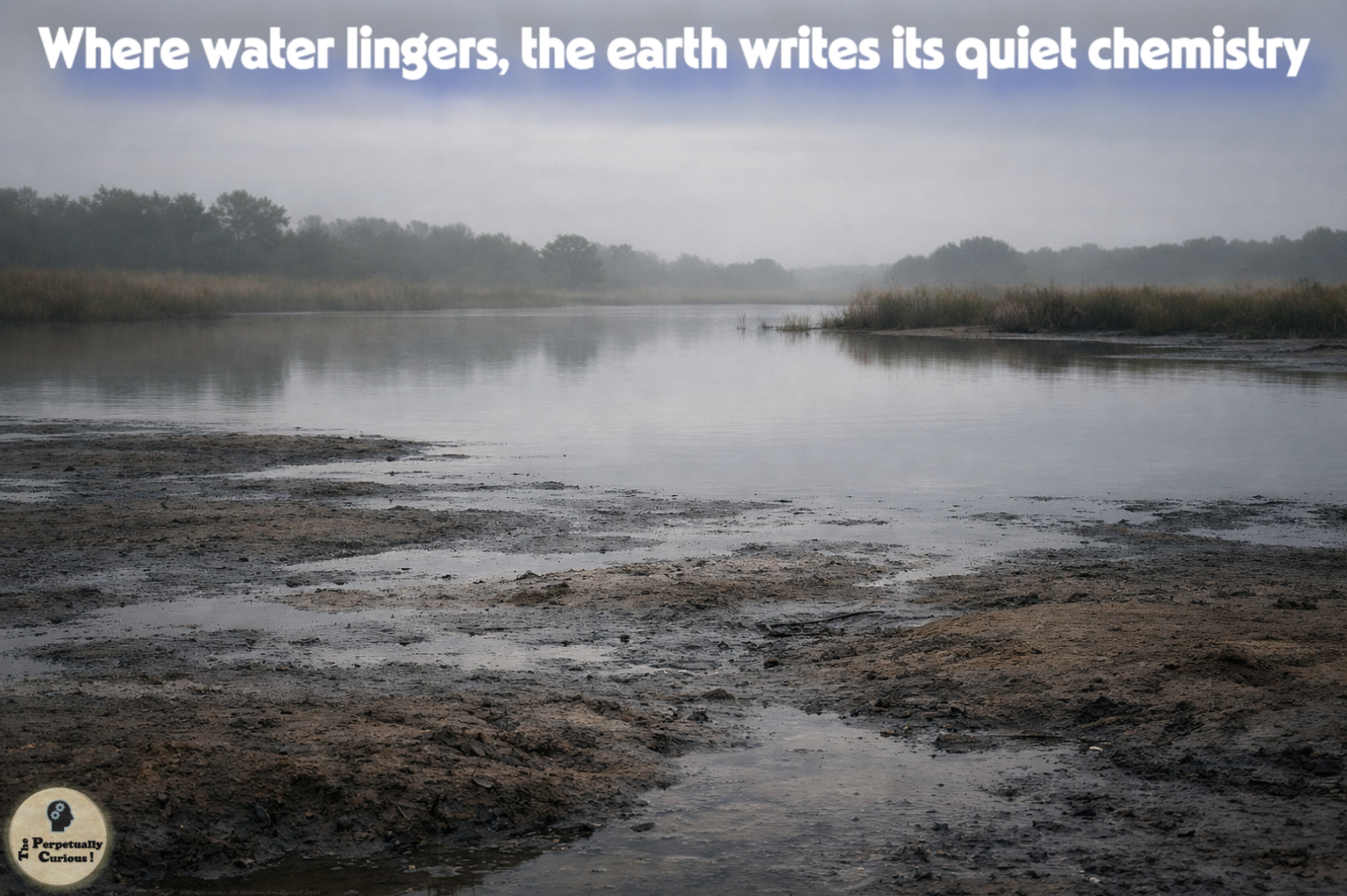
🌍 Why Mud Is Brown or Black: What Wet Soil Reveals
Organic matter also darkens the mixture as leaves, roots, algae, and microscopic life break down into darker carbon-rich material.
- The Perpetually Curious! › Archives › Planet EarthArticle
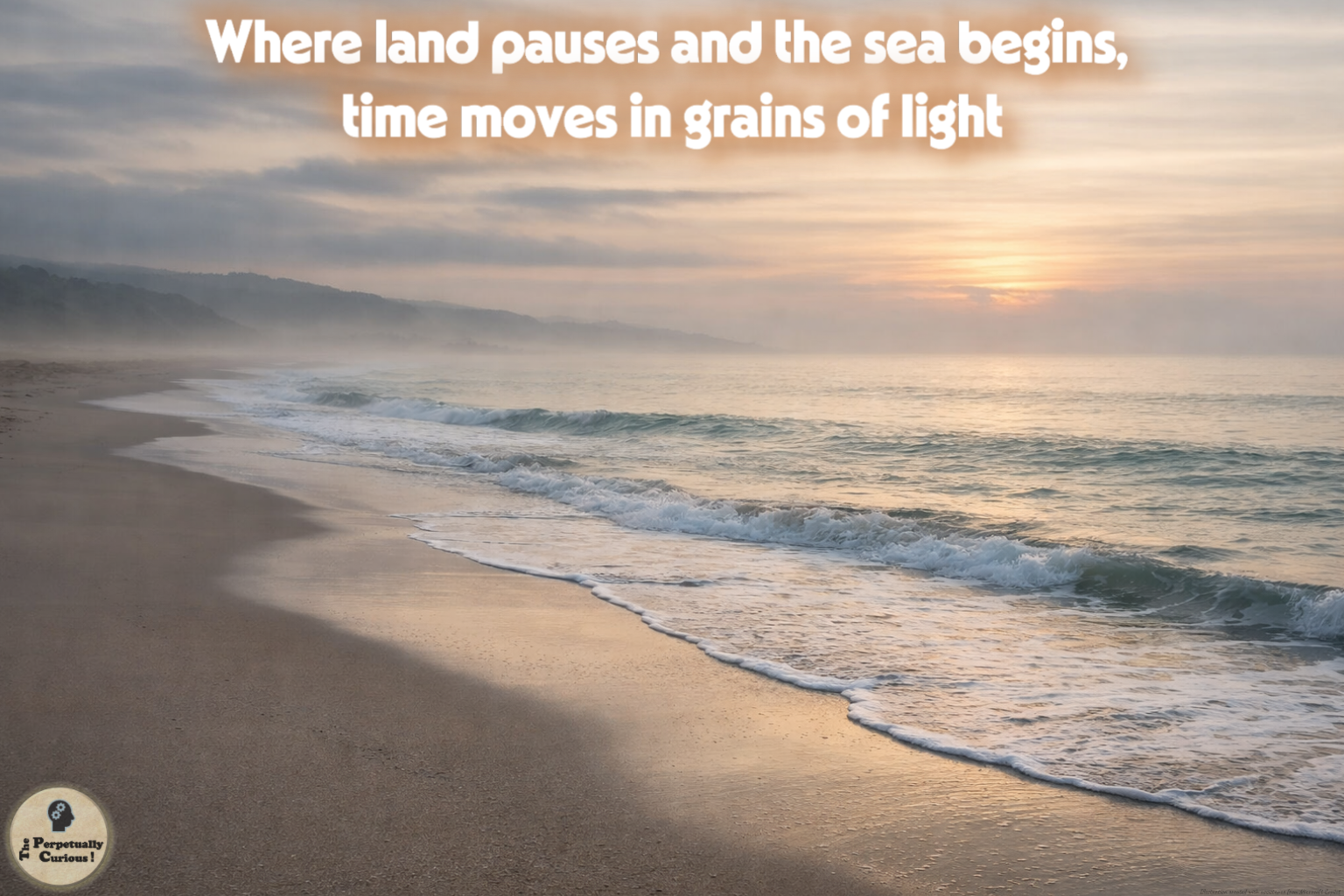
🌊 Why Beaches Have Sand
From section: How sand reaches and stays on the shoreSand grains are heavy enough to settle quickly but light enough to be lifted and moved by waves.
- The Perpetually Curious! › Archives › Planet EarthArticle
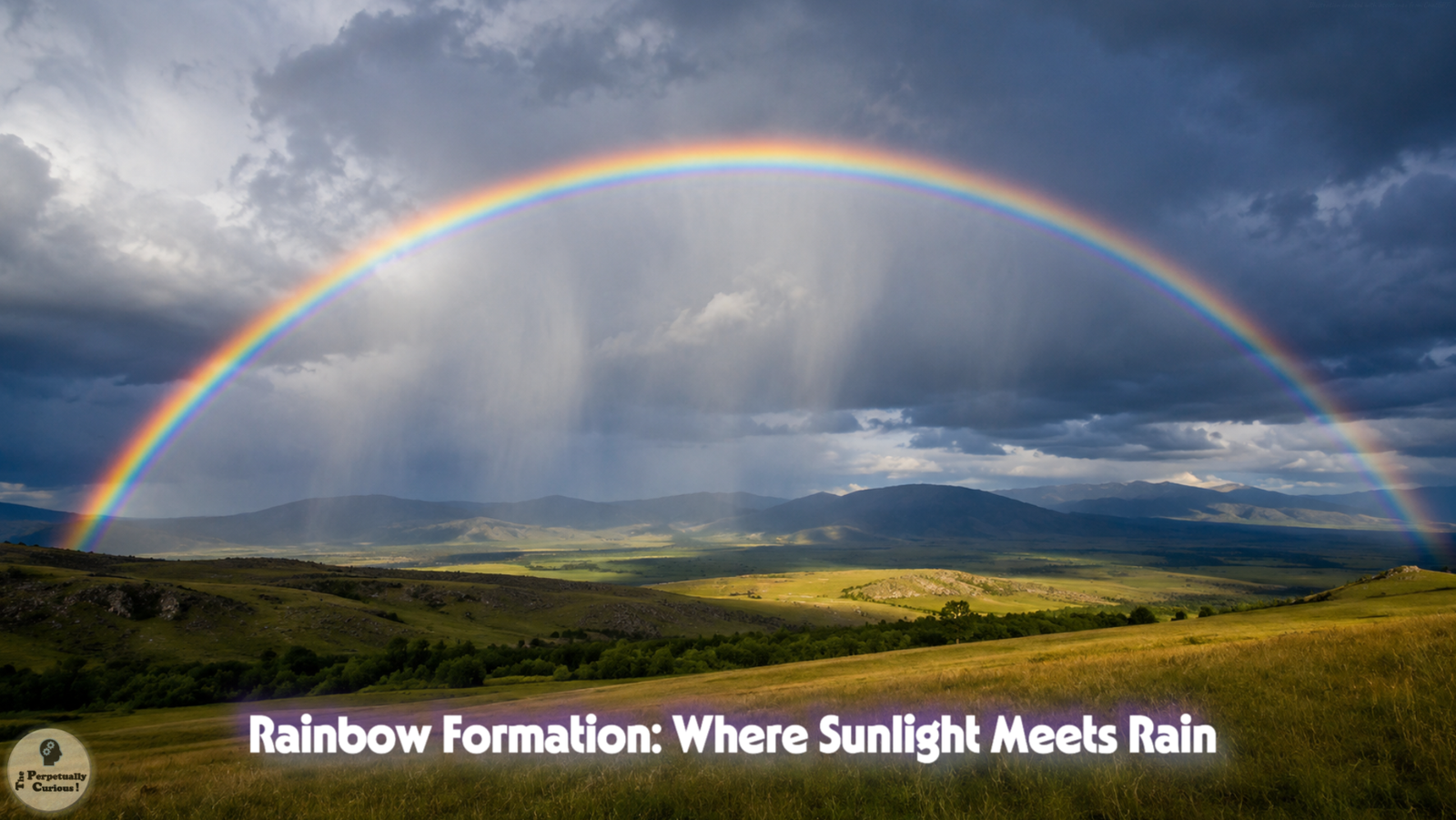
🌈 Rainbow Formation: Why Every Observer Sees a Different Arc
Move a few steps, and a new group of droplets begins sending the required light toward the eye.
- The Perpetually Curious! › Archives › Planet EarthArticle
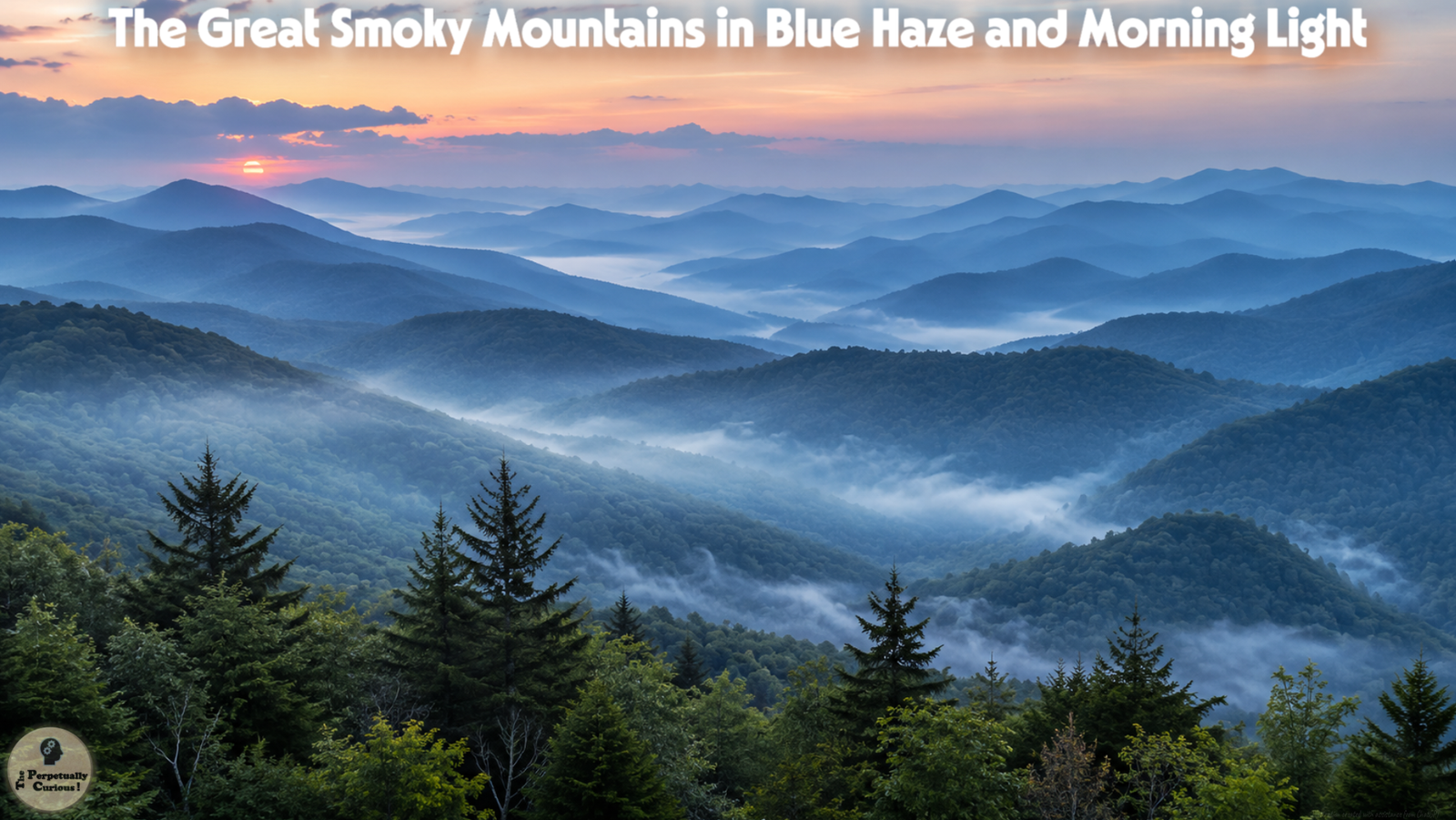
🌫️ Why the Great Smoky Mountains Fade into Blue Haze
From section: The forest helps make the hazeHumid air can allow fine particles to take up water and become more effective at scattering light.
- The Perpetually Curious! › Archives › Planet EarthArticle
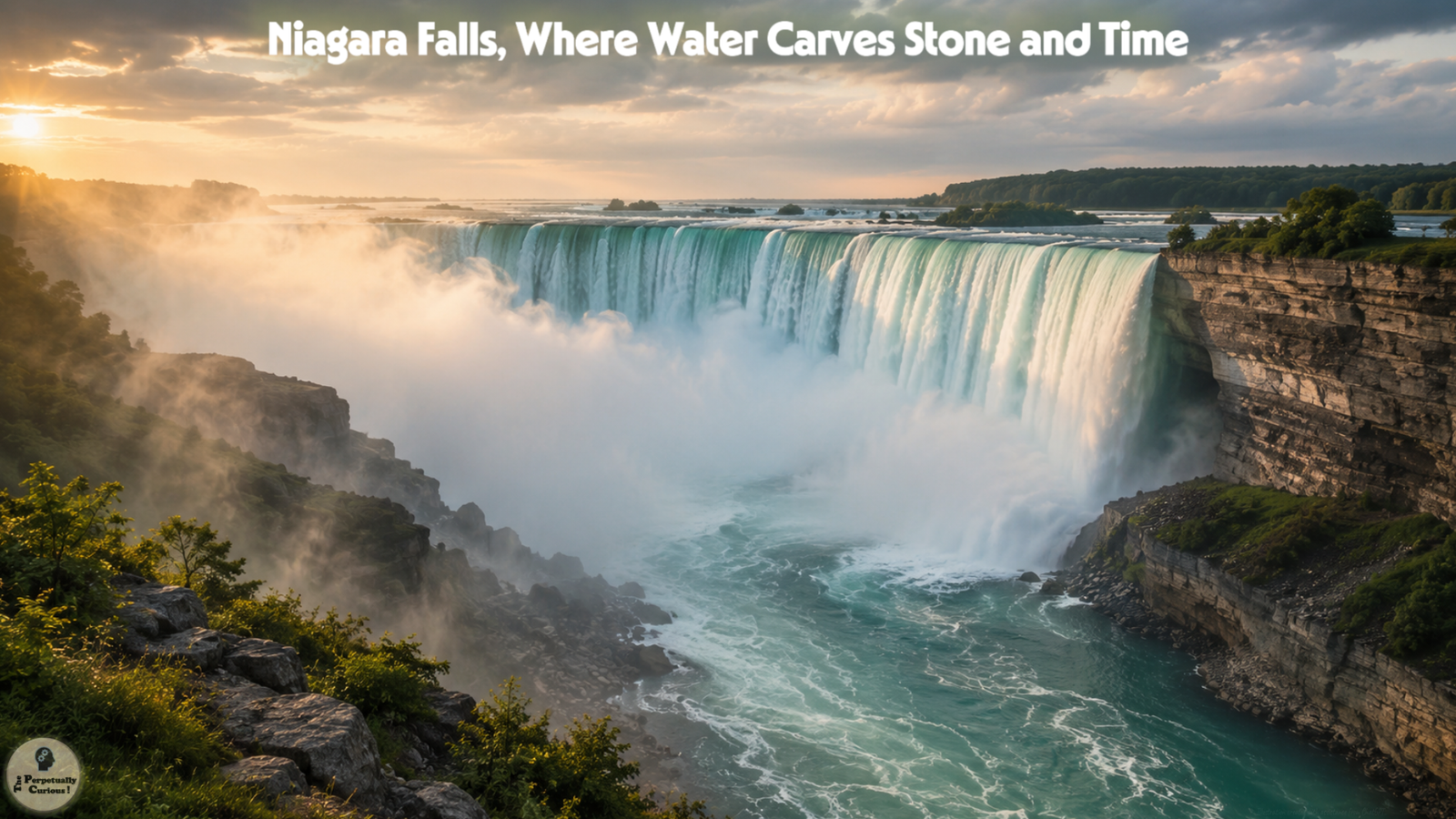
🌊 Niagara Falls Facts: How Water Turns Stone Into Time
From section: Mist as a sign of forceMoisture clings to gorge walls, gathers around vegetation, and changes how light reaches the scene.
- The Perpetually Curious! › Archives › Planet EarthArticle
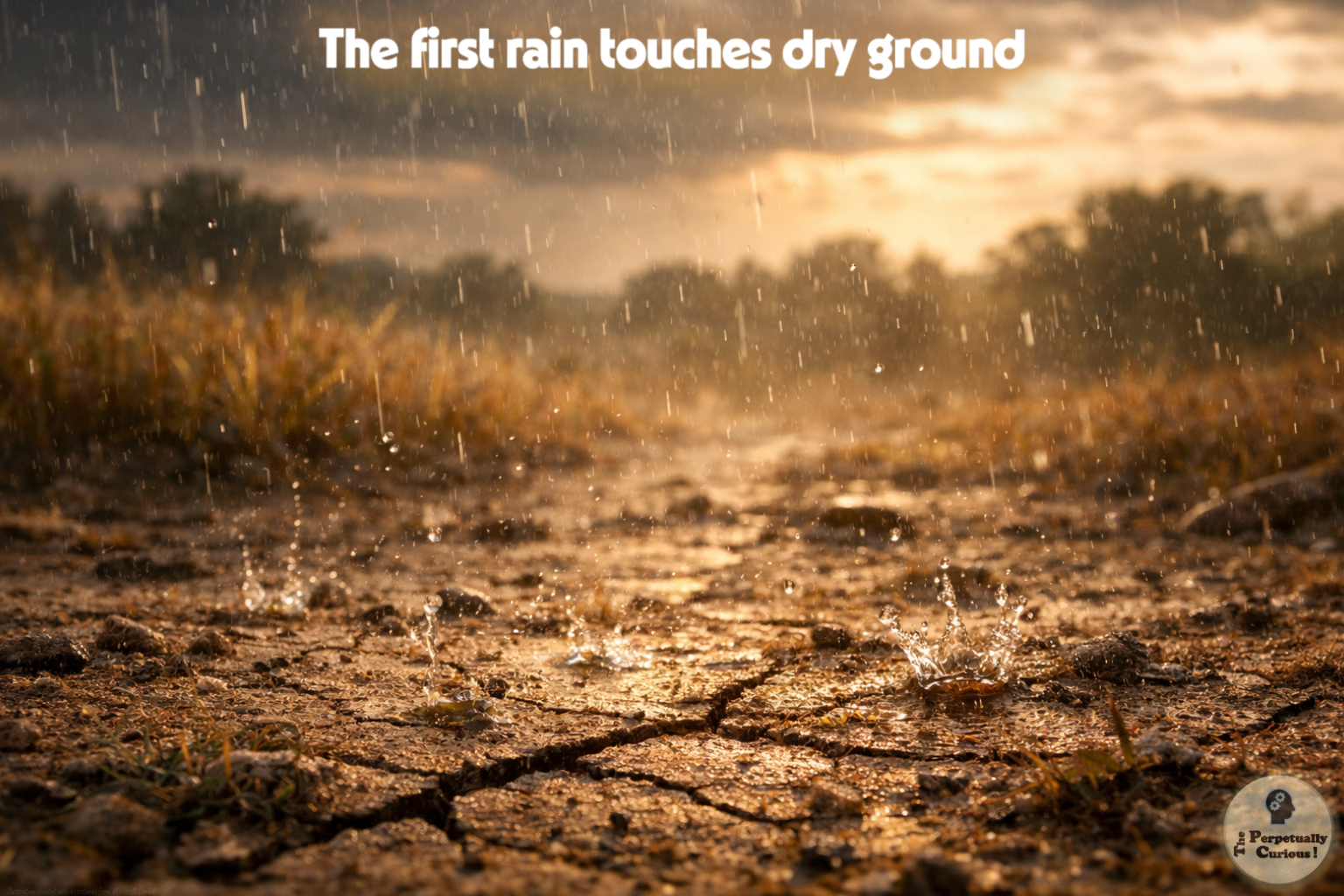
🌧️ Petrichor: How First Rain Lifts Earth’s Hidden Scent
From section: When raindrops become tiny scent liftersA long-awaited sprinkle can sometimes smell stronger than a heavy downpour because light to moderate rain may allow bubble formation and aerosol release more effectively than sheets of water that quickly saturate the ground.