Explore by topic, question, or idea. Find articles, reflections, videos, puzzles, and curiosity pathways gathered across the site.
Press Enter or select Search. A newly typed query starts globally; filters are applied only through the visible rail.
21 results for “each landscape”
- The Perpetually Curious! › Archives › Planet EarthArticle
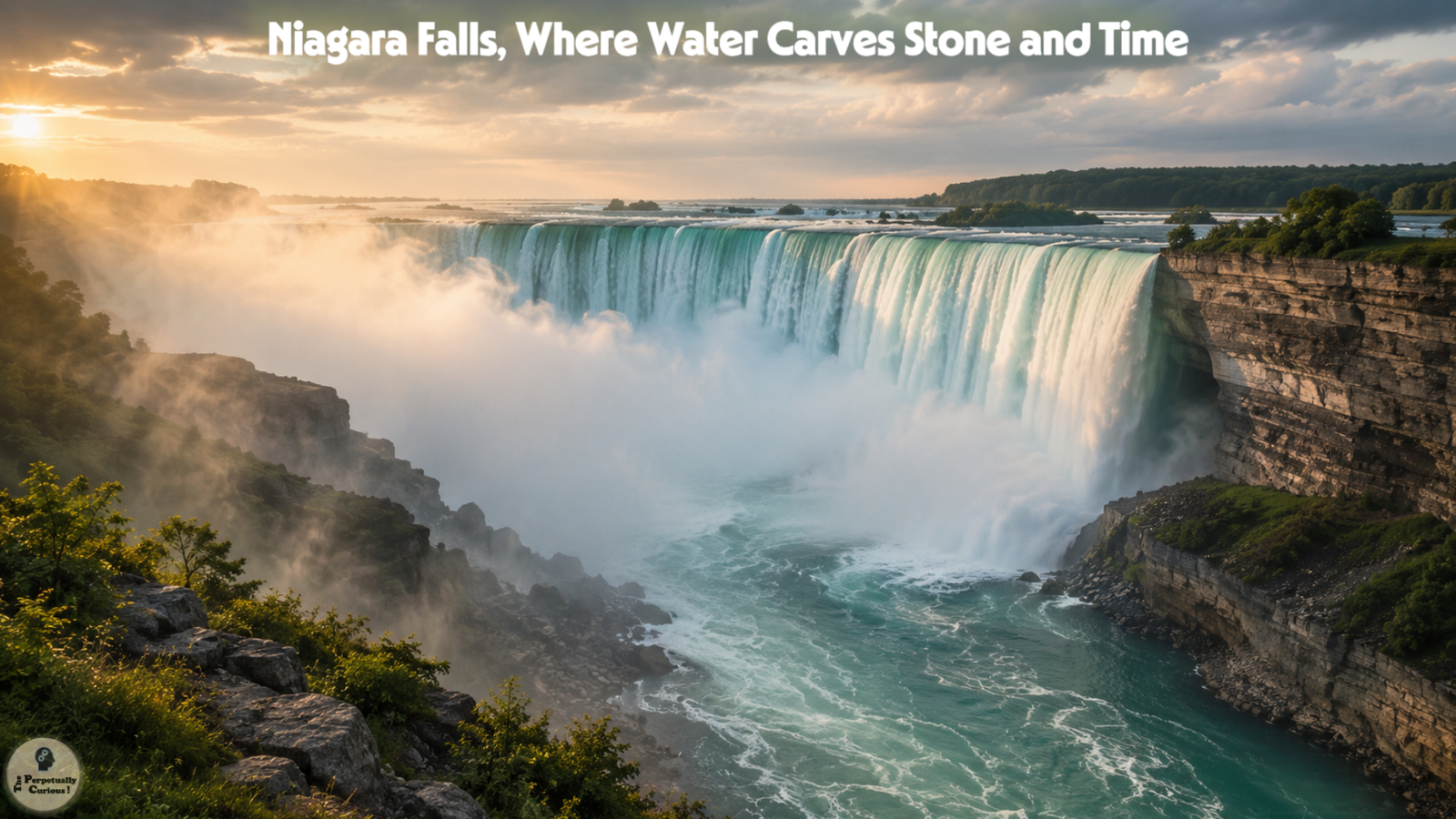
🌊 Niagara Falls Facts: How Water Turns Stone Into Time
From section: Why the falls keep movingEach exposed layer, overhang, talus pile, and bend in the channel carries evidence of the same patient exchange between water and stone.
- The Perpetually Curious! › Archives › Planet EarthArticle
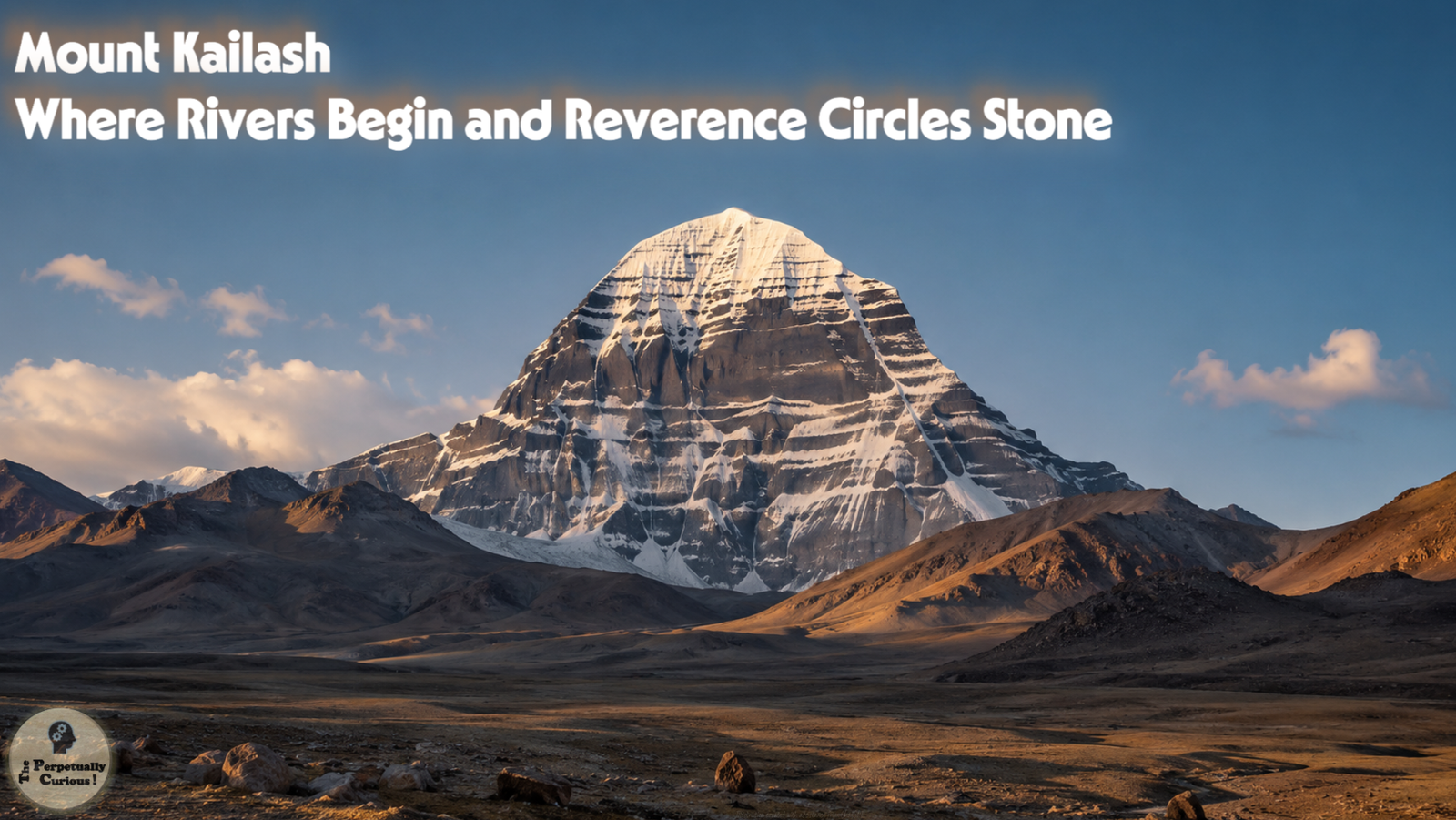
🏔️ Mount Kailash: Why a Sacred Summit Is Circled, Not Climbed
In a sparse plateau landscape, form and distance can turn geology into a landmark.
- The Perpetually Curious! › Canonical › Planet EarthArticle
🌍🌑 Where Two Soils Part Ways: Earth, Moon, and the Stories Written in Dust
From section: 🌋 From a Shared Beginning to Divergent WorldsThe Moon also cooled more quickly, forming a thick crust and limiting long‑term volcanic activity compared to Earth, with most lunar volcanism ceasing within the first few billion years of solar system history. These differences set the stage for the very different soils that formed on each surface.
- The Perpetually Curious! › Canonical › Planet EarthArticle
🌐 How SONAR Uses Sound to Map the Hidden Ocean Depths
From section: 🌌 SONAR as a way of sensing space… Instead, it listens for the way sound returns from surfaces and bodies, and from that pattern it infers shape and distance. The ocean becomes a resonant volume, where each echo is a small piece of information about a world that is mostly out of sight.
- The Perpetually Curious! › Canonical › Planet EarthArticle
🌍 Why Mud Is Brown or Black: Where Earth Turns to Quiet Ink
From section: 🧱 Minerals, organic matter, and the palette of mudMud is usually made of three main components: mineral particles, organic matter, and water. Each contributes to color in a different way, and together they create the familiar spectrum from light brown to nearly black.
- The Perpetually Curious! › Archives › Planet EarthArticle
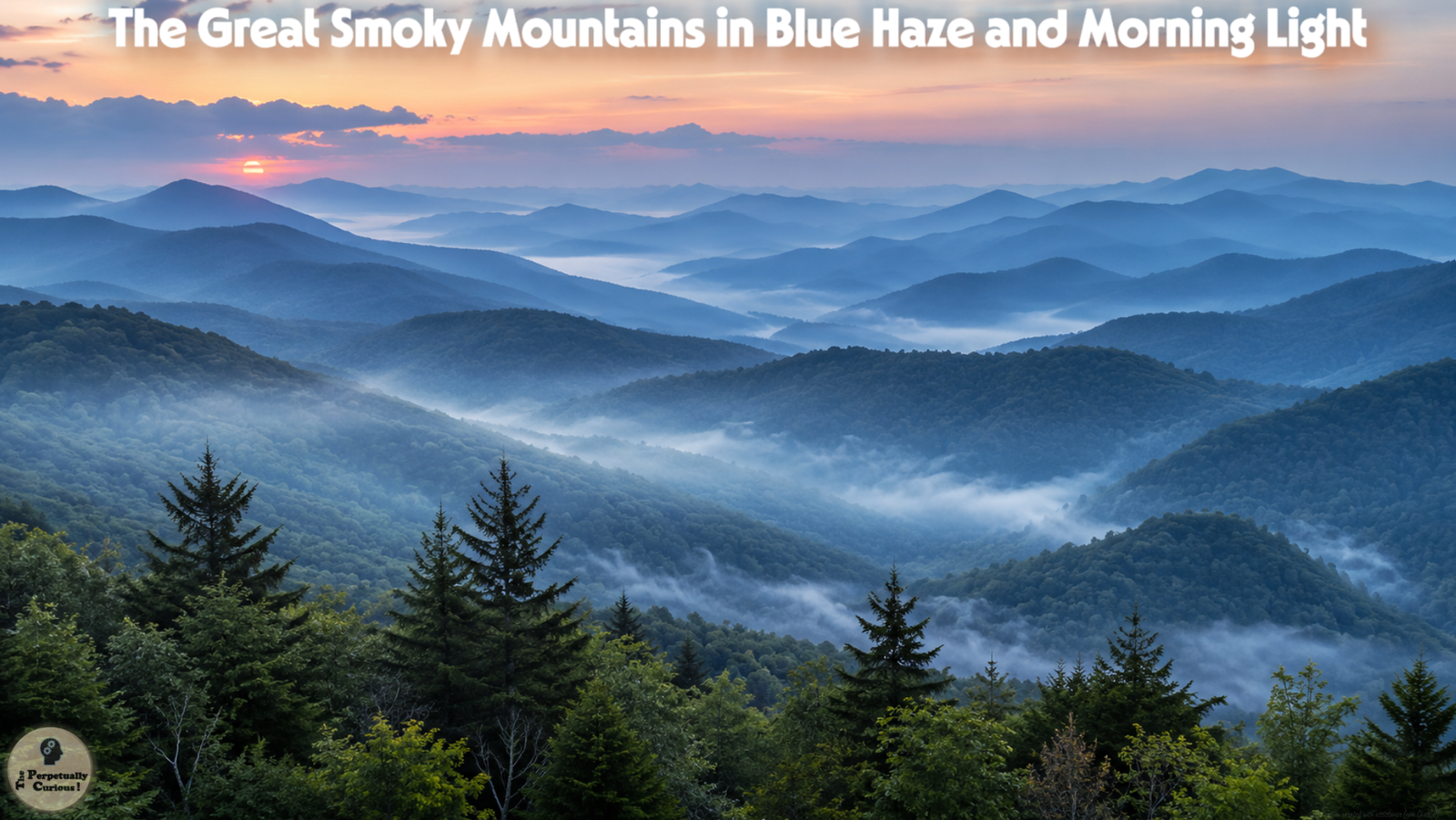
🌫️ Why the Great Smoky Mountains Fade into Blue Haze
From section: A landscape that seems to breatheThe visible landscape is being redrawn from hour to hour by processes that are ordinary on their own: leaves releasing compounds, water entering the air, particles remaining suspended, and sunlight traveling through them.
- The Perpetually Curious! › Archives › Planet EarthArticle
The Science of Snow Whiteness: A Journey Through Light and Ice ❄️
Introduction ❄️ Fresh snow transforms familiar landscapes into brilliant white canvases, whether from gentle flurries or powerful nor'easters, yet individual ice crystals begin as clear structures.
- The Perpetually Curious! › Archives › Planet EarthArticle
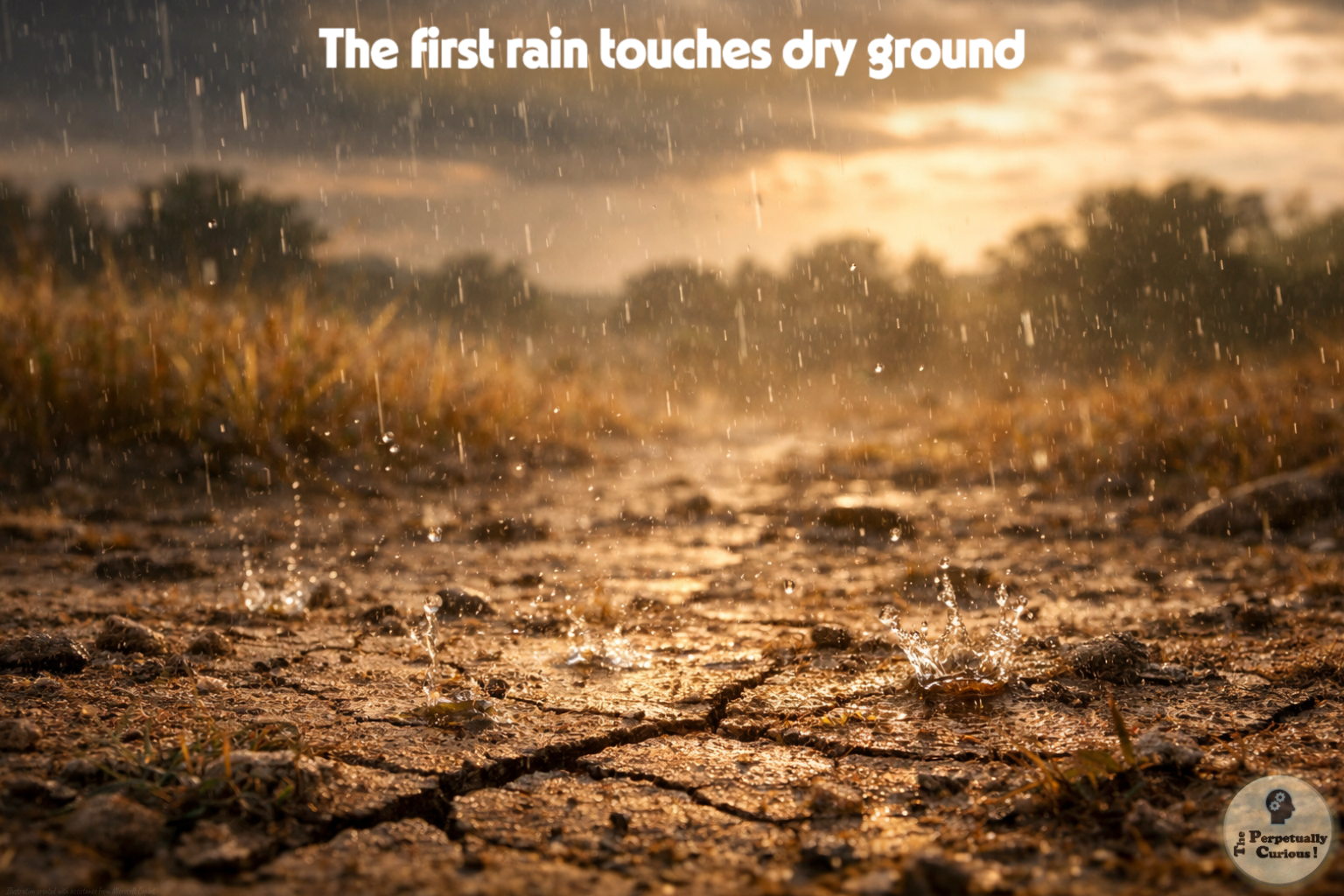
🌧️ Petrichor: How First Rain Lifts Earth’s Hidden Scent
From section: Why the scent changes from place to placeThe larger version on our main site keeps the wider landscape intact, including the naming of petrichor, microbial chemistry, cultural language, storm ozone, regional soils, and the question of why Earth’s rain has no true twin on other worlds.
- The Perpetually Curious! › Archives › Planet EarthArticle
🌍 Why Mud Is Brown or Black: What Wet Soil Reveals
From section: Why the darker ground is not just darkerThe color should not be read as a perfect diagnosis by itself, but it can act as a first clue to how water and chemistry are moving through the landscape.
- The Perpetually Curious! › Archives › Planet EarthArticle
🌊 Underwater Sound: How Echoes Measure Distance
From the surface, the sea can look like a broad sheet of blue, but its hidden spaces are easier to sense with sound than with sight. Underwater sound moves as pressure waves, crossing water far more effectively than ordinary vision can cross depth.