Explore by topic, question, or idea. Find articles, reflections, videos, puzzles, and curiosity pathways gathered across the site.
Press Enter or select Search. A newly typed query starts globally; filters are applied only through the visible rail.
41 results for “ecology darkness”
- The Perpetually Curious! › Canonical › Cosmic ExplorationArticle
🌌 Why Space Looks Dark in a Universe Filled with Light: Understanding the Quiet Cosmos
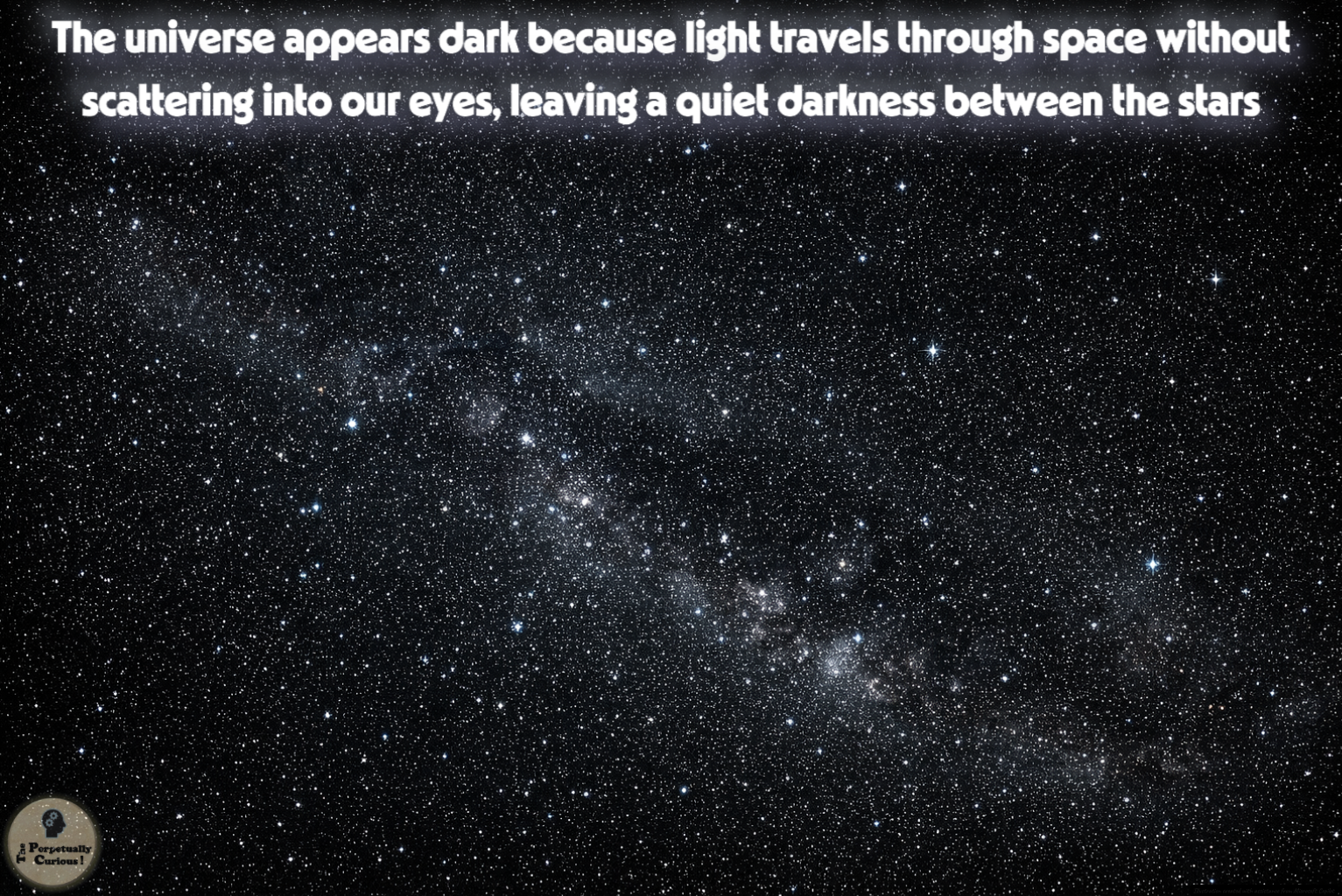
From section: 🌠 Seeing darkness with new understandingThe next time a night sky appears as a field of scattered stars on a dark background, it may carry a different meaning. The patterns people trace among those points belong to constellations, while the darkness between them belongs to light, distance, and the transparency of space.
- The Perpetually Curious! › Canonical › Botanical WondersArticle
🍃 Bael Tree: Ecology, Sacred Groves, and Cultural History
This article follows the bael tree from its physical form through habitat, culture, pollination, fruit, and climate resilience, tracing how one species can bridge ecology and heritage.
- The Perpetually Curious! › ArchivesGateway
TPC8-QH-BW-010 🌿 Botanical Wonders | 🌐 Plant Ecology & Environmental Interactions
🌿 Botanical Wonders Quiz: BW‑010 | Plant Ecology & Environmental Interactions 👉 Answer all 5 questions by clicking the option you believe is correct. Each choice you make will be highlighted. Once you have completed the quiz, select “Finish Quiz” to view your results and explanations.
- The Perpetually Curious! › ArchivesGateway
TPC8‑QH‑BIOL‑005 🧬 Biology | 🌍 Ecology & Human Impact
🧬 Biology Quiz: BIOL‑005 | Ecology & Human Impact 👉 Answer all 5 questions by clicking the option you believe is correct. Each choice you make will be highlighted. Once you have completed the quiz, select “Finish Quiz” to view your results and explanations.
- The Perpetually Curious! › Archives › PhysicsArticle
🌌 Why Space Looks Dark: Light, Matter, and the Quiet Cosmos
Space can look surprisingly dark, even in a universe filled with stars. That darkness is not simply the absence of light. It is often the result of how light travels, what it meets, and what it does not meet. On Earth, daylight becomes a bright blue sky because sunlight…
- The Perpetually Curious! › Canonical › Botanical WondersArticle
🌿 Trees That Drink the Sky: How Certain Species Shape Water and Land in South India
From section: 🌤️ A gentle invitation to shareIf this article has offered a useful lens on how water, roots, and introduced species interact across South Indian landscapes, it may be worth sharing with others who care about ecology and living systems. By passing it along to friends, colleagues, or community groups, you help widen the circle of understanding.
- The Perpetually Curious! › Canonical › Wilderness & Homestead CreaturesArticle
🧫 Tides of Chemical Worlds: How Animals Meet the Molecules Around Them
From section: 🐾 Beyond dolphins: Other animals and natural intoxicantsThese encounters show that animals meet environmental chemistry in many ways, from incidental exposure to learned exploration. This diversity of interactions echoes the chemical communication seen in pollinator ecology.
- The Perpetually Curious! › CanonicalGateway
🐾 Wilderness & Homestead Creatures | Articles
Animal behavior, ecology, adaptations, and the creatures that share our spaces This collection gathers creature‑centered essays that trace wildlife biology, behavior, natural history, and the quiet adaptations that shape animal lives, from wild landscapes to the homestead edges…
- The Perpetually Curious! › Canonical › Planet EarthArticle
🏔️ Mount Kailash: A Summit Where Water, Story, and Sky Converge
From section: 💡 Did you know?🌗 Shadow patterns on Mount Kailash shift throughout the day, creating alternating bands of light and darkness that have inspired symbolic interpretations in several traditions.
- The Perpetually Curious! › Canonical › Wilderness & Homestead CreaturesArticle
🐾 Where the Wild Paths Divide: Wolves, Foxes, and Jackals in the Dog Family
From section: Frequently Asked Questions+… They form their own lineage, Lycaon, which is known for highly cooperative hunting and large pack structures. Their behavior and ecology are explored further in african wild dogs.