Explore by topic, question, or idea. Find articles, reflections, videos, puzzles, and curiosity pathways gathered across the site.
Press Enter or select Search. A newly typed query starts globally; filters are applied only through the visible rail.
19 results for “esterification the everyday chemistry behind fruity scents perfumes and plastics”
- The Perpetually Curious! › Canonical › Planet EarthArticle
🌇 When the Sky Becomes a Painting: Why Clouds Glow Red and Orange at Sunset on Earth
From section: Frequently Asked Questions+Why does the horizon look warm at sunset? Because sunlight travels through a long atmospheric path that removes shorter wavelengths, leaving behind the longer ones that create warm colors.
- The Perpetually Curious! › Canonical › Planet EarthArticle
🌍🌑 Where Two Soils Part Ways: Earth, Moon, and the Stories Written in Dust
From section: 🌋 From a Shared Beginning to Divergent WorldsTo understand how two worlds built such different materials from the same elements, it helps to look more closely at the chemistry that governs their minerals.
- The Perpetually Curious! › Archives › Planet EarthArticle
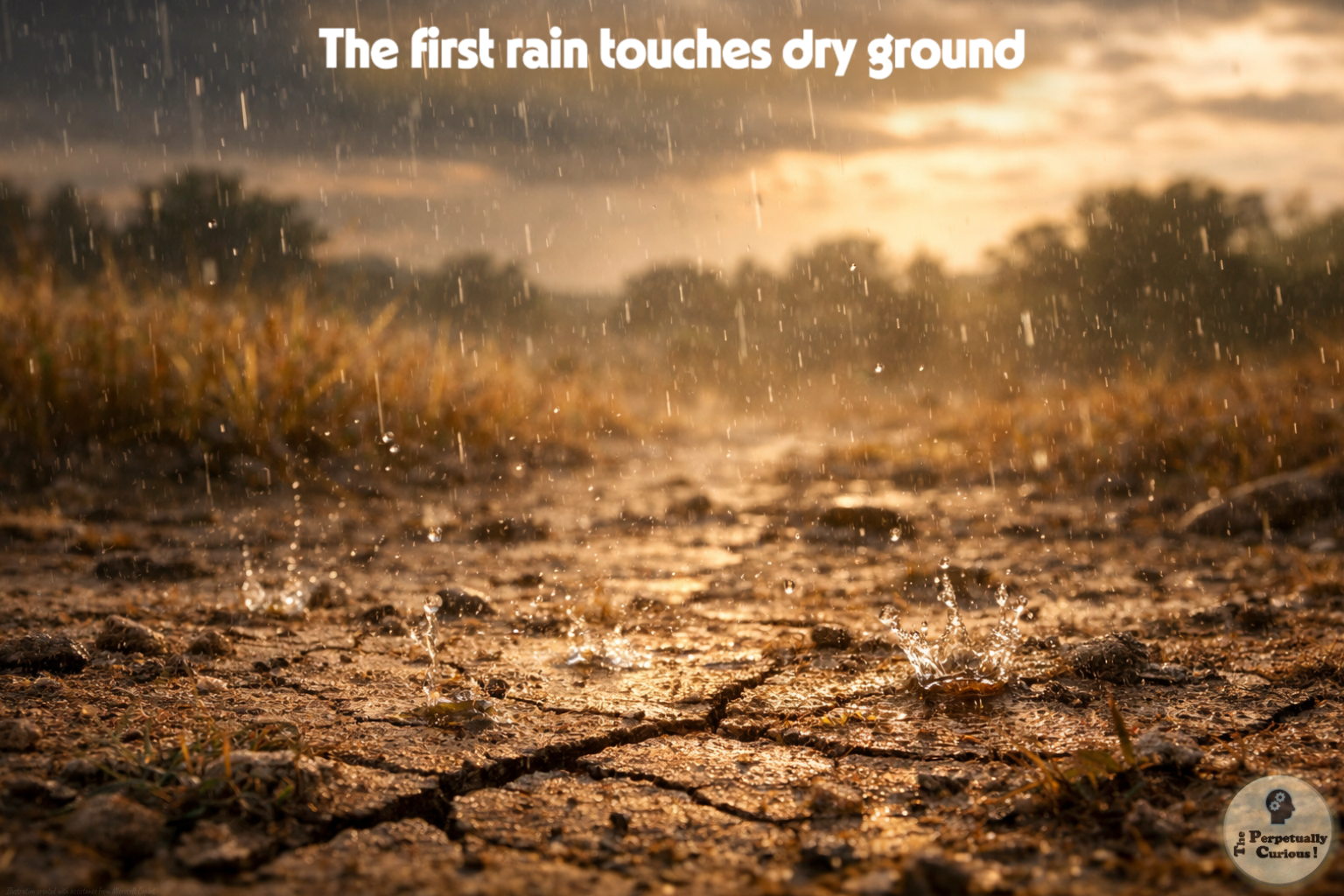
🌧️ Petrichor: How First Rain Lifts Earth’s Hidden Scent
From section: Why the scent changes from place to placeIn the wider Planet Earth collection, this kind of everyday observation sits beside larger patterns of weather, soil, water, and atmosphere.
- The Perpetually Curious! › Canonical › Planet EarthArticle
🌧️ When Clouds Let Go: Why It Rains and How Raindrops Are Born
Rain arrives in many forms, from a quiet drizzle that softens a morning landscape to a sweeping downpour that transforms streets and fields. Although familiar, every rainfall begins with an atmospheric story unfolding above us.
- The Perpetually Curious! › Archives › Planet EarthArticle
❄️ Antarctica: Southernmost Continent’s Frozen Symphony of Silence and Light
From section: Where Silence Breathes and Light Dances: Antarctica's Living SymphonyThis phenomenon, known as Blood Falls, is both a striking spectacle and a reminder that Antarctic ice conceals complex chemistry and microbial communities.
- The Perpetually Curious! › Archives › Planet EarthArticle
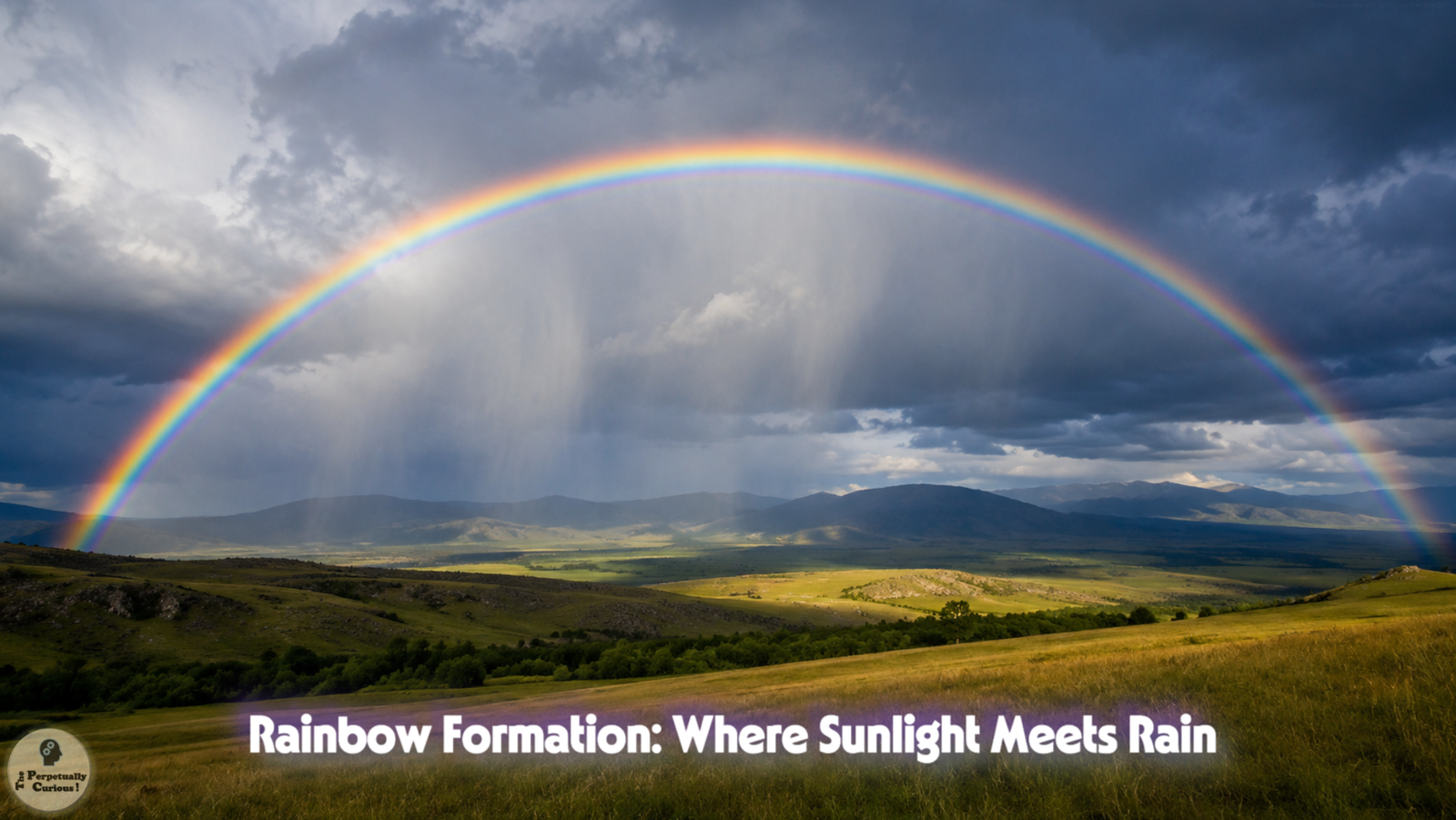
🌈 Rainbow Formation: Why Every Observer Sees a Different Arc
From section: The 42-degree cone behind the arcThe 42-degree cone behind the arc For the primary rainbow, red light reaches the observer from directions roughly 42 degrees away from the antisolar point.
- The Perpetually Curious! › Archives › Planet EarthArticle
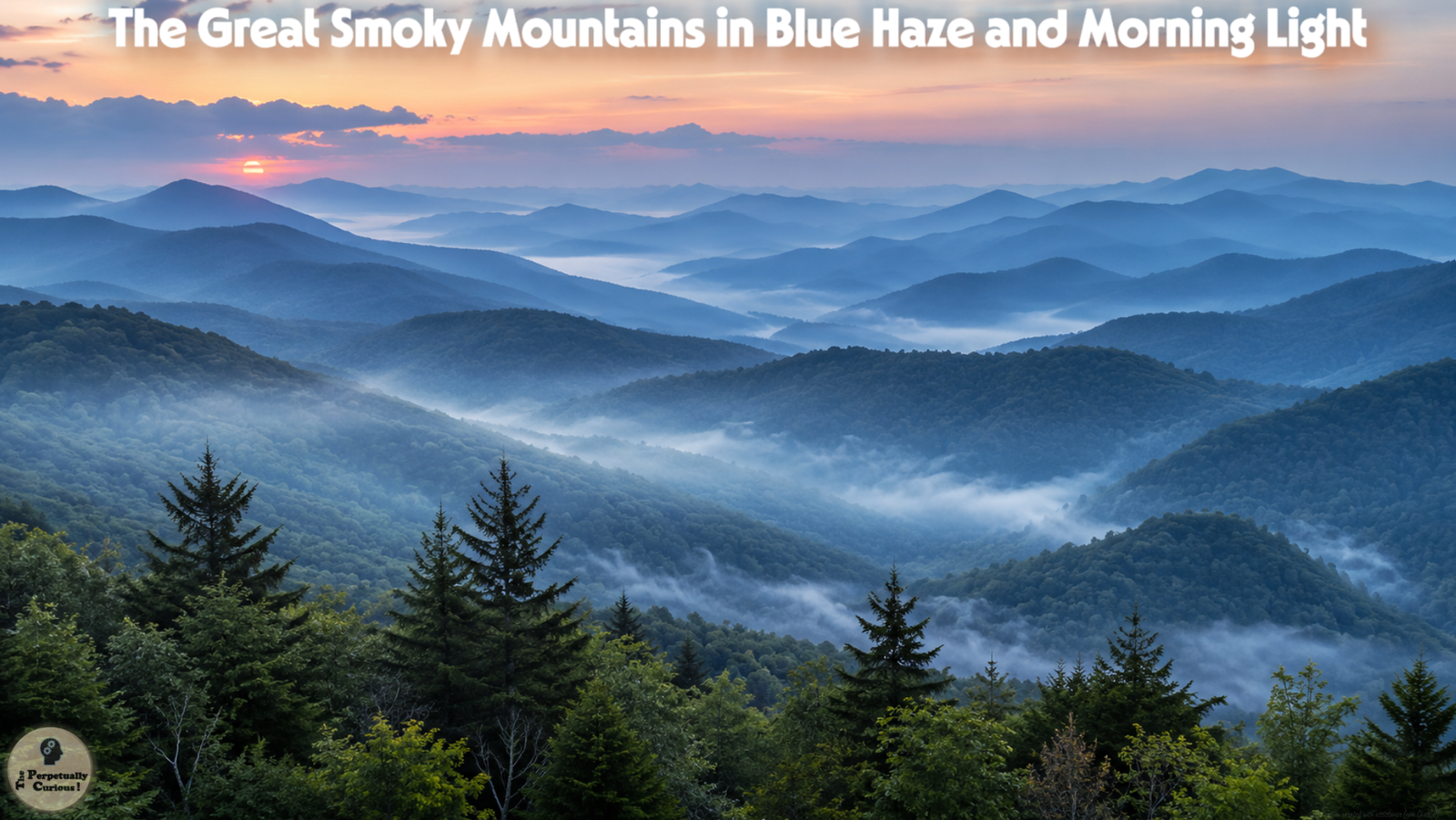
🌫️ Why the Great Smoky Mountains Fade into Blue Haze
From section: A landscape that seems to breatheIt is a meeting of forest chemistry, mountain moisture, distance, and light.
- The Perpetually Curious! › Archives › Planet EarthArticle
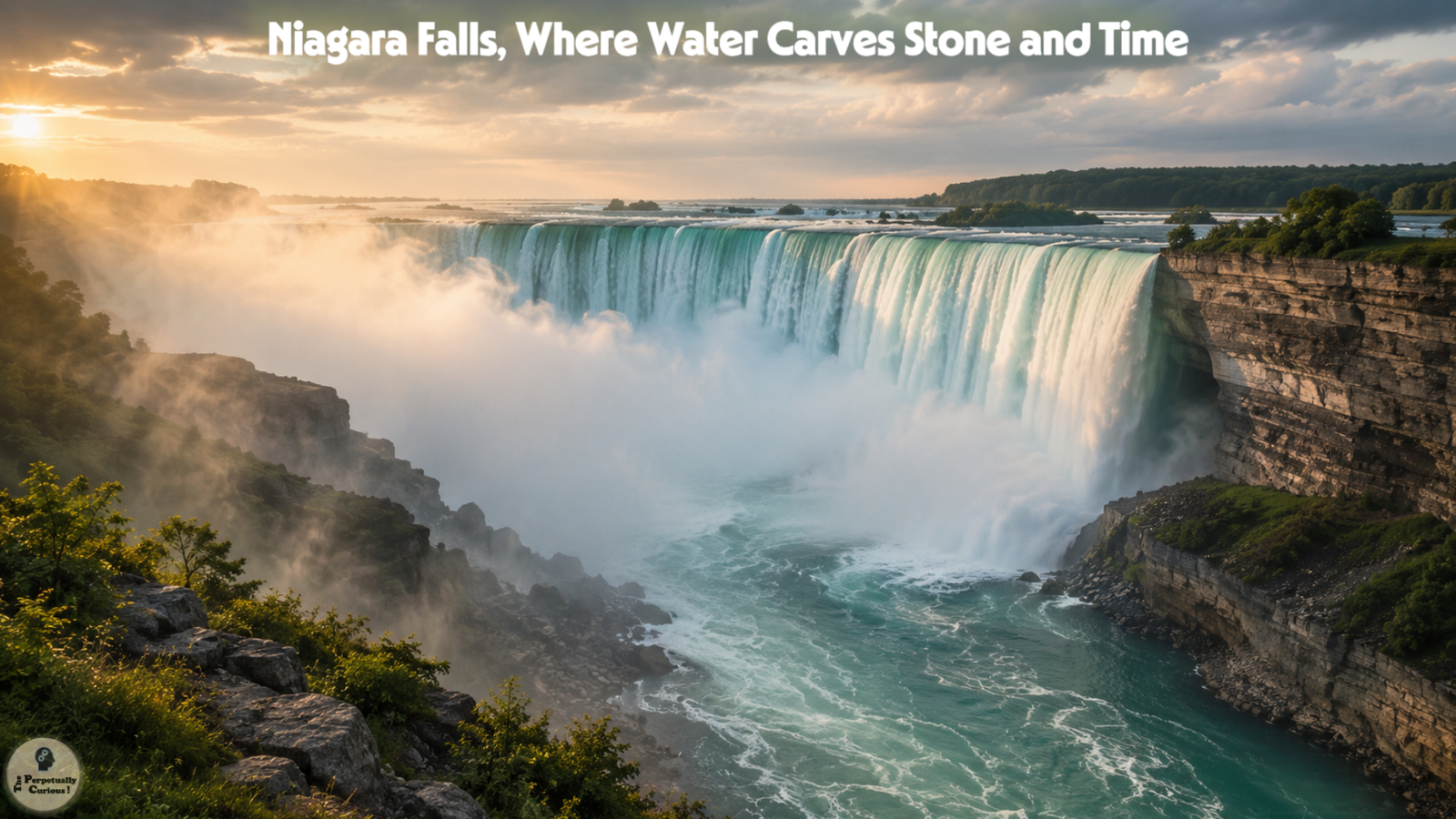
🌊 Niagara Falls Facts: How Water Turns Stone Into Time
From section: Mist as a sign of forceThe falls feel fixed because human lives are short, but the gorge behind them shows otherwise.
- The Perpetually Curious! › Archives › Planet EarthArticle
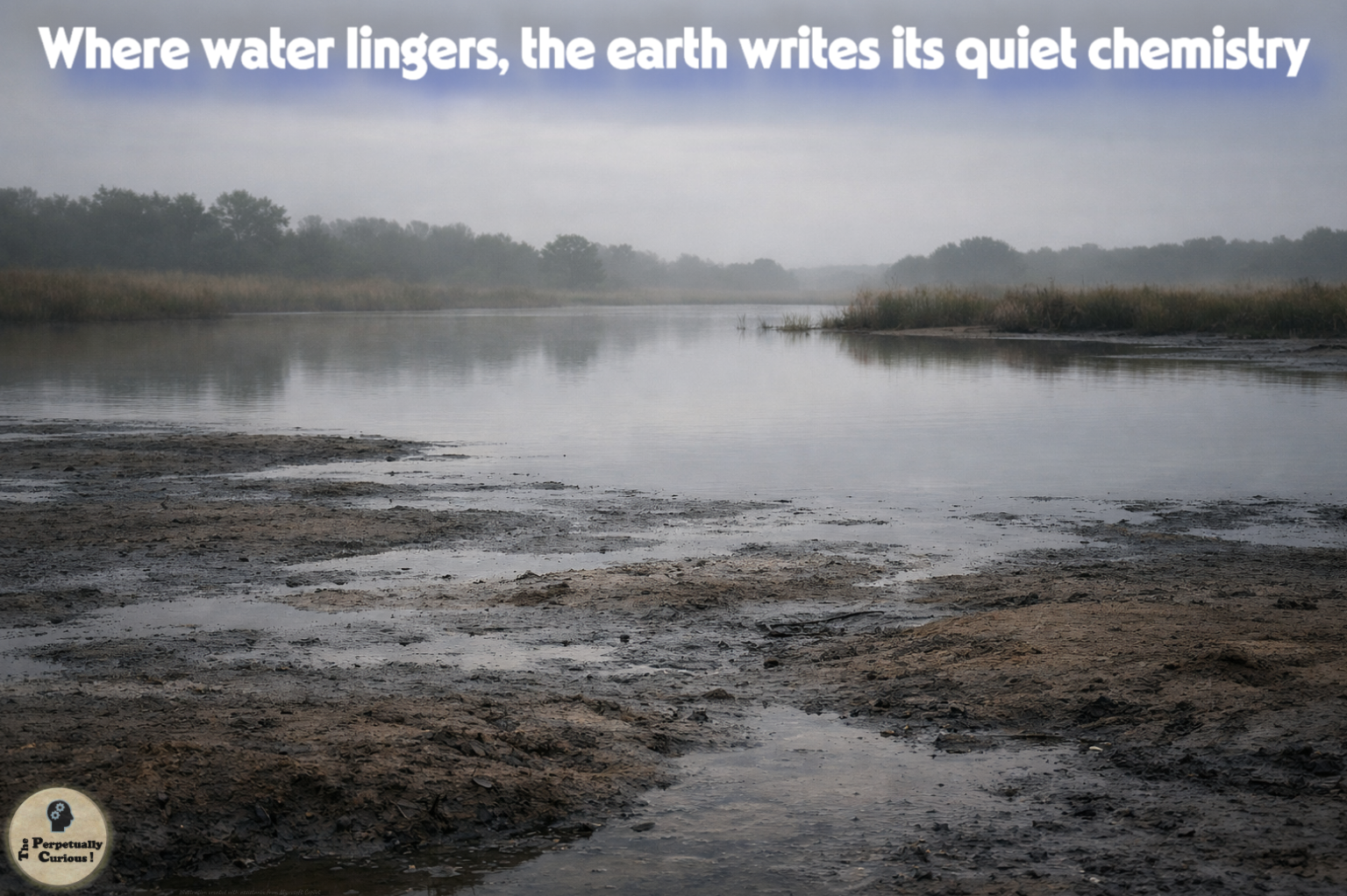
🌍 Why Mud Is Brown or Black: What Wet Soil Reveals
From section: Why the darker ground is not just darkerThe color should not be read as a perfect diagnosis by itself, but it can act as a first clue to how water and chemistry are moving through the landscape.