Explore by topic, question, or idea. Find articles, reflections, videos, puzzles, and curiosity pathways gathered across the site.
Press Enter or select Search. A newly typed query starts globally; filters are applied only through the visible rail.
49 results for “how brain form”
- The Perpetually Curious! › Archives › Biology & HealthArticle
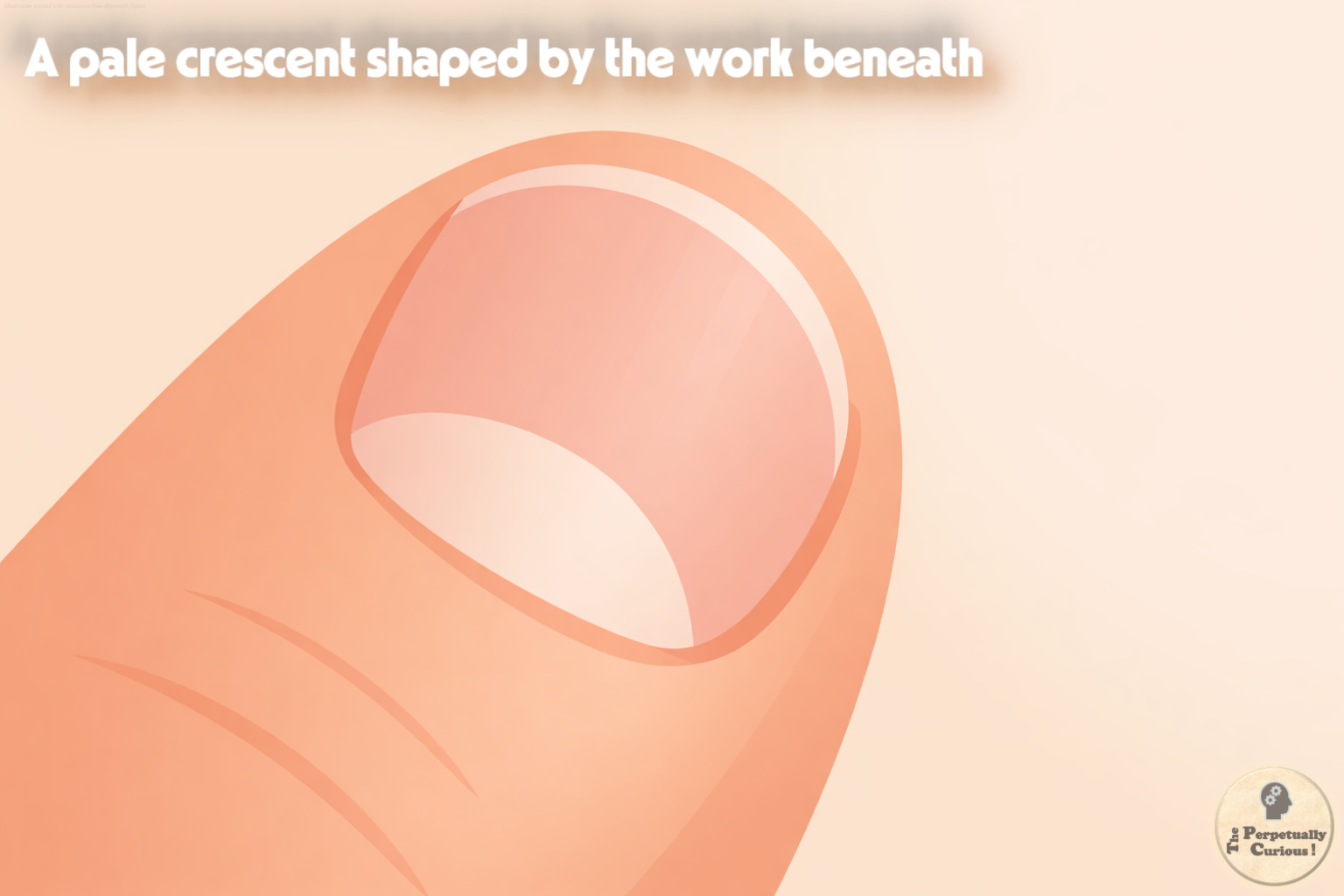
🌙 White Half Moon on Nails: The Quiet Growth Zone Beneath
From section: Why the thumb often shows it bestThat is why it fits naturally within the Biology & Health collection, alongside other quiet features of human form and physiology.
- The Perpetually Curious! › Archives › Wilderness & Homestead CreaturesArticle
🐾 Wolves, Foxes, and Jackals: One Family, Many Survival Paths
From section: A family blueprint, not a single lifestyleLong muzzles, mobile ears, efficient legs, bushy tails, scent rich noses, and adaptable teeth form a toolkit that can be stretched toward many ways of living.
- The Perpetually Curious! › Archives › Engineering & TechnologyArticle
✏️ Pencil Making: How Graphite and Cedar Become a Line
From section: Why graphite needs clayIn this quiet balance, pencil making becomes a form of controlled material design, where a simple line depends on the behavior of minerals under pressure, heat, and friction.
- The Perpetually Curious! › Archives › Botanical WondersArticle
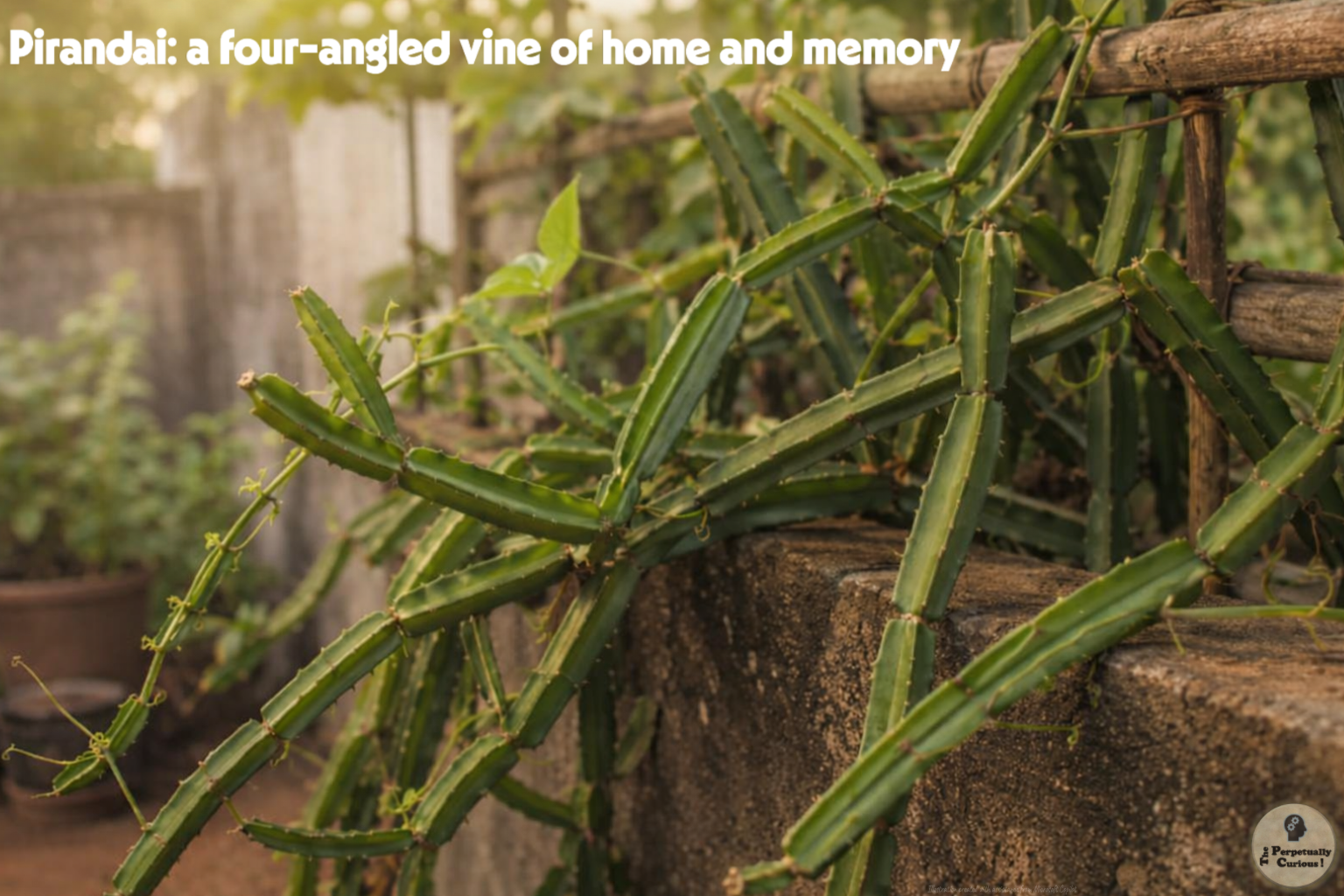
🌿 Pirandai: How a Four-Angled Vine Holds Memory and Water
From section: The geometry of a dry-land vineSeen this way, Pirandai belongs to a wider botanical language of form and function.
- The Perpetually Curious! › Archives › Planet EarthArticle
🏔️ Mount Kailash: Why a Sacred Summit Is Circled, Not Climbed
In a sparse plateau landscape, form and distance can turn geology into a landmark.
- The Perpetually Curious! › Archives › Botanical WondersArticle
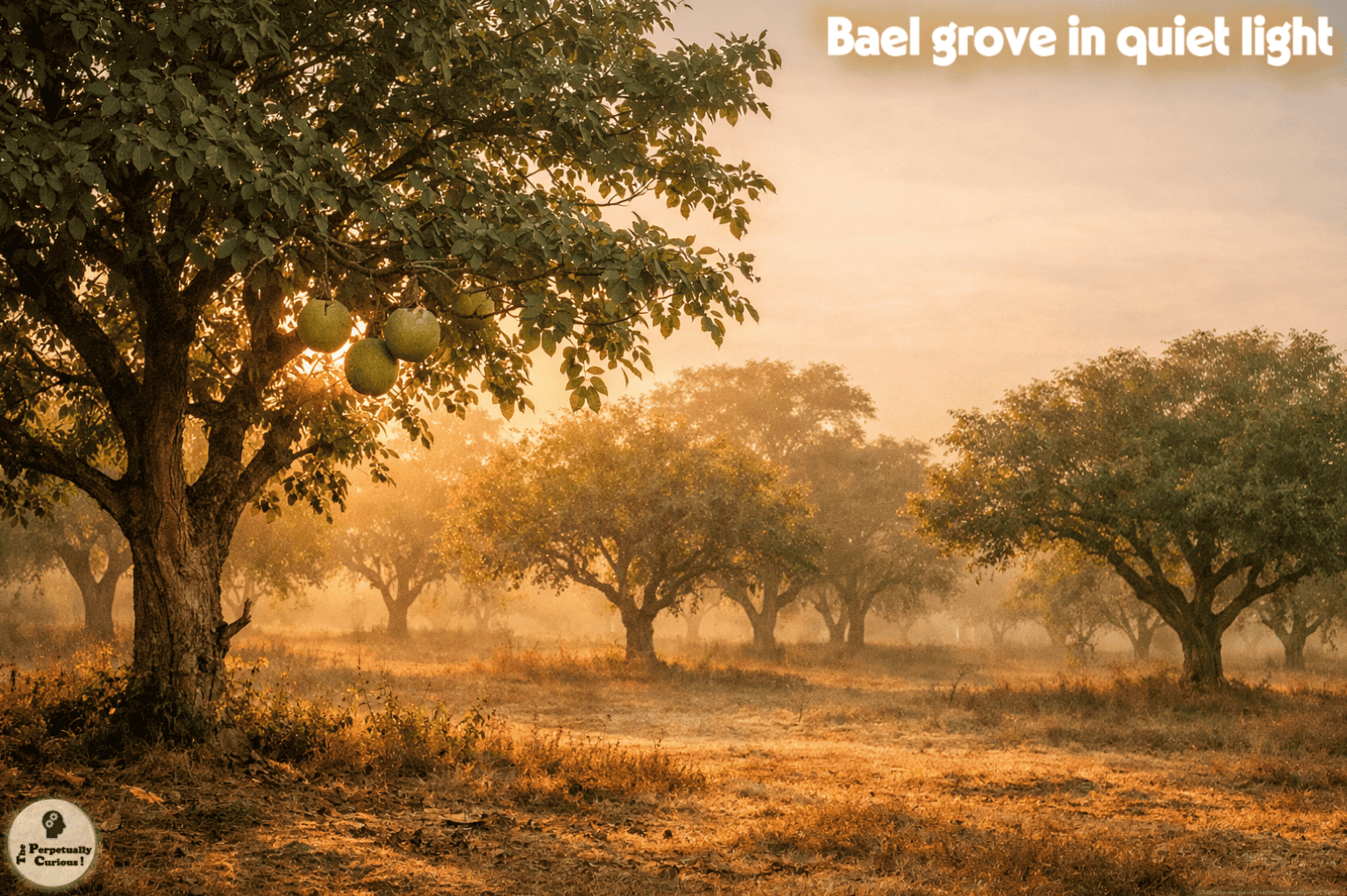
🍃 Bael Tree: Quiet Resilience in Leaf and Fruit
From section: A fruit built for patienceThe three leaflets have been interpreted in multiple ways across traditions, but the larger point is clear: the tree’s physical form helped shape its symbolic life.
- The Perpetually Curious! › ArchivesGateway
TPC8‑QH‑CHEM‑004 🧪 Chemistry | 🔢 Periodic Table of Elements I
From section: 4️⃣ Which group of elements is known as highly reactive nonmetals that form salts with metals?Electronegativity decreases Electronegativity increases Electronegativity stays the same Electronegativity becomes zero 4️⃣ Which group of elements is known as highly reactive nonmetals that form salts with metals?
- The Perpetually Curious! › Archives › Wilderness & Homestead CreaturesArticle
🐝🌸 Pollinators: The Silent Architects of Our Food and Ecosystems
🐝🦋🦇🐦 About one in every three bites of food we eat exists thanks to pollinators. Here is why they are essential to both ecosystems and economies. 🌸 Introduction Pollination is a fundamental biological process in the sexual reproduction of flowering plants.
- The Perpetually Curious! › Archives › Cosmic ExplorationArticle
The Asteroid Belt: Ancient Fragments of Our Solar System's Story 🌌
On New Year's Day 1801, Italian astronomer Giuseppe Piazzi made a discovery that would transform our understanding of the solar system. While searching for a suspected planet between Mars and Jupiter, he found something else entirely: the first of millions of rocky fragments…
- The Perpetually Curious! › ArchivesGateway
TPC8‑QH‑CHEM‑010 🧪 Chemistry | 🔗 Chemical Bonding & Molecular Geometry
From section: 5️⃣ What geometry results from sp³ hybridization of orbitals?Electron pairs repel each other and arrange to minimize repulsion, determining molecular shape Atoms always form linear molecules Electrons are fixed and do not affect shape Molecular shape is random 5️⃣ What geometry results from sp³ hybridization of orbitals? …