Explore by topic, question, or idea. Find articles, reflections, videos, puzzles, and curiosity pathways gathered across the site.
Press Enter or select Search. A newly typed query starts globally; filters are applied only through the visible rail.
5 results for “how brain form”
- The Perpetually Curious! › Archives › Wilderness & Homestead CreaturesArticle
🌍 African Wildlife and Landscapes: A Heritage of Beauty and Balance
These environments form a living record of natural history, where beauty and dynamic ecological functioning emerge from interactions among climate, landforms, water, and the species that inhabit them.
- The Perpetually Curious! › Archives › Wilderness & Homestead CreaturesArticle
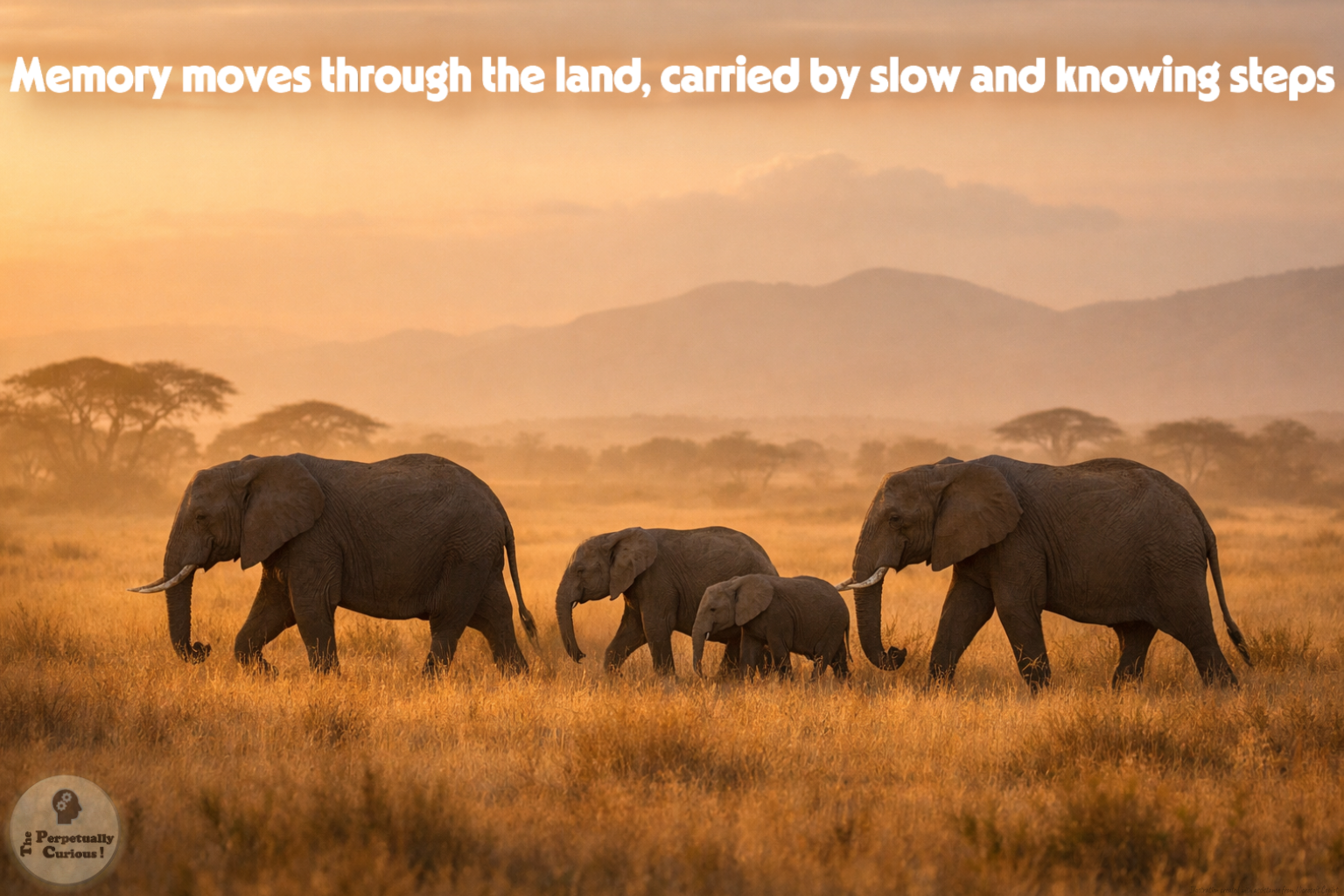
🐘 Elephant Intelligence: How Memory Becomes a Family Inheritance
From section: Knowledge Carried Without a ClassroomSeen through this lens, elephant intelligence is not defined only by brain size or isolated problem-solving feats.
- The Perpetually Curious! › Archives › Wilderness & Homestead CreaturesArticle
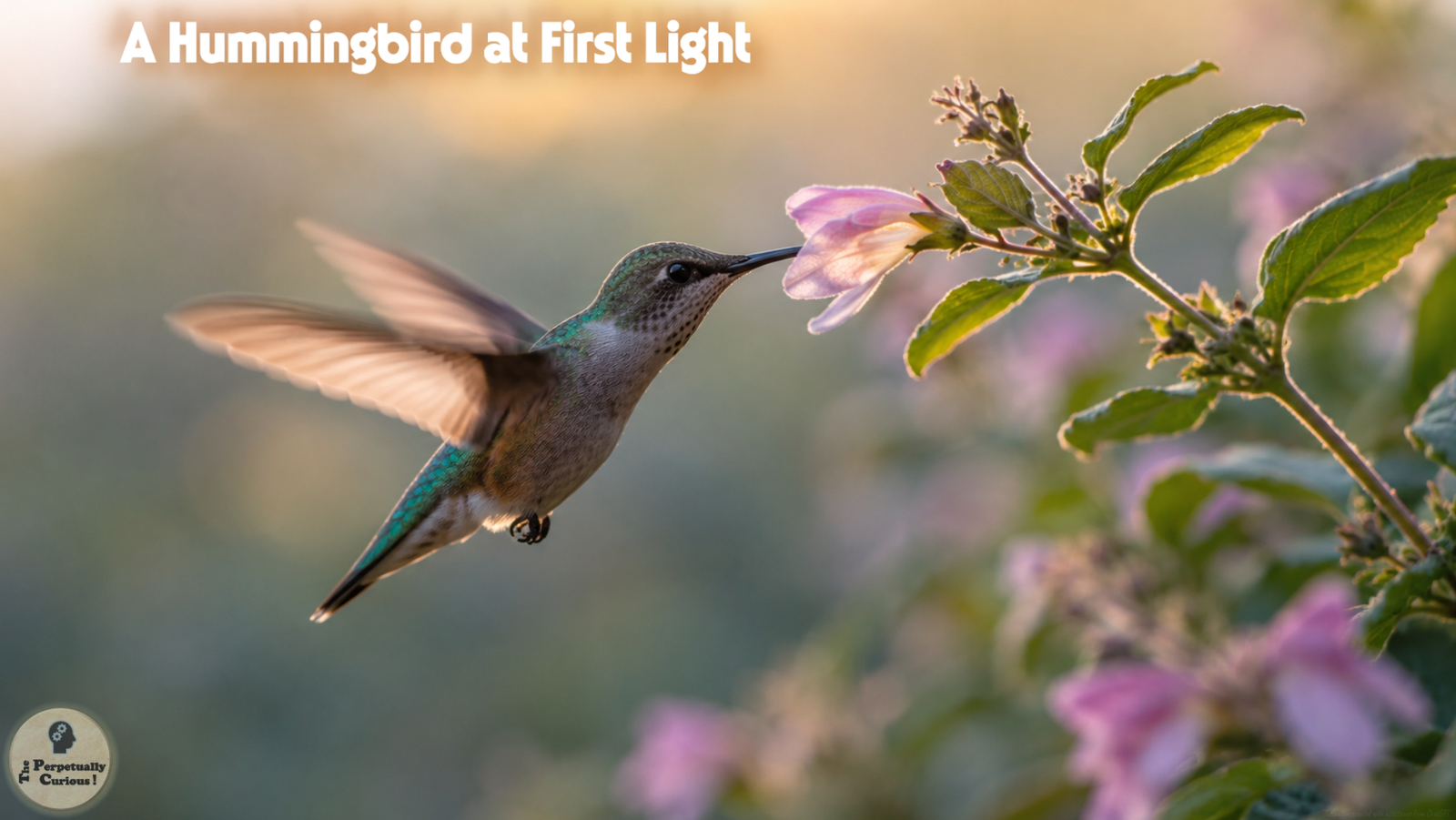
🐦 How Hummingbirds Hover: The Motion Inside Apparent Stillness
From section: Precision Has an Energy CostWhat looks like stillness is therefore a precise form of motion.
- The Perpetually Curious! › Archives › Wilderness & Homestead CreaturesArticle
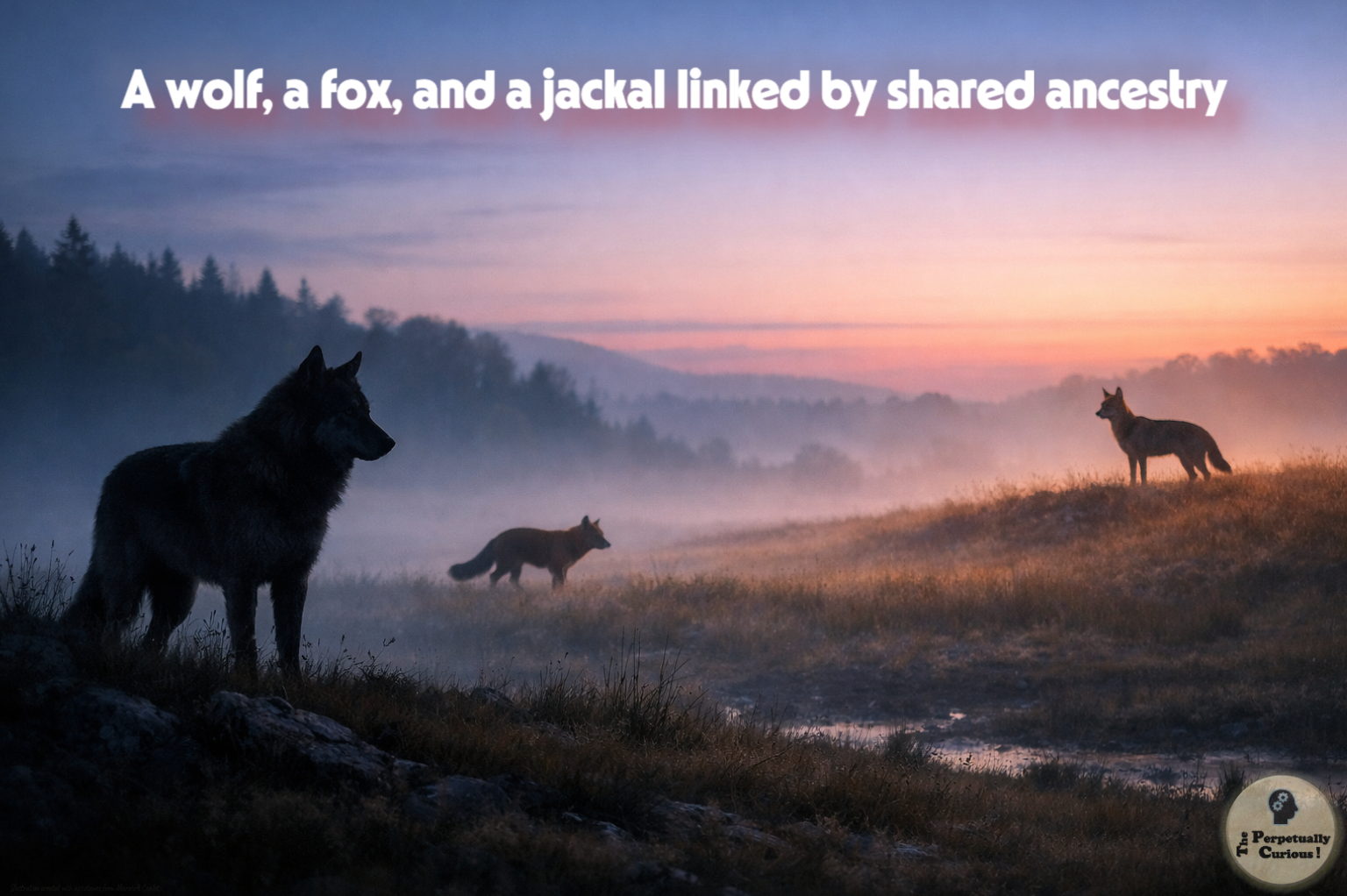
🐾 Wolves, Foxes, and Jackals: One Family, Many Survival Paths
From section: A family blueprint, not a single lifestyleLong muzzles, mobile ears, efficient legs, bushy tails, scent rich noses, and adaptable teeth form a toolkit that can be stretched toward many ways of living.
- The Perpetually Curious! › Archives › Wilderness & Homestead CreaturesArticle
🐝🌸 Pollinators: The Silent Architects of Our Food and Ecosystems
🐝🦋🦇🐦 About one in every three bites of food we eat exists thanks to pollinators. Here is why they are essential to both ecosystems and economies. 🌸 Introduction Pollination is a fundamental biological process in the sexual reproduction of flowering plants.