Explore by topic, question, or idea. Find articles, reflections, videos, puzzles, and curiosity pathways gathered across the site.
Press Enter or select Search. A newly typed query starts globally; filters are applied only through the visible rail.
19 results for “lunar regolith the moon ancient chronicle written in dust”
- The Perpetually Curious! › Canonical › Planet EarthArticle
🌑 How Coal Is Formed: The Slow Birth of Black Stone Across Deep Time
A quiet patience moves through every coal seam, carrying the memory of forests that once breathed beneath ancient skies. In its dark layers, time settles gently, holding the shapes of roots and waters that have long since passed away. …
- The Perpetually Curious! › Canonical › Planet EarthArticle
🌊 Where the Salt Stays: Why the Ocean Is Salty but Rivers and Most Lakes Are Fresh
From section: Frequently Asked Questions+Is rainwater completely pure before it reaches the ground? During raindrop formation inside clouds, droplets can absorb gases and collect aerosols, dust, sea salt, microorganisms, and pollutants from the atmosphere. …
- The Perpetually Curious! › Canonical › Planet EarthArticle
🌧️ When Clouds Let Go: Why It Rains and How Raindrops Are Born
From section: ☁️ From invisible vapor to visible cloudsCondensation usually begins on tiny airborne particles called cloud condensation nuclei. Sea salt, dust, smoke, and other aerosols can provide surfaces on which water molecules gather. Many of these particles are hygroscopic, meaning that they readily attract water. …
- The Perpetually Curious! › Canonical › Planet EarthArticle
🏔️ Mount Kailash: A Summit Where Water, Story, and Sky Converge
From section: 💡 Did you know?🏔 The wider Himalayan and Tibetan Plateau region preserves evidence of the ancient Tethys Ocean and later continental collision, while the Kailash region records complex uplift, sedimentation, faulting, and erosion.
- The Perpetually Curious! › Canonical › Planet EarthArticle
🌊 Where the Waves Leave Their Footprints: Why Beaches Carry Sand
From section: ⛰️ The Birth of SandMuch beach sand begins its life as part of a larger rock. Mountains, cliffs, and ancient bedrock slowly break down through the combined effects of mechanical and chemical weathering. Mechanical weathering includes processes such as freeze‑thaw cycles, abrasion, and the grinding action of moving water. …
- The Perpetually Curious! › Archives › Planet EarthArticle
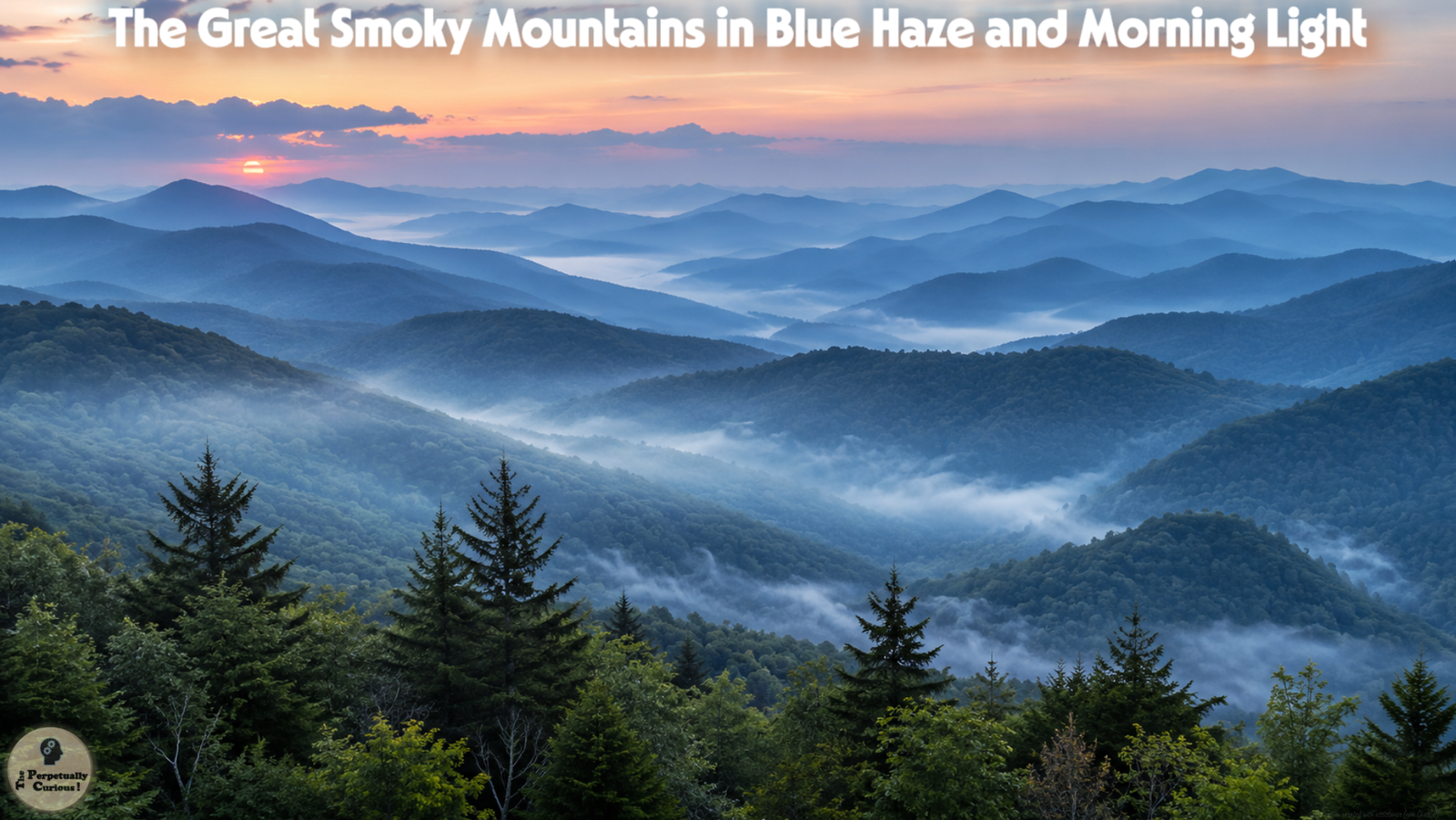
🌫️ Why the Great Smoky Mountains Fade into Blue Haze
From section: Why the ridges look blueThe broader Smokies narrative on our main site follows this atmosphere into ancient Appalachian geology, elevation-shaped forests, streams, biodiversity, Cherokee homelands, Appalachian communities, and the continuing work of conservation.
- The Perpetually Curious! › Archives › Planet EarthArticle
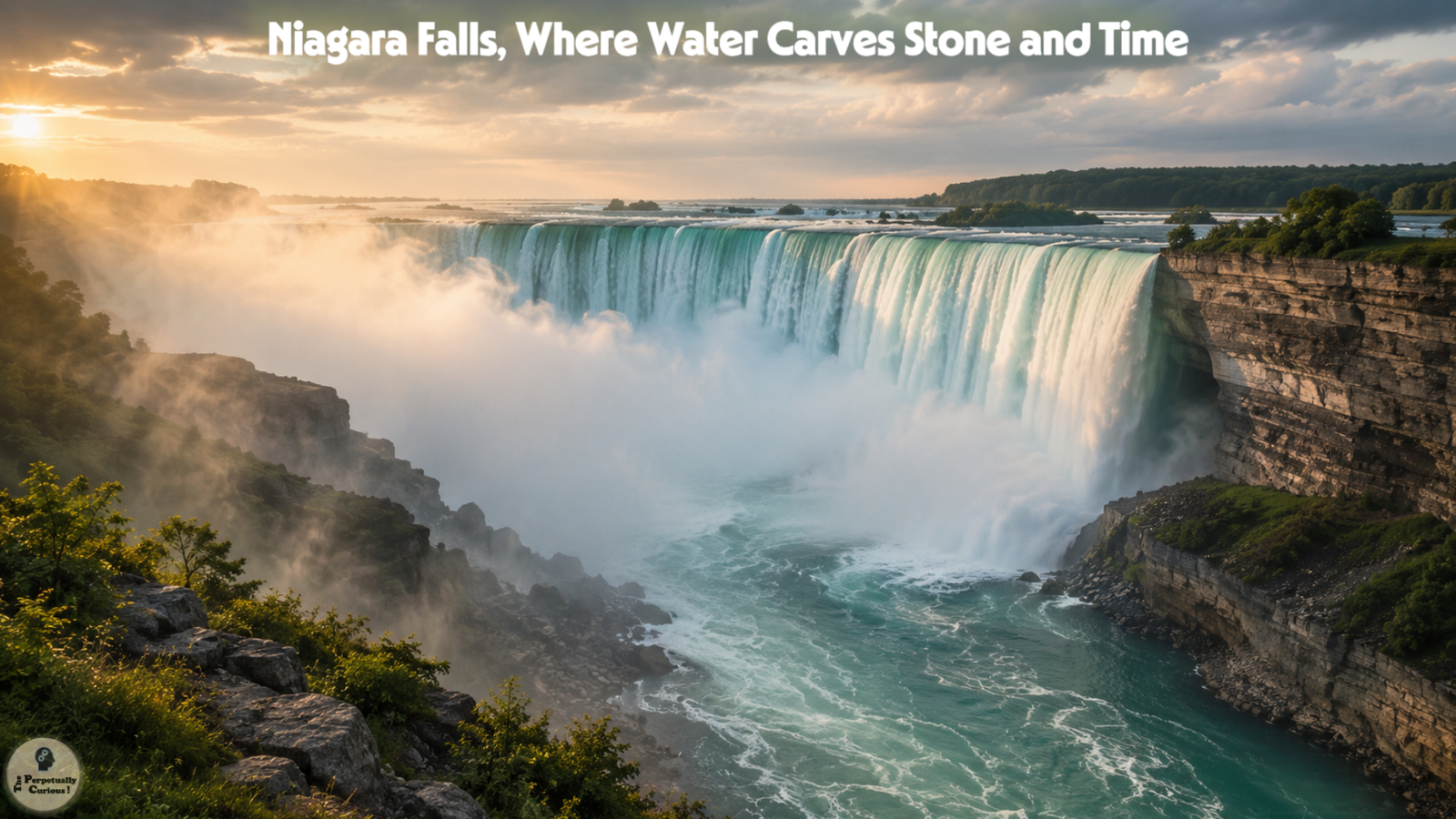
🌊 Niagara Falls Facts: How Water Turns Stone Into Time
From section: Mist as a sign of forceIn the longer view, it is a moving edge within the Great Lakes outflow, steadily carving its own path through ancient rock.
- The Perpetually Curious! › Archives › Planet EarthArticle
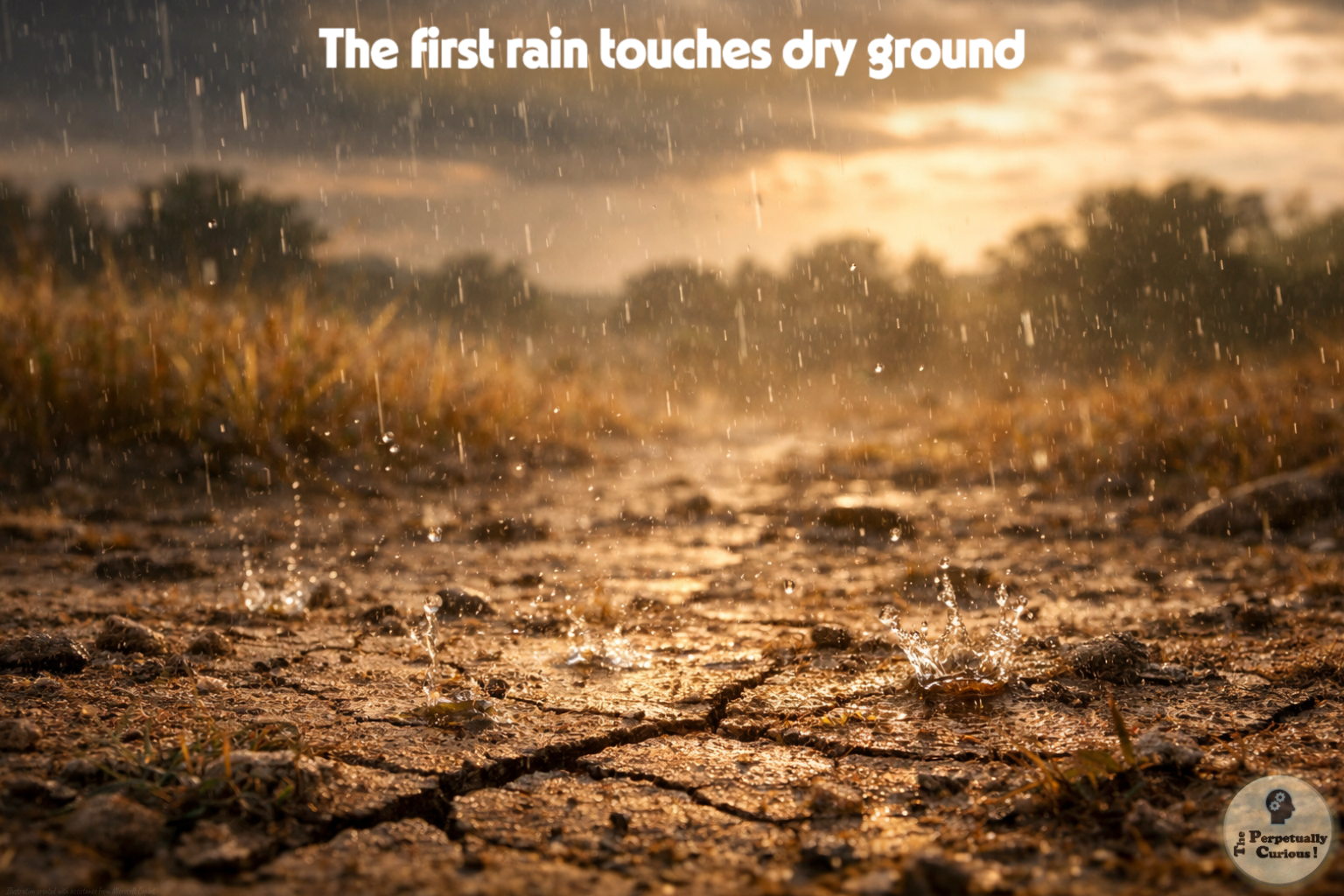
🌧️ Petrichor: How First Rain Lifts Earth’s Hidden Scent
The scent comes from materials already waiting on soil, stone, leaves, pavement, and dust.
- The Perpetually Curious! › Archives › Planet EarthArticle
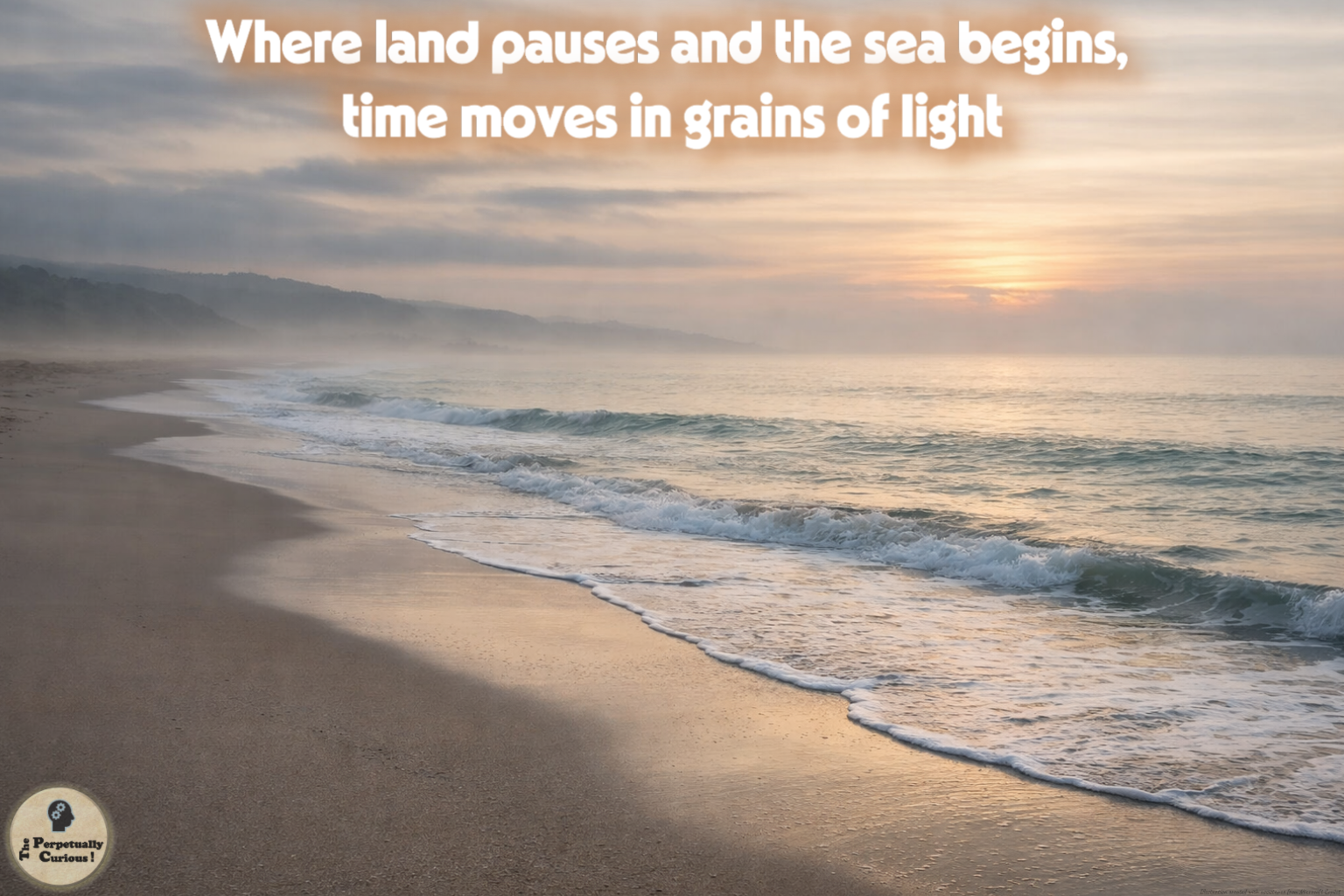
🌊 Why Beaches Have Sand
Mountains, cliffs, and ancient bedrock slowly break down through weathering.