Explore by topic, question, or idea. Find articles, reflections, videos, puzzles, and curiosity pathways gathered across the site.
Press Enter or select Search. A newly typed query starts globally; filters are applied only through the visible rail.
4 results for “lunar regolith the moon ancient chronicle written in dust”
- The Perpetually Curious! › Canonical › PhysicsArticle
🌟 When Light Learns to Answer Back: The Quiet Science of Mirrors
From section: 💡 Did You Know📡 Retroreflectors, which send light back toward its source, are used on the Moon. They allow scientists to measure the distance between Earth and the lunar surface with remarkable precision.
- The Perpetually Curious! › Archives › PhysicsArticle
⚗️ The Invisible Revolution: Understanding the Ancient Art and Modern Science of Glass Manufacturing
From section: Where Sand Becomes Transparent 🏛️The ancient Roman historian Pliny the Elder recounted a legendary story of Phoenician merchants accidentally discovering glass when cooking fires on sandy beaches fused sodium-rich plant ashes with silica.
- The Perpetually Curious! › Archives › PhysicsArticle
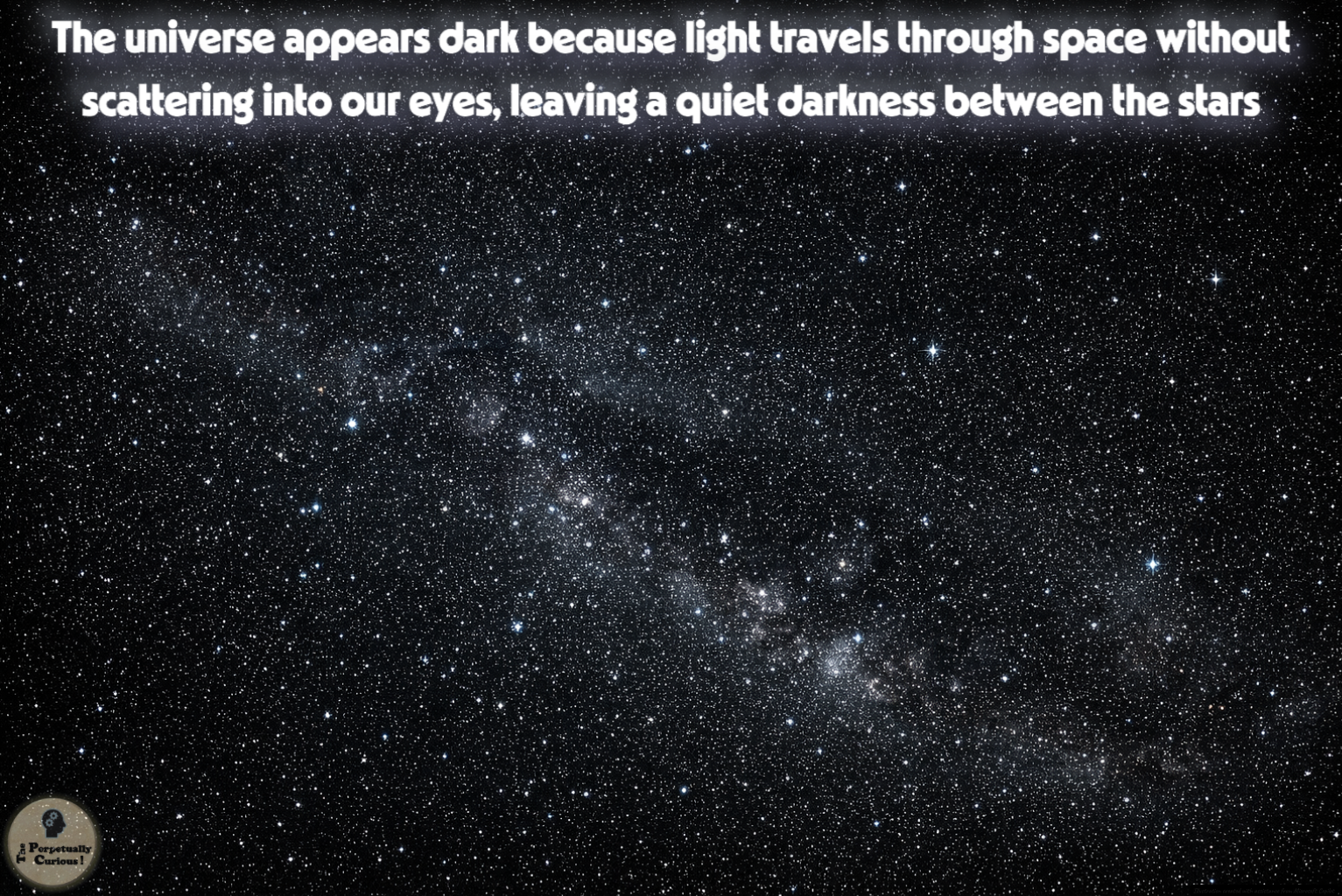
🌌 Why Space Looks Dark: Light, Matter, and the Quiet Cosmos
A flashlight beam looks visible when dust, smoke, or tiny particles scatter some of the light toward the eye.
- The Perpetually Curious! › Archives › PhysicsArticle
🌍 When Worlds Pull: Gravity Across the Planets and What It Reveals About Them
Gravity is the quiet sculptor of the cosmos. It shapes the paths of planets, guides the drift of moons, and anchors every step taken on the surface of a world. When we compare gravity across the Solar System, we begin to see how each planet carries its own gravitational signature.