Explore by topic, question, or idea. Find articles, reflections, videos, puzzles, and curiosity pathways gathered across the site.
Press Enter or select Search. A newly typed query starts globally; filters are applied only through the visible rail.
52 results for “microplastics in the ocean how tiny fragments travel”
- The Perpetually Curious! › Archives › PhysicsArticle
🦈 Why Do Sharks Float? The Science Behind Their Buoyancy
🌊 Opening Dive Sharks are among the ocean’s most formidable creatures, yet they face a unique challenge: staying afloat without the gas‑filled swim bladders used by most bony fishes.
- The Perpetually Curious! › Archives › Wilderness & Homestead CreaturesArticle
🦈 Scars That Speak: Shark Survival Stories Etched in Skin
Introduction 🌊 Every scar on a shark tells a story, each a record as unique as the path that shark has traveled through its environment. These marks are not just wounds. They are survival records that reveal the hidden dramas of the ocean.
- The Perpetually Curious! › Archives › PhysicsArticle
🐋 How Do Whales Float? The Science of Buoyancy Beneath the Waves
Whales are the giants of the ocean, with blue whales reaching up to 200 tons. Yet they move through the water with surprising grace. If you have ever wondered how such colossal animals manage to float, sink, and swim so smoothly, the answer lies in the fascinating blend of…
- The Perpetually Curious! › Archives › Cosmic ExplorationArticle
🔭 The Ten Largest Moons in Our Solar System: A Journey Through Worlds of Ice, Fire, and Hidden Oceans
The solar system is often introduced as a family of planets circling the Sun, yet some of its most remarkable landscapes belong to the moons that accompany those planets. These moons are not passive companions. They are worlds with their own histories, atmospheres, oceans, and internal heat.
- The Perpetually Curious! › Archives › PhysicsArticle
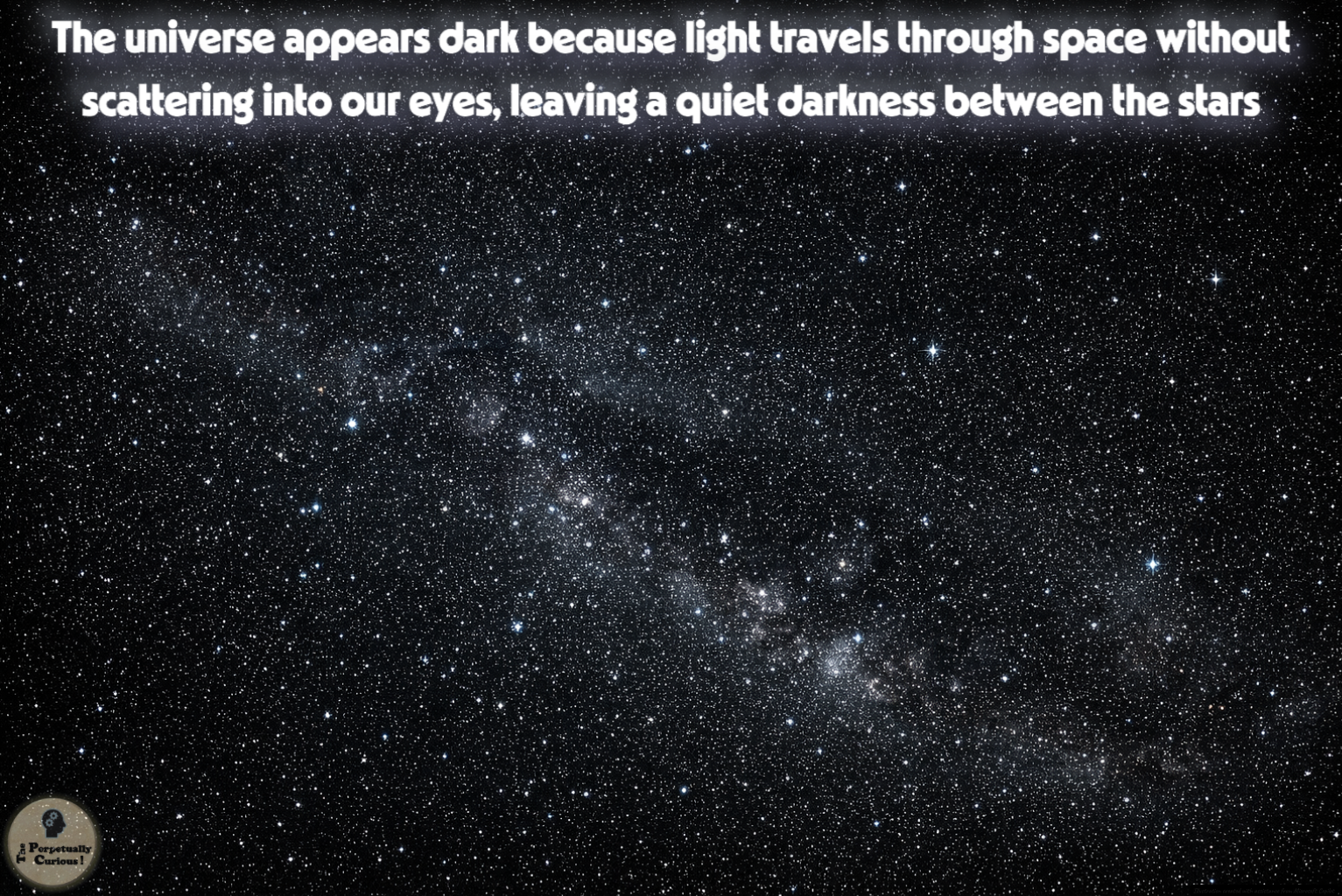
🌌 Why Space Looks Dark: Light, Matter, and the Quiet Cosmos
A flashlight beam looks visible when dust, smoke, or tiny particles scatter some of the light toward the eye.
- The Perpetually Curious! › Archives › Engineering & TechnologyArticle
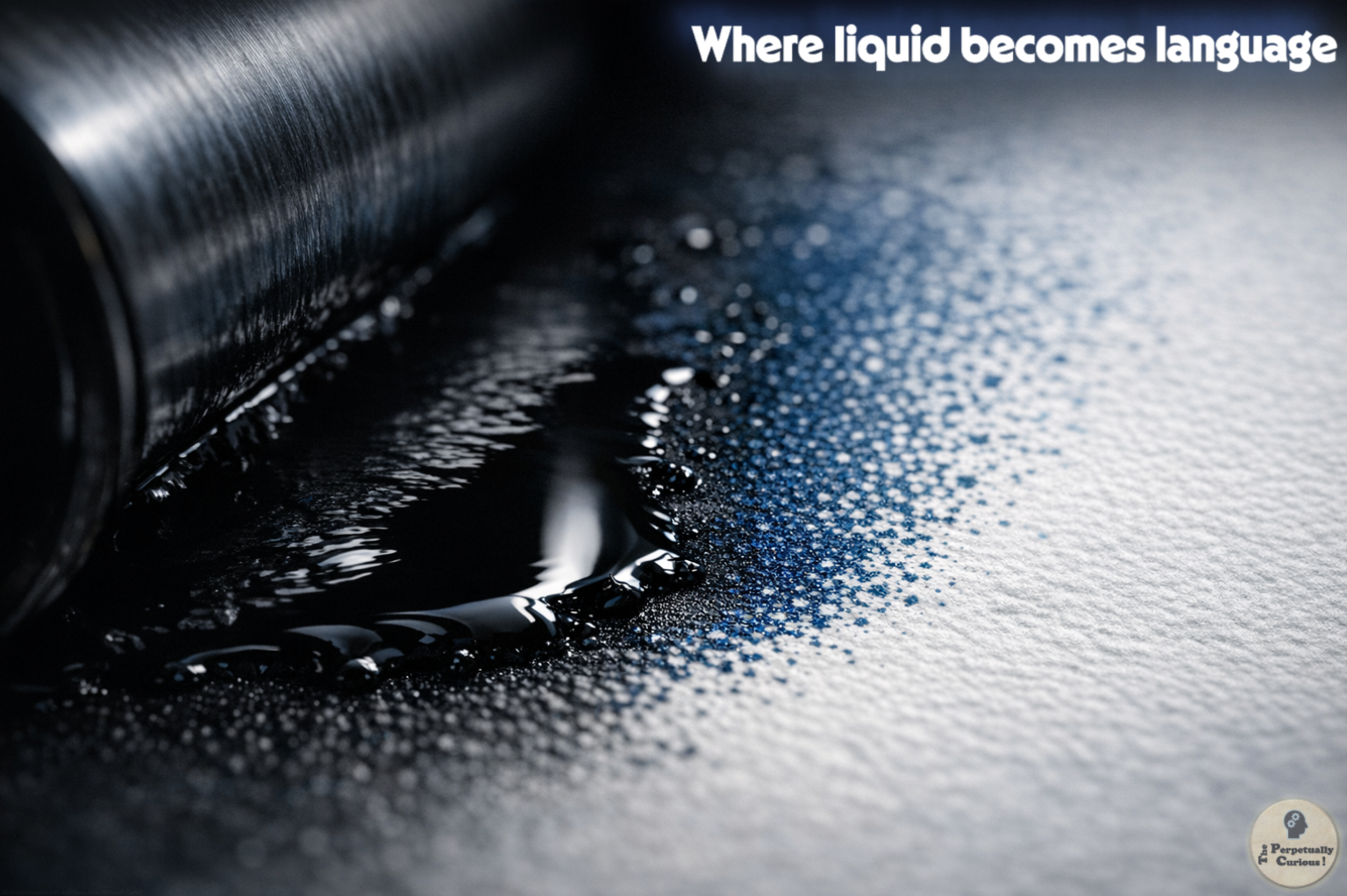
🖋️ Printing Ink: What Happens When a Wet Drop Meets Paper
From section: 🖨️ Before the ink touches the pageIf the balance is poorly matched to the printing method or substrate, ink may travel beyond the intended edges, fail to transfer evenly, or settle into an irregular film.
- The Perpetually Curious! › Archives › Wilderness & Homestead CreaturesArticle
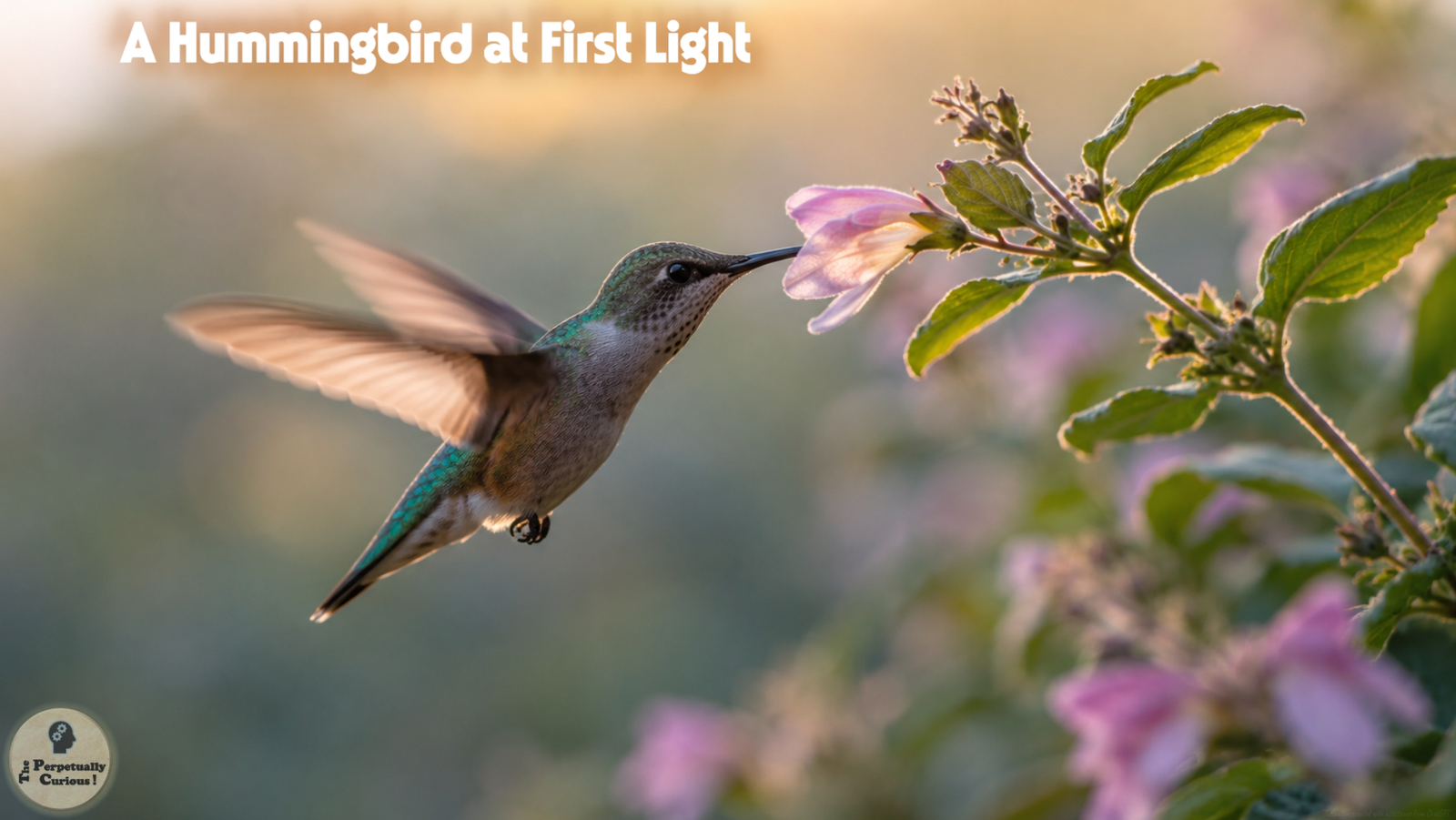
🐦 How Hummingbirds Hover: The Motion Inside Apparent Stillness
From section: The Still Body and the Moving AirTiny shifts in wing angle, stroke width, tail position, and body orientation keep the bird from drifting away from the flower.
- The Perpetually Curious! › Archives › Planet EarthArticle
🌊 Underwater Sound: How Echoes Measure Distance
From section: How echo timing becomes distance… 🌐 How SONAR Uses Sound To Map The Hidden Ocean Depths https://www.theperpetuallycurious.org/articles/underwater-sound ↗ Share this article Pass this article along to someone curious and let the learning travel.
- The Perpetually Curious! › Archives › Planet EarthArticle
🌍 Why Mud Is Brown or Black: What Wet Soil Reveals
From section: What wet ground does to colorWhat wet ground does to color In well-drained ground, oxygen can reach many of the tiny spaces around soil particles.
- The Perpetually Curious! › Archives › Wilderness & Homestead CreaturesArticle
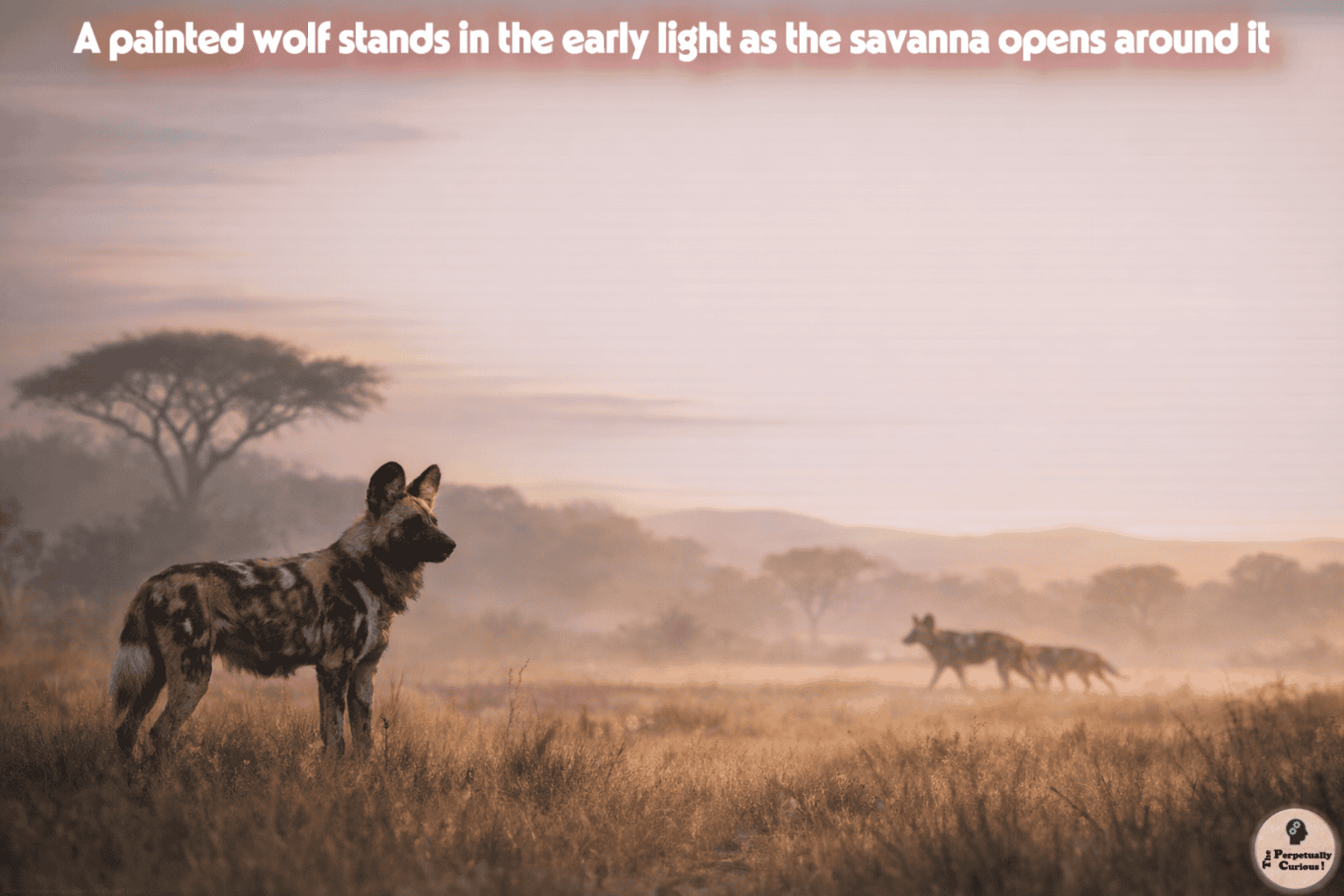
🐾 African Wild Dogs: How Their Pack Life Carries the Hunt
From section: How movement becomes a strategyA species built around travel and pack connection becomes vulnerable when habitat is broken into smaller fragments.