Explore by topic, question, or idea. Find articles, reflections, videos, puzzles, and curiosity pathways gathered across the site.
Press Enter or select Search. A newly typed query starts globally; filters are applied only through the visible rail.
9 results for “microplastics in the ocean how tiny fragments travel”
- The Perpetually Curious! › Archives › Planet EarthArticle
🌊 Harbor Wave, Ocean Pulse: The Science of Tsunamis from Seafloor to Shore
Some ocean hazards announce themselves with wind, foam, and a rising sky. A tsunami often does not. Far from shore, it may pass as a long, subtle lift, more like a slow breath than a breaking wave. Even the word “wave” can mislead, because a tsunami is not simply the surface…
- The Perpetually Curious! › Archives › Planet EarthArticle
🌊 Underwater Sound: How Echoes Measure Distance
From section: How echo timing becomes distance… 🌐 How SONAR Uses Sound To Map The Hidden Ocean Depths https://www.theperpetuallycurious.org/articles/underwater-sound ↗ Share this article Pass this article along to someone curious and let the learning travel.
- The Perpetually Curious! › Archives › Planet EarthArticle
🌍 Why Mud Is Brown or Black: What Wet Soil Reveals
From section: What wet ground does to colorWhat wet ground does to color In well-drained ground, oxygen can reach many of the tiny spaces around soil particles.
- The Perpetually Curious! › Archives › Planet EarthArticle
🌊 Why Beaches Have Sand
Rivers carry these fragments from inland landscapes toward the sea.
- The Perpetually Curious! › Archives › Planet EarthArticle
🌊 The Great Lakes: North America's Temporary Inland Seas
This blend will continue eastward, taking years to centuries more to reach the Atlantic Ocean.
- The Perpetually Curious! › Archives › Planet EarthArticle
❄️ Antarctica: Southernmost Continent’s Frozen Symphony of Silence and Light
From section: ❓ FAQWhat are the key differences between the Arctic and Antarctic? The Arctic is an ocean surrounded by continents, while Antarctica is a continent surrounded by oceans. Arctic sea ice averages 6-10 feet (2-3 meters) thick versus Antarctica's miles-thick ice sheet. …
- The Perpetually Curious! › Archives › Planet EarthArticle
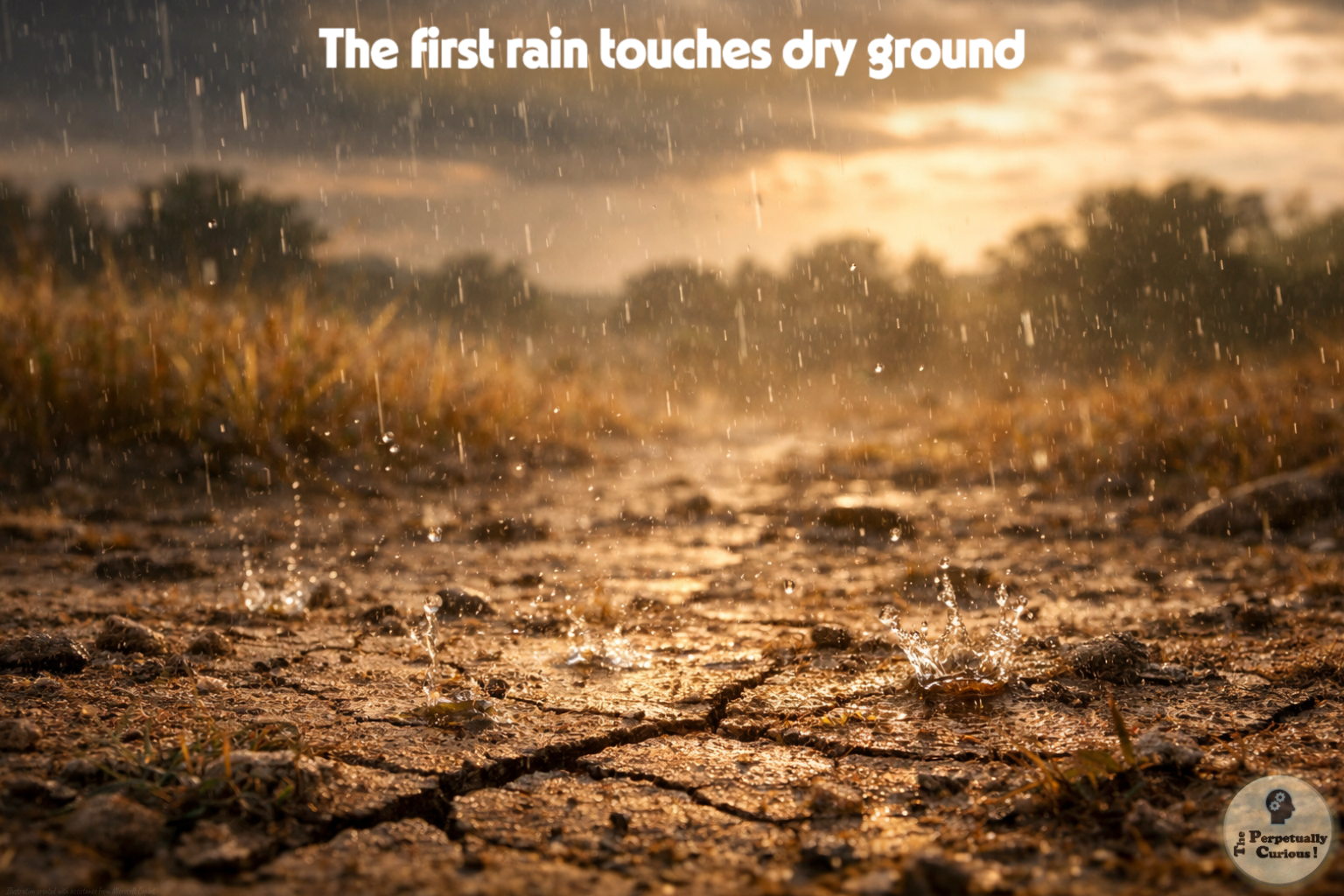
🌧️ Petrichor: How First Rain Lifts Earth’s Hidden Scent
From section: When raindrops become tiny scent liftersWhen raindrops become tiny scent lifters A raindrop hitting dry, porous ground is a small impact event.
- The Perpetually Curious! › Archives › Planet EarthArticle
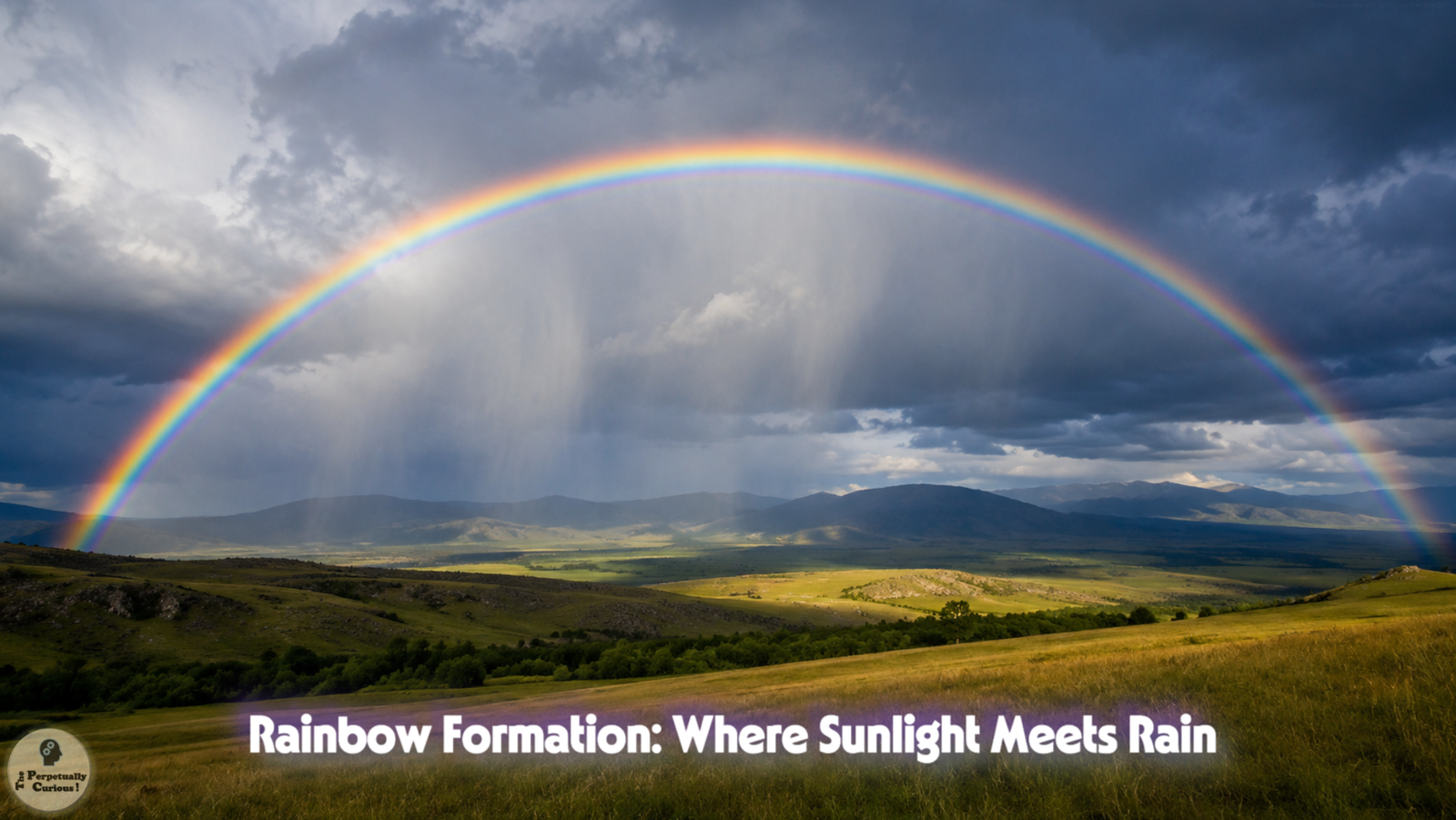
🌈 Rainbow Formation: Why Every Observer Sees a Different Arc
From section: A rainbow begins with a viewpointMost of those rays travel elsewhere.
- The Perpetually Curious! › Archives › Planet EarthArticle
🌫️ Why the Great Smoky Mountains Fade into Blue Haze
At dawn, the Great Smoky Mountains can appear less like a wall of peaks than a sequence of blue shadows. Ridge after ridge fades into the distance, while the valleys seem to hold smoke even when no fire is burning.