Explore by topic, question, or idea. Find articles, reflections, videos, puzzles, and curiosity pathways gathered across the site.
Press Enter or select Search. A newly typed query starts globally; filters are applied only through the visible rail.
13 results for “milk across cultures a journey through nature dairy diversity”
- The Perpetually Curious! › Archives › Planet EarthArticle
The Science of Snow Whiteness: A Journey Through Light and Ice ❄️
From section: Introduction ❄️Understanding why snow appears white illuminates not just winter phenomena, but the very nature of light itself.Read more »
- The Perpetually Curious! › Archives › Planet EarthArticle
❄️ Antarctica: Southernmost Continent’s Frozen Symphony of Silence and Light
From section: ❓ FAQ… What appears as snow is often just old snow being blown around by katabatic winds that in rare extremes have been recorded near 200 mph (320 km/h). To understand why this ancient snow appears brilliantly white, see our related article: ✍️ The Science of Snow Whiteness: A Journey Through Light and Ice ❄️
- The Perpetually Curious! › Archives › Planet EarthArticle
When Nature's Fury Spirals: Understanding the Science Behind Nor'easters 🌊
Few weather phenomena capture the raw power of nature quite like a nor'easter bearing down on the Eastern Seaboard. These massive storm systems, born from the collision of opposing air masses over the Atlantic, represent some of the most complex and fascinating atmospheric dynamics on Earth.
- The Perpetually Curious! › Archives › Planet EarthArticle
🌊 The Great Lakes: North America's Temporary Inland Seas
Picture yourself holding a glass of water in Chicago. That water contains a mixture of ages, with some molecules that fell as rain just years ago and others that have circulated through Lake Superior for nearly two centuries.
- The Perpetually Curious! › Archives › Planet EarthArticle
Where Earth's Temperate Logic Ends: Understanding the Arctic Circle 🌐
The Arctic Circle marks more than a line on our maps. At approximately 66.5 degrees north latitude (about 66°30′ N), this invisible boundary transforms how our planet receives light, how ecosystems function, and how humans experience the passage of time itself.
- The Perpetually Curious! › Archives › Planet EarthArticle
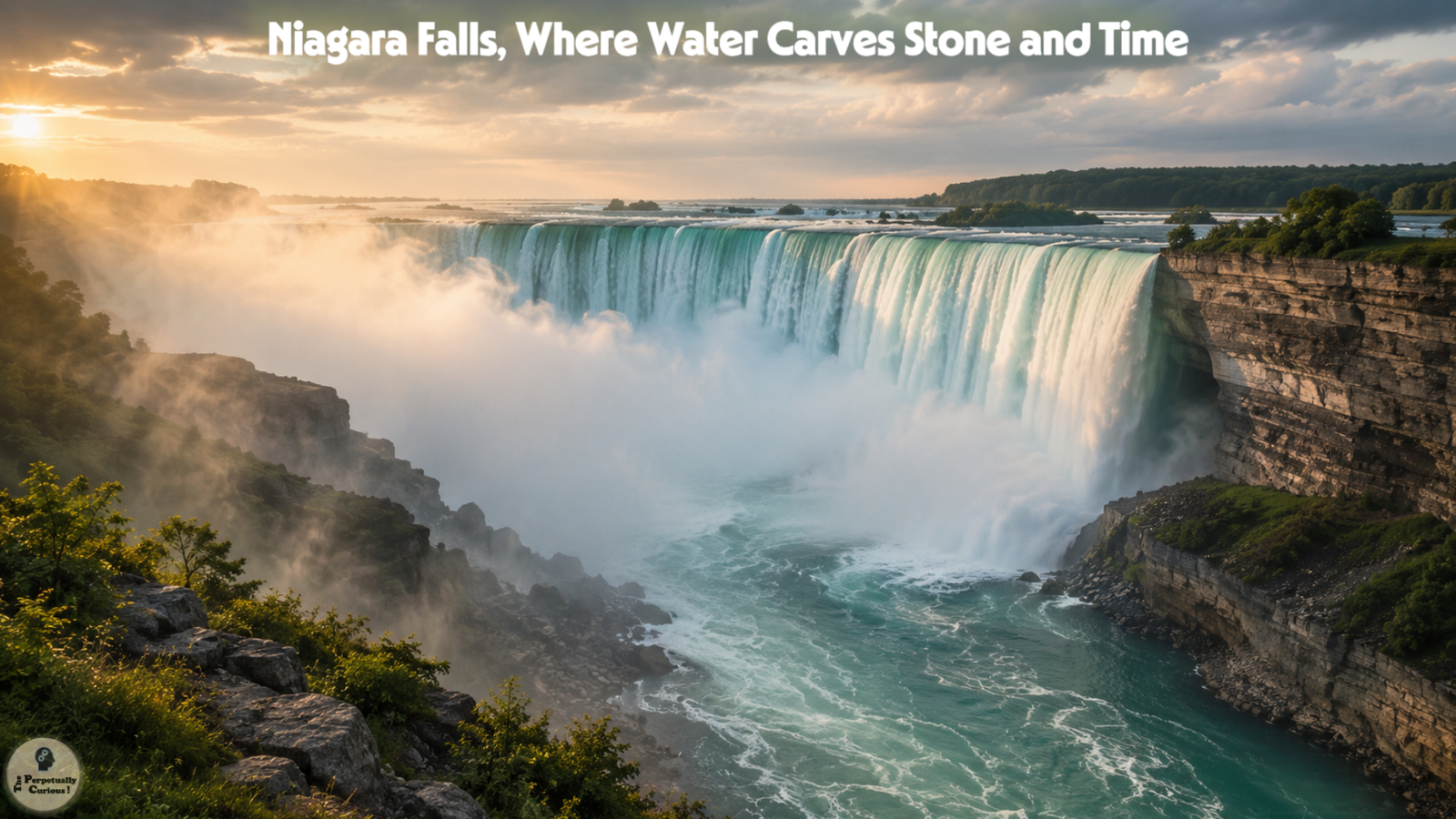
🌊 Niagara Falls Facts: How Water Turns Stone Into Time
When Niagara Falls first appears through its mist, it can feel like a single spectacular drop. But the falls are better understood as a place where a much larger water system briefly becomes visible. The water is not arriving from nowhere.
- The Perpetually Curious! › Archives › Planet EarthArticle
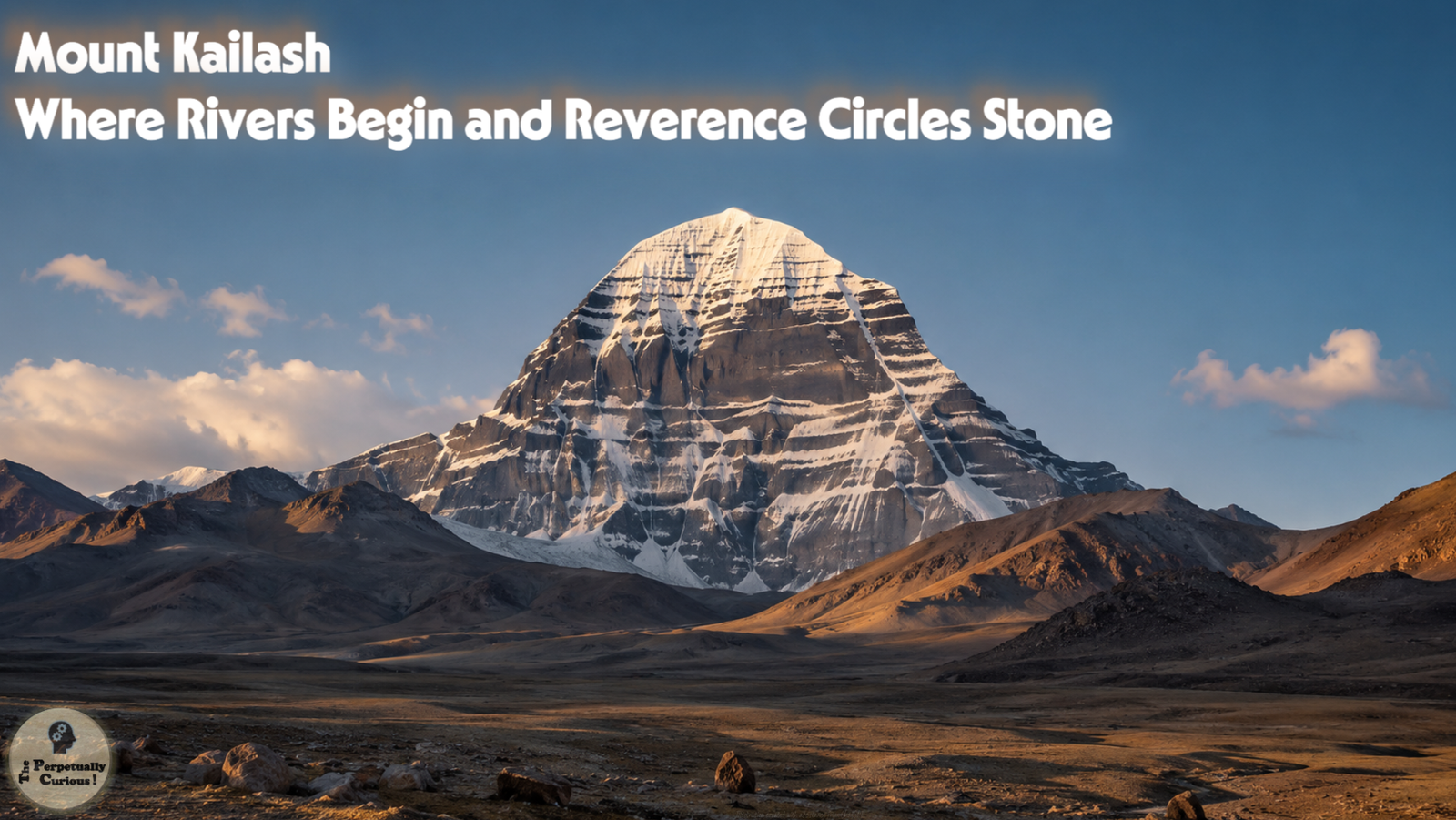
🏔️ Mount Kailash: Why a Sacred Summit Is Circled, Not Climbed
Mount Kailash is often described through reverence, but its power begins with geography. On the western Tibetan Plateau, the mountain rises as a sharply recognizable summit of snow, dark rock, and open sky. It is high, about 21,778 feet (6,638 meters), yet its significance does…
- The Perpetually Curious! › Archives › Planet EarthArticle
🌊 Why Beaches Have Sand
By the time these grains reach the coast, they have already traveled through many environments and have been shaped by long periods of motion.
- The Perpetually Curious! › Archives › Planet EarthArticle
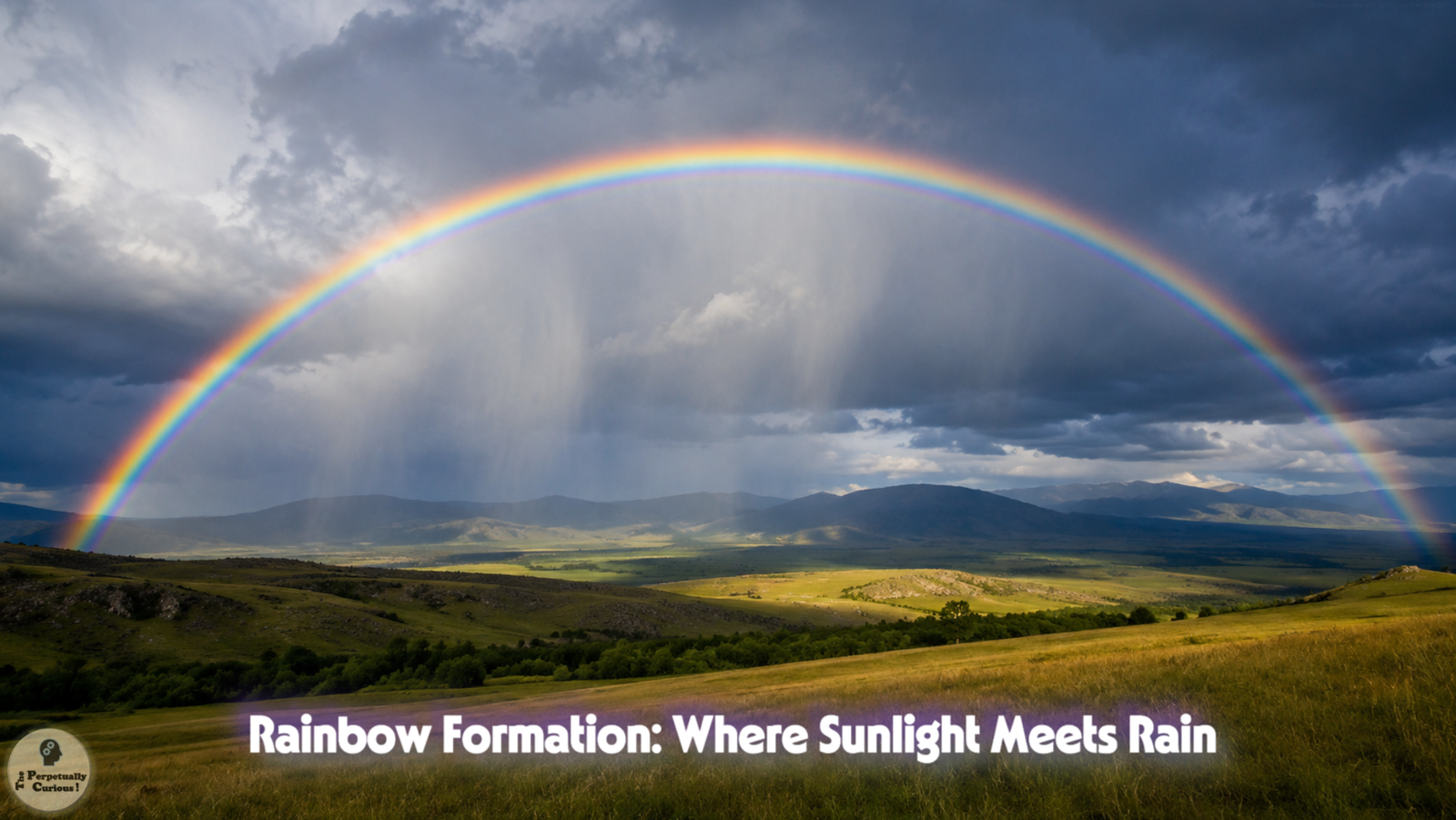
🌈 Rainbow Formation: Why Every Observer Sees a Different Arc
From section: A rainbow begins with a viewpointTheir atmospheric origin is a separate process, traced through how raindrops grow inside clouds.
- The Perpetually Curious! › Archives › Planet EarthArticle
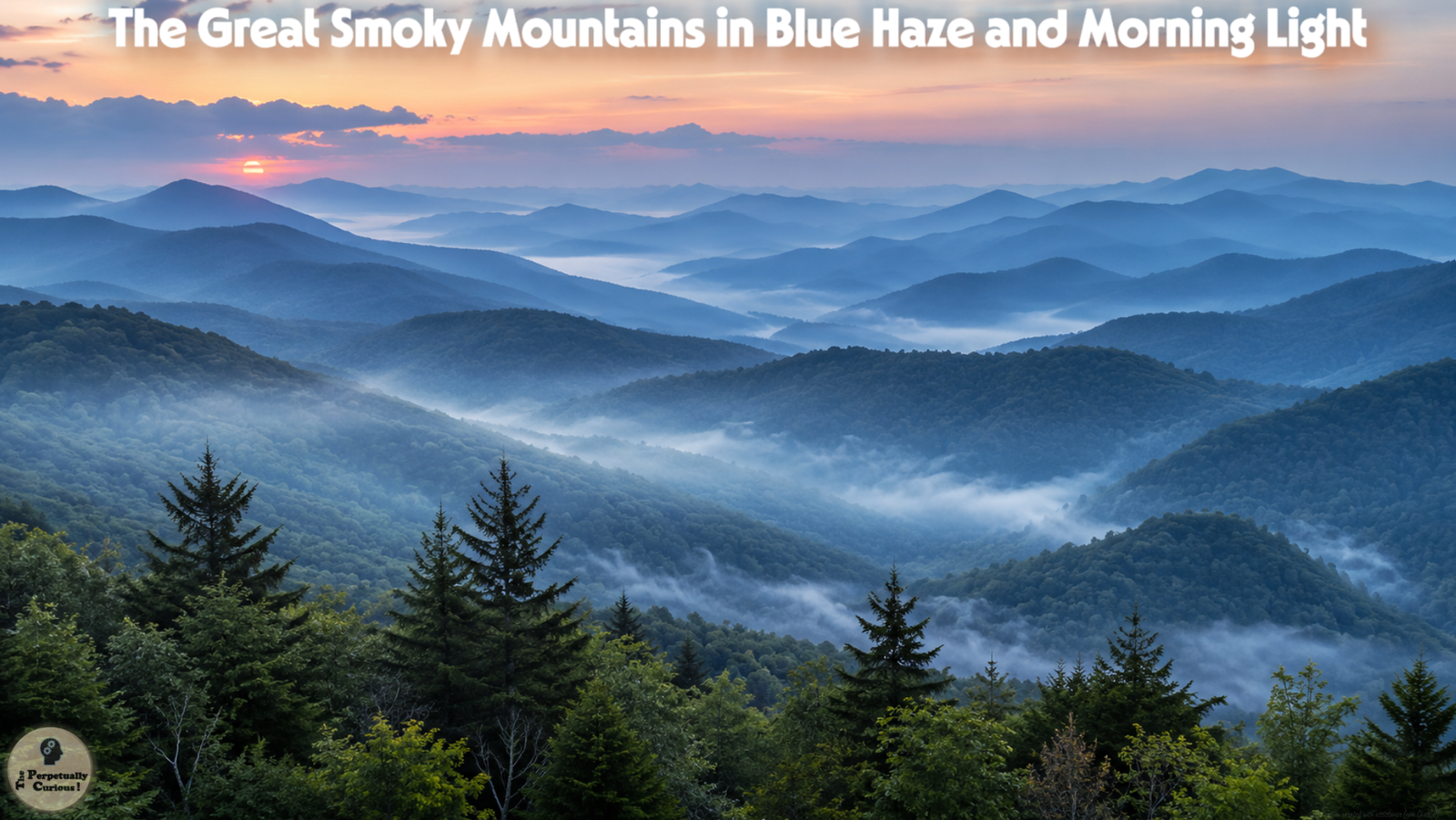
🌫️ Why the Great Smoky Mountains Fade into Blue Haze
From section: Why the ridges look blueEvery ridge viewed across a valley is seen through a deeper layer of air than the ridge before it.