Explore by topic, question, or idea. Find articles, reflections, videos, puzzles, and curiosity pathways gathered across the site.
Press Enter or select Search. A newly typed query starts globally; filters are applied only through the visible rail.
110 results for “sky in slow layers understanding earth atmospheric structure”
- The Perpetually Curious! › Archives › Cosmic ExplorationArticle
When the Sky Falls: Extraordinary Precipitation Across Our Solar System 🌧️
We call it rain when water falls from Earth's clouds, but that simple word stretches and transforms across our solar system into phenomena that challenge our earthbound vocabulary. Should we call it rain when methane cascades onto Titan's hydrocarbon shores?
- The Perpetually Curious! › Archives › Cosmic ExplorationArticle
The Cosmic Journey: Understanding Our Galactic Year 🌌
This is our galactic year, and understanding it transforms everything we thought we knew about time, permanence, and our place in the universe.Read more »
- The Perpetually Curious! › Archives › Planet EarthArticle
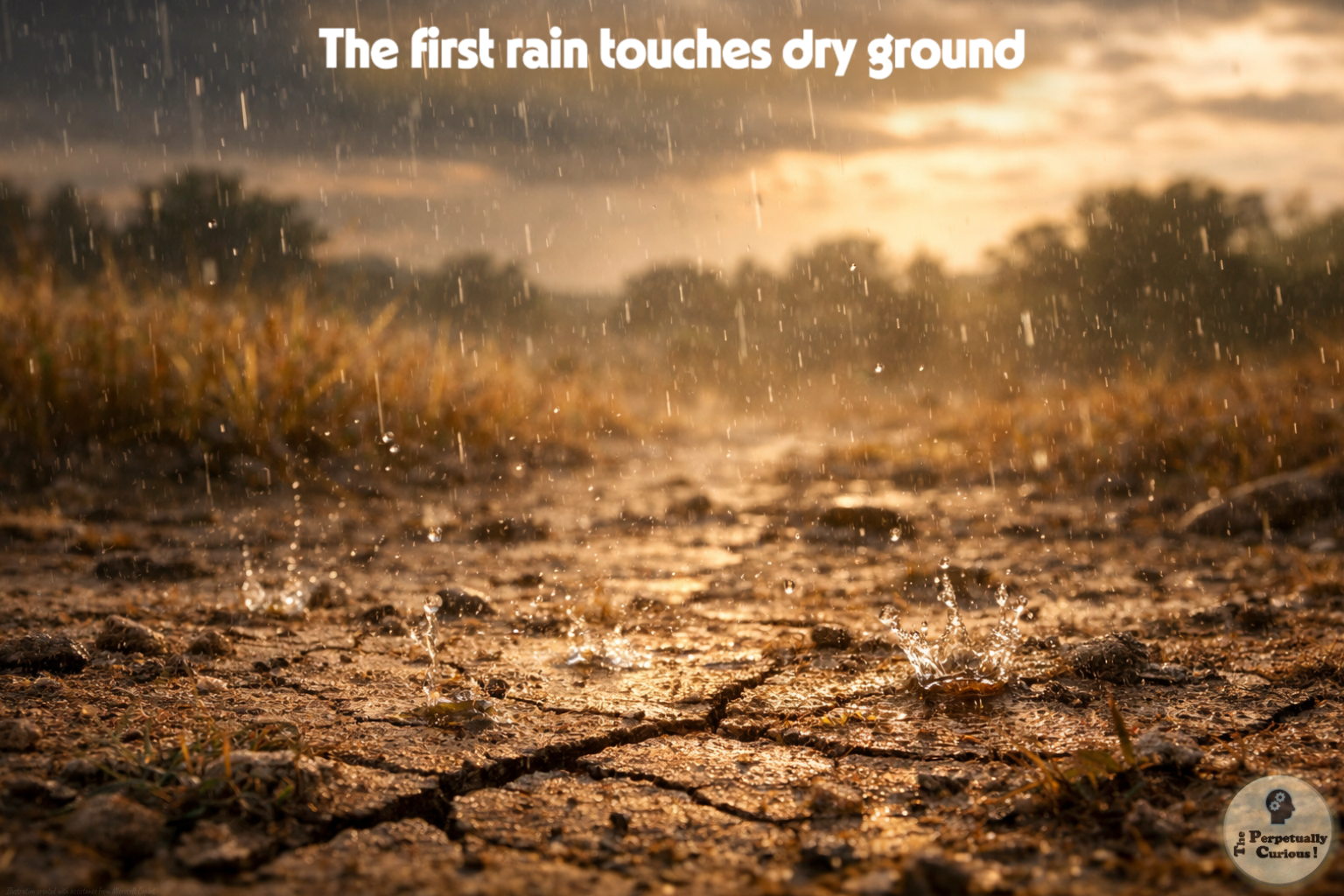
🌧️ Petrichor: How First Rain Lifts Earth’s Hidden Scent
From section: Why the scent changes from place to placeIn the wider Planet Earth collection, this kind of everyday observation sits beside larger patterns of weather, soil, water, and atmosphere.
- The Perpetually Curious! › Archives › Cosmic ExplorationArticle
🌌 When Stars Become Worlds: A Journey Through the Largest Stars We Know
The largest stars in the universe are not simply scaled-up versions of the Sun. They are vast, unstable, and luminous structures whose outer layers drift in slow, turbulent motion. Their atmospheres are so extended that the idea of a clear surface begins to dissolve into gradients of thinning gas.
- The Perpetually Curious! › Archives › Planet EarthArticle
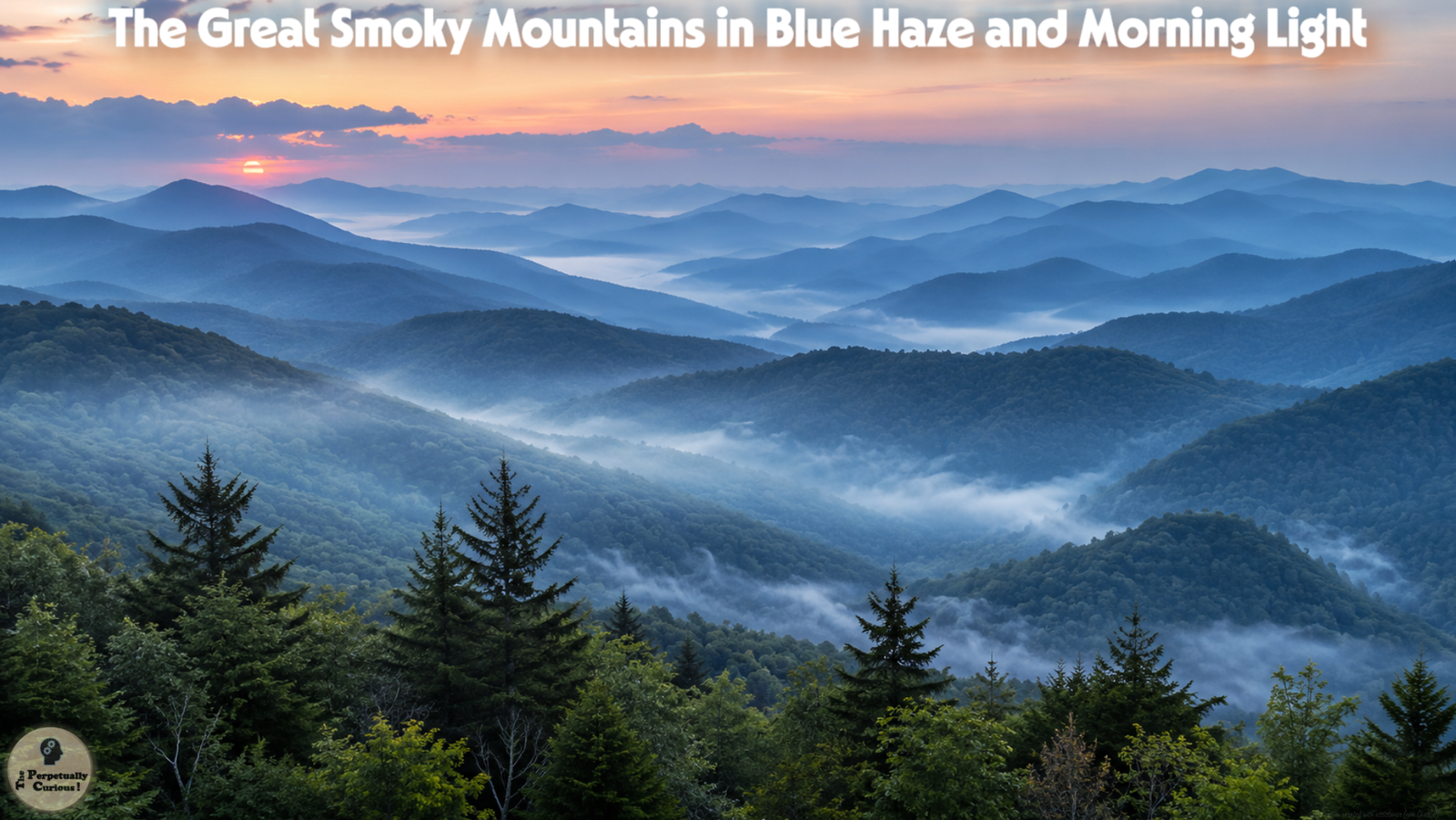
🌫️ Why the Great Smoky Mountains Fade into Blue Haze
From section: A landscape that seems to breatheAfter changing weather, the same overlook can move from sharply defined slopes to soft layers that seem to dissolve into the sky.
- The Perpetually Curious! › Archives › Planet EarthArticle
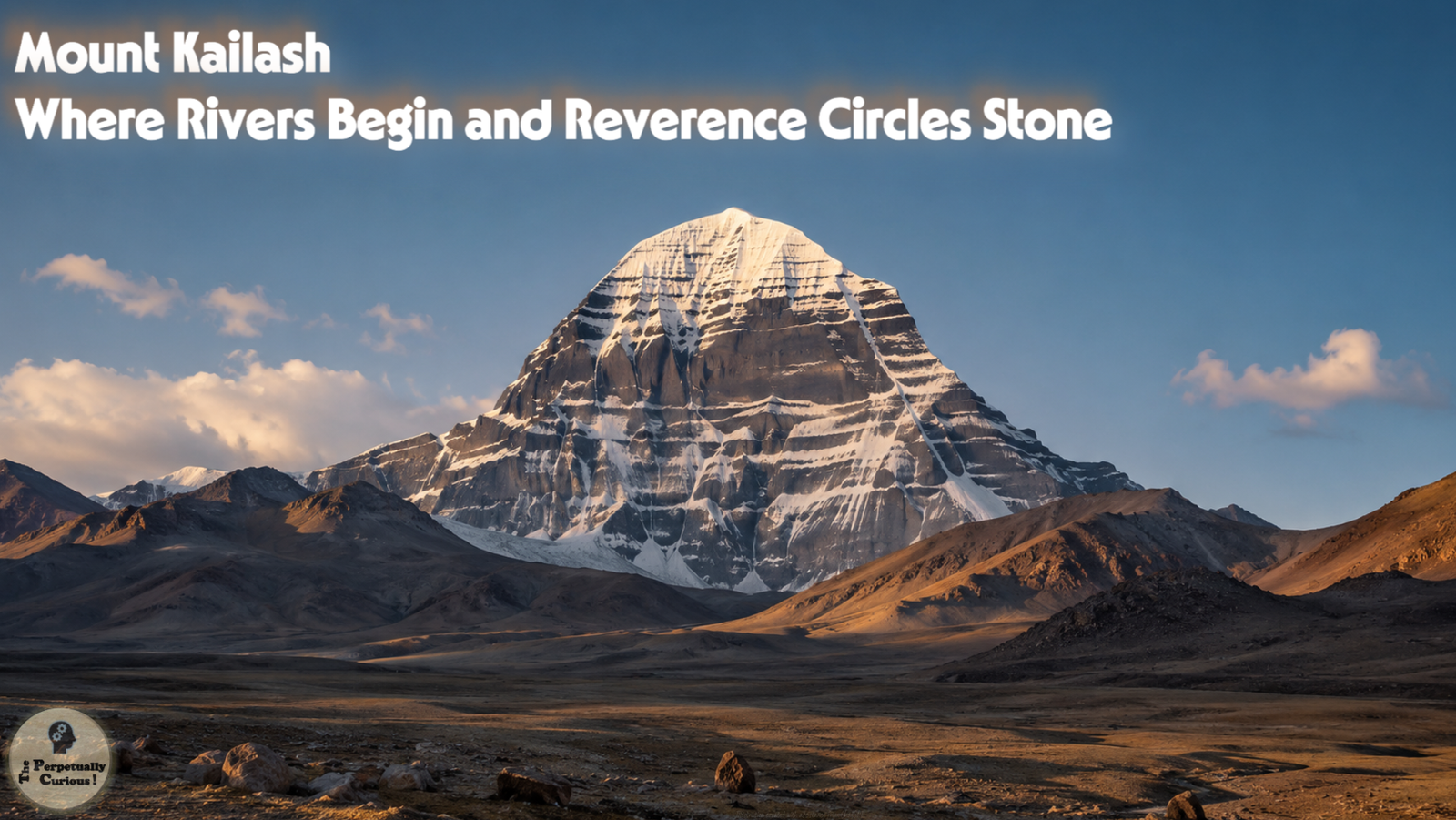
🏔️ Mount Kailash: Why a Sacred Summit Is Circled, Not Climbed
Mount Kailash is often described through reverence, but its power begins with geography. On the western Tibetan Plateau, the mountain rises as a sharply recognizable summit of snow, dark rock, and open sky. It is high, about 21,778 feet (6,638 meters), yet its significance does…
- The Perpetually Curious! › Archives › Planet EarthArticle
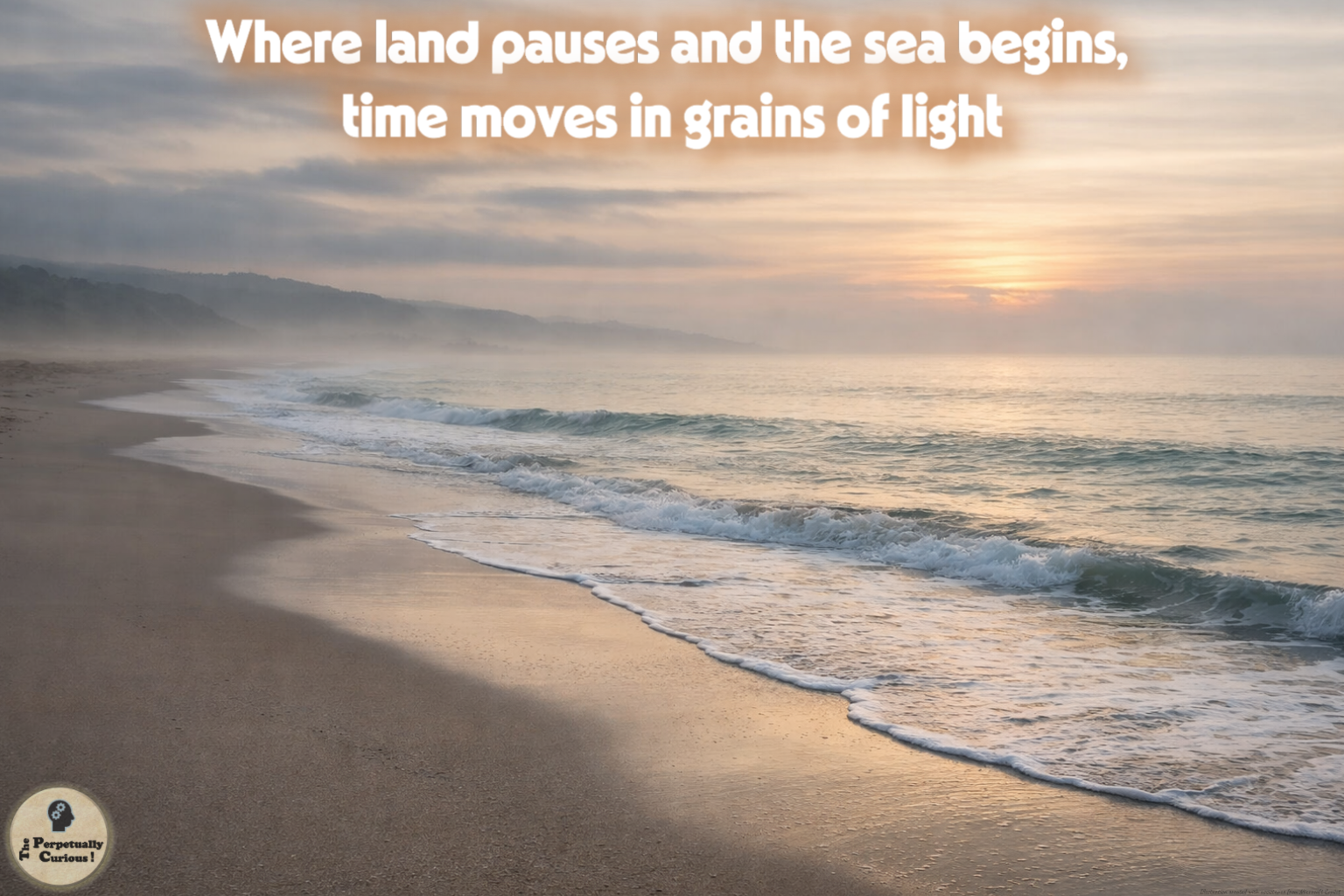
🌊 Why Beaches Have Sand
Beaches often appear simple at first glance. They seem like a narrow place where land and water meet. Yet the presence of sand along so many coastlines is the result of long journeys, slow transformations, and the combined work of rivers, weather, and waves.
- The Perpetually Curious! › Archives › Cosmic ExplorationArticle
🌌 The Silent Storm Above: Understanding Our Orbital Debris Challenge
The night sky appears serene and infinite, yet beyond our atmosphere swirls an invisible tempest of our own making. ESA estimates about 140 million debris fragments in the 0.04 to 0.4 inch (1 mm to 1 cm) range, plus about 1.2 million objects between 0.4 and 4 inches (1 to 10…
- The Perpetually Curious! › Archives › PhysicsArticle
Why Starlight Does Not Mix: How the Night Sky Keeps Each Star’s Signature Intact ✨🌌
Step outside on a clear night and look up. Light arrives from so many distant suns that the sky can feel like a single luminous fabric, stitched from countless journeys. It is natural to wonder what happens along the way.
- The Perpetually Curious! › Archives › Cosmic ExplorationArticle
The Moon's Ancient Dance: Understanding Lunar Phases Through Science and Story 🌙
Every approximately 29.5 days, Earth’s sole natural satellite completes a shape-shifting performance that has captivated humanity since our species first gazed skyward.