Explore by topic, question, or idea. Find articles, reflections, videos, puzzles, and curiosity pathways gathered across the site.
Press Enter or select Search. A newly typed query starts globally; filters are applied only through the visible rail.
125 results for “small islands in the skin why moles form and why most stop growing”
- The Perpetually Curious! › Archives › History, Arts, and CultureArticle
The Algorithm of Ancient Wisdom: How Tamil Poetry Became Humanity's Most Elegant Ethical Code 📜
Sometime between the late centuries BCE and the early centuries CE, a Tamil poet in ancient India crafted what would become one of humanity’s most enduring ethical texts.
- The Perpetually Curious! › Archives › History, Arts, and CultureArticle
🌿 Why Henna Stains Fingertips More Deeply Than Other Skin
From section: The stain does not simply sit on the skinThe stain does not simply sit on the skin Henna leaves contain lawsone, an orange-red pigment that becomes available when the leaves are crushed or ground and prepared as a paste.
- The Perpetually Curious! › Archives › Botanical WondersArticle
🎍 Rising Fast: The Skyward Wonder of Asian Bamboo
🌱 A Botanical Marvel Bamboo has long been celebrated as a symbol of strength and flexibility, but it also holds a rare distinction in the plant kingdom: it is among the fastest-growing land plants.
- The Perpetually Curious! › Archives › Biology & HealthArticle
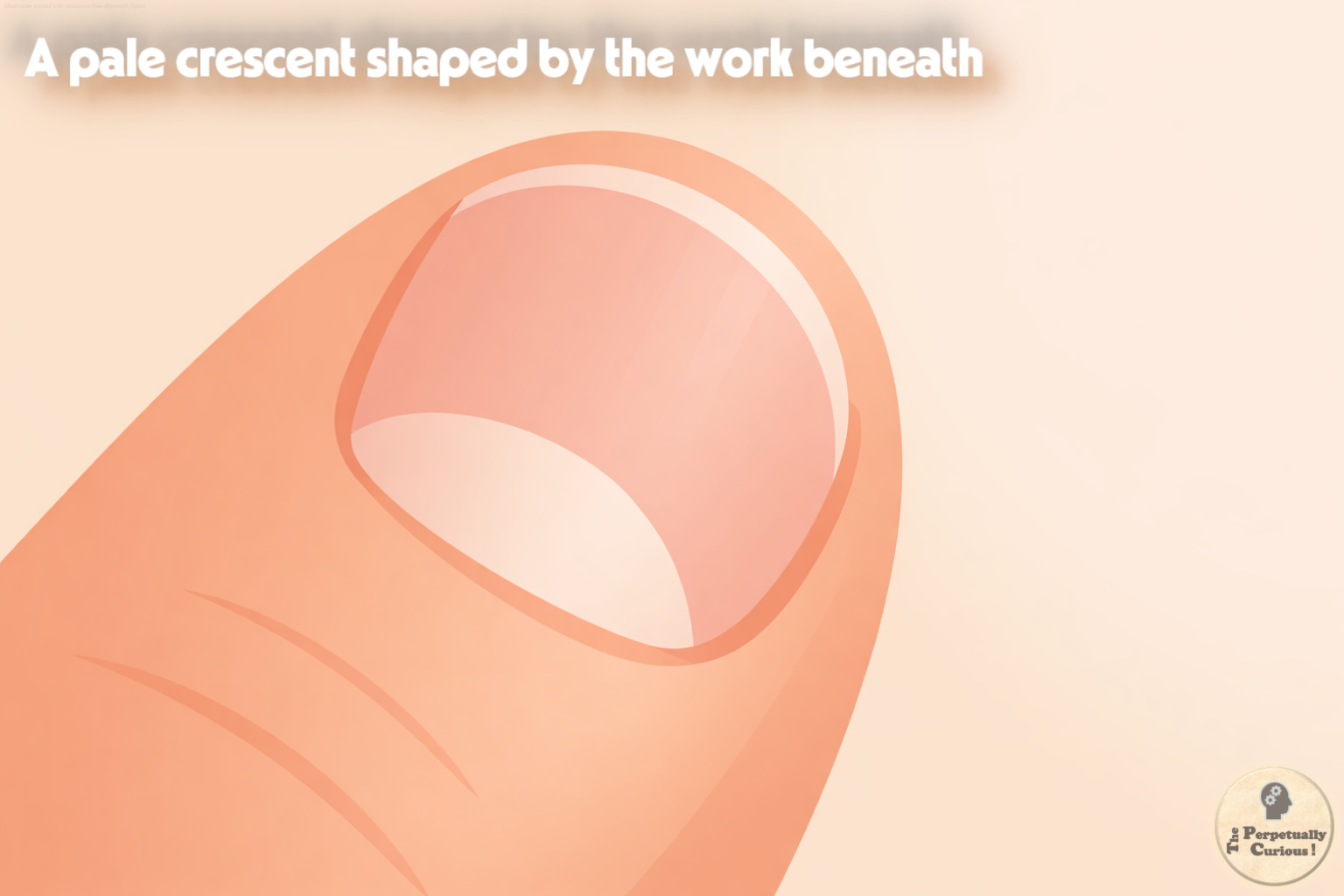
🌙 White Half Moon on Nails: The Quiet Growth Zone Beneath
At the base of some fingernails, a pale crescent appears like a small moon partly tucked under the skin. It may be broad and clear on the thumb, faint on another finger, or almost absent from view.
- The Perpetually Curious! › Archives › Environment & SustainabilityArticle
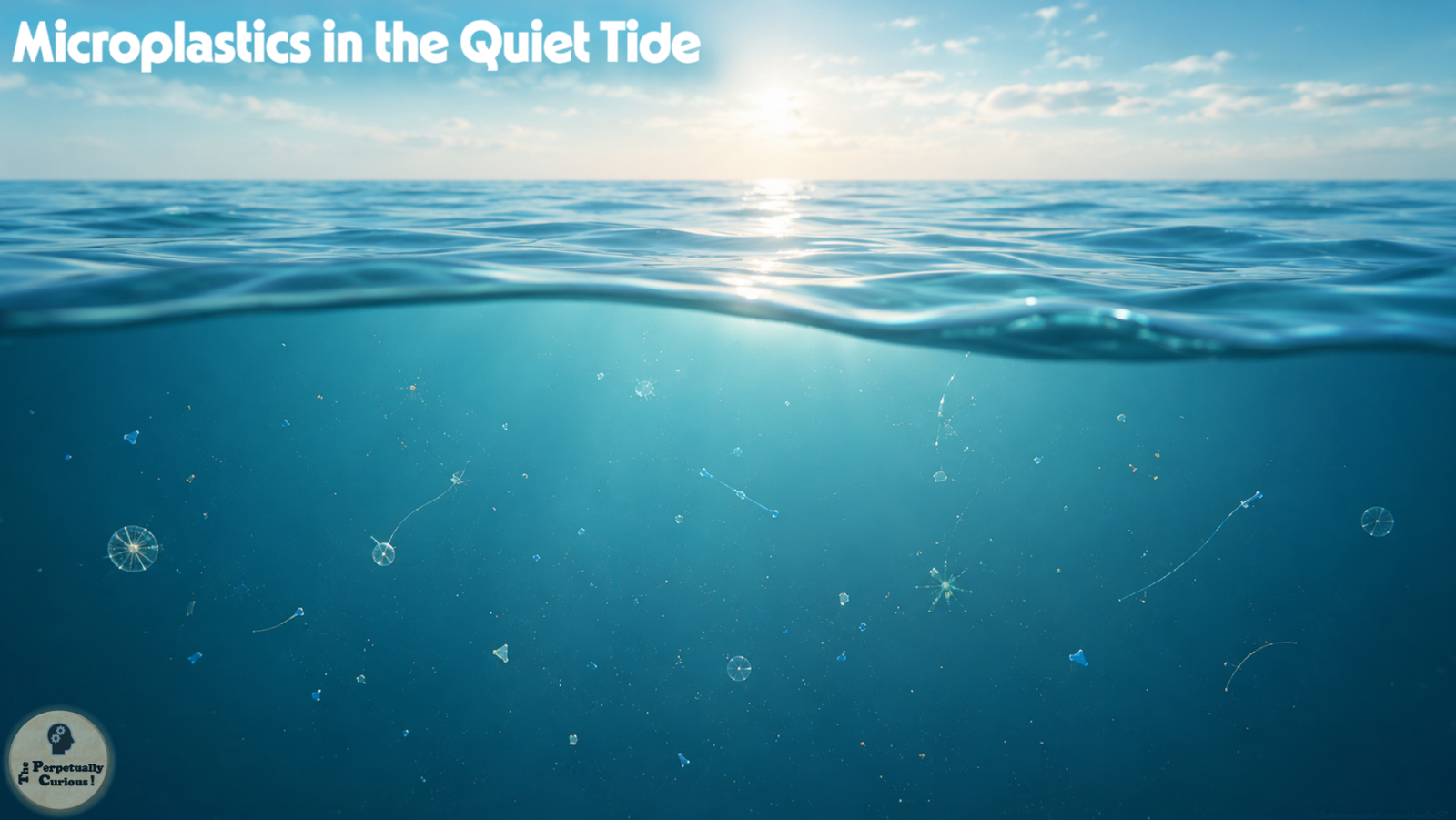
🌊 Microplastics in the Ocean: How Tiny Fragments Travel
From section: A small material with a long routeA small material with a long route The route from land to sea often begins quietly.
- The Perpetually Curious! › Archives › PhysicsArticle
✨ Clean Chemistry: The Curious Physics Behind Soap Bubbles
From section: 🧪 Amphiphilic Molecules at WorkFor most soaps, this threshold is just a few millimoles per liter (typically in the 1–10 mM range), though the exact value depends on the type of soap, the presence of salts, and the temperature of the solution.
- The Perpetually Curious! › Archives › PhysicsArticle
The Cosmic Recipe: Understanding the Physical Criteria for Star Formation 🌟
Opening the Cosmic Kitchen 🌌 In the vast expanse of our universe, where darkness stretches for light-years and cold reigns supreme, something extraordinary happens. Stars are born. This process, far from being a simple ignition, represents one of nature's most complex and beautiful phenomena.
- The Perpetually Curious! › Archives › Cosmic ExplorationArticle
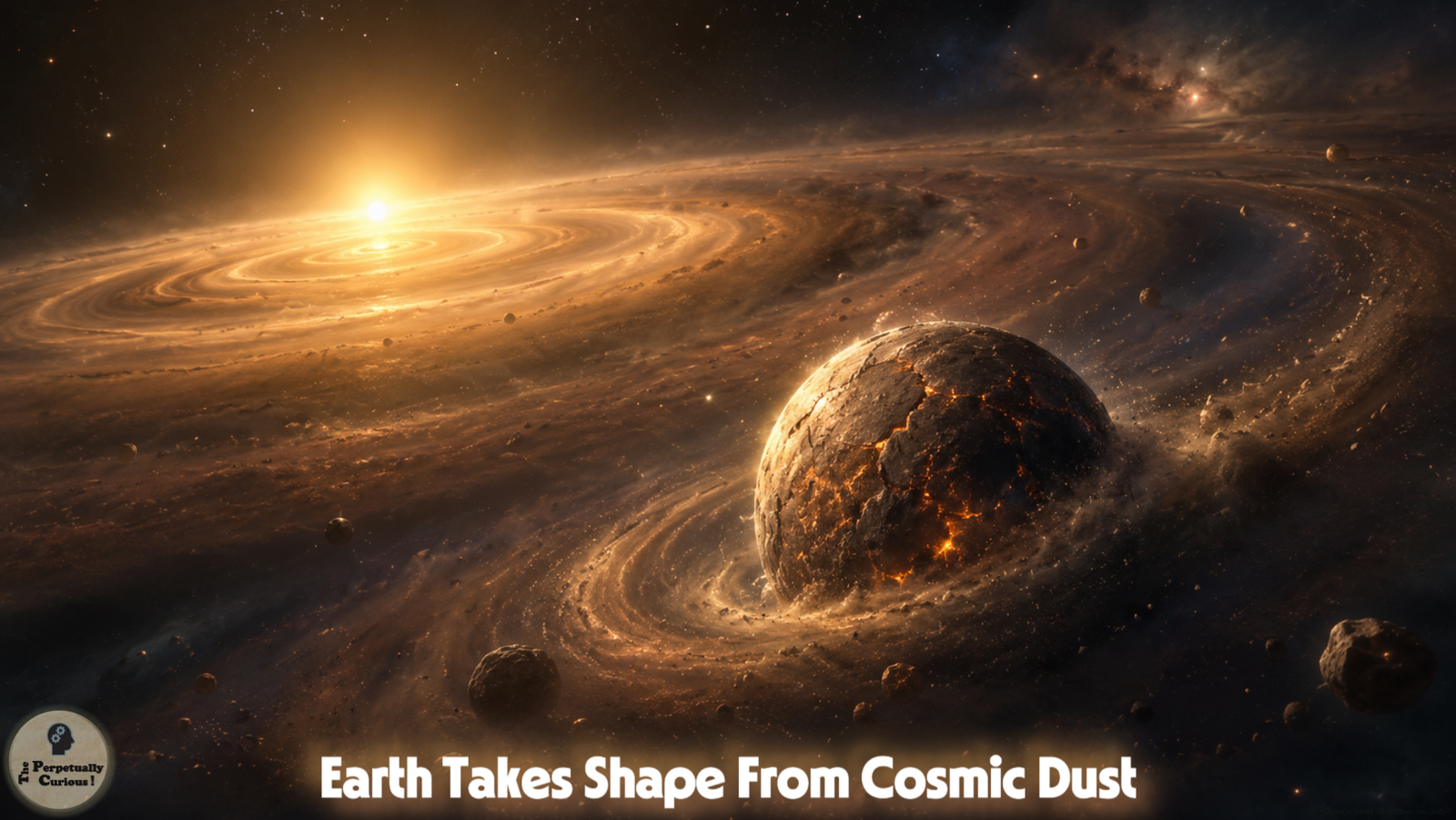
🌍 How Earth Formed: The Slow Assembly of a Young Rocky World
Earth formed through accretion, a long process in which small pieces met, combined, and gradually built larger bodies.
- The Perpetually Curious! › Archives › Planet EarthArticle
❄️ Antarctica: Southernmost Continent’s Frozen Symphony of Silence and Light
From section: ❓ FAQ… Yes, but visits are strictly regulated under the Antarctic Treaty System. Most tourists arrive via expedition cruise ships from South America. Recent seasons have seen visitor numbers ranging from tens of thousands to over 100,000 annually. …
- The Perpetually Curious! › Archives › Wilderness & Homestead CreaturesArticle
🐧 Penguin Diversity: Exploring Species, Adaptations, and Habitats
Prelude: Beyond the Ice When most people picture penguins, they imagine black and white birds waddling across Antarctic ice. But the truth is far richer. Penguins are classified into about eighteen species across six genera: great, brush tailed, crested, banded, little, and yellow eyed.