Explore by topic, question, or idea. Find articles, reflections, videos, puzzles, and curiosity pathways gathered across the site.
Press Enter or select Search. A newly typed query starts globally; filters are applied only through the visible rail.
10 results for “small islands in the skin why moles form and why most stop growing”
- The Perpetually Curious! › Archives › PhysicsArticle
✨ Clean Chemistry: The Curious Physics Behind Soap Bubbles
From section: 🧪 Amphiphilic Molecules at WorkFor most soaps, this threshold is just a few millimoles per liter (typically in the 1–10 mM range), though the exact value depends on the type of soap, the presence of salts, and the temperature of the solution.
- The Perpetually Curious! › Archives › PhysicsArticle
The Cosmic Recipe: Understanding the Physical Criteria for Star Formation 🌟
Opening the Cosmic Kitchen 🌌 In the vast expanse of our universe, where darkness stretches for light-years and cold reigns supreme, something extraordinary happens. Stars are born. This process, far from being a simple ignition, represents one of nature's most complex and beautiful phenomena.
- The Perpetually Curious! › Archives › PhysicsArticle
⚗️ The Invisible Revolution: Understanding the Ancient Art and Modern Science of Glass Manufacturing
Where Sand Becomes Transparent 🏛️ Glass surrounds us so completely that we rarely pause to consider its profound mystery. This transparent solid, neither truly liquid nor conventionally crystalline, represents one of humanity's most transformative discoveries.
- The Perpetually Curious! › Archives › PhysicsArticle
⚖️ Solar Luminosity: The Universal Stellar Power Scale
☀️ Every second, our Sun unleashes energy equivalent to 1.8 billion Tsar Bombas, the most powerful nuclear weapon ever detonated. Yet this cosmic violence sustains all earthly life through a number that has become astronomy's gold standard: 3.828×10²⁶ watts.
- The Perpetually Curious! › Archives › PhysicsArticle
🔬 The Light That Sees Through You: How X-Rays Illuminate the Hidden World Within
On the evening of November 8, 1895, a quiet laboratory in Würzburg, Germany, became the setting for one of science's most luminous accidents. Wilhelm Conrad Röntgen, a methodical and deeply curious physicist, had been experimenting with cathode ray tubes, which were sealed glass…
- The Perpetually Curious! › Archives › PhysicsArticle
🌌 Tuning Into the Universe: The Hidden Symphony of Radio Waves
🌌 What the name really means Radio astronomy is the study of radio waves naturally emitted by the universe. These waves are not sound but a form of light, electromagnetic radiation that travels at the same speed in vacuum as visible light. They are part of one continuous…
- The Perpetually Curious! › Archives › PhysicsArticle
🦈 Why Do Sharks Float? The Science Behind Their Buoyancy
🌊 Opening Dive Sharks are among the ocean’s most formidable creatures, yet they face a unique challenge: staying afloat without the gas‑filled swim bladders used by most bony fishes.
- The Perpetually Curious! › Archives › PhysicsArticle
🚀⚡ Pioneering Power in Deep Space: The Essential Role of Radioisotope Thermoelectric Generators (RTGs)
Far beyond the reach of strong sunlight, some of humanity’s greatest explorers rely on one of the most dependable power sources ever built: Radioisotope Thermoelectric Generators (RTGs).
- The Perpetually Curious! › Archives › PhysicsArticle
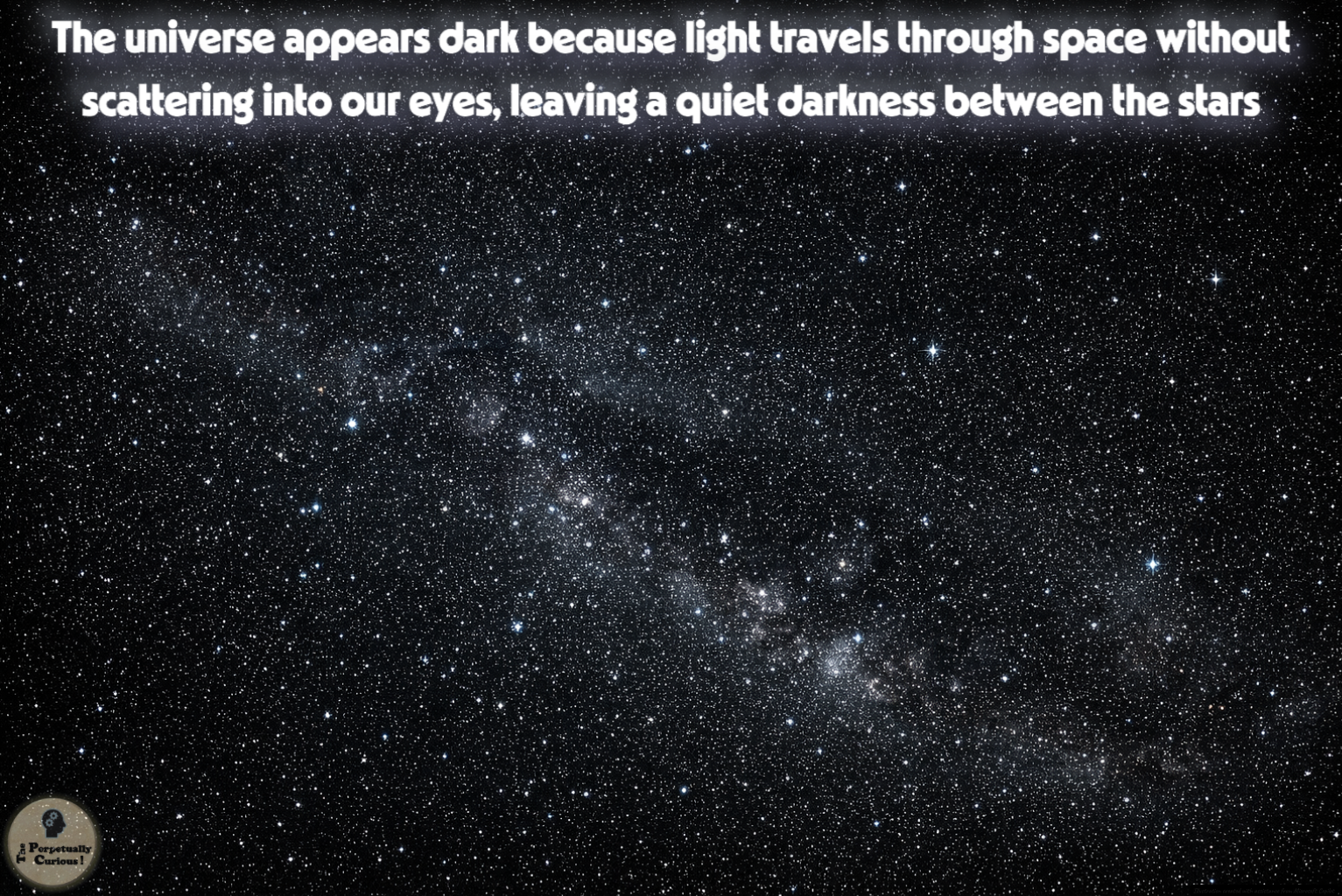
🌌 Why Space Looks Dark: Light, Matter, and the Quiet Cosmos
From section: How light becomes visibleIt is a sign that most of the light is passing through without being redirected toward us.
- The Perpetually Curious! › Archives › PhysicsArticle
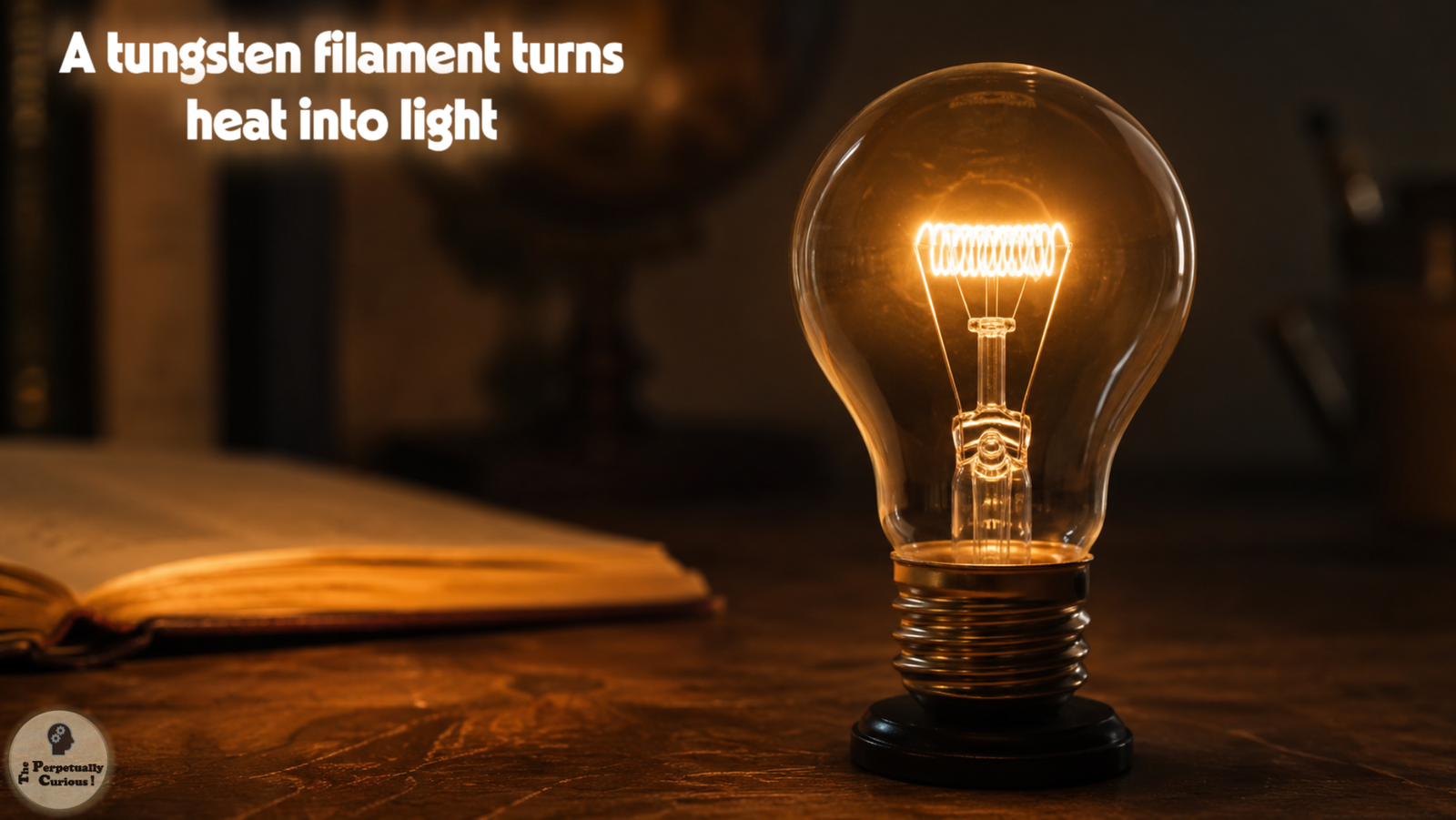
💡 How an Incandescent Filament Turns Resistance into Warm Light
An incandescent bulb seems to awaken all at once. The switch closes, the filament brightens, and a room takes on a warm amber cast. Inside the glass, however, the change is not sudden magic.