Explore by topic, question, or idea. Find articles, reflections, videos, puzzles, and curiosity pathways gathered across the site.
Press Enter or select Search. A newly typed query starts globally; filters are applied only through the visible rail.
223 results for “small islands in the skin why moles form and why most stop growing”
- The Perpetually Curious! › Archives › Wilderness & Homestead CreaturesArticle
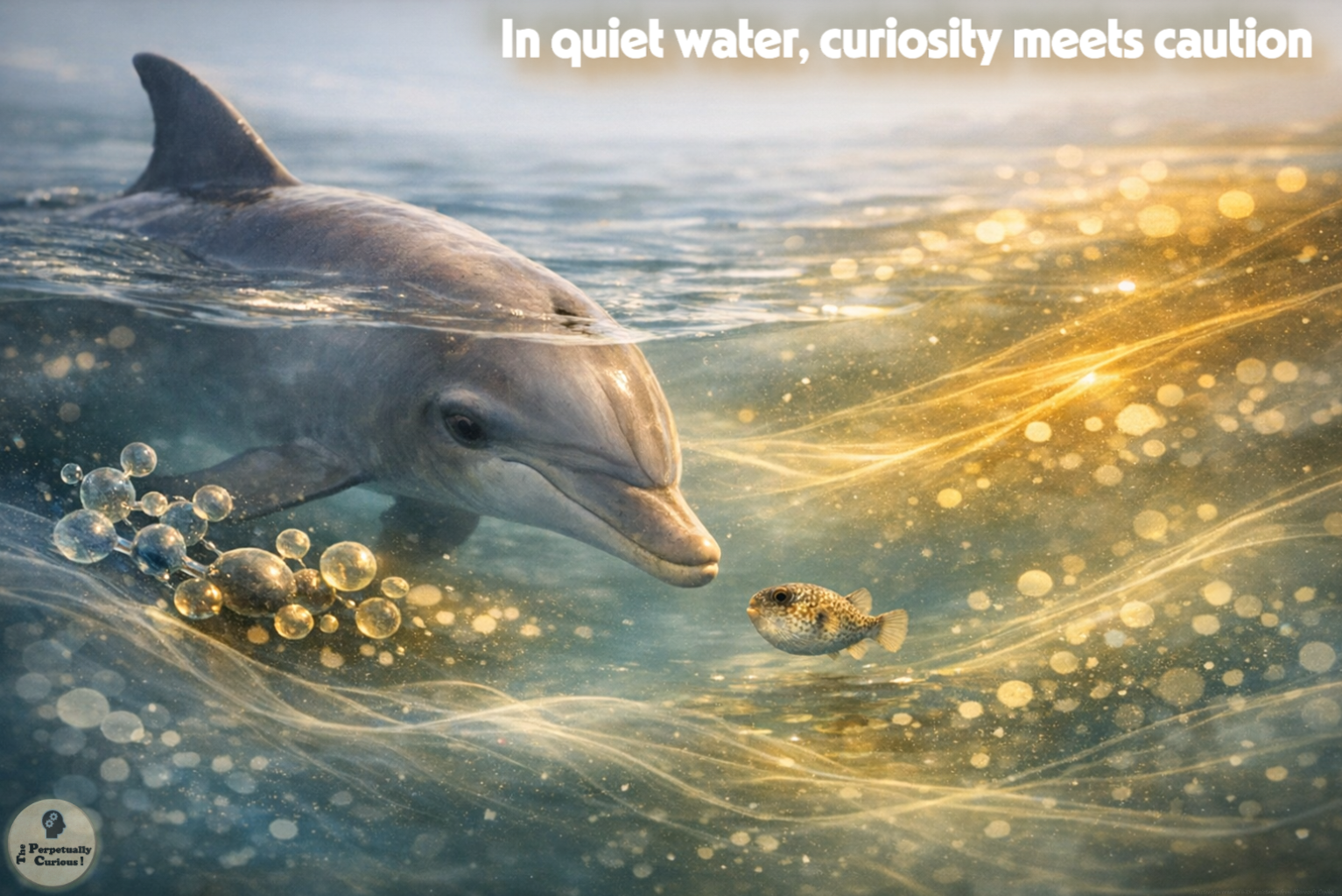
🧪 Animal Chemical Encounters: When Molecules Shape Behavior
In the sea, a chemical encounter can begin before a chase, a bite, or a sound. A molecule released from skin, mucus, food, or water can change what an animal notices, how it moves, and whether it keeps investigating. To human eyes, the moment may look like simple curiosity.
- The Perpetually Curious! › Archives › Botanical WondersArticle
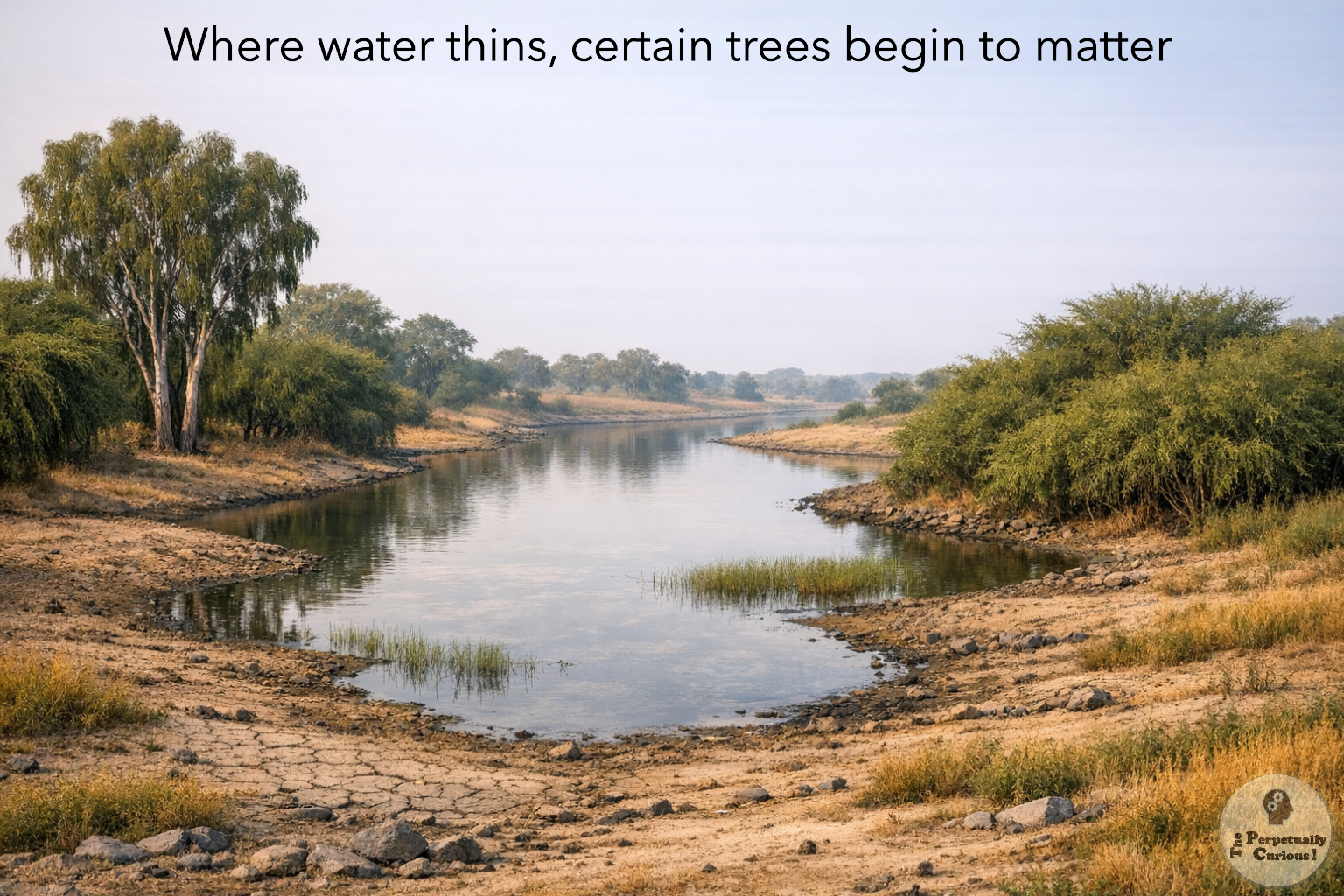
💧 Seasonal Ponds and Root Depth in South India
Seasonal ponds often look still from a distance, yet their edges can hold some of the most active negotiations in a dry landscape. In parts of South India, stored rainwater, shallow aquifers, dry soil, and plant roots meet in a narrow zone where each season leaves its mark.
- The Perpetually Curious! › Archives › Wilderness & Homestead CreaturesArticle
🐝🌸 Pollinators: The Silent Architects of Our Food and Ecosystems
🐝🦋🦇🐦 About one in every three bites of food we eat exists thanks to pollinators. Here is why they are essential to both ecosystems and economies. 🌸 Introduction Pollination is a fundamental biological process in the sexual reproduction of flowering plants.
- The Perpetually Curious! › Archives › Botanical WondersArticle
Golden, Red, and Blue: A Journey Through the Many Lives of Bananas 🍌
A banana often appears simple at first glance, a familiar curve of yellow fruit resting quietly on a kitchen counter. Yet this everyday presence conceals a world of colors, histories, and cultural meanings that stretch across continents and centuries.
- The Perpetually Curious! › CanonicalGateway
🐣 Baby Animals Series | ▶️ Videos
Small beginnings in a much larger world Early life takes many forms across the animal world. The Baby Animals Series follows cubs, calves, joeys, chicks, pups, foals, fawns, and other young creatures as they begin moving, feeding, learning, playing, and finding their place…
- The Perpetually Curious! › CanonicalGateway
🛣️ When the Direct Route Costs More: What Toll-Free Roads Can Teach Us About Spaceflight
A navigation app may offer two ways to reach the same destination. One is faster and uses a toll road. The other avoids the toll, adds distance or time, and saves money. Neither route is automatically “better.” The choice depends on what matters most. Interplanetary flight can…
- The Perpetually Curious! › CanonicalGateway
🔎 Fingerprints and Palm Lines: Why Two Hand Patterns Took Different Paths
Look closely at an open hand and two different kinds of pattern appear at once. Fine friction ridges cover the fingertips and continue across the palm, while broader creases cross the skin where the hand folds. Both begin taking shape before birth, but fingerprint ridges and…
- The Perpetually Curious! › CanonicalGateway
✋ When the Planets Entered the Palm: Why Some Palmistry Traditions Read the Hand Astrologically
A palm can be described in anatomical terms: folds, pads, ridges, joints, and skin shaped by development and movement. Yet in some palmistry traditions, the same hand becomes a symbolic map.
- The Perpetually Curious! › CanonicalGateway
✦ Curiosity Vignettes
From section: A Distinct Form Within The Perpetually Curious!The Curiosity Vignettes lane belongs to the wider publishing landscape of The Perpetually Curious! while retaining a clear editorial role.
- The Perpetually Curious! › Archives › Planet EarthArticle
🌫️ Why the Great Smoky Mountains Fade into Blue Haze
From section: The forest helps make the hazeOnce these compounds enter the air, some react with oxygen and other atmospheric chemicals, contributing to extremely small organic particles that remain suspended as aerosols.