Explore by topic, question, or idea. Find articles, reflections, videos, puzzles, and curiosity pathways gathered across the site.
Press Enter or select Search. A newly typed query starts globally; filters are applied only through the visible rail.
25 results for “the art and science of bonsai crafting living harmony in miniature trees”
- The Perpetually Curious! › Archives › Planet EarthArticle
🌊 Underwater Sound: How Echoes Measure Distance
From section: Why sound carries the first clueThose variations matter deeply in the full science of underwater acoustics, but the entry point is direct: if the speed of sound is known closely enough, the travel time of an echo can be used as a measuring tool.
- The Perpetually Curious! › Archives › Planet EarthArticle
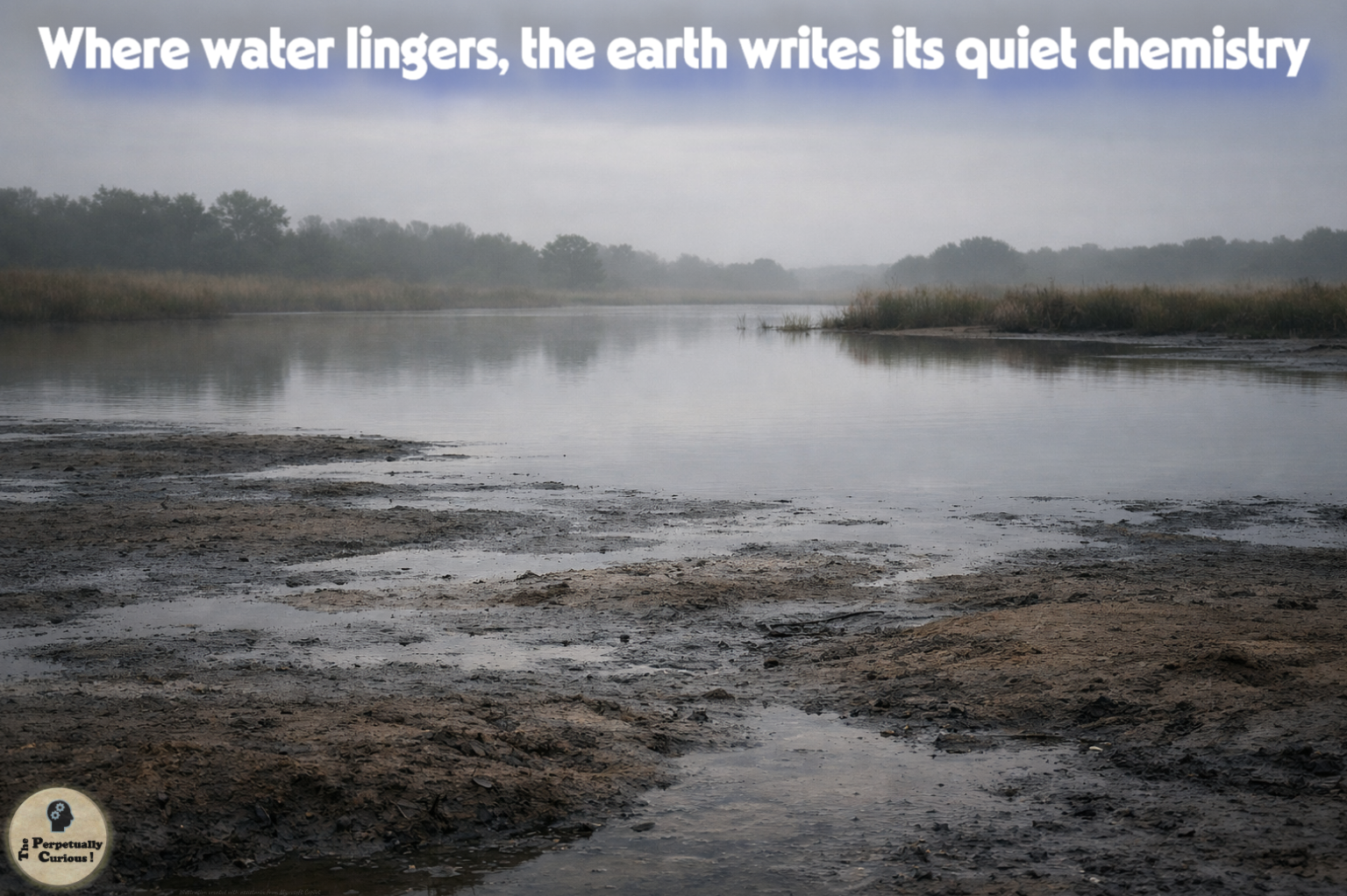
🌍 Why Mud Is Brown or Black: What Wet Soil Reveals
From section: Why the darker ground is not just darkerThe complete version on the main site follows the broader chain through deeper mechanisms, supporting visuals, Did You Know notes, FAQ, and related Earth science links. …
- The Perpetually Curious! › Archives › Planet EarthArticle
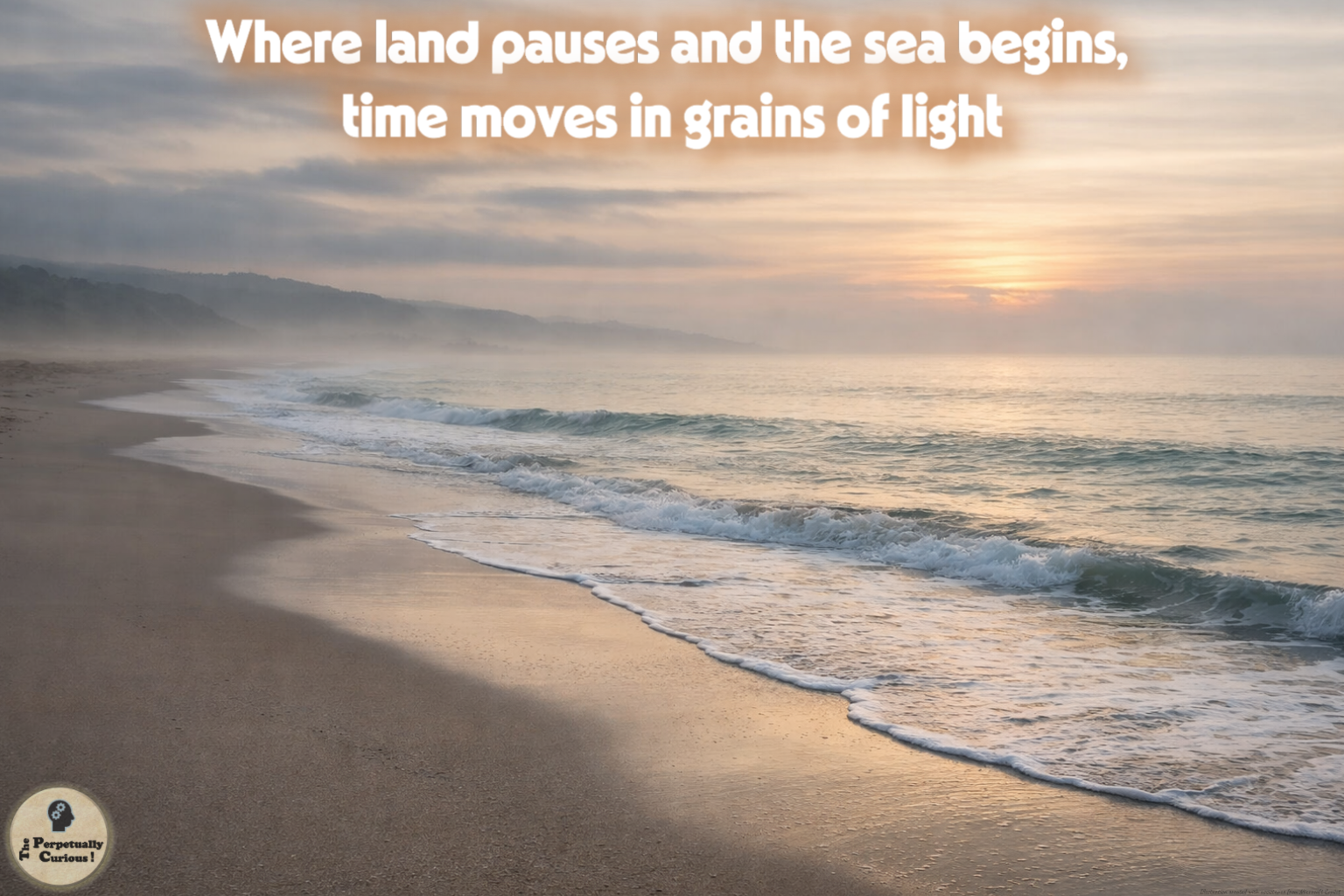
🌊 Why Beaches Have Sand
From section: Where the full story continuesThe full article on The Perpetually Curious continues into how different sources and environments give beaches their varied colors, textures, and compositions, and how these patterns connect to the wider science of coasts and sediment.
- The Perpetually Curious! › Archives › Planet EarthArticle
🌈 Rainbow Formation: Why Every Observer Sees a Different Arc
A rainbow can look like a colored bridge resting on a distant valley, field, or line of trees. Yet the arc is not anchored to that landscape. It is assembled for a particular observer by a particular set of illuminated water droplets.
- The Perpetually Curious! › Archives › Planet EarthArticle
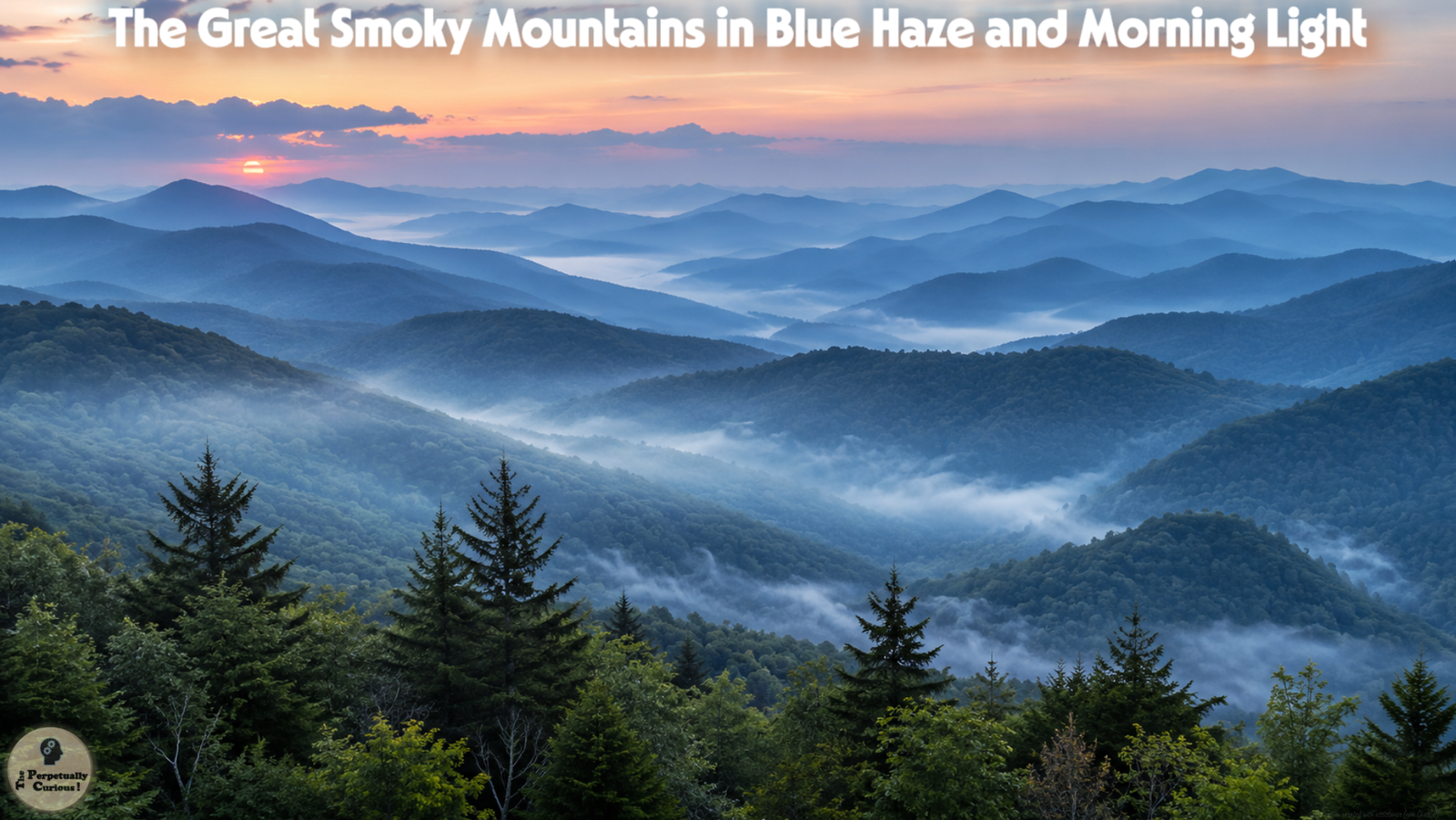
🌫️ Why the Great Smoky Mountains Fade into Blue Haze
The effect is one of the region's defining sights, but the name “Smoky” begins with a quiet interaction among trees, moisture, airborne particles, and sunlight.