Explore by topic, question, or idea. Find articles, reflections, videos, puzzles, and curiosity pathways gathered across the site.
Press Enter or select Search. A newly typed query starts globally; filters are applied only through the visible rail.
9 results for “the curve that seemingly defies gravity the brachistochrone and the fastest path down”
- The Perpetually Curious! › Archives › Planet EarthArticle
When Nature's Fury Spirals: Understanding the Science Behind Nor'easters 🌊
Few weather phenomena capture the raw power of nature quite like a nor'easter bearing down on the Eastern Seaboard. These massive storm systems, born from the collision of opposing air masses over the Atlantic, represent some of the most complex and fascinating atmospheric dynamics on Earth.
- The Perpetually Curious! › Archives › Planet EarthArticle
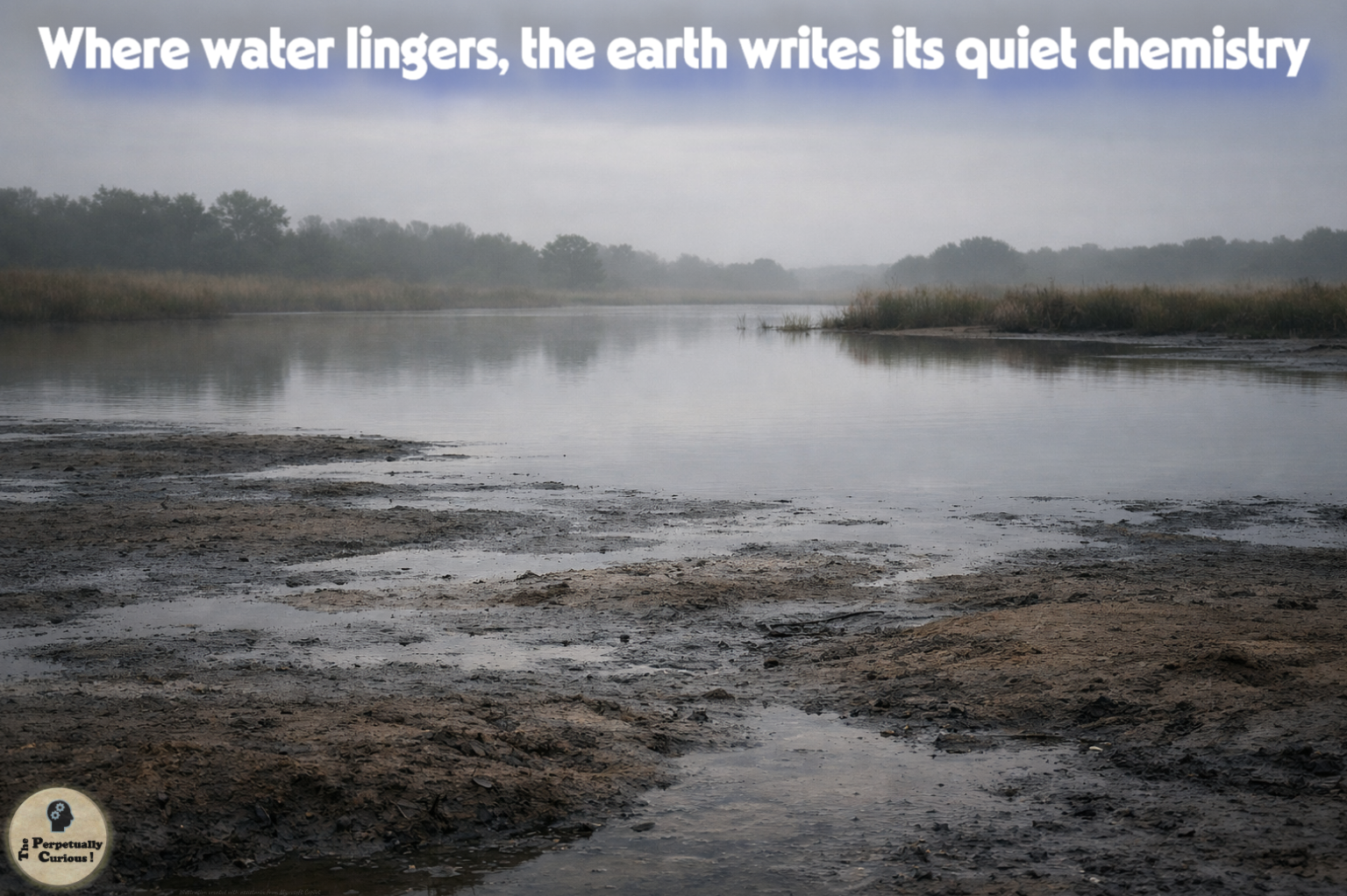
🌍 Why Mud Is Brown or Black: What Wet Soil Reveals
A wet patch of ground can look ordinary until its color begins to speak. Brown mud on a path, gray mud beside a pond, and black mud in a marsh are not simply different degrees of dirtiness.
- The Perpetually Curious! › Archives › Planet EarthArticle
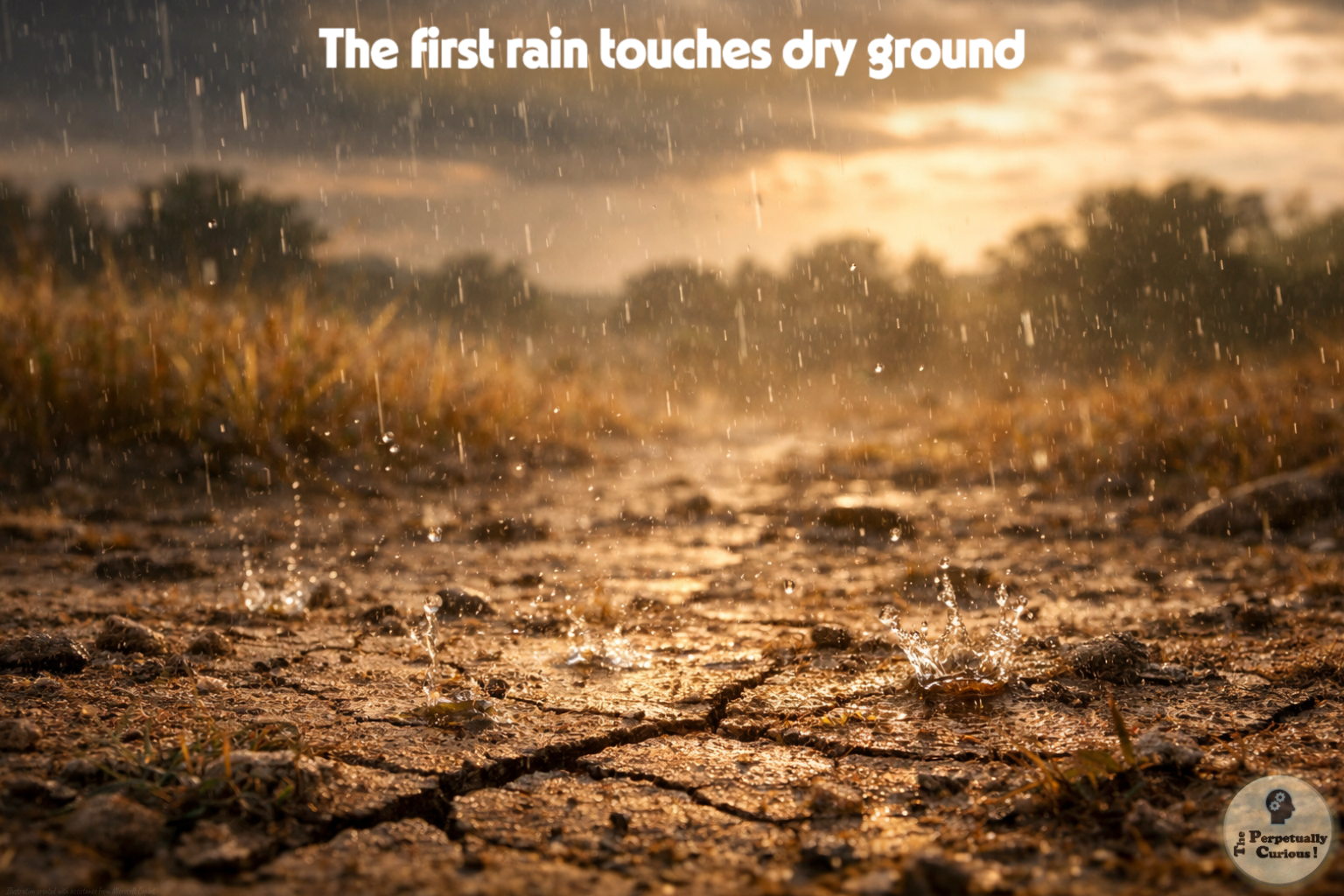
🌧️ Petrichor: How First Rain Lifts Earth’s Hidden Scent
The smell of rain often arrives before we think about its science. A dry path darkens, a garden bed drinks in the first drops, and a scent rises that seems older than the moment itself. It can feel as if rain has a fragrance of its own, but the water is only part of the story.
- The Perpetually Curious! › Archives › Planet EarthArticle
❄️ Antarctica: Southernmost Continent’s Frozen Symphony of Silence and Light
Where Silence Breathes and Light Dances: Antarctica's Living Symphony At the edge of our planet lies Antarctica, Earth's southernmost frontier, sculpted by ice, silence, and light; desolate yet breathtaking, mysterious yet alive.
- The Perpetually Curious! › Archives › Planet EarthArticle
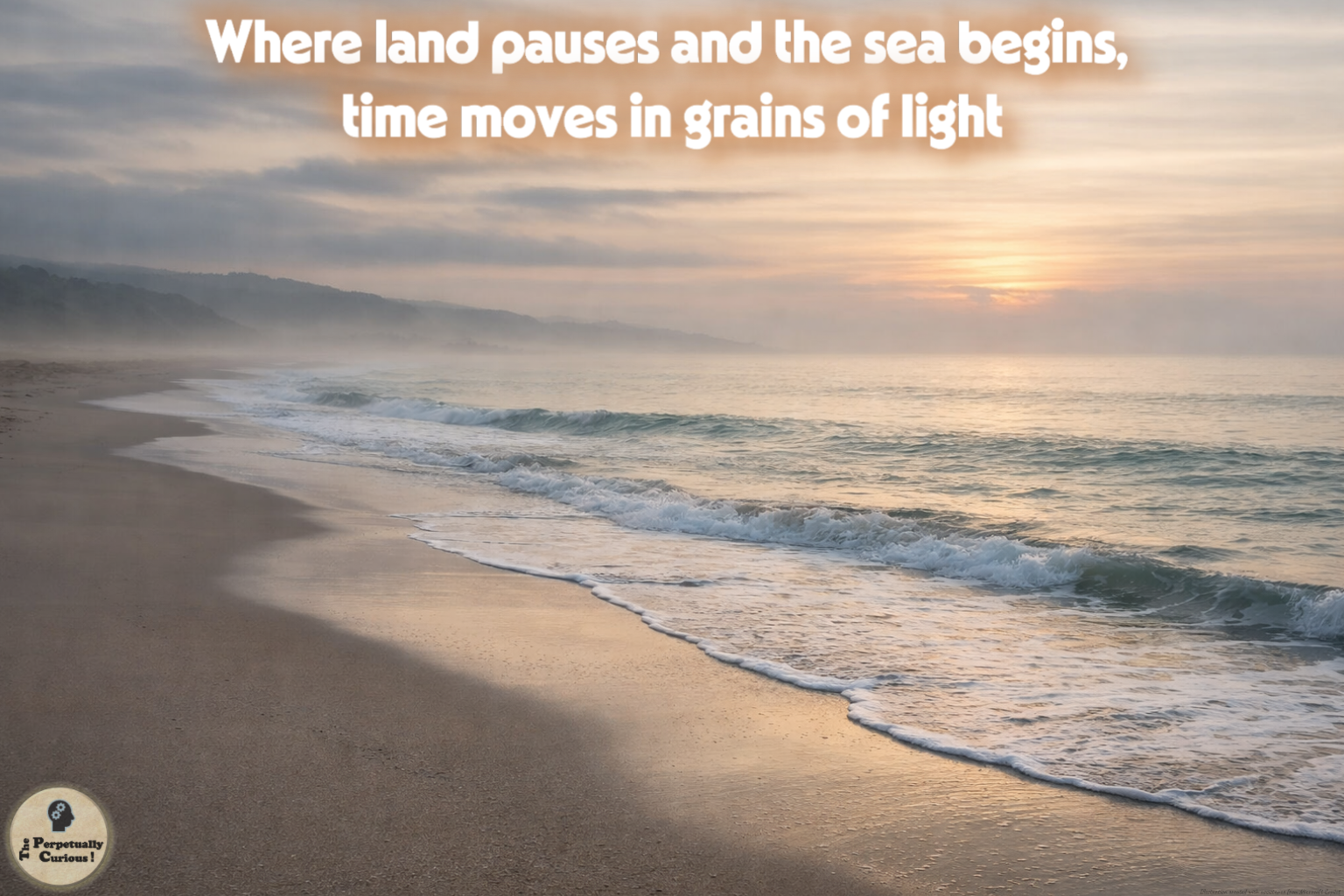
🌊 Why Beaches Have Sand
Mountains, cliffs, and ancient bedrock slowly break down through weathering.
- The Perpetually Curious! › Archives › Planet EarthArticle
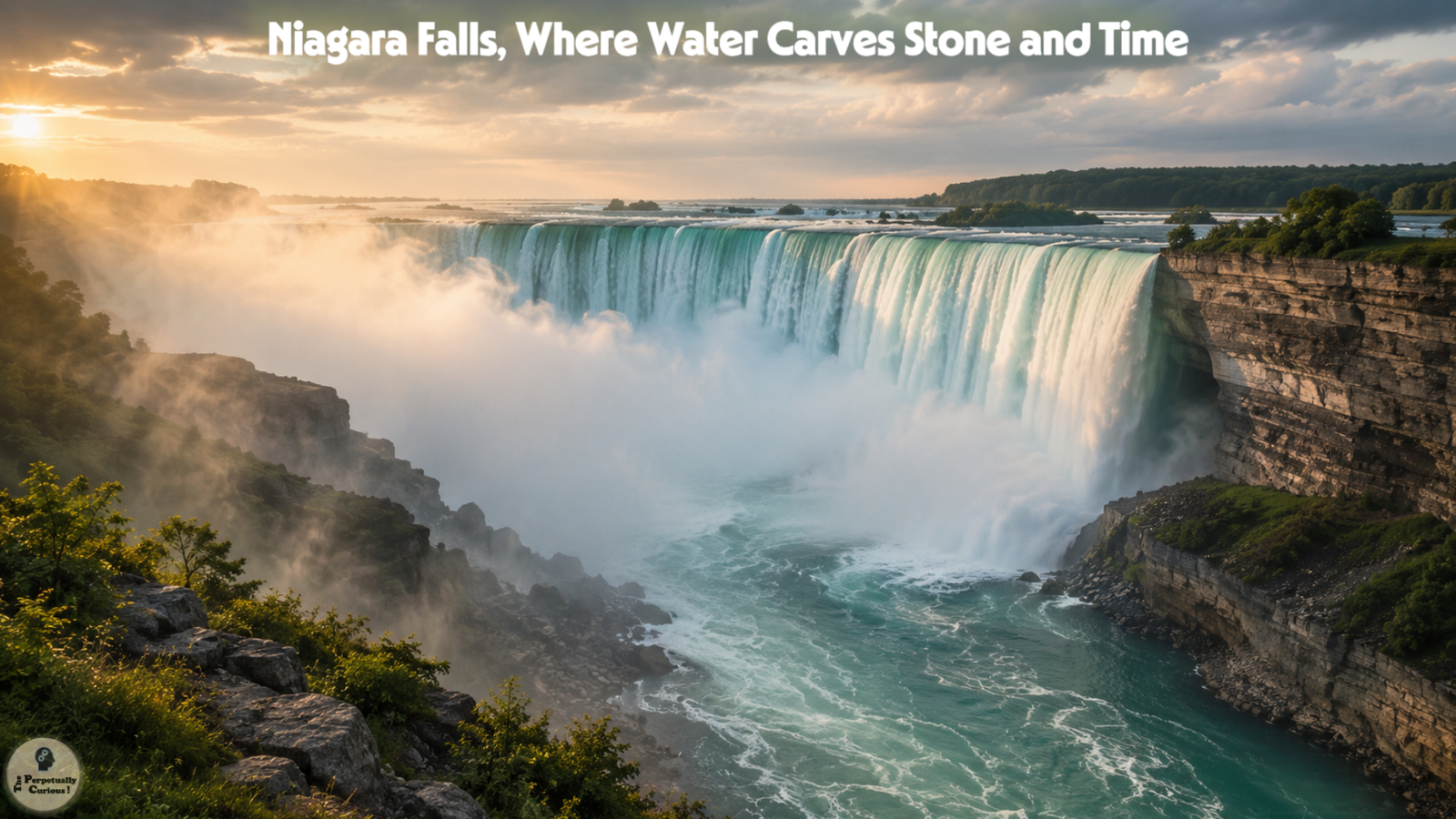
🌊 Niagara Falls Facts: How Water Turns Stone Into Time
It belongs to a long drainage path that gathers through the upper Great Lakes, moves toward Lake Erie, and then passes through the Niagara River on its way to Lake Ontario and the St.
- The Perpetually Curious! › Archives › Planet EarthArticle
🌊 Underwater Sound: How Echoes Measure Distance
From section: Why sound carries the first clueOcean conditions also vary with temperature, salinity, and pressure, so the path of sound is not always a straight, simple line.
- The Perpetually Curious! › Archives › Planet EarthArticle
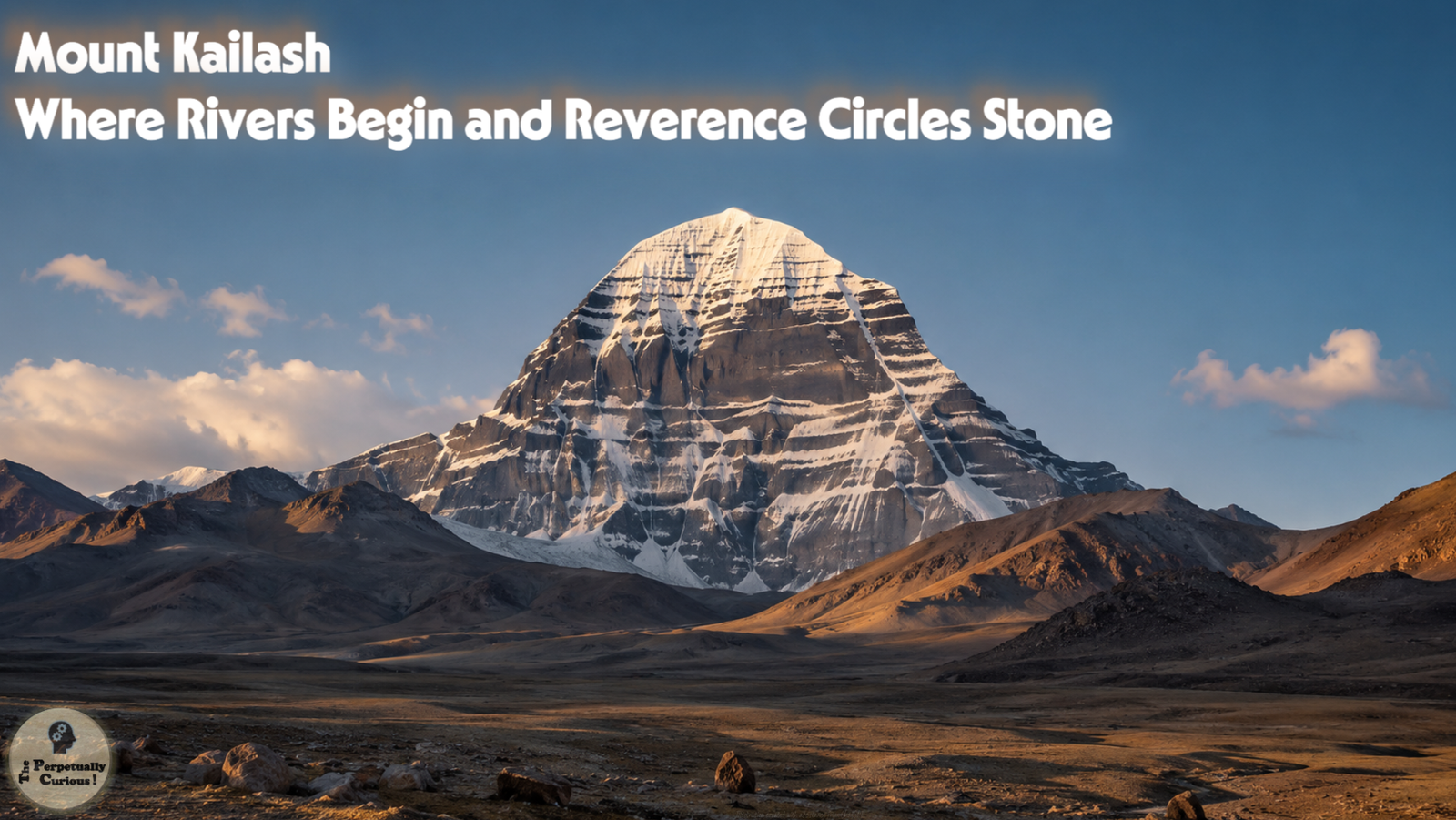
🏔️ Mount Kailash: Why a Sacred Summit Is Circled, Not Climbed
From section: Water moves outward, meaning gathers inwardThat larger path continues in a quieter way on our main site, where the lakes, river geography, religious traditions, geology, access context, environmental setting, and visual materials have room to unfold without being compressed here.
- The Perpetually Curious! › Archives › Planet EarthArticle
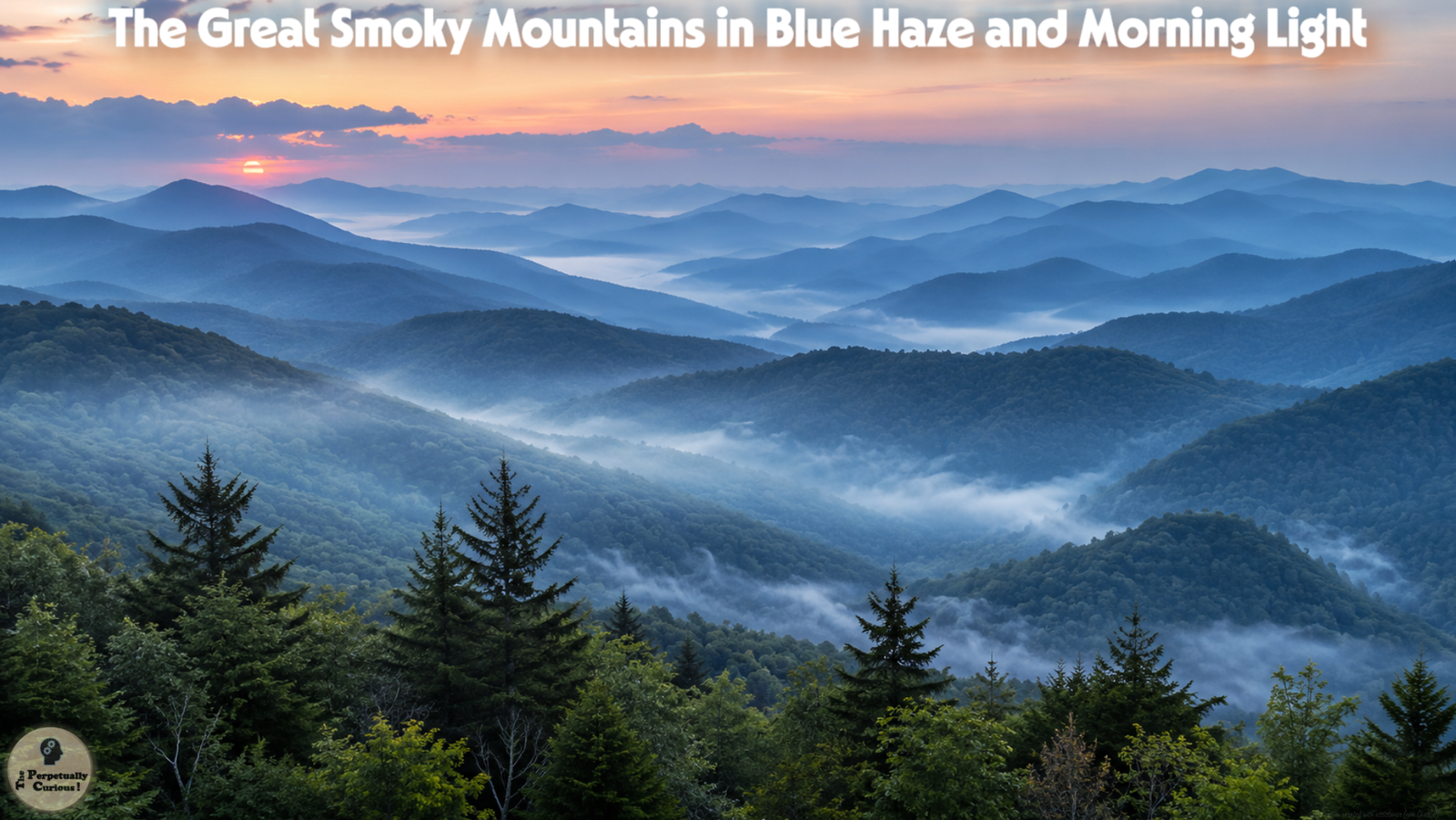
🌫️ Why the Great Smoky Mountains Fade into Blue Haze
At dawn, the Great Smoky Mountains can appear less like a wall of peaks than a sequence of blue shadows. Ridge after ridge fades into the distance, while the valleys seem to hold smoke even when no fire is burning.