Explore by topic, question, or idea. Find articles, reflections, videos, puzzles, and curiosity pathways gathered across the site.
Press Enter or select Search. A newly typed query starts globally; filters are applied only through the visible rail.
6 results for “the second brain speaks first when parkinson disease begins in your belly”
- The Perpetually Curious! › Archives › Wilderness & Homestead CreaturesArticle
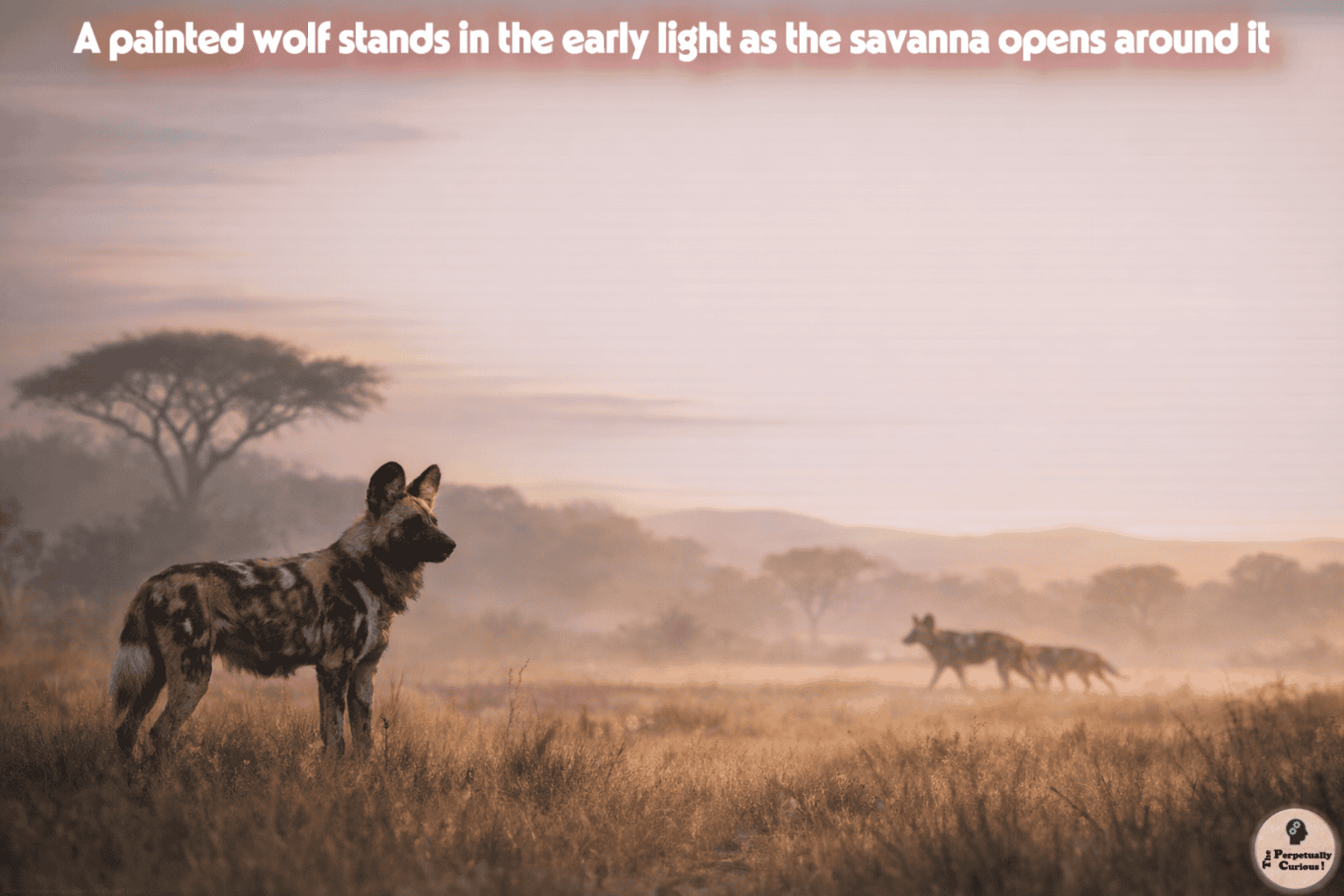
🐾 African Wild Dogs: How Their Pack Life Carries the Hunt
From section: Why the pack is the first clueWhy the pack is the first clue A pack gives African wild dogs options that a lone hunter would not have.
- The Perpetually Curious! › Archives › Wilderness & Homestead CreaturesArticle
🦈 Scars That Speak: Shark Survival Stories Etched in Skin
Introduction 🌊 Every scar on a shark tells a story, each a record as unique as the path that shark has traveled through its environment. These marks are not just wounds. They are survival records that reveal the hidden dramas of the ocean.
- The Perpetually Curious! › Archives › Wilderness & Homestead CreaturesArticle
🐾 Wolves, Foxes, and Jackals: One Family, Many Survival Paths
Place a wolf, a fox, and a jackal in the same imagined landscape and the differences appear first. One seems built for distance and group movement. One carries the quick precision of a small hunter at the edge of cover. One belongs to a world of open scrub, watchful pauses, and flexible opportunity.
- The Perpetually Curious! › Archives › Wilderness & Homestead CreaturesArticle
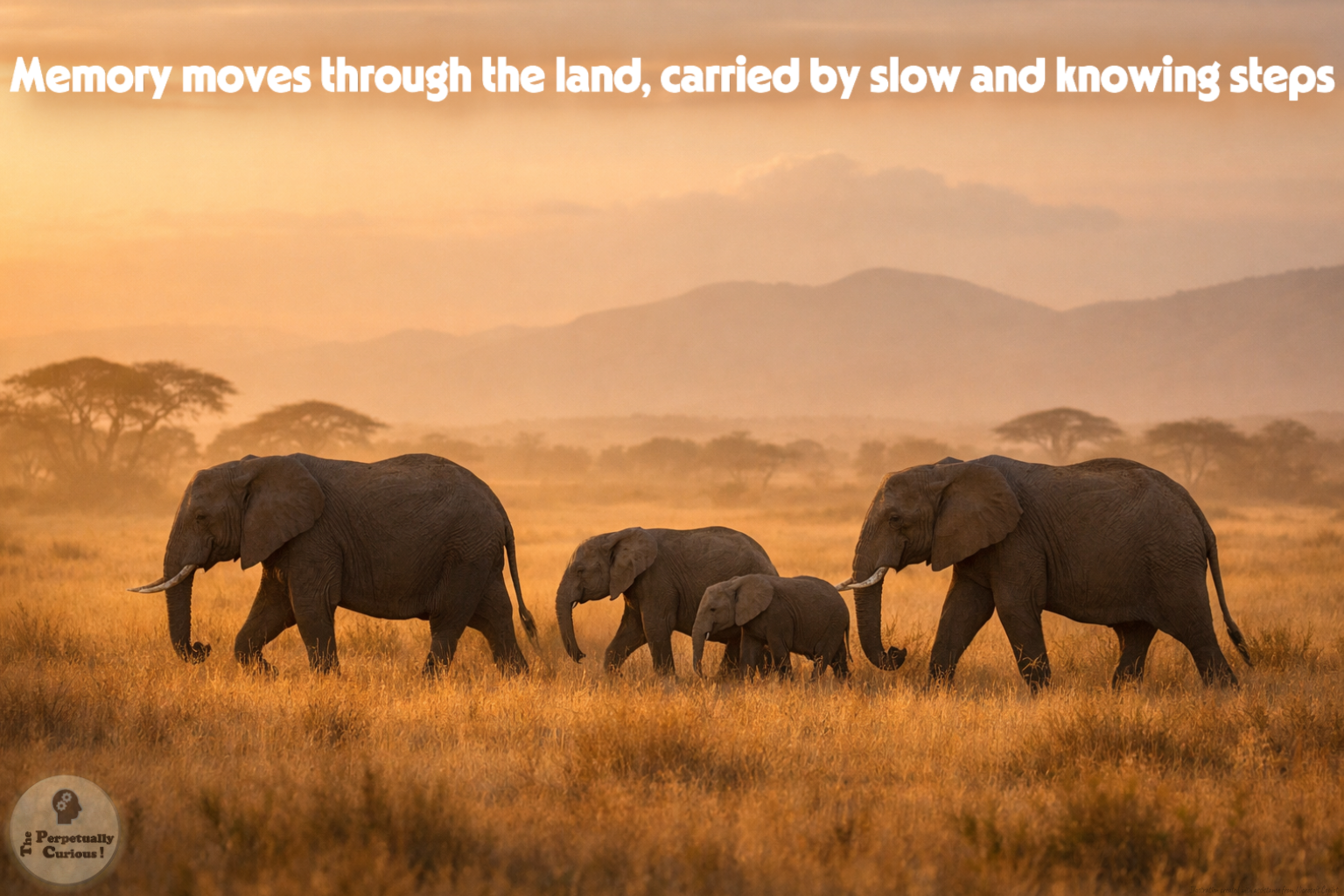
🐘 Elephant Intelligence: How Memory Becomes a Family Inheritance
From section: Knowledge Carried Without a ClassroomSeen through this lens, elephant intelligence is not defined only by brain size or isolated problem-solving feats.
- The Perpetually Curious! › Archives › Wilderness & Homestead CreaturesArticle
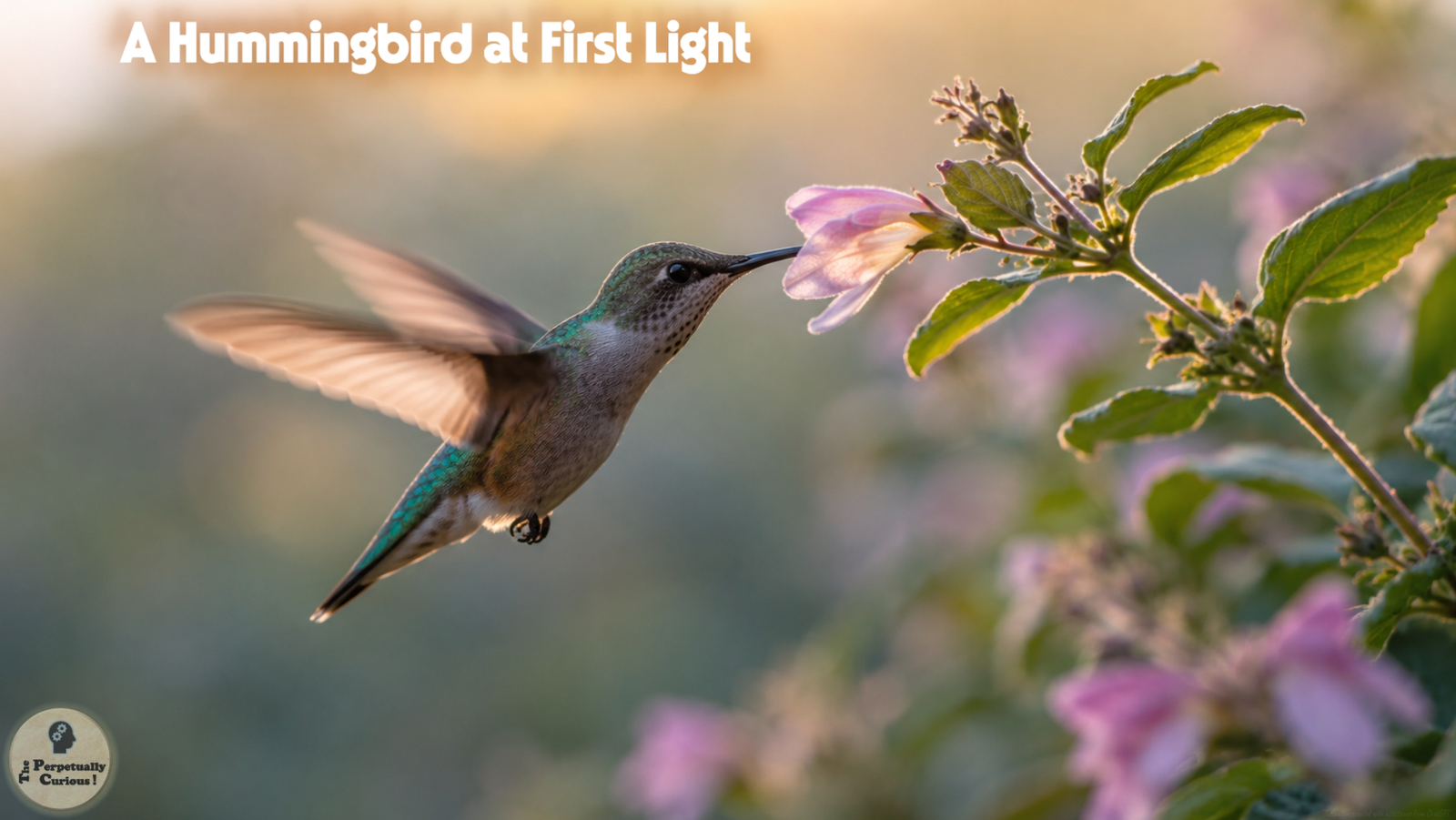
🐦 How Hummingbirds Hover: The Motion Inside Apparent Stillness
From section: A Shoulder Built for Unusual FreedomSmaller hummingbirds may beat their wings roughly 50 to 80 times per second, while giant hummingbirds use slower strokes.
- The Perpetually Curious! › Archives › Wilderness & Homestead CreaturesArticle
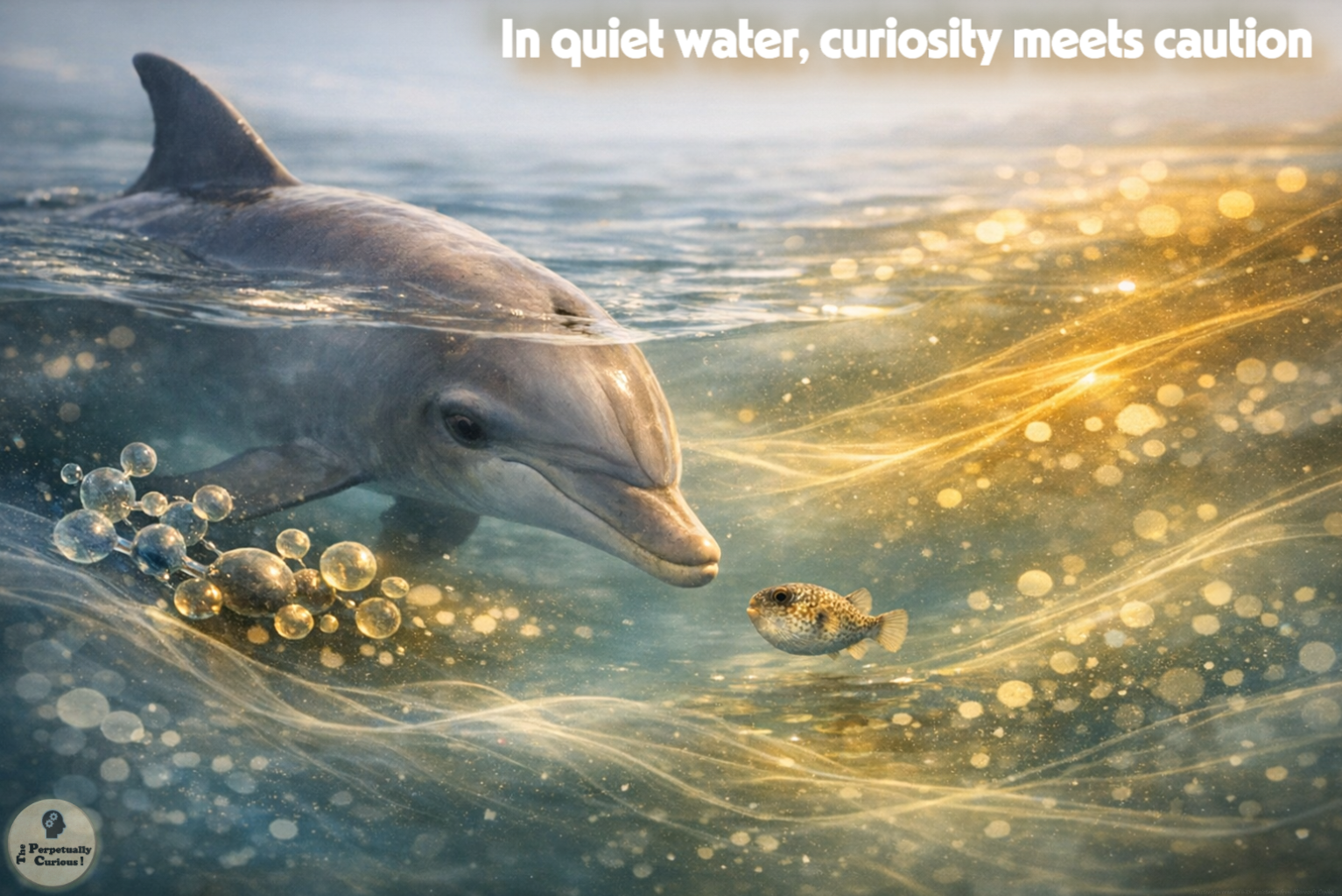
🧪 Animal Chemical Encounters: When Molecules Shape Behavior
In the sea, a chemical encounter can begin before a chase, a bite, or a sound. A molecule released from skin, mucus, food, or water can change what an animal notices, how it moves, and whether it keeps investigating. To human eyes, the moment may look like simple curiosity.